 Save
You can sleep eight hours and still wake up feeling drained. That’s because rest is more than just sleep; it’s a combination of seven distinct types of restoration. If you’re constantly tired, you might be missing out on physical, mental, emotional, social, sensory, creative, or spiritual rest. This article breaks down each type, helps you identify which ones you’re neglecting, and offers practical tips to incorporate more of them into your daily life.
Key Takeaways
- Rest includes seven types: physical, mental, emotional, social, sensory, creative, and spiritual.
- Physical rest has two forms: passive (sleep) and active (yoga, stretching).
- Short, frequent breaks throughout the day can boost mental rest.
- Limit screen time and noise for sensory rest, especially before bed.
- If fatigue persists and affects daily life, consult a healthcare professional.
9 ideas in this post
- Why You’re Still Exhausted Even After Enough Sleep
- The Seven Types of Rest Your Body and Mind Crave
- Common Rest Mistakes That Keep You Tired
- Practical Tips for Integrating More Rest Into Your Day
- Tools and Habits to Support Your Rest Journey
- How Often and How Long to Prioritize Rest
- When to Seek Professional Help for Persistent Fatigue
- Frequently Asked Questions
- Final Thoughts
Why You’re Still Exhausted Even After Enough Sleep
You can clock eight hours and still wake up groggy. That’s because sleep is only one piece of the rest puzzle. Rest actually comes in seven distinct forms: physical, mental, emotional, social, sensory, creative, and spiritual. If you’re neglecting any of these, your energy reserves stay depleted no matter how long you sleep. The fix is figuring out which types of rest you’re missing and giving them targeted attention. That’s what truly fights fatigue and boosts your overall well-being.
The Seven Types of Rest Your Body and Mind Crave
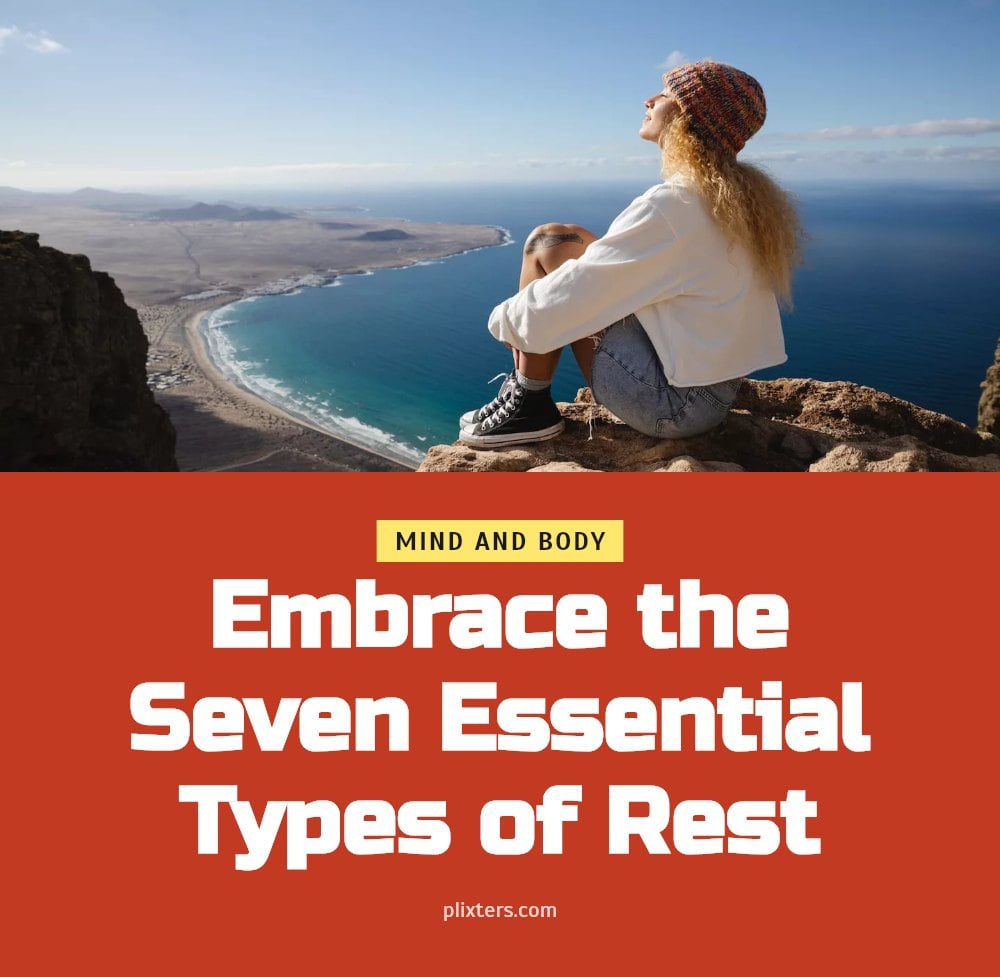
Physical Rest
This one splits into two kinds. Passive physical rest is sleep and napping. Active physical rest includes gentle movement like yoga, stretching, or a massage. Both help your body recover from physical exertion and tension.
Mental Rest
If your mind races at night or you feel foggy by noon, you likely need mental rest. This means quieting your thoughts through short breaks from demanding tasks or a few minutes of mindfulness. Even a 5-minute pause between meetings can help.
Emotional Rest
Emotional rest is about having space to express your feelings without judgment. It also means cutting back on people-pleasing. When you constantly suppress emotions or cater to others, you drain your emotional reserves.
Social Rest
Not all social time recharges you. Social rest means limiting interactions that feel draining and prioritizing connections that uplift you. It’s okay to skip a happy hour if you’d rather recharge alone.
Sensory Rest
Screens, noise, and bright lights overstimulate your senses. Sensory rest is about reducing that input, even for short periods. Close your eyes, turn off notifications, or sit in a dim room for a few minutes.
Creative Rest
You don’t need to be an artist to need creative rest. This type involves engaging with beauty or giving your mind unstructured time to wander. Visit a museum, listen to music, or just daydream.
Spiritual Rest
Spiritual rest connects you to a sense of purpose or belonging. This can come from community, meditation, or spending time in nature. It’s about feeling part of something bigger than yourself.
Common Rest Mistakes That Keep You Tired
Many people think rest equals sleep, but that’s only one piece. If you rely solely on sleep, you’ll stay tired. Another mistake is trying to power through exhaustion. Pushing harder only deepens the deficit. You might also fill every free moment with productive tasks, leaving no room for unstructured downtime. True rest needs empty space.
Be careful with stimulating activities like binge-watching or endless scrolling. They can feel restful but often drain your mental and sensory energy instead. Your rest needs also change with life situations. What worked in a calm period may not cut it during a busy season. Finally, don’t feel guilty about taking time to rest. It’s essential for your well-being, not a luxury.
Practical Tips for Integrating More Rest Into Your Day

Start by identifying which rest types you lack. Reflect on your daily activities and feelings. If you’re irritable after social events, you need social rest. If you’re overwhelmed by noise, you need sensory rest.
- Schedule rest: Treat different types of rest as non-negotiable appointments, not just sleep. Put them in your calendar.
- Practice mindfulness: Even a few minutes of meditation daily can give your mind a break.
- Limit screens: Cut social media and screen time, especially before bed, to support sensory rest.
- Seek quiet and nature: Spend time in quiet environments or a local park to foster sensory and spiritual rest.
- Enjoy creative hobbies: Engage in activities purely for fun, without pressure to produce or perform.
- Set boundaries: Say no when needed to protect your emotional and social energy.
Tools and Habits to Support Your Rest Journey
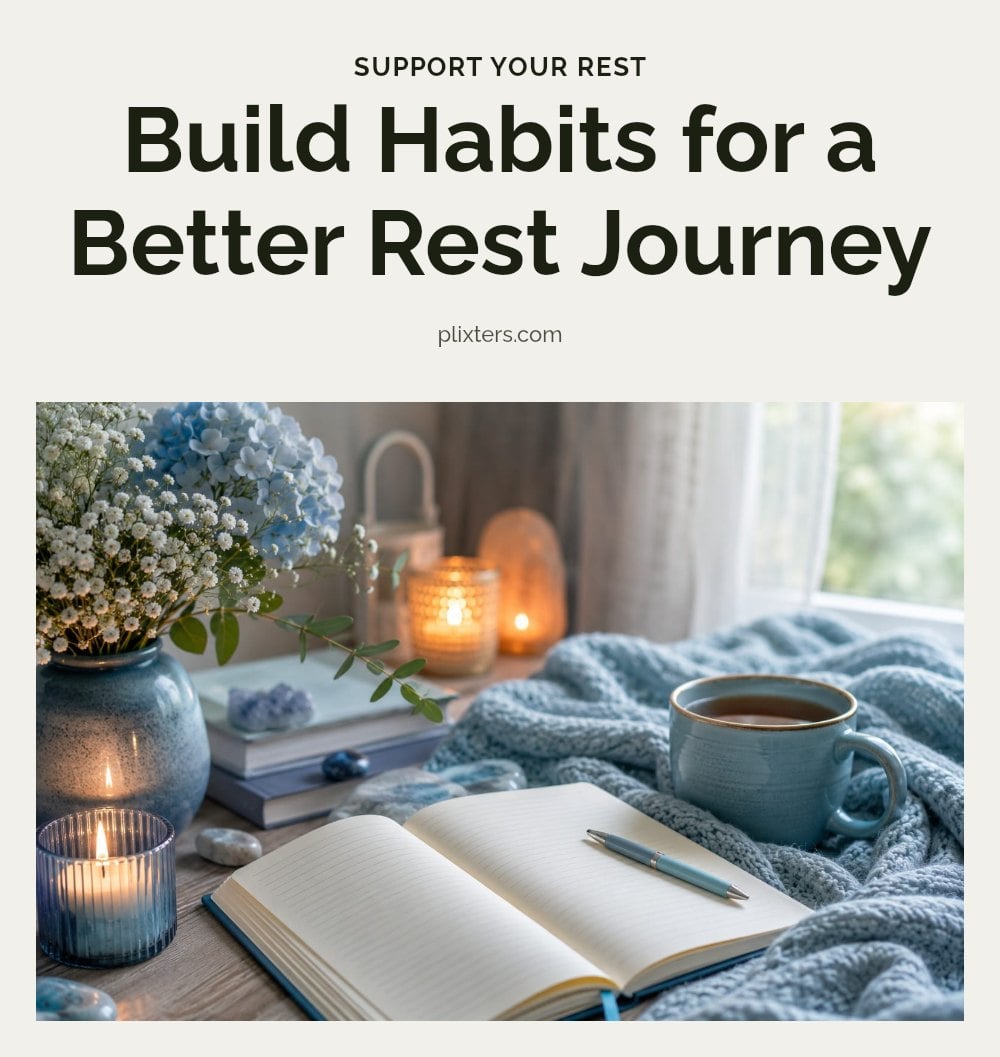
Having the right tools makes rest easier to actually follow through on. Here is what I keep on hand.
- Journal: For emotional rest, write without judgment. It helps untangle thoughts that keep you wired.
- Comfortable clothing: Swap stiff jeans for soft layers. Your body relaxes faster when nothing digs in or binds.
- Eye mask and earplugs: Blocking light and noise creates a sensory-reduced space for deeper rest. I use mine even for short 10-minute breaks.
- Meditation app: A guided session can quiet your mind in five minutes. It removes the guesswork from mental rest.
- Access to nature: Even a local park counts. Being outside supports both sensory and spiritual rest.
- A dedicated rest space: Claim a quiet corner free from screens and clutter. Train your brain to associate that spot with unwinding.
How Often and How Long to Prioritize Rest
Rest is not a one-time fix. It needs to become a daily or weekly habit. Many people notice improvements in energy and well-being within a few weeks of consistent effort.
Most practices cost nothing. Meditation, walking in nature, and journaling are free. Some options, like a massage or a meditation app subscription, involve a moderate cost.
How often depends on your body. Listen to its signals. Some days you need more sensory rest; other days, social rest matters most. Adjust as you go.
When to Seek Professional Help for Persistent Fatigue
If persistent fatigue makes it hard to function, see a healthcare professional. Unexplained weight changes, pain, or mood disturbances alongside tiredness warrant a checkup.
A doctor can rule out underlying medical conditions that may be contributing to your exhaustion. Chronic stress and neglected rest can also lead to burnout and other health issues that benefit from professional guidance.
Caution: Do not ignore ongoing fatigue. Your body is telling you something. A professional can help you figure out what.
Frequently Asked Questions
How do I know which type of rest I need most?
Reflect on your daily feelings and activities. If you feel irritable after social events, you likely need social rest. If you’re overwhelmed by noise or screens, sensory rest may be your priority. Journaling can help you notice patterns and pinpoint which areas feel depleted.
Can I combine different types of rest?
Yes, many rest practices naturally combine types. For example, a walk in nature can provide both sensory and spiritual rest. Yoga can offer active physical rest while also calming your mind, giving you mental rest. Combining types can be efficient and effective.
How long does it take to feel better after practicing different kinds of rest?
Many people notice improvements in energy and well-being within a few weeks of consistent effort. However, it’s not a one-time fix; rest needs to become a daily or weekly habit. The timeline can vary depending on how depleted you are and how consistently you practice.
Is it normal to feel guilty about resting?
Yes, many people feel guilty when they take time to rest, especially if they’re used to being productive. But rest is essential for your health and well-being. Remind yourself that taking time to recharge allows you to show up better in other areas of your life.
What’s the difference between active and passive physical rest?
Passive physical rest includes sleep and napping, which allow your body to recover passively. Active physical rest involves gentle movement like yoga, stretching, or getting a massage. Both are important, but they serve different purposes in helping your body release tension and recover.
Final Thoughts
Start by identifying which rest types you’re missing, then schedule them like non-negotiable appointments. You don’t need to overhaul your life overnight; pick one or two practices and build from there. With consistent effort, many people notice improvements in energy and well-being within a few weeks. Remember, rest is not a luxury, it’s a necessity for your overall health.
This article is for general informational purposes only and is not a substitute for professional medical advice. If you experience persistent fatigue that significantly impacts your daily life, or if you have other concerning symptoms, please consult a healthcare professional. They can help identify any underlying conditions and guide you toward appropriate care.