 Save
You know that feeling when you jump straight into a workout and your body just feels stiff and unready? That’s exactly why a warm-up matters. It gradually raises your heart rate, sends blood to your muscles, and increases your core temperature so you move better and lower your injury risk. In this article, I’ll walk you through eight simple moves you can do in just five to ten minutes before any workout.
Key Takeaways
- Warm up for 5-10 minutes before every workout, even short ones.
- Start with 2-3 minutes of light cardio like marching or slow jogging.
- Use dynamic stretches, not static stretches, before exercise.
- Perform each dynamic move for 10-12 reps or about 30 seconds.
- Listen to your body and stop if you feel sharp pain or dizziness.
13 ideas in this post
- Why Warming Up Is Essential Before Exercise
- 1. Light Cardio: Marching in Place or Slow Jog
- 2. Arm Circles
- 3. Leg Swings (Forward/Backward)
- 4. Torso Twists
- 5. High Knees
- 6. Walking Lunges
- 7. Cat-Cow Stretch
- 8. Jumping Jacks
- What You Need for Your Warm-Up
- Common Warm-Up Mistakes to Avoid
- Frequently Asked Questions
- Final Thoughts
Why Warming Up Is Essential Before Exercise
A warm-up is your body’s green light for exercise. It gradually raises your heart rate, sends more blood to your muscles, and increases your core temperature. This prepares your body for what’s ahead, lowering your risk of injury and helping you perform better. My tip: aim for 5 to 10 minutes total, starting with light cardio and moving into dynamic stretches. That short time pays off in smoother, safer workouts.
1. Light Cardio: Marching in Place or Slow Jog
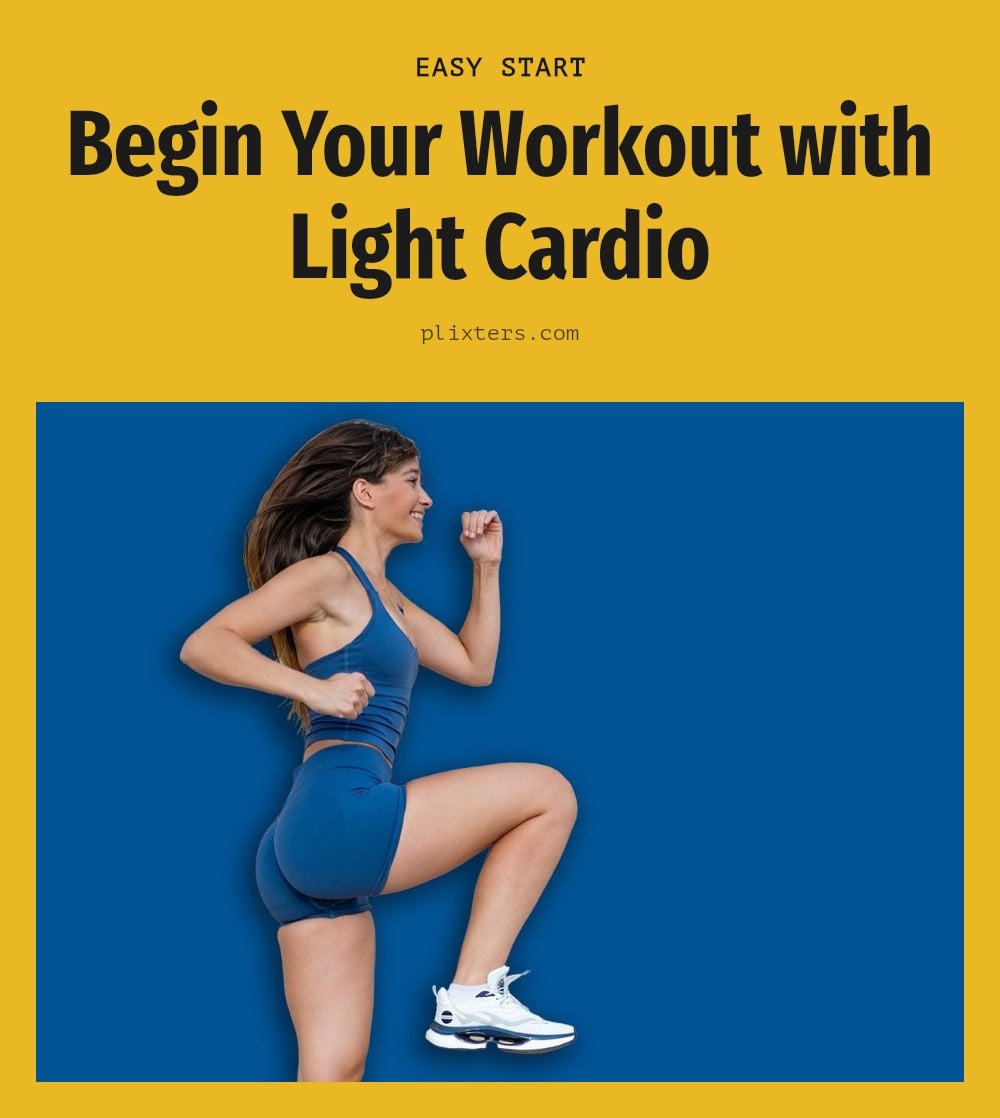
Start your warm-up with 2 to 3 minutes of light cardio to gently get your blood pumping. March in place, lifting your knees toward your chest with each step, or do a slow, light jog. Keep your breathing steady and your rhythm controlled.
- Time: 2-3 minutes
- Form cue: Land softly on the balls of your feet, not your heels
- Make it easier or harder: March slowly for a gentler start; pick up the pace or add higher knees for more challenge
2. Arm Circles
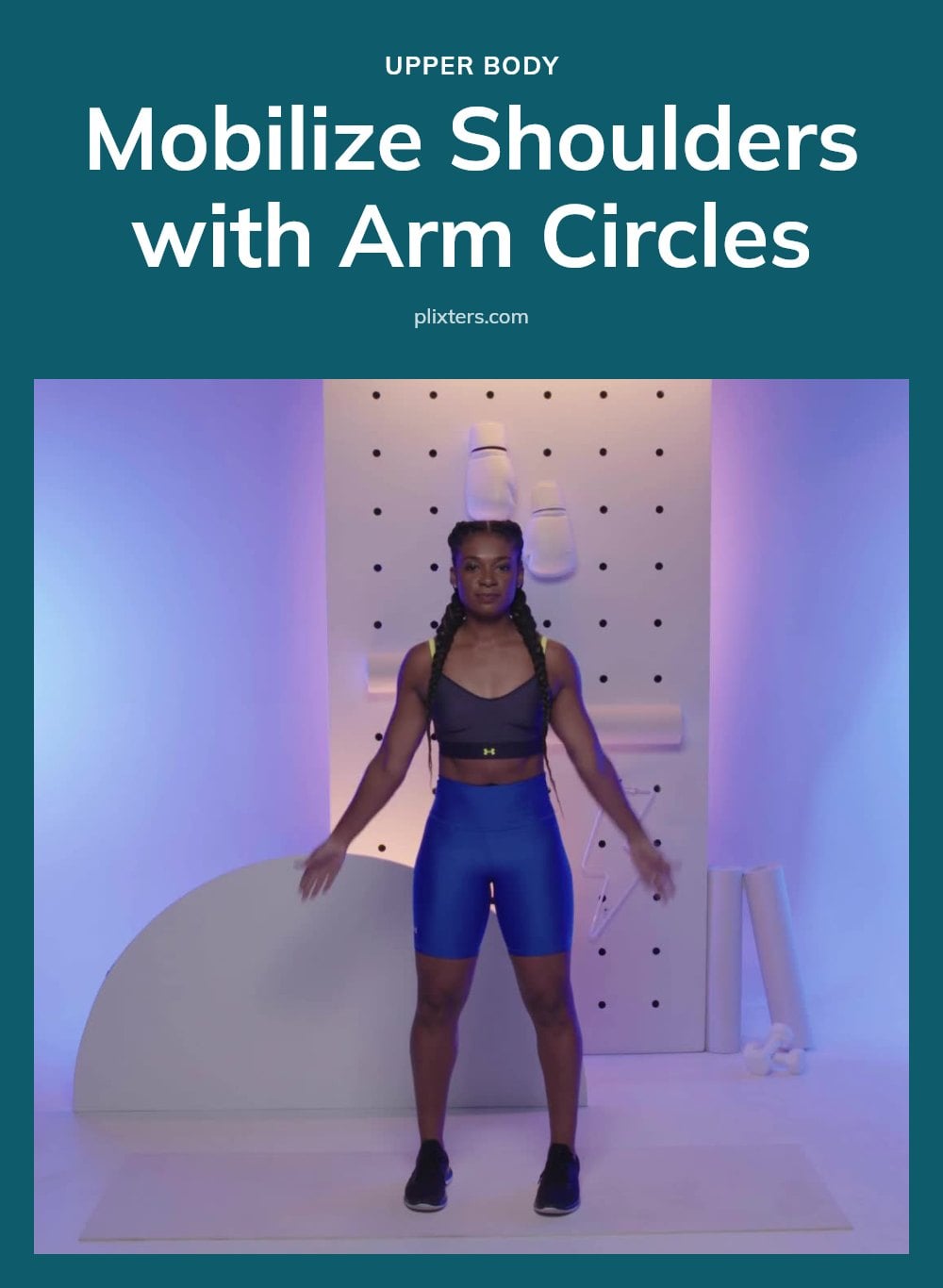
Stand tall with your feet shoulder-width apart and arms extended straight out to the sides. Make small forward circles with your arms for 10 to 12 reps, focusing on controlled movement. Then reverse direction for 10 to 12 backward circles to open up your shoulders.
- Sets and reps: 10-12 forward, 10-12 backward
- Form cue: Keep your shoulders down and back, not hunched up
- Make it easier or harder: Use smaller circles for less range of motion; increase the size or add light hand weights for more
3. Leg Swings (Forward/Backward)

Stand next to a wall or a sturdy chair for support. Swing one leg forward and backward in a controlled motion for 10 to 12 reps, then switch to the other leg. Keep your core engaged and avoid arching your back as you swing.
- Sets and reps: 10-12 per leg
- Form cue: Keep the movement in your hip joint, not your lower back
- Make it easier or harder: Reduce the swing range for less challenge; swing higher or add a slight pause at the top for more
4. Torso Twists
Stand with your feet shoulder-width apart, knees slightly bent, and hands on your hips or crossed over your chest. Gently rotate your torso to one side, letting your hips follow naturally, then twist to the other. Keep the movement controlled and avoid jerking. This is about loosening the spine, not speed.
- Sets and reps: 10-12 twists to each side
- Form cue: Keep your hips relatively still; the rotation comes from your ribcage and upper back
- Make it easier or harder: Slow down for more control, or hold a light weight at chest level to increase the load
5. High Knees
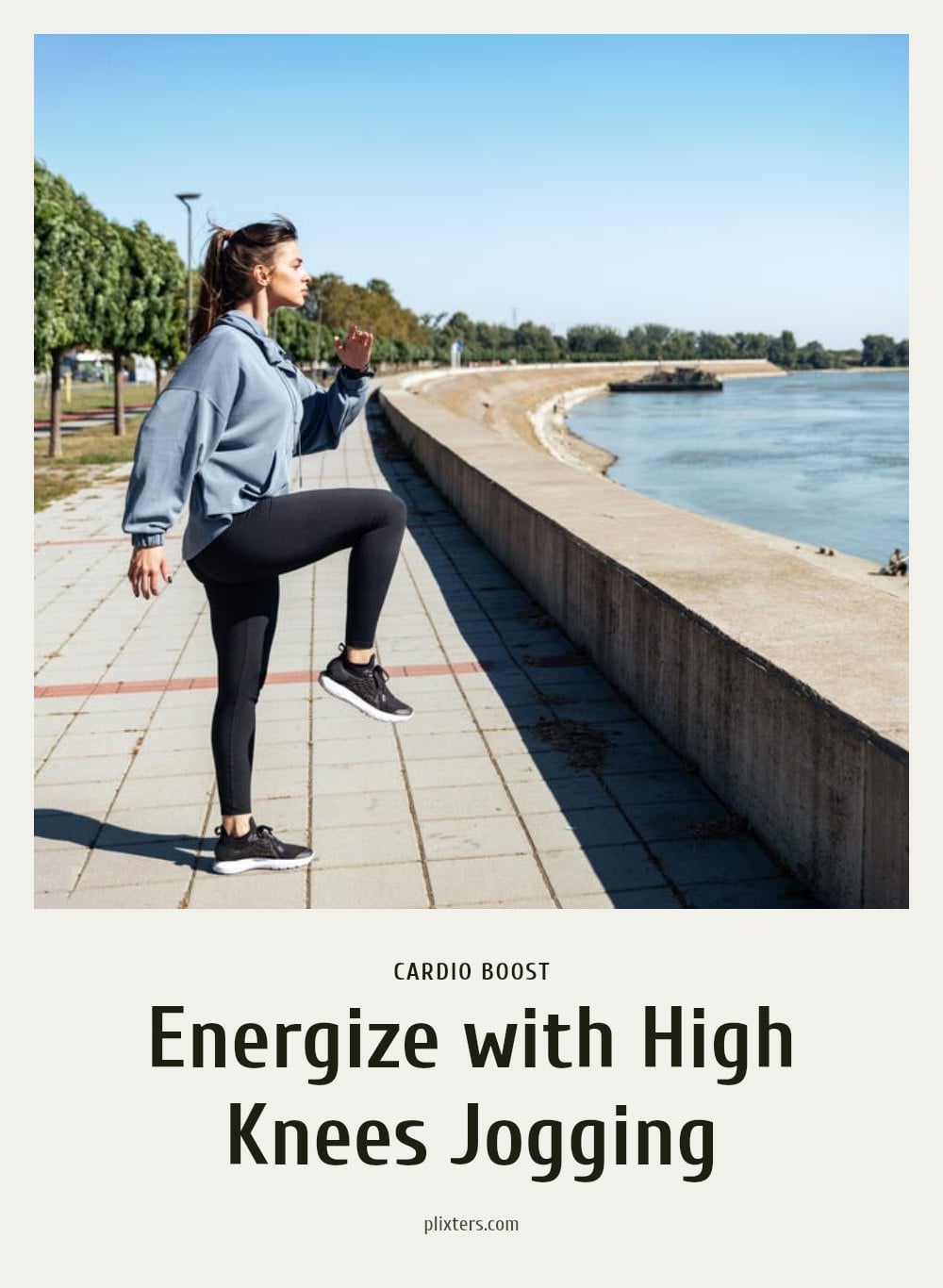
Lightly jog in place while driving your knees up toward your chest one at a time. Pump your arms in rhythm with your legs and keep your core engaged to maintain an upright posture. Aim for a quick, bouncy pace that raises your heart rate without making you breathless.
- Time: 30 seconds
- Form cue: Land softly on the balls of your feet, not your heels
- Make it easier or harder: March with high knees instead of jogging, or speed up the tempo for a greater challenge
6. Walking Lunges
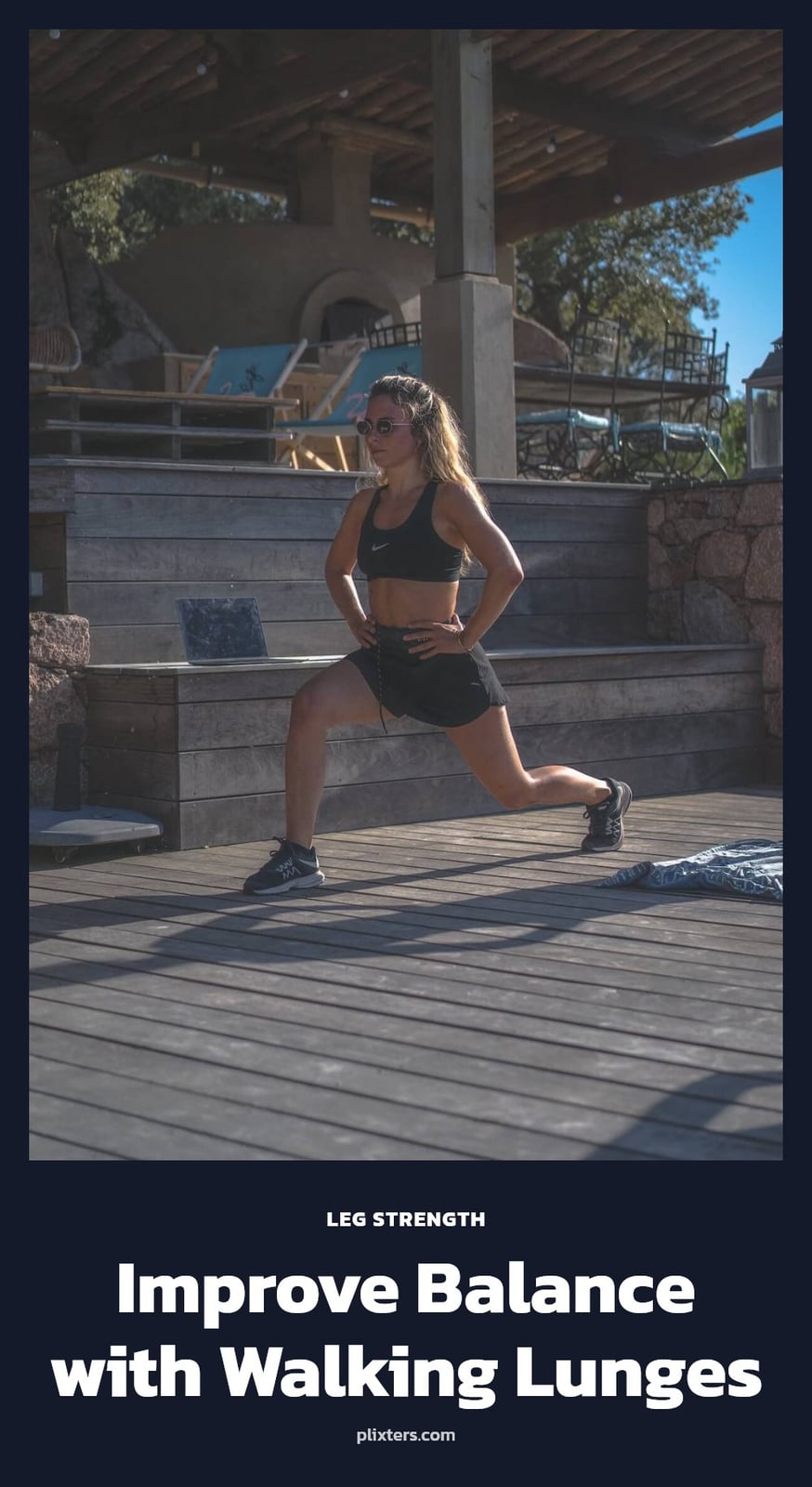
Step forward with one leg and lower your hips until both knees are bent at about 90 degrees. Your front knee should stay directly above your ankle, and your back knee should hover just above the floor. Push off your back foot to bring it forward and step directly into the next lunge, alternating legs as you move across the room.
- Sets and reps: Aim for 5-6 lunges per leg, adjusting step length as needed for intensity
- Form cue: Keep your front shin vertical and your chest lifted throughout
- Make it easier or harder: Take shorter steps for less range of motion, or add a torso twist at the bottom of each lunge for more core work
7. Cat-Cow Stretch
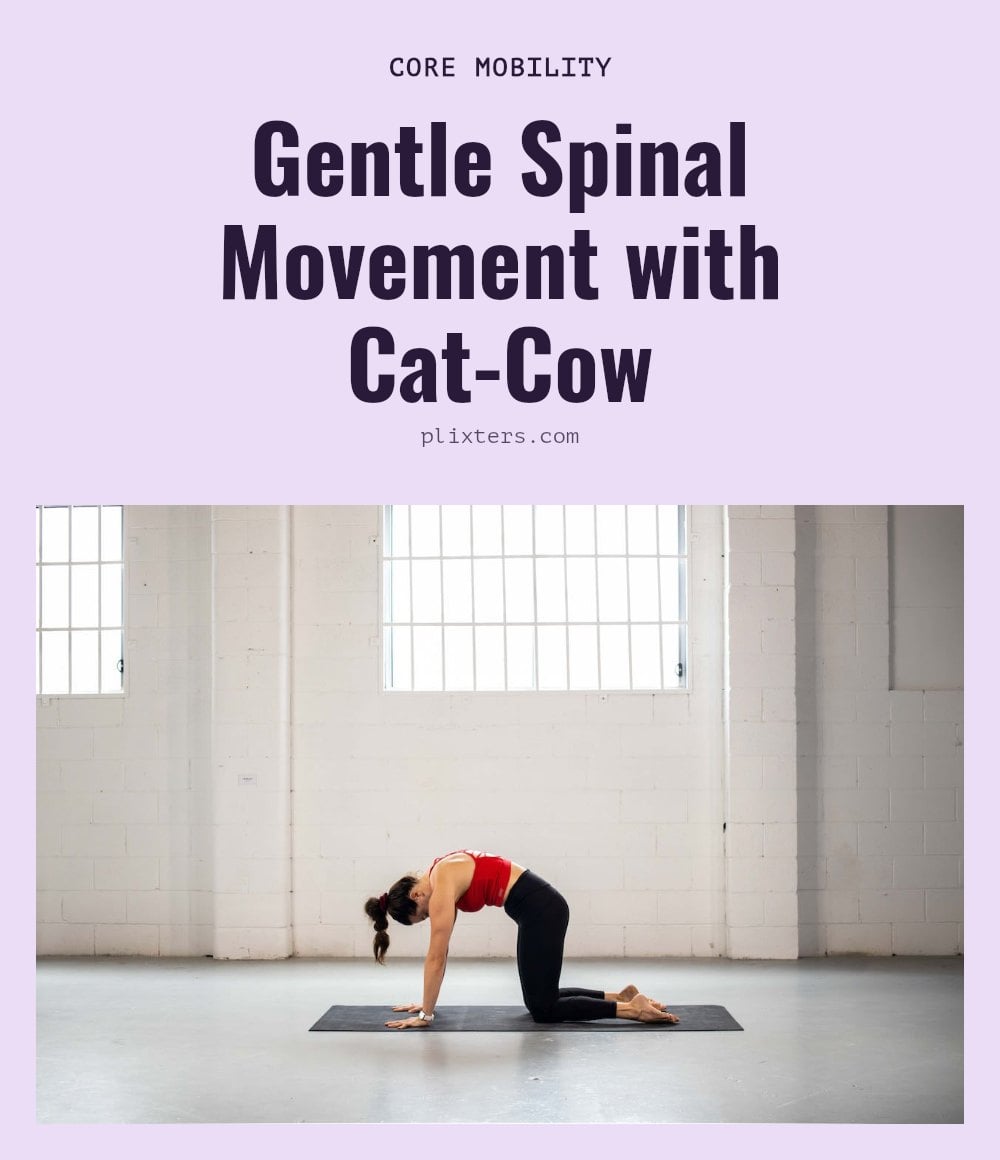
Start on your hands and knees with your wrists directly under your shoulders and your knees under your hips. Inhale as you drop your belly toward the floor, lift your chest, and look slightly upward (Cow pose). Exhale as you round your spine toward the ceiling, tuck your chin to your chest, and draw your belly button in (Cat pose).
- Sets and reps: 5-8 slow cycles
- Form cue: Time each movement with your breath, inhale for Cow, exhale for Cat
- Make it easier or harder: Keep the movement small and gentle if your wrists feel sensitive, or add a longer hold at the end of each pose
8. Jumping Jacks
Stand with your feet together and your arms at your sides. Jump, spreading your feet wider than hip-width while bringing your arms overhead. Jump back to the starting position and repeat.
- Time: Aim for 30 seconds, adjusting pace or intensity as needed, to raise your heart rate and warm up your whole body.
- Form cue: Land softly on the balls of your feet and keep a slight bend in your knees to absorb impact.
- Make it easier or harder: Slow the pace for a gentler start, or speed up and add a small squat at the bottom for more intensity.
What You Need for Your Warm-Up
You do not need much for a good warm-up, just a few basics that let you move freely and safely.
- Clothing: Wear comfortable athletic clothes that allow a full range of motion. Avoid anything too tight or restrictive.
- Shoes: Supportive athletic shoes designed for your activity. Proper footwear helps with stability and reduces strain on your joints.
- Space: A clear area large enough to extend your arms and legs in every direction without hitting furniture, walls, or other objects.
Common Warm-Up Mistakes to Avoid
A warm-up only works if you do it right. Here are the most common mistakes I see and how to avoid them.
- Skipping the warm-up entirely: Even for a 10-minute workout, those 5 to 10 minutes of warming up help prevent injury and improve your performance. Do not skip them.
- Doing static stretches before your workout: Holding a stretch for 30 seconds or more can actually reduce muscle power. Save static stretches for your cool-down and use dynamic movements now.
- Making the warm-up too intense: The goal is to prepare, not exhaust. If you are breathing hard or your muscles are burning, dial it back. Keep the intensity light to moderate.
- Focusing only on one body part: A warm-up should prepare your whole body, not just the muscles you plan to work. Include movements for your upper body, core, and lower body.
- Ignoring pain or discomfort: If something hurts, stop. Modify the exercise or skip it. Pushing through pain during a warm-up can lead to injury before your workout even starts.
Frequently Asked Questions
How long should a warm-up last?
Aim for 5 to 10 minutes total. That’s enough time to raise your heart rate, increase blood flow, and prepare your muscles without tiring you out before the main workout.
Can I skip my warm-up if I’m short on time?
Even with just a few minutes, a short warm-up is better than none. Try a quick two-minute march in place and a few arm circles. Skipping it entirely raises your risk of injury and can make your workout feel harder.
What’s the difference between dynamic and static stretching?
Dynamic stretches involve movement, like leg swings or torso twists, and are best before exercise. Static stretches, where you hold a position, are better after your workout during the cool-down. Doing static stretches cold can actually increase injury risk.
Should I feel tired after my warm-up?
No. Your warm-up should leave you feeling warm, loose, and ready to move, not fatigued. If you’re winded or your muscles feel heavy, scale back the intensity. The goal is to prepare, not exhaust.
How do I know if I’m warming up correctly?
You should notice a light sweat, slightly faster breathing, and joints that feel more mobile. Your heart rate should be elevated but still comfortable. If you feel any sharp pain or dizziness, stop and check your form or consult a professional.
Final Thoughts
My tip: pick two or three of these moves that target the muscles you’ll use most in your workout and make them your go-to warm-up. Expect your body to feel looser and your heart rate to rise gradually, not spike. Keep it consistent, and you’ll notice your main workout feels smoother and safer every time.
This article provides general fitness information and is not a substitute for professional medical or exercise advice. If you have a pre-existing health condition, injury, or concerns about starting a new routine, consult a doctor or certified trainer before beginning.