 Save
When it comes to feminine hygiene, the most important thing to know is that your vagina is self-cleaning. It doesn’t need special washes, douches, or scented products to stay fresh. In fact, many of those products can do more harm than good by disrupting the natural balance of bacteria and pH. This article covers the simple, gentle habits that keep you comfortable and fresh every day, from cleaning and wiping to choosing the right underwear and knowing when to see a doctor.
Key Takeaways
- Clean your vulva daily with warm water; mild unscented soap is optional.
- Always wipe from front to back to prevent bacteria transfer.
- Wear cotton underwear and change tampons every 4-8 hours.
- Shower after sweating and change out of wet clothes promptly.
- Consult a doctor for persistent itching, burning, or unusual discharge.
15 ideas in this post
- What is Feminine Hygiene?
- 1. Clean Your Vulva Gently with Water
- 2. Wipe Front to Back
- 3. Choose Breathable Cotton Underwear
- 4. Change Tampons and Pads Regularly
- 5. Shower After Exercise or Sweating
- 6. Stay Hydrated and Eat a Balanced Diet
- 7. Understand Normal Vaginal Discharge
- 8. Avoid Douching and Scented Products
- 9. Don’t Over-Wash or Scrub
- 10. Be Mindful of Laundry Detergents
- 11. Avoid Prolonged Wetness
- When to Consult a Healthcare Professional
- Frequently Asked Questions
- Final Thoughts
What is Feminine Hygiene?
Feminine hygiene covers the daily practices that keep the external genital area clean and fresh. Here’s the key fact: the vagina is self-cleaning. It maintains its own pH and bacterial balance without help from special products. That means the focus should stay on gentle external care only. Many marketed “feminine hygiene” products, like douches, scented washes, and wipes, can actually disrupt that natural balance, leading to irritation or infection. Less really is more.
1. Clean Your Vulva Gently with Water
Your vulva, the external genital area, needs daily cleaning, but warm water is usually all it takes. Mild, unscented soap can be used externally if you prefer, but it’s not required. What matters is avoiding anything harsh.
- Use your hand or a soft cloth: Gently wash with warm water, no vigorous scrubbing.
- Skip antiseptic washes and scented products: They strip natural oils and disrupt the delicate pH balance.
- Rinse thoroughly: Residual soap can cause irritation over time.
2. Wipe Front to Back
After using the toilet, always wipe from front to back. This simple direction prevents bacteria from the anus from reaching the vagina or urethra. Reducing that transfer lowers your risk of urinary tract infections (UTIs) and vaginal infections.
- Use separate toilet paper passes: One front-to-back sweep is usually enough, but if needed, use fresh paper each time.
- Never wipe back to front: That directly moves bacteria where they don’t belong.
3. Choose Breathable Cotton Underwear

Breathable underwear, especially cotton, allows air to circulate around your vulva. That airflow helps prevent moisture buildup, which can create a breeding ground for yeast and bacteria. Synthetic fabrics and tight clothing trap heat and sweat, making problems more likely.
- Choose cotton for daily wear: It wicks moisture and breathes better than nylon or polyester.
- Swap out damp underwear quickly: After exercise or a long day, change into dry cotton as soon as possible.
- Avoid tight leggings or jeans for hours: Prolonged pressure and lack of airflow can irritate the area.
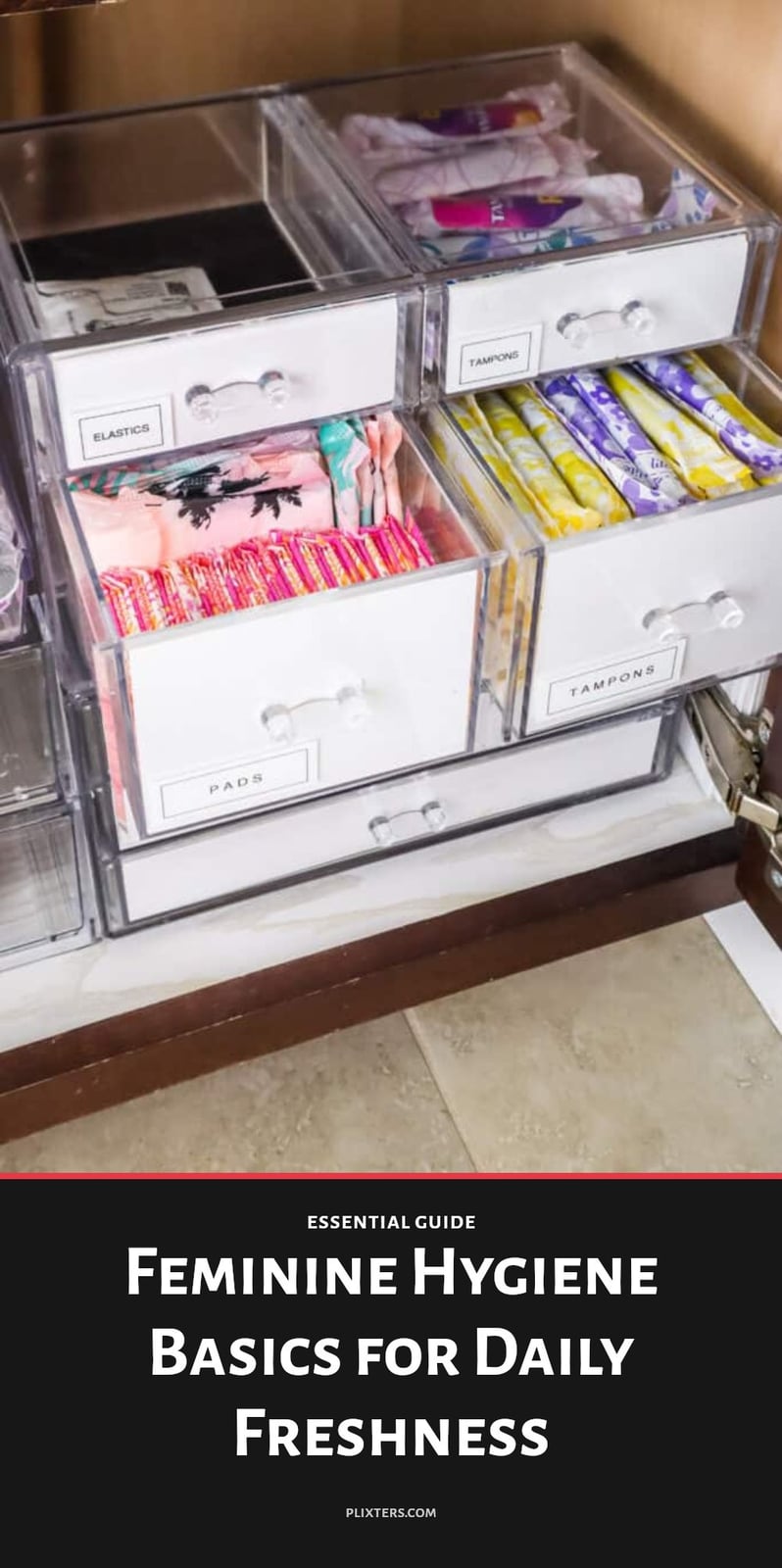
4. Change Tampons and Pads Regularly
Change tampons every 4-8 hours depending on your flow. This prevents odor and reduces the risk of Toxic Shock Syndrome (TSS), a rare but serious condition associated with prolonged tampon use. Pads should be changed every 3-5 hours for optimal hygiene and freshness. If you use a menstrual cup, empty and rinse it according to the manufacturer’s guidelines, typically every 8-12 hours.
5. Shower After Exercise or Sweating
Shower or bathe promptly after exercise or any heavy sweating. Sweat and bacteria left on the skin can create moisture that lingers in the vulvar area, which may contribute to odor and irritation. A quick rinse with warm water is usually enough to maintain freshness after physical activity. No need for soap every time.
6. Stay Hydrated and Eat a Balanced Diet

Drink plenty of water throughout the day to support your body’s overall functions, including healthy mucus membranes. A balanced diet that includes probiotics, such as those found in yogurt, may support a healthy gut microbiome, which can indirectly benefit vaginal health. Good general health helps maintain a balanced vaginal environment.
7. Understand Normal Vaginal Discharge
Some vaginal discharge is normal and healthy. Its appearance and consistency can vary throughout your menstrual cycle: it may be clear, white, or off-white, and can be thin or thick. This discharge is a sign that your vagina is self-cleaning. There’s no need to ‘clean’ it away with harsh products. If you notice a strong or foul odor, itching, or a sudden change in color or amount, consult a healthcare professional.
8. Avoid Douching and Scented Products

Douching is one of the worst things you can do for your vaginal health. It directly disrupts the natural pH balance and washes away the beneficial bacteria (lactobacilli) that keep the vagina healthy. This disruption increases your risk of bacterial vaginosis (BV), yeast infections, and even pelvic inflammatory disease (PID).
The same goes for scented products. Scented soaps, washes, sprays, and wipes contain harsh chemicals that can cause irritation, dryness, and allergic reactions on the sensitive vulvar skin.
- Stick to warm water for external cleaning. The vagina is self-cleaning and does not need internal cleansing or artificial scents to stay fresh.
- If you feel you need a product externally, choose a mild, unscented, pH-balanced cleanser designed for sensitive skin.
9. Don’t Over-Wash or Scrub
When it comes to cleaning your vulva, less is definitely more. Over-washing or aggressively scrubbing the area strips away the natural protective oils that keep the skin healthy and comfortable. This can lead to dryness, irritation, and make the area more susceptible to discomfort and even micro-tears.
Gentle external cleaning once a day with warm water is usually sufficient. If you use a mild soap, use a small amount and rinse thoroughly. Pat the area dry with a clean towel instead of rubbing. Your body’s natural balance does the rest.
10. Be Mindful of Laundry Detergents
Your underwear touches your vulva all day, so what you wash it with matters. Harsh laundry detergents and fabric softeners can leave chemical residues that cause irritation, itching, or contact dermatitis on sensitive skin.
- If you notice irritation, try switching to a hypoallergenic, unscented laundry detergent. Look for labels that say “free and clear.”
- Skip the fabric softener and dryer sheets for your underwear, as they often contain fragrances and oils that can linger on the fabric.
- Rinse thoroughly by running an extra rinse cycle to remove any leftover detergent residue.
11. Avoid Prolonged Wetness
Moisture plus warmth creates the perfect environment for bacteria and yeast to overgrow. That’s why it’s important to change out of wet swimsuits, sweaty workout clothes, or damp underwear as soon as you can. Prolonged exposure to moisture can increase your risk of common vaginal infections like yeast infections.
After swimming or exercising, rinse off quickly if possible and change into clean, dry cotton underwear. If you can’t shower right away, at least change your bottoms to let the area dry out. This simple habit takes seconds but can make a real difference.
When to Consult a Healthcare Professional
Most of the time, your body handles vaginal health on its own. But certain symptoms mean it’s time to see a healthcare professional. Make an appointment if you have persistent itching, burning, or discomfort in the vaginal area. A strong or foul odor, or a significant change in the color, consistency, or amount of your discharge, also warrants a checkup. Pain during urination or intercourse is another clear sign.
- Persistent itching, burning, or discomfort
- Unusual or strong foul odor
- Significant change in discharge
- Pain during urination or intercourse
These symptoms can point to an infection or another condition that needs professional diagnosis. Self-treating with over-the-counter products can sometimes make things worse. A doctor can identify the cause and recommend the right course of action.
Frequently Asked Questions
Is it normal to have vaginal odor?
Yes, a mild, natural odor is completely normal and varies throughout your cycle. Your vagina maintains its own balance, and a slight scent is expected. However, a strong, foul, or fishy odor may signal an infection, especially if accompanied by itching or unusual discharge. If you notice a persistent strong odor, it’s worth a visit to your healthcare provider.
Can diet affect vaginal health?
Diet can play a role. Staying hydrated and eating a balanced diet supports overall health, including mucous membranes. Probiotics, like those in yogurt, may support a healthy gut microbiome, which can indirectly benefit vaginal health. While diet isn’t a cure-all, good general nutrition helps your body maintain its natural defenses.
How often should I change my underwear?
You should change your underwear daily, or more often if it becomes damp or soiled. For example, after exercise or heavy sweating, switch to a fresh pair. Choosing breathable cotton underwear and changing out of wet swimsuits or sweaty clothes promptly helps prevent moisture buildup that can lead to irritation or infections.
What is the difference between vaginal and vulvar cleaning?
The vagina is the internal canal, and it is self-cleaning, so it does not need any internal washing. The vulva is the external area, which you should clean gently with warm water daily. Mild, unscented soap can be used on the vulva if desired, but it’s not necessary. Never insert soap or any product into the vagina.
Are there any natural remedies for vaginal itching or irritation?
For mild irritation, simple measures like rinsing with warm water, wearing cotton underwear, and avoiding scented products may help. However, if itching or irritation persists, it’s important to see a healthcare professional. Natural remedies are not a substitute for medical advice, especially if an infection is present. A doctor can provide an accurate diagnosis and appropriate treatment.
Final Thoughts
For daily freshness, stick with the basics: gentle water cleansing, front-to-back wiping, breathable underwear, and regular changes of menstrual products. These habits support your body’s natural self-cleaning process without disrupting it. Expect immediate comfort and a lower risk of irritation or infection when you keep things simple. If you ever notice persistent symptoms like itching, burning, or a strong odor, don’t hesitate to reach out to a healthcare professional.
This article is for general informational purposes only and is not a substitute for professional medical advice. Always consult a healthcare provider for any persistent symptoms or concerns about your health. Do not ignore professional advice or delay seeking it because of something you read here.