
 Save
If your hair looks greasy by midday no matter what you do, you’re not alone. The fix isn’t washing more often, it’s washing smarter. The real secret is a professional-grade shampoo and a technique that targets your scalp, not your strands. In this article, I’ll walk you through the exact routine that keeps hair fresh for days, plus the common mistakes that are making oiliness worse.
Key Takeaways
- Switch to a professional-grade shampoo that keeps hair clean for at least 3 days.
- Apply shampoo directly to the scalp, not emulsified in your hands.
- Do a second wash with half the amount of shampoo to ensure thorough cleaning.
- Wash only when hair is genuinely oily, not on a fixed schedule.
- Use leave-in conditioner on wet hair, then seal ends with a small amount of hair oil.
10 ideas in this post
- The Secret to Fixing Greasy Hair
- Why Your Hair Gets Greasy So Fast
- Your Greasy Hair Fix Toolkit
- Your Step-by-Step Guide to Washing Greasy Hair Correctly
- Common Greasy Hair Mistakes to Avoid
- Extra Tips for Managing Oily Hair
- Preventing Greasy Hair Between Washes
- When to Talk to a Professional About Greasy Hair
- Frequently Asked Questions
- Final Thoughts
The Secret to Fixing Greasy Hair
The real fix for greasy hair starts with switching to a professional-grade shampoo that cleans thoroughly without leaving any residue. A good one keeps your hair fresh for at least three days. Pair that with proper washing technique: focus the shampoo directly on your scalp, not the lengths, and wash only when your hair is actually oily, not on a fixed schedule. After washing, lock in moisture with a lightweight leave-in conditioner on wet hair and seal the ends with a tiny drop of hair oil. That balance keeps your hair hydrated without adding greasiness.
Why Your Hair Gets Greasy So Fast
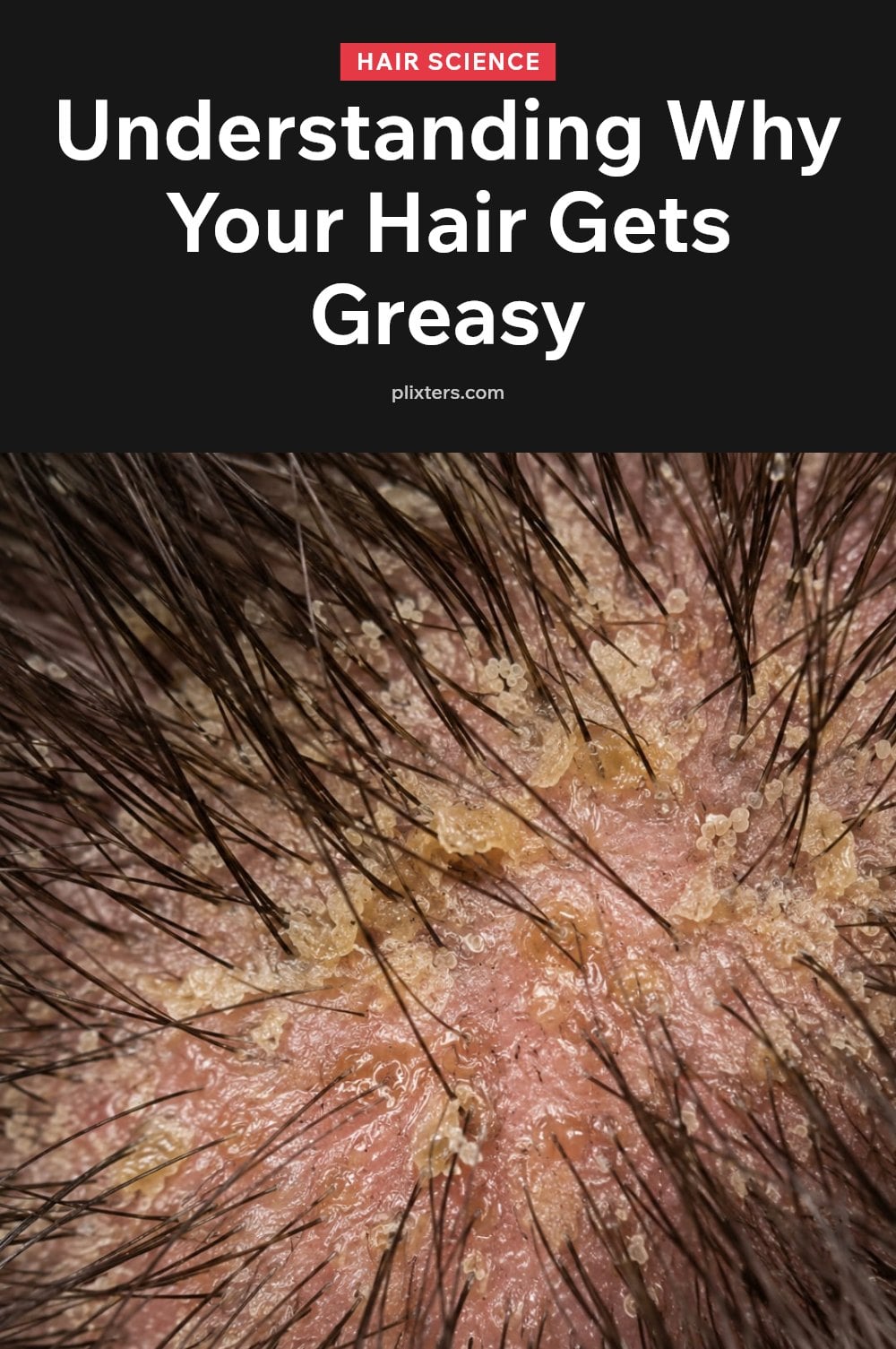
Your scalp has sebaceous glands that produce sebum, the natural oil that keeps your hair moisturized. When those glands are overactive, they pump out too much sebum, leaving your hair greasy within hours. Several factors can kick those glands into high gear:
- Hormones and genetics: Fluctuations from your cycle, pregnancy, or your DNA can ramp up oil production.
- Diet and stress: What you eat and how stressed you are can influence sebum output.
- Overwashing: Washing too often strips your scalp of its natural oils. In response, your glands may produce even more sebum, creating a vicious cycle.
- Hot water and heavy products: Hot water stimulates the glands, and heavy silicones or oils in products can build up, making greasiness worse.
Your Greasy Hair Fix Toolkit

To tackle greasy hair, stock your bathroom with the right tools. Each one plays a specific role:
- Professional-grade shampoo: Look for one that cleans deeply without residue, keeping your hair clean for at least three days.
- Lightweight conditioner: Apply only to your mid-lengths and ends. Never put it on your scalp.
- Leave-in conditioner spray: Essential for locking in moisture after every wash. Use it on wet hair only.
- Hair oil: A tiny amount, sparingly applied to your very ends, seals and polishes without weighing hair down.
- Hair brush: Keep it clean. Old oils and product buildup on the bristles transfer straight back to your fresh hair.
- Hair ties or clips: Use them to keep hair off your face and neck between washes, reducing oil transfer.
Your Step-by-Step Guide to Washing Greasy Hair Correctly

Follow this method from a professional stylist to get your hair clean and keep it that way longer.
- Choose your shampoo: Pick a professional-grade shampoo that keeps your hair clean for at least three days. It should remove dirt and buildup without leaving residue.
- Apply directly to scalp: Start at the back of your head, then move to the top, sides, and nape of your neck. Do not emulsify it in your hands first.
- Work it in firmly: Use your fingertips to press the shampoo into your scalp. Make sure it makes contact with every area. Don’t just swirl it on the top layer.
- Perform a second wash: Use half the amount of shampoo you used the first time. If you get a lot of lather, your hair is clean. If not, add a little more until it lathers well.
- Adjust your schedule: Wash only when your hair is actually dirty and oily, not on a fixed daily routine. A good professional shampoo lets you go longer between washes.
- Apply leave-in conditioner: On wet hair, spray a small amount, adjust based on your hair type and length. Fine hair needs less, coarse or long hair needs more. Brush it through with a wet brush.
- Seal your ends with oil: Use a tiny amount of hair oil sparingly on your ends. Leave-in conditioner doesn’t fully protect this area, so the oil seals and polishes them.
If you learn better by watching, this 14-minute video from Blowout Professor shows every step. The how-to part starts at 1:27.
Common Greasy Hair Mistakes to Avoid
Even with the right shampoo, a few common mistakes can keep your hair greasy. Here’s what to avoid:
- Washing on a fixed schedule: Only wash when your hair is genuinely dirty and oily, not just because it’s ‘wash day.’ A professional shampoo lets you go longer between washes.
- Emulsifying shampoo in your hands: This prevents the shampoo from reaching your scalp where the oil and buildup are. Apply it directly to your scalp.
- Swirling shampoo on the top layer: You need to work the shampoo firmly into your scalp with your fingertips, making sure it contacts all areas.
- Using too much shampoo on the second wash: Use only half the amount of the first wash. Too much can unnecessarily dry out your hair.
- Believing conditioner alone solves dryness: Conditioner helps, but true moisture retention involves using leave-in conditioner on wet hair to create a barrier.
- Using cheap, watered-down shampoos: These often don’t remove oil effectively and can leave residue, making your hair greasy faster.
Extra Tips for Managing Oily Hair
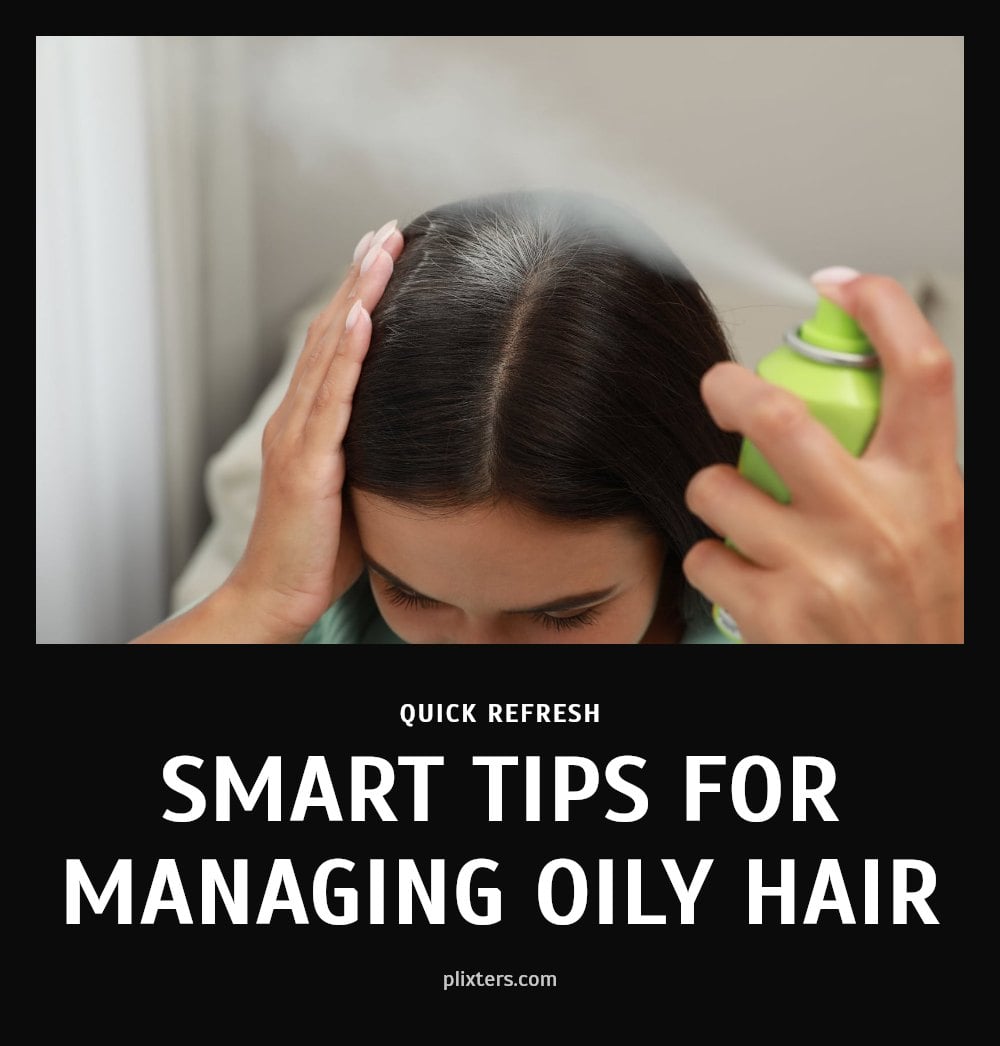
These extra habits help you manage oil between washes and keep your hair fresher longer.
- Clean your brushes regularly: Old oils, product buildup, and dirt on your brush transfer back to clean hair, making it greasy faster. My tip: Wash your brushes with shampoo and warm water weekly.
- Use dry shampoo strategically: Between washes, dry shampoo absorbs excess oil and adds volume. Apply it to your roots before your hair gets too greasy.
- Avoid touching your hair excessively: Every touch transfers oils and dirt from your hands to your strands, contributing to greasiness.
- Rinse with cool or lukewarm water: While not a primary fix, cooler water helps close hair cuticles and may reduce oiliness.
- Choose lightweight, oil-free products: Heavy styling products, especially those rich in silicones or oils, weigh hair down and make it look greasier faster. Opt for lighter formulas.
Preventing Greasy Hair Between Washes
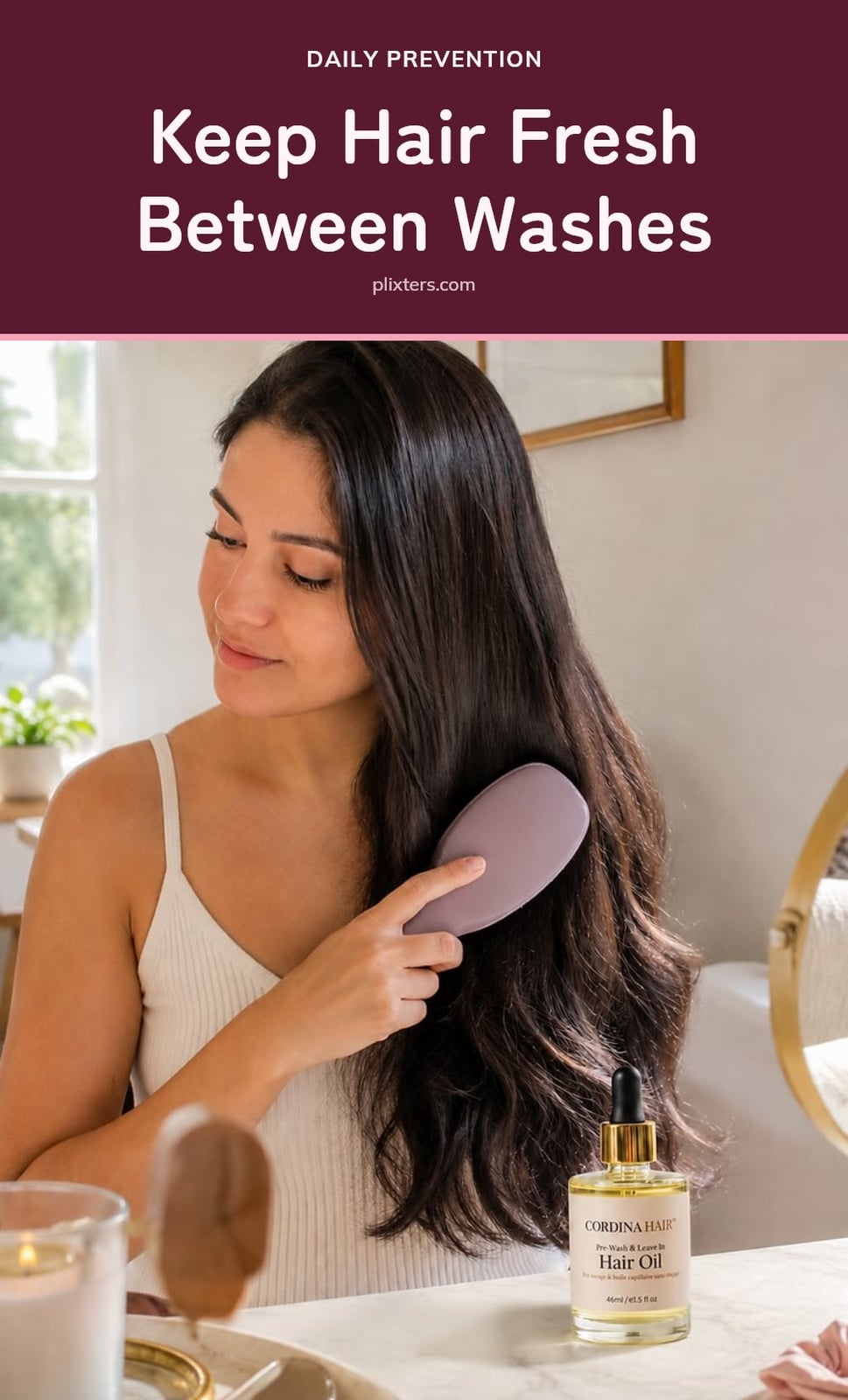
Long-term habits keep your scalp balanced and your hair fresh between washes.
- Stick to an oil-based routine: Wash based on your hair’s actual oiliness, not a rigid schedule, especially after finding your ‘shampoo soulmate.’
- Rinse thoroughly: Ensure every trace of shampoo and conditioner is gone after each wash. Residue builds up and adds to greasiness.
- Clean your accessories: Brushes, combs, and hair ties collect oils and product. Wash them regularly to avoid re-depositing oils onto clean hair.
- Watch your diet and stress: Both can influence sebum production. A balanced lifestyle supports overall scalp health.
- Use a clarifying shampoo occasionally: Once every few weeks, it removes stubborn buildup and excess oil, giving your scalp a fresh start.
When to Talk to a Professional About Greasy Hair
If you’ve tried the right products and techniques but still struggle, it may be time to see a professional.
- Persistent irritation: If you have scalp redness, excessive itching, or discomfort alongside greasiness, consult a dermatologist.
- No improvement: If your routine and product adjustments haven’t made a noticeable difference after several weeks, a stylist can offer personalized recommendations.
- Underlying conditions: If you suspect hormonal imbalances or other health issues are causing your oily scalp, a doctor can provide guidance and treatment options.
Frequently Asked Questions
Why does my hair get greasy so quickly?
Your scalp’s sebaceous glands produce sebum, a natural oil. When they’re overactive, they release too much, making hair greasy within hours. Hormones, genetics, diet, and stress can all trigger this. Using heavy products or washing with hot water can also stimulate more oil production.
Can diet affect greasy hair?
Yes, diet can influence sebum production. While specific foods aren’t proven to cause greasiness, a balanced diet supports overall scalp health. Some people find that reducing sugary or fatty foods helps, but it’s not a guaranteed fix. Focus on consistent hair care habits first.
Is it bad to use dry shampoo every day?
Daily use of dry shampoo can lead to buildup on the scalp, which may clog pores and worsen oiliness over time. It’s best used as a temporary fix between washes, not a replacement for washing. If you rely on it daily, consider adjusting your washing routine instead.
How often should I clean my hair brush?
Clean your brush at least once a week to remove oils, product buildup, and dirt that transfer back to clean hair. Use a gentle shampoo and warm water, then let it air dry. Regular cleaning helps your brush do its job without making hair greasier.
Does stress make hair greasier?
Yes, stress can influence sebum production. When you’re stressed, your body releases hormones that may stimulate your sebaceous glands, leading to more oil. Managing stress through relaxation techniques or exercise might help, but it’s just one factor in overall oil control.
Final Thoughts
Start by upgrading your shampoo to a professional-grade formula and follow the two-wash technique. Give your scalp a few days to adjust, and you’ll likely notice your hair staying fresher longer. Remember, results come with consistency, so stick with the routine for at least a few weeks before judging it. Your hair will thank you.
This article is for general informational purposes only and is not a substitute for professional medical or hair care advice. If you have persistent scalp irritation, redness, or other concerns, consult a dermatologist or licensed hair care professional.




