
 Save
Feeling stuck or unfulfilled is something many of us face at some point. Personal growth is the key to moving forward, but it doesn’t have to be overwhelming. This article covers actionable tips to help you cultivate self-awareness, set meaningful goals, and embrace challenges, all while staying kind to yourself along the way.
Key Takeaways
- Personal growth is a lifelong journey, not a destination with a fixed timeline.
- Start by cultivating self-awareness through daily reflection or journaling.
- Set SMART goals to give your growth direction and track progress.
- Embrace a growth mindset to see challenges as opportunities to learn.
- Prioritize self-compassion and celebrate small victories along the way.
15 ideas in this post
- What is Personal Growth and Why Does it Matter?
- 1. Cultivate Self-Awareness
- 2. Set SMART Goals
- 3. Embrace a Growth Mindset
- 4. Practice Mindfulness and Meditation
- 5. Learn New Skills or Hobbies
- 6. Nurture Healthy Relationships
- 7. Prioritize Physical Well-being
- 8. Step Out of Your Comfort Zone
- 9. Seek Constructive Feedback
- 10. Practice Gratitude Daily
- 11. Embrace Self-Compassion
- Common Personal Growth Mistakes to Avoid
- Frequently Asked Questions
- Final Thoughts
What is Personal Growth and Why Does it Matter?
Personal growth is a continuous journey of self-improvement that touches every part of your life. It means developing new skills, deepening self-awareness, and boosting your overall well-being, not just advancing your career. This path includes emotional, social, and spiritual evolution, which together lead to a more fulfilling and meaningful existence.
Because it’s a lifelong process rather than a final destination, there is always room to learn, adapt, and become a better version of yourself. Every step you take, no matter how small, counts toward the person you want to be.
1. Cultivate Self-Awareness
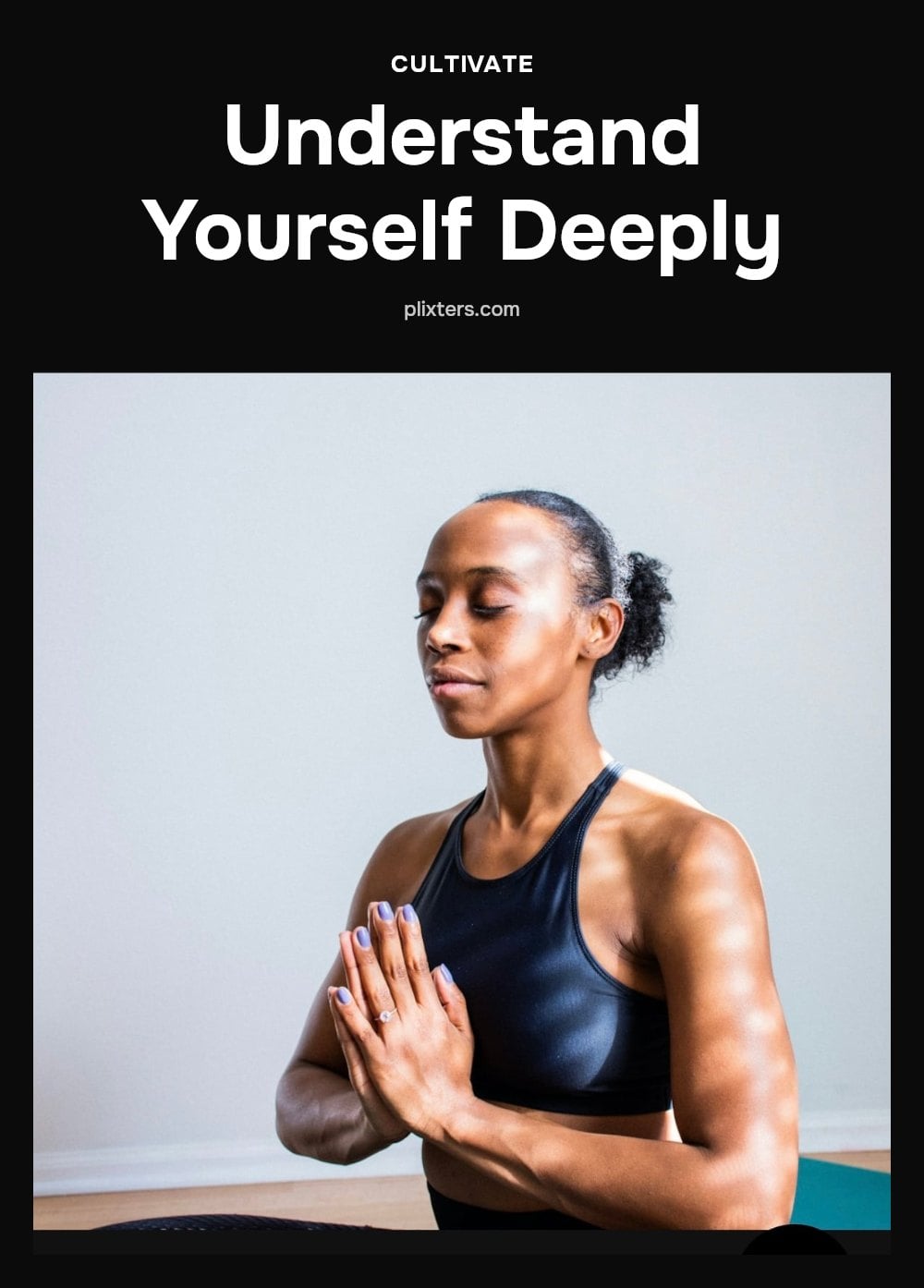
Understanding your own thoughts, feelings, and behaviors is the foundation of personal growth. Without this self-awareness, it’s hard to know what to change or why you react the way you do.
My tip: take a few minutes each day for self-reflection. Ask yourself, “Why did I react that way?” or “What am I truly feeling right now?” Journaling is an excellent tool for this practice. It helps you track patterns and gain insight into your inner world, making it easier to spot habits that serve you and those that don’t.
2. Set SMART Goals

Setting SMART goals gives your growth journey direction. SMART stands for Specific, Measurable, Achievable, Relevant, and Time-bound. These criteria turn vague wishes into concrete plans.
Instead of “I want to be happier,” try “I will meditate for 10 minutes daily for the next month to improve my mood.” This goal is specific, measurable, achievable, relevant, and time-bound. It makes your progress trackable and keeps you motivated because you can see exactly what you’ve accomplished.
3. Embrace a Growth Mindset
Developing a growth mindset means believing your abilities and intelligence can grow through dedication and hard work. This contrasts with a fixed mindset, where you see your traits as static and unchangeable.
When faced with a challenge, instead of thinking “I can’t do this,” try “I can learn how to do this.” This simple shift in perspective is crucial for embracing challenges and learning from failures, rather than being defeated by them. It turns obstacles into opportunities for development.
4. Practice Mindfulness and Meditation

Mindfulness and meditation can significantly enhance your self-awareness and ability to regulate emotions. Even 5-10 minutes a day can help you stay present and reduce stress.
My tip: There are many free apps and guided meditations that can help you get started if you’re new to it. I usually set a timer for 5 minutes and focus on my breath, no special equipment needed.
5. Learn New Skills or Hobbies
Engaging in new learning stimulates your brain, boosts self-confidence, and opens up new perspectives. It doesn’t have to be career-related; picking up a new language, learning to paint, or trying a new sport all count.
The act of mastering something new, even small, can be incredibly empowering. I’ve found that dedicating 15 minutes a day to a hobby I’ve never tried before builds momentum and curiosity.
6. Nurture Healthy Relationships
Your social circle plays a huge role in your emotional and social growth. Surround yourself with people who uplift, challenge, and support you.
Building and maintaining these healthy connections can provide perspective, comfort, and encouragement on your journey. I make it a point to regularly check in with a few close friends, quality over quantity matters here.
7. Prioritize Physical Well-being
Your mental and emotional well-being are deeply connected to your physical health. Regular physical activity, a balanced diet, and adequate sleep are non-negotiables for sustained personal growth.
My tip: Start small. Even a 20-minute walk daily can make a noticeable difference in your mood and energy levels. I pair my walk with a podcast or audiobook to double the benefit.
8. Step Out of Your Comfort Zone
True personal development often happens when you push past your perceived limits. Your brain learns that discomfort is temporary and that you can handle more than you think. Speaking up in a meeting, trying a new activity alone, or traveling solo are examples that build resilience and confidence.
It will feel uncomfortable at first. That is a sign of growth, not failure. The confidence and new skills you gain on the other side are always worth the initial unease.
9. Seek Constructive Feedback
Asking trusted friends, mentors, or colleagues for honest feedback can reveal blind spots you cannot see on your own. Their perspective highlights areas for improvement that your own reflection might miss. It takes courage to ask, but the insights are invaluable.
Listen openly, without getting defensive. Thank them for their honesty and reflect on what they said later. This external view is one of the fastest ways to accelerate your growth.
10. Practice Gratitude Daily
Shifting your focus to what you are grateful for can profoundly change your outlook and foster a more positive mindset. Gratitude helps rewire your brain to notice the good, even when challenges arise.
Tip: Keep a gratitude journal or simply take a moment each morning or evening to list three things you are thankful for. This simple practice takes one minute but can shift your entire day.
11. Embrace Self-Compassion
Personal growth is not about perfection; it is about progress. Be kind to yourself through setbacks and struggles. Treat yourself with the same understanding and encouragement you would offer a close friend.
Acknowledging your efforts and celebrating small victories is just as important as setting big goals. Growth is not linear, and self-compassion keeps you moving forward without burning out or giving up.
Common Personal Growth Mistakes to Avoid
Comparing Your Journey to Others: Your path is unique. Focus on your own progress and celebrate your own milestones without measuring yourself against someone else’s highlight reel. Social media shows only the polished moments, not the struggles behind them.
Expecting Instant Results: Personal growth is a marathon, not a sprint. It’s a gradual process with ups and downs, so be patient and persistent. Small consistent actions compound over months and years.
Neglecting Rest and Self-Care: Burnout is counterproductive. Remember that rest is part of the process, allowing for integration and rejuvenation. Your brain consolidates learning during downtime, not during constant hustle.
Trying to Change Too Much at Once: Overwhelm can lead to giving up. Pick one or two areas to focus on at a time for sustainable change. Once those become habits, add the next goal.
Ignoring Your Emotions: Don’t suppress feelings like frustration or fear. Acknowledge and process them constructively; they often hold valuable lessons about what needs adjusting. Journaling or talking it through can help you decode the message.
Frequently Asked Questions
How long does personal growth take?
Personal growth is a continuous, lifelong process with no fixed timeline. You may see small progress in weeks or months, but deeper changes often take years. The key is to focus on your own journey and celebrate incremental improvements rather than rushing to a finish line.
What is the first step to personal growth?
The first step is cultivating self-awareness. Take a few minutes each day to reflect on your thoughts, feelings, and behaviors. Ask yourself why you react a certain way in situations. This foundational understanding helps you identify what you truly want to change or improve.
Can personal growth happen at any age?
Yes, personal growth can happen at any age. It is never too late to learn new skills, shift your mindset, or improve your relationships. Many people find that life transitions in their 30s, 40s, or beyond spark significant growth. Your brain remains capable of change throughout life.
How do I know if I’m growing personally?
Signs of personal growth include feeling more self-aware, handling challenges with greater resilience, and noticing that you react less impulsively. You may also find that you set and achieve goals more consistently, or that your relationships feel more supportive. Tracking progress in a journal can help you see these shifts.
Is personal growth always easy?
No, personal growth is not always easy. It often involves stepping out of your comfort zone, facing fears, and experiencing discomfort. Setbacks and plateaus are normal parts of the process. The key is to practice self-compassion and view challenges as opportunities to learn rather than failures.
Final Thoughts
My tip for you is to pick just one tip from this list to focus on for the next month. Personal growth happens in small, consistent steps, not overnight transformations. You will likely notice subtle shifts in your mindset and habits within a few weeks if you stick with it. Trust the process and be patient with yourself.
This article provides general information for personal development and is not a substitute for professional advice. If you experience persistent feelings of anxiety, depression, or overwhelm, please consult a mental health professional. Always seek guidance from a qualified expert for serious concerns.




