
 Save
Starting to cycle can feel like a lot to figure out, but the basics are simpler than you might think. You want to be comfortable, stay safe, and actually enjoy the ride, not get sidelined by a sore back or a flat tire. This article covers the key steps, from getting your bike fit right to building your stamina gradually, so you can head out with confidence.
Key Takeaways
- Wear a properly fitted helmet on every ride, no matter how short.
- Set your saddle height so your knee bends 25-35 degrees at the bottom of the pedal stroke.
- Start with 20-30 minute flat rides, 3-5 times a week, and increase by 10-15% weekly.
- Use hand signals for turns and stops, and always ride with traffic.
- Stay hydrated and check tire pressure and brakes before each ride.
15 ideas in this post
- Start Your Cycling Journey with Confidence
- 1. Get the Right Bike Fit
- 2. Always Wear a Helmet
- 3. Start Short and Flat
- 4. Stay Hydrated
- 5. Learn Basic Hand Signals
- 6. Be Visible to Others
- 7. Check Your Bike Regularly
- 8. Listen to Your Body
- 9. Maintain a Steady Cadence
- 10. Stretch After Your Ride
- 11. Consider Padded Shorts
- Common Cycling Mistakes to Avoid
- Frequently Asked Questions
- Final Thoughts
Start Your Cycling Journey with Confidence
Cycling is a fantastic low-impact aerobic exercise that’s gentle on your joints, making it perfect for building fitness without the pounding of running. For beginners, comfort and confidence start with a properly fitted bike, essential safety gear like a helmet, and gradually increasing your ride duration. My tip: Focus on enjoying the ride and listening to your body to build stamina safely.
1. Get the Right Bike Fit
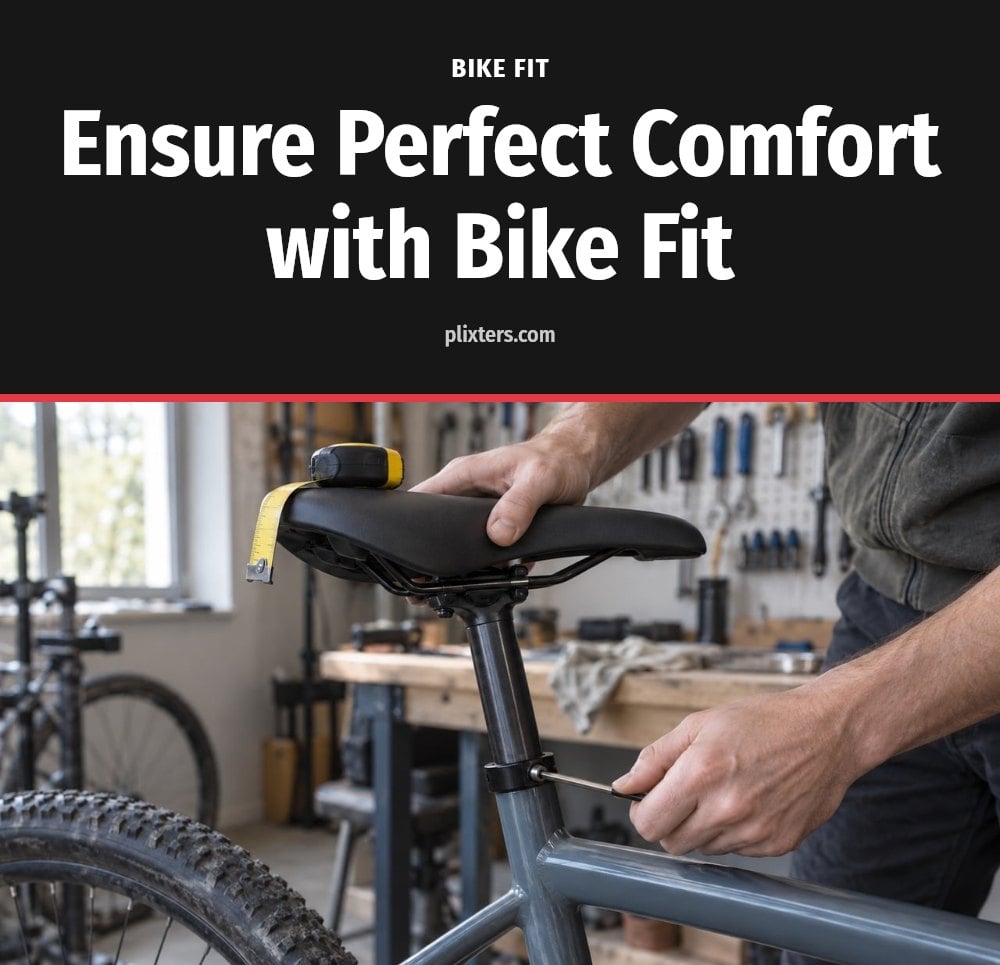
Proper bike fit is crucial for comfort, efficiency, and injury prevention. This includes saddle height, handlebar reach, and frame size. My tip: The ideal saddle height allows for a slight bend in your knee (about 25-35 degrees) at the bottom of the pedal stroke. Many bike shops offer basic bike fitting services, which can be invaluable for beginners.
- Your arms should have a slight bend when holding the handlebars.
- If you feel pain in your knees or back, revisit your fit.
2. Always Wear a Helmet
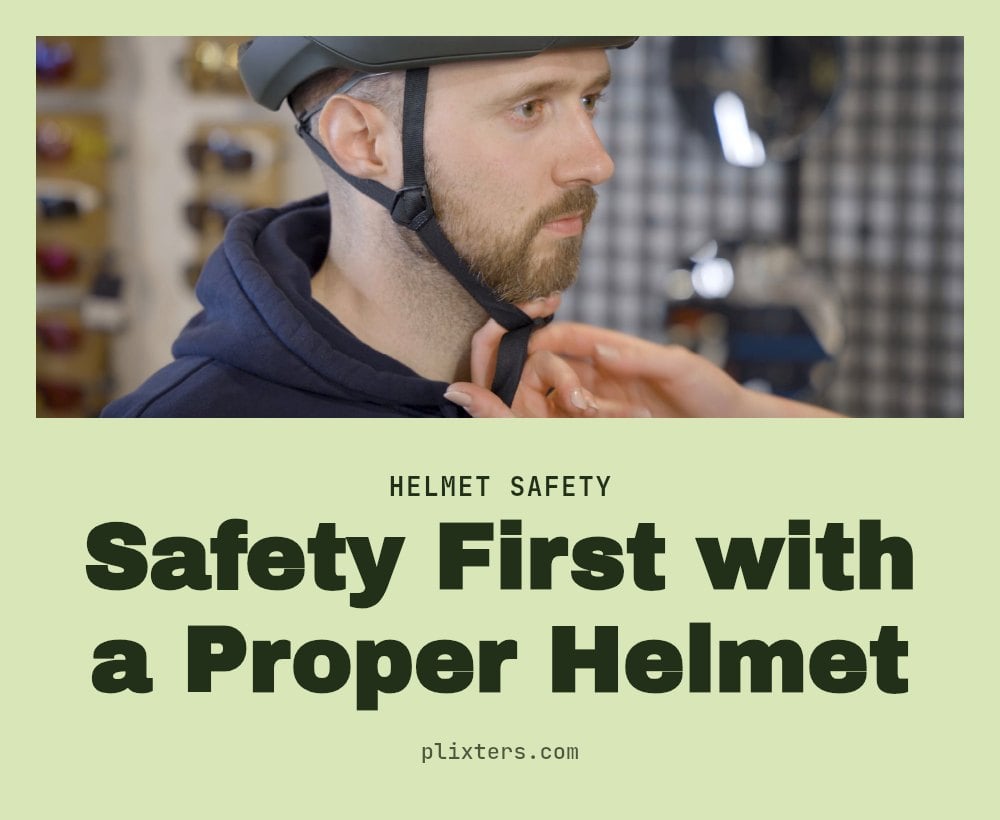
A helmet is the most important piece of safety equipment and should always be worn, regardless of ride distance or location. Tip: Ensure your helmet fits snugly and comfortably, covering your forehead without obstructing your vision. Don’t ride without one!
- Adjust the straps so they form a V under your ears.
- Replace your helmet after any significant impact.
3. Start Short and Flat
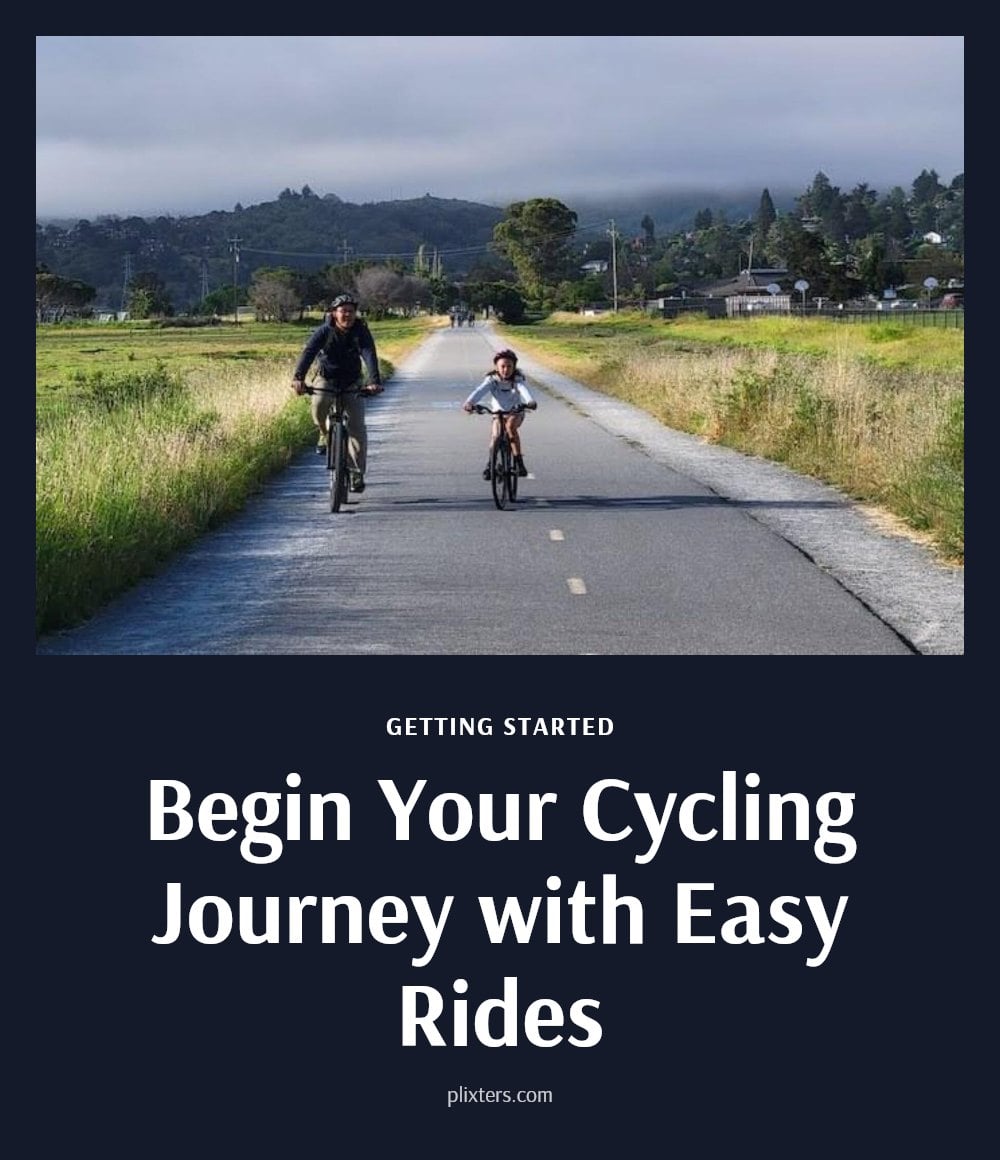
Beginning with shorter, flatter rides helps build stamina and confidence before tackling longer distances or hills. Good to know: Aim for 20-30 minute rides, 3-5 times a week initially. Gradually increase duration by 10-15% each week as you feel more comfortable and your fitness improves. Don’t attempt strenuous rides too soon.
- Choose a flat, quiet route for your first few rides.
- Keep a steady pace that lets you hold a conversation.
4. Stay Hydrated
Stay Hydrated: Hydration is essential, especially on longer rides. Carry water and drink regularly, even if you don’t feel thirsty. Pro move: Drink water before, during, and after your ride. Dehydration can quickly sap your energy and make riding uncomfortable.
5. Learn Basic Hand Signals
Learn Basic Hand Signals: Using hand signals for turning and stopping is crucial for communicating with other road users and ensuring your safety. Quick tip: Practice these signals in a safe, quiet area until they feel natural. It’s about being predictable to drivers and pedestrians.
6. Be Visible to Others
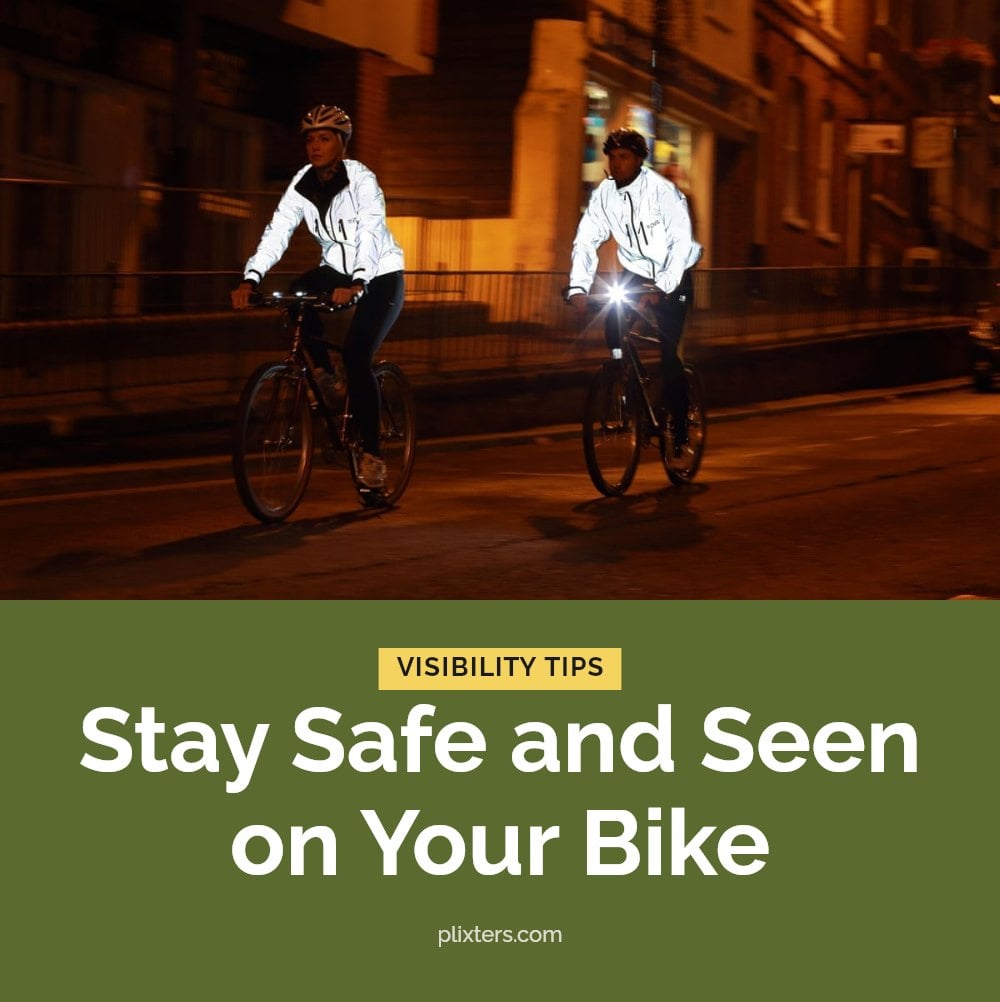
Be Visible to Others: Wearing bright clothing, especially during dawn, dusk, or night, significantly increases your visibility to drivers. Tip: Always use front and rear lights when riding in low light conditions or at night. Reflective gear is a bonus for added safety.
7. Check Your Bike Regularly
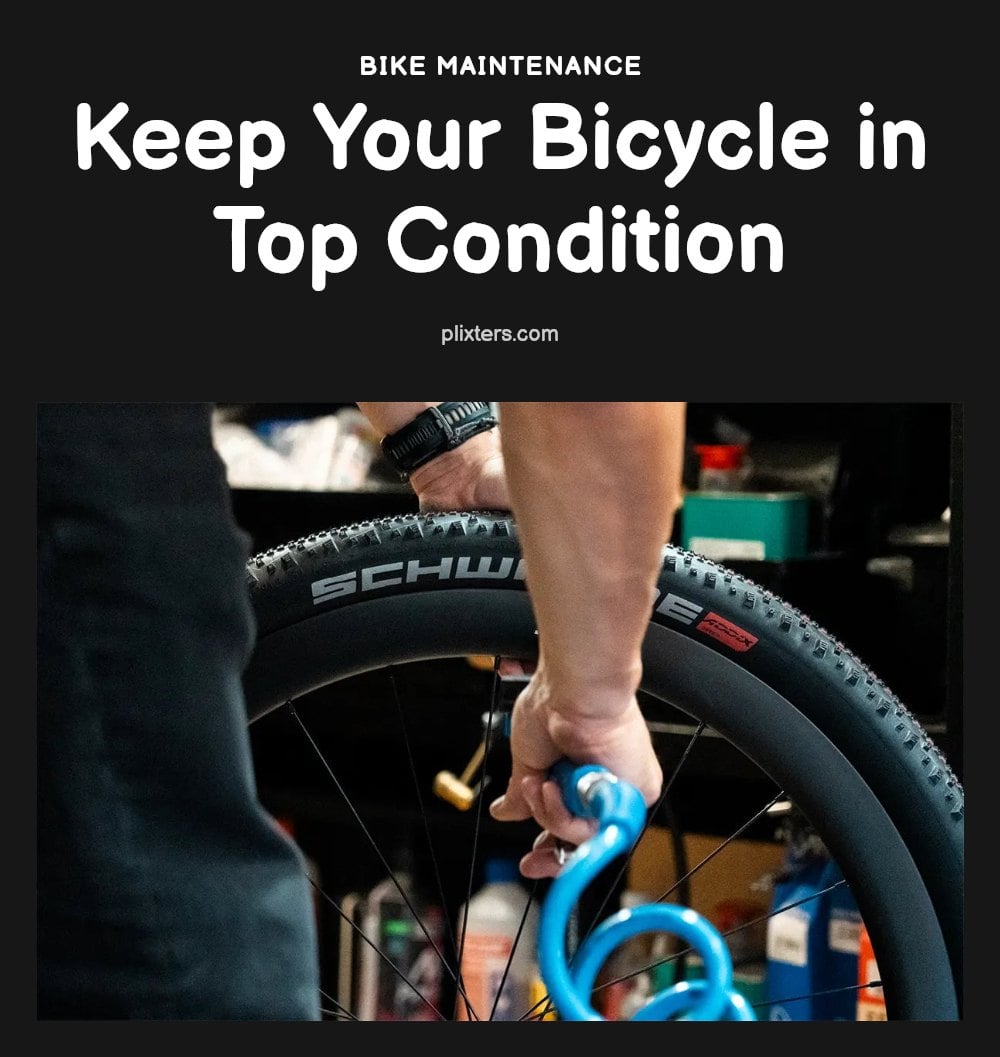
Check Your Bike Regularly: Before each ride, quickly check your tire pressure and brakes. Ensure your tires are properly inflated for a smoother, safer ride. Good to know: Learning basic bike maintenance, such as how to inflate tires and fix a flat, can be very helpful for independent riding and prevents unexpected issues.
8. Listen to Your Body
Listen to your body: Cycling is low-impact, but your muscles and joints still need recovery. Take rest days when you feel sore or fatigued to prevent overuse injuries. My tip: If you feel sharp pain, numbness, or tingling, stop riding and see a healthcare professional. Persistent discomfort often points to a bike fit issue, not just normal soreness.
9. Maintain a Steady Cadence
Maintain a steady cadence: Pedal at 60 to 90 revolutions per minute (RPM) for efficient riding. This spreads the effort across your muscles instead of straining your knees. My tip: Shift to an easier gear to keep your legs spinning smoothly rather than pushing a hard gear slowly. Your knees will thank you.
10. Stretch After Your Ride
Stretch after your ride: A few minutes of gentle stretching targets the hamstrings, quadriceps, and glutes. This can reduce next-day soreness and keep you flexible for future rides. My tip: Hold each stretch for 20-30 seconds without bouncing. Focus on the major leg muscles you just worked.
11. Consider Padded Shorts
Consider padded shorts: Cycling shorts with built-in padding reduce friction and cushion your sit bones, which makes longer rides far more comfortable. For rides over 30 minutes, the extra layer can mean the difference between enjoying the route and counting down the miles. My tip: choose a pair with a snug but not tight fit, and wear them without underwear to let the padding work as designed. A good pair can help you stay in the saddle longer and focus on the ride itself.
Common Cycling Mistakes to Avoid
Even with the right gear and good intentions, a few common mistakes can turn a pleasant ride into a frustrating one. Here’s what to watch for.
- Riding an incorrectly sized bike: A frame that’s too big or too small leads to discomfort and can cause injury. Get sized at a shop or use an online fit calculator before you commit.
- Wearing a helmet improperly: It should sit snug and level on your head, not tilted back or loose. A loose helmet won’t protect you in a fall.
- Starting too long or too hard: Jumping into a 20-mile ride on day one invites burnout and soreness. Build endurance gradually, adding 10-15% per week.
- Skipping basic maintenance: Check tire pressure and brakes before every ride. A flat tire or failed brake can ruin your day and your safety.
- Not hydrating: Even if you don’t feel thirsty, carry water and sip regularly. Dehydration drains energy and can cause dizziness.
- Riding without lights or reflective gear: In low light, visibility is everything. Use front and rear lights even at dusk, and add reflective gear for extra safety.
- Riding the wrong way in traffic: Always ride with the flow of traffic and obey road signs and signals. It’s both safer and legal.
Frequently Asked Questions
How often should a beginner cyclist ride?
Aim for 20-30 minute rides, 3 to 5 times a week, to start. This gives your body time to adapt while building a routine. As you get more comfortable, you can gradually increase duration by 10-15% each week, but always listen to your body and take a rest day if you feel sore or fatigued.
What should I wear for cycling?
Wear bright, visible clothing, especially in low light, and avoid loose items that could catch in the chain or wheels. Padded cycling shorts can reduce friction and cushion your sit bones, making rides over 30 minutes much more comfortable. Gloves and proper shoes are optional but can help with grip and comfort.
How do I prevent saddle discomfort?
Saddle discomfort is common for beginners, but you can ease it by ensuring your saddle height is set correctly, so your knee has a slight bend at the bottom of the pedal stroke. Padded shorts add a layer of cushioning, and gradually increasing ride time gives your body time to adapt. If pain persists or becomes sharp, consult a professional for a bike fit.
Is cycling good for weight loss?
Cycling can be an effective part of a weight loss plan because it’s a low-impact aerobic exercise that burns calories and builds fitness. However, results depend on factors like intensity, duration, and your overall diet. Consistency matters more than occasional long rides, so aim for regular sessions you can sustain.
Can I listen to music while cycling?
It’s safer to avoid headphones or keep the volume low, as they can block out traffic sounds and emergency vehicles. If you do listen, consider using just one earbud or a bone-conduction headset so you stay aware of your surroundings. Many riders prefer to ride without audio to stay fully alert, especially in traffic.
Final Thoughts
Start with a properly fitted bike and a helmet, then keep your first few rides short and flat. Aim for 20-30 minutes, three to five times a week, and add a little distance or elevation each week, but only as your body allows. Expect some muscle soreness at first, but it should fade as you build a routine. If sharp pain, numbness, or tingling shows up, stop and check in with a healthcare professional. The key is to make cycling a regular, enjoyable habit, not a grueling test.
This article provides general information for beginner cyclists and is not a substitute for professional advice. Always wear a helmet and follow traffic laws. If you experience pain, numbness, or other concerning symptoms, stop riding and consult a healthcare professional or a certified bike fitter.




