 Save
Starting a new fitness routine can feel like a big step, but a treadmill offers a simple, controlled way to ease into cardio. Whether you’re walking or trying light jogging, the key is to begin at a comfortable pace and build up gradually. This article covers the essential steps and a beginner-friendly plan to help you get started safely and effectively.
Key Takeaways
- Start with a 5-10 minute warm-up at 1.5-2.0 mph before increasing intensity.
- Maintain good posture: look forward, shoulders back, and avoid gripping the handrails tightly.
- Always use the safety clip attached to your clothing for emergency stops.
- Gradually increase speed or incline over weeks, not all at once.
- Aim for 20-30 minute sessions, 3-4 times per week, and include rest days.
12 ideas in this post
- 1. Warm-Up Walk
- 2. Brisk Walking Pace
- 3. Incline Walking Challenge
- 4. Gentle Jogging Intervals
- 5. Steady State Cardio
- 6. Cool-Down Walk
- 7. Post-Workout Stretching
- 8. Hydration and Recovery
- Your Weekly Beginner Treadmill Plan
- Common Treadmill Mistakes and How to Fix Them
- Frequently Asked Questions
- Final Thoughts
1. Warm-Up Walk
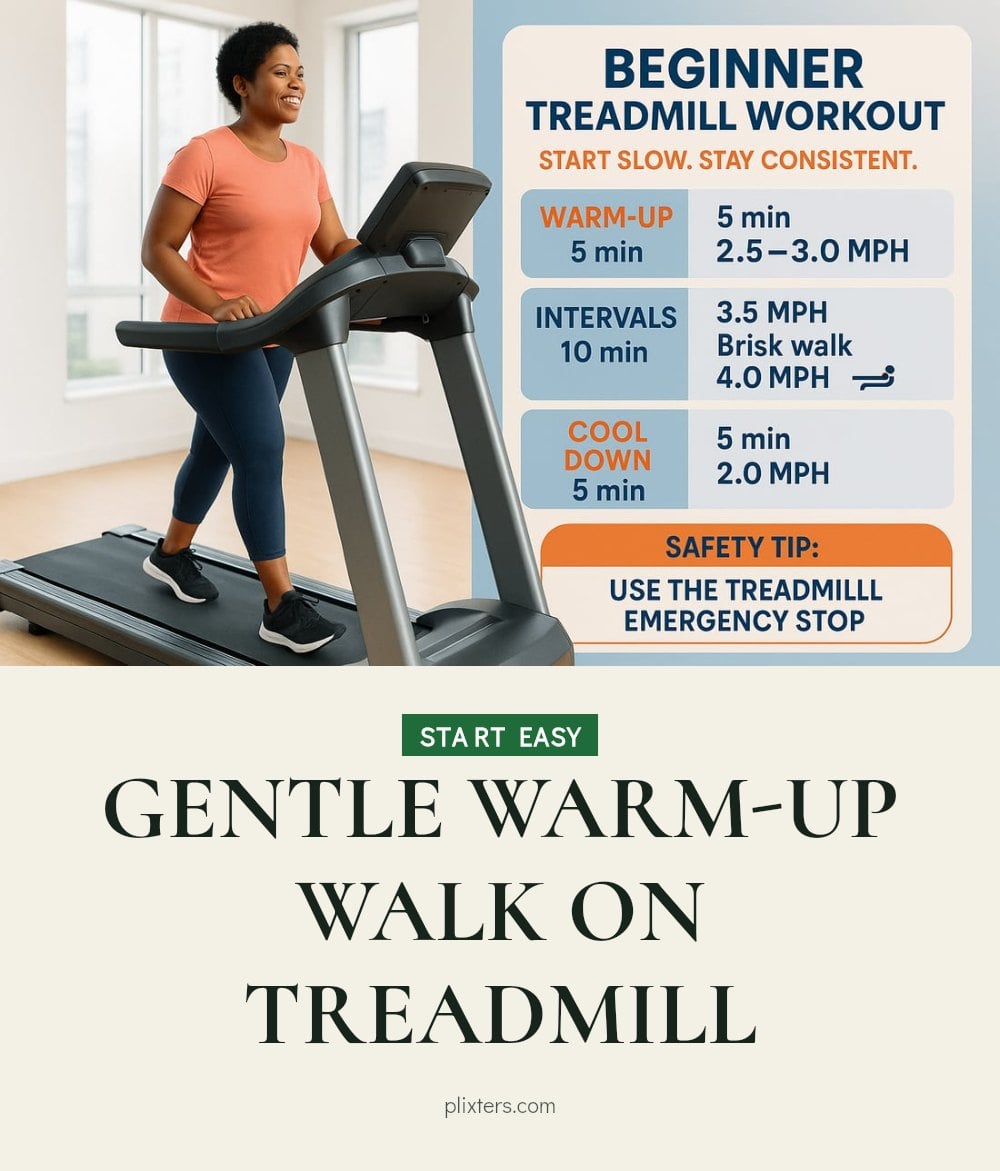
Set the treadmill to a very slow walking pace, around 1.5 to 2.0 mph. Walk at this easy speed for 5 to 10 minutes to gently raise your heart rate and wake up your muscles. Keep your stride natural and relaxed, letting your arms swing softly at your sides.
- Time: 5-10 minutes
- Form cue: Look straight ahead, not down at your feet, and keep your shoulders loose.
- Make it easier or harder: Stay at 1.5 mph if you feel stiff; increase to 2.0 mph only when your body feels ready.
2. Brisk Walking Pace
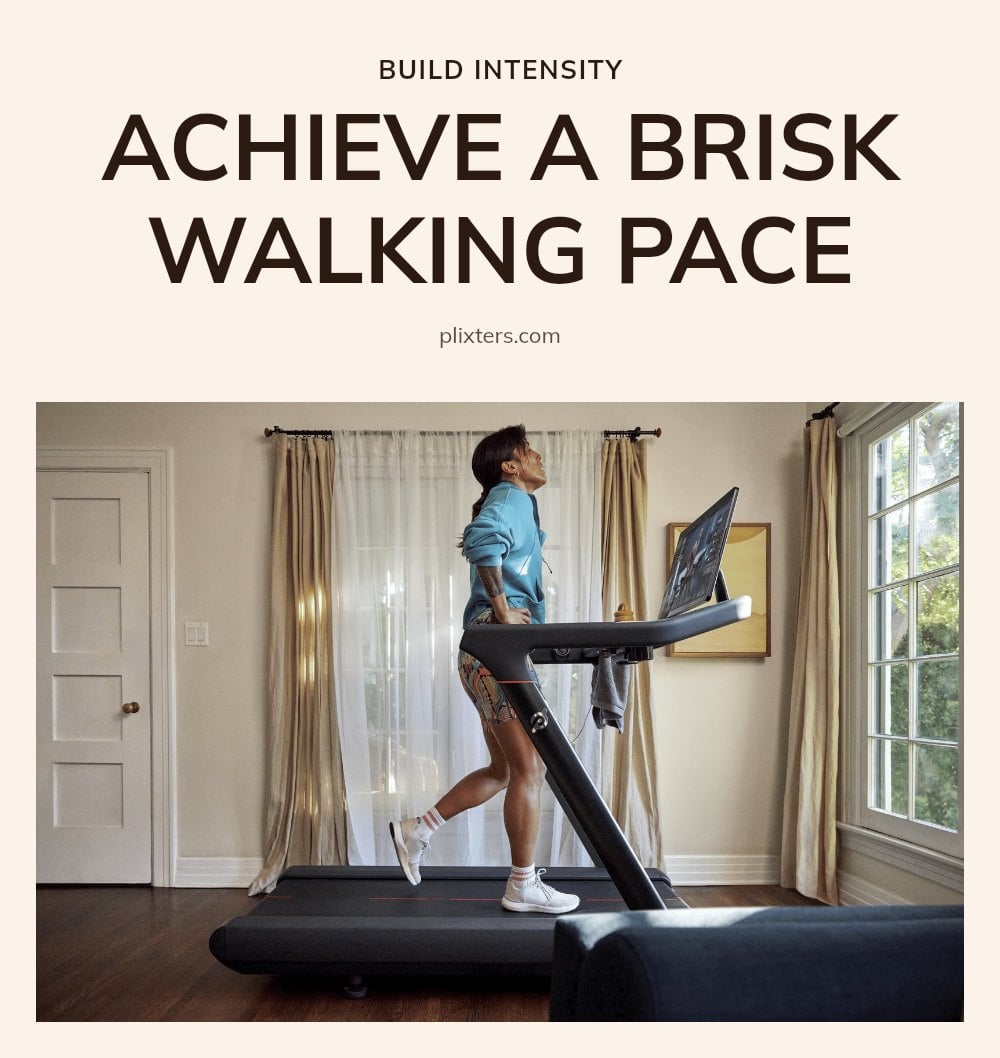
Increase your speed to a brisk walking pace, about 2.5 to 3.5 mph. You should be able to talk but feel slightly winded. Keep this pace for 10 to 15 minutes, with your core engaged and shoulders relaxed while looking forward.
- Time: 10-15 minutes
- Form cue: Keep your arms bent at about 90 degrees and swing them naturally, not crossing the midline.
- Make it easier or harder: Drop to 2.5 mph if you cannot hold a conversation; increase speed or extend time gradually as your endurance builds.
3. Incline Walking Challenge

After your brisk walk, raise the incline to 1-3% while keeping your brisk walking speed. Walk at this incline for 5 to 7 minutes. The slight uphill angle engages your glutes and calves more than flat walking and boosts calorie burn without adding impact.
- Time: 5-7 minutes
- Form cue: Lean slightly forward from your ankles, not your waist, and avoid gripping the handrails.
- Make it easier or harder: Use 1% incline if you are new to hills; work up to 3% or extend the duration as you get stronger.
4. Gentle Jogging Intervals
If you feel ready, try alternating 1 to 2 minutes of light jogging (around 4.0 to 5.0 mph) with 2 to 3 minutes of brisk walking. Repeat this pattern 2 to 3 times. Listen to your body; if jogging feels uncomfortable, stick with brisk walking for the whole session.
- Sets and reps: 2-3 cycles of 1-2 min jog + 2-3 min walk
- Form cue: Land softly on your midfoot, keep your posture upright, and breathe steadily.
- Make it easier or harder: Shorten the jog to 30 seconds or reduce speed if needed; increase jog time or repeat cycles as your fitness improves.
5. Steady State Cardio
Pick a pace, walking or light jogging, that you can hold without gasping. Settle in and aim for 15 to 20 minutes at that steady intensity. Consistency matters more than speed here, this block builds cardiovascular endurance and stamina over time.
- Time: 15-20 minutes at one steady pace.
- Form cue: Keep your gaze forward, shoulders down, and core lightly engaged.
- Make it easier or harder: Drop the speed or lower the incline to ease up; add 0.5 mph or a 1% incline to challenge yourself.
6. Cool-Down Walk
Slow the belt down gradually to a very easy walking pace, about 1.5 to 2.0 mph. Keep moving for 5 to 10 minutes so your heart rate comes down slowly. This gradual cooldown helps prevent dizziness and muscle stiffness after harder effort.
- Time: 5-10 minutes at a slow, relaxed pace.
- Form cue: Let your arms swing naturally and breathe deeply as you walk.
- Make it easier or harder: Keep the belt flat if you used an incline; slow down further if you feel lightheaded.
7. Post-Workout Stretching
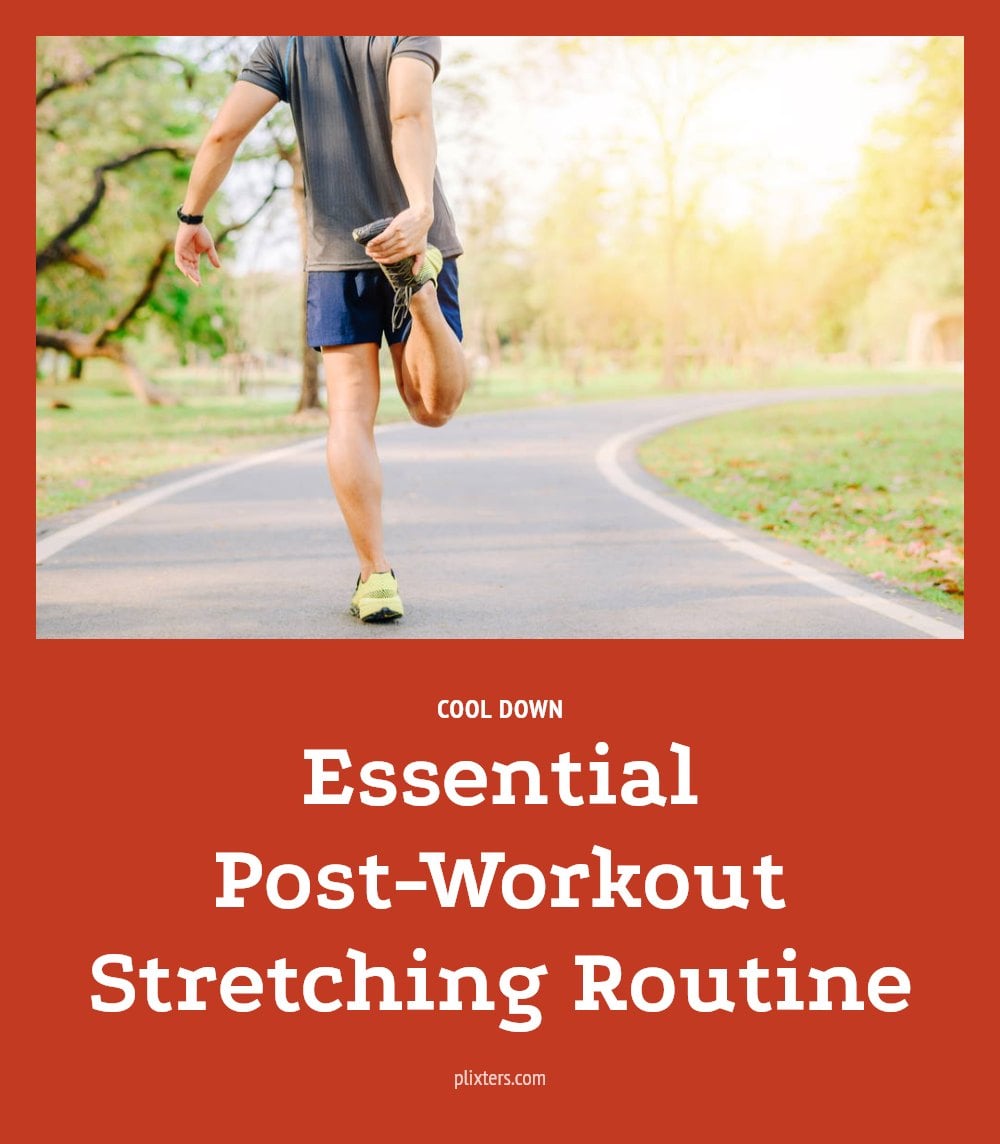
Step off the treadmill and stretch your hamstrings, quads, and calves. Hold each stretch for 20 to 30 seconds while breathing deeply, and ease into each position without bouncing. Regular stretching after workouts can improve flexibility and reduce muscle soreness.
- Time: 20-30 seconds per stretch, one round per muscle group.
- Form cue: Keep your back straight when reaching for your toes, and feel a gentle pull, not pain.
- Make it easier or harder: Use a wall for balance on calf stretches; deepen the stretch as you relax into it.
8. Hydration and Recovery
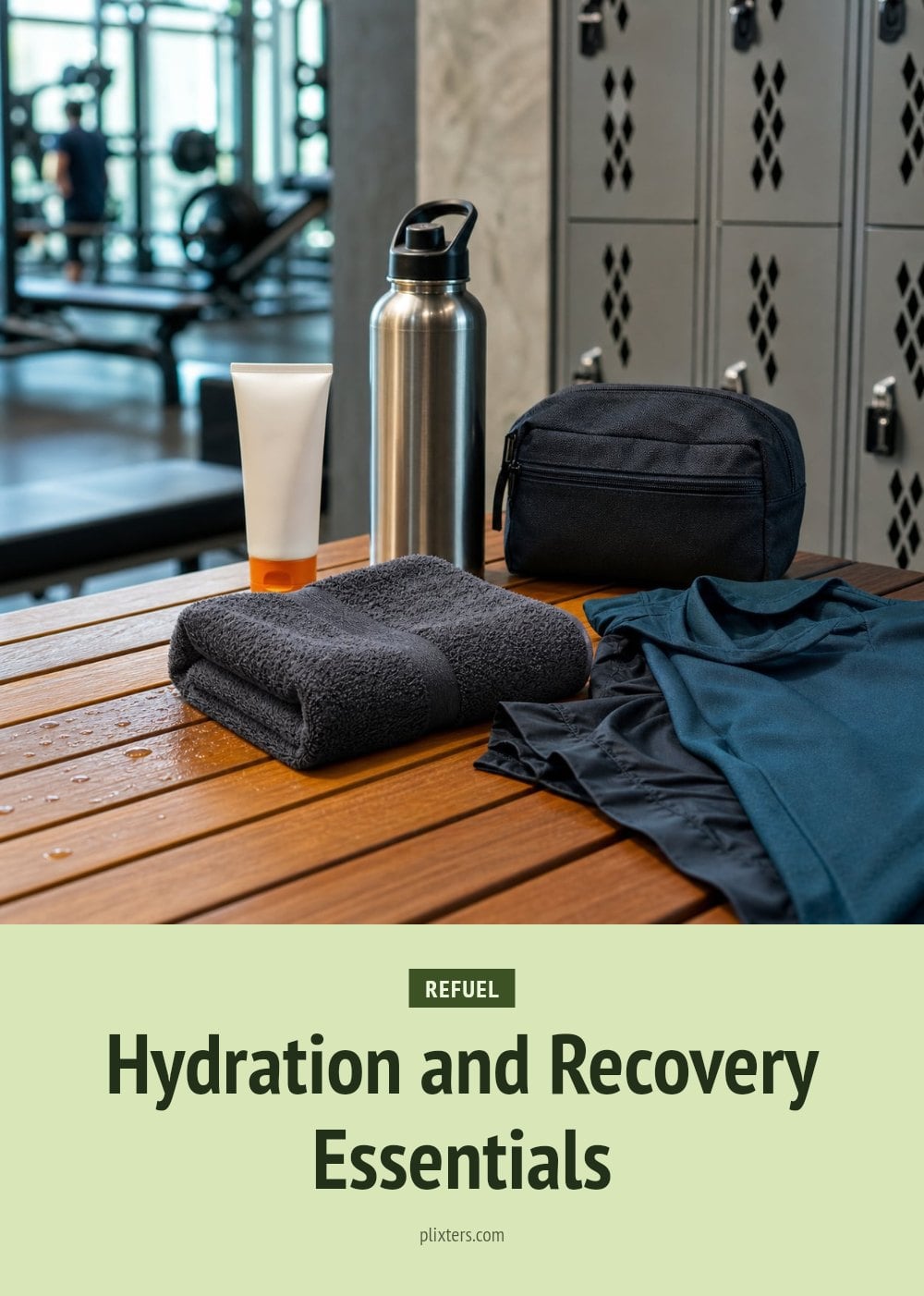
Drink water before, during, and after your treadmill session to stay hydrated. After you finish, a light snack with protein and carbohydrates can help your muscles recover. And plan rest days into your week, your body needs time to adapt and rebuild.
- Time: Sip water throughout your workout and within 30 minutes after.
- Form cue: Choose a snack like yogurt with fruit or a small peanut butter sandwich.
- Make it easier or harder: Add an extra rest day if you feel unusually sore or tired; keep a water bottle on the treadmill console.
Your Weekly Beginner Treadmill Plan
This weekly plan is designed to build your fitness gradually while giving your body time to recover. Each workout should include a warm-up and cool-down, and you can adjust the intensity or duration based on how you feel that day.
| Day | Workout | Duration |
|---|---|---|
| Monday | Brisk walk, no incline | 20 min |
| Tuesday | Rest or light stretching | |
| Wednesday | Brisk walk with incline intervals | 25 min |
| Thursday | Rest | |
| Friday | Steady state walk or light jog | 20 min |
| Saturday | Brisk walk with jogging intervals | 25 min |
| Sunday | Rest or gentle walk |
As you get stronger, you can increase the duration by 5 minutes each week or add more incline. The goal is consistency, not speed.
Common Treadmill Mistakes and How to Fix Them
Even small mistakes can make treadmill workouts less effective or increase your risk of injury. Here are common errors and how to fix them.
- Starting too fast or with too high an incline: Begin with a gentle warm-up at a slow pace and no incline. Gradually increase speed or incline over 5-10 minutes.
- Gripping the handrails tightly: This throws off your natural gait and reduces calorie burn. Relax your grip and let your arms swing naturally at your sides.
- Not using the safety clip: Always attach the clip to your clothing. If you stumble, the treadmill stops immediately, preventing a fall.
- Skipping warm-up and cool-down: Dedicate 5-10 minutes to each. A warm-up prepares your muscles, and a cool-down helps your heart rate return to normal.
- Wearing inappropriate footwear: Supportive athletic shoes with good cushioning protect your feet and joints. Avoid flat shoes or worn-out sneakers.
- Ignoring pain signals: Stop immediately if you feel discomfort or sharp pain. If it persists, consult a doctor or physical therapist before continuing.
Frequently Asked Questions
How long should a beginner treadmill workout be?
A beginner session of 20-30 minutes is a great place to start, including a 5-10 minute warm-up and 5-10 minute cool-down. You can gradually increase the duration as your endurance builds over several weeks.
What is a good treadmill speed for beginners?
For walking, a speed of 2.0-3.0 mph is ideal for building a foundation. If you’re ready to try light jogging, start around 4.0-5.0 mph, but only for short intervals of 1-2 minutes at first.
Can I lose weight by walking on a treadmill?
Yes, walking on a treadmill can help with weight loss when combined with a balanced diet. Walking at a brisk pace or adding a slight incline increases calorie burn and engages different muscles, making it an effective part of a weight management plan.
How often should a beginner use a treadmill?
Starting with 3-4 times per week is a good rhythm for beginners. This allows your body time to recover and adapt between sessions, reducing the risk of overtraining or injury.
Is it better to walk or run on a treadmill for beginners?
Walking is the safer and more sustainable starting point for most beginners. It builds a solid cardiovascular base and muscle strength without the high impact of running. You can gradually add light jogging intervals when walking feels comfortable.
What incline should a beginner use on a treadmill?
Beginners should start with a flat surface (0% incline) to focus on form and comfort. Once you can walk briskly for 20 minutes, you can add a slight incline of 1-3% to challenge your muscles and boost calorie burn.
Final Thoughts
For a beginner, the best approach is to start with walking at a comfortable pace and no incline, then slowly add more challenge as your fitness improves. Expect to see noticeable improvements in your cardiovascular endurance within a few weeks of consistent effort. Remember, the most effective treadmill workout is the one you stick with, so listen to your body and enjoy the process.
The information in this article is for general informational purposes only and is not a substitute for professional medical advice. Before starting any new exercise program, especially if you have pre-existing health conditions, consult with a doctor or qualified healthcare provider. Listen to your body and stop immediately if you experience pain or discomfort.