
 Save
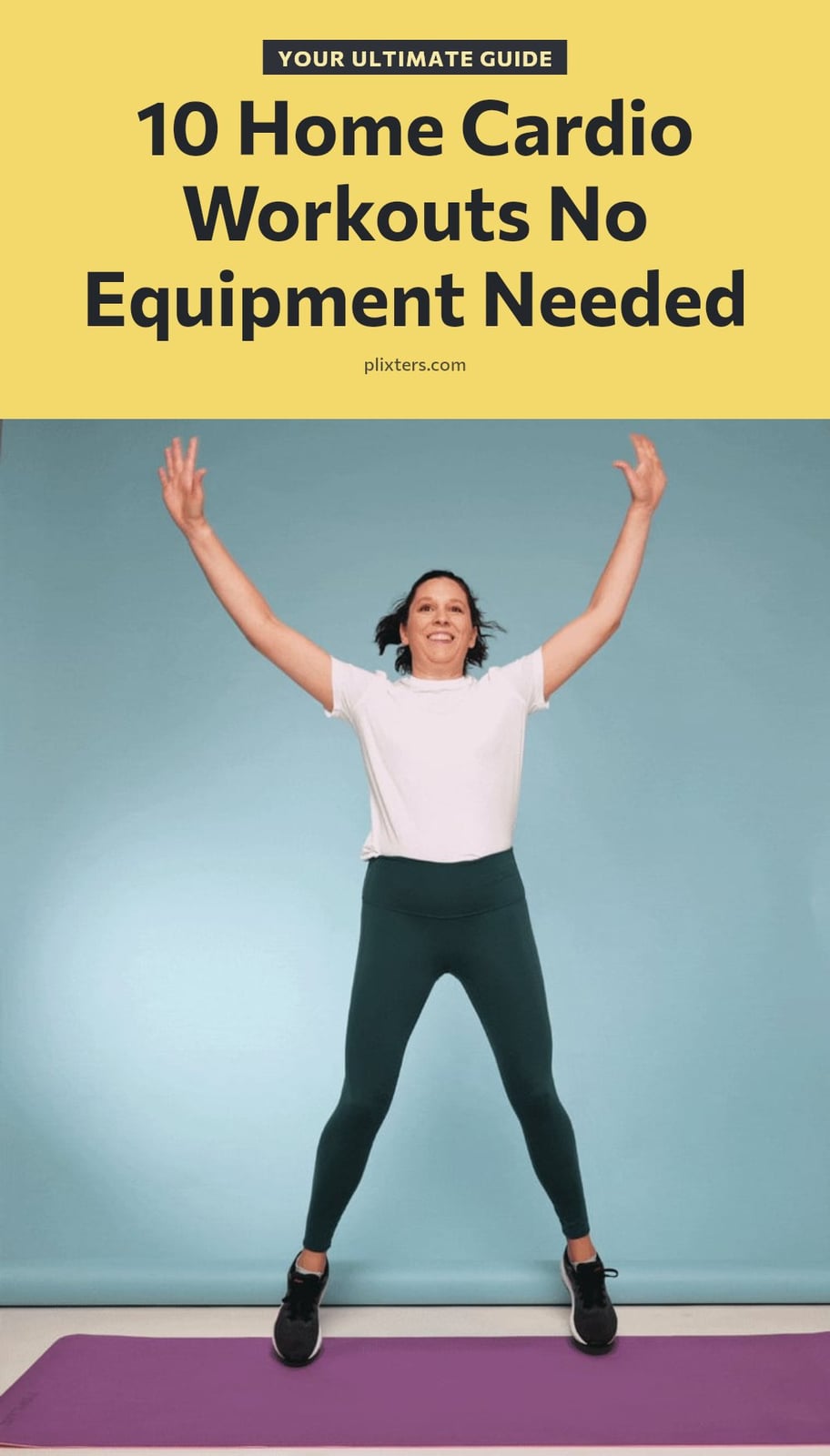
You don’t need a gym or fancy equipment to get your heart pumping and boost your cardiovascular health. Cardio, short for cardiovascular exercise, is any activity that raises your heart rate, strengthens your heart, and can help with weight management and energy levels. In this article, I’ll walk you through 10 effective bodyweight cardio workouts you can do right at home, plus tips on how to structure them into a weekly plan.
Key Takeaways
- Aim for at least 150 minutes of moderate-intensity cardio weekly, per the American Heart Association.
- Always start with a 5-minute warm-up and end with 5-10 minutes of stretching.
- Choose exercises you enjoy, like dancing or jumping jacks, to stay consistent.
- Listen to your body and take rest days to prevent overtraining and injury.
- Consult a doctor before starting cardio if you have heart conditions or joint issues.
15 ideas in this post
- What is Cardio and Why Does It Matter?
- 1. Warm-Up: Marching in Place
- 2. Jumping Jacks
- 3. High Knees
- 4. Butt Kicks
- 5. Mountain Climbers
- 6. Burpees (Modified)
- 7. Squat Jumps
- 8. Invisible Jump Rope
- 9. Dancing
- 10. Cool-Down: Gentle Stretching
- Your Weekly At-Home Cardio Plan
- Common Cardio Mistakes to Avoid
- Frequently Asked Questions
- Final Thoughts
What is Cardio and Why Does It Matter?
Cardio, short for cardiovascular exercise, is any activity that raises your heart rate and gets your blood pumping. It strengthens the heart muscle, so it moves blood more efficiently, and it can help lower blood pressure and support weight management by burning calories. Regular cardio also lifts energy and mood. You don’t need a gym: bodyweight moves like high knees or jumping jacks deliver a real workout at home. If you have a heart condition or joint issues, check with a doctor first.
1. Warm-Up: Marching in Place

Begin every session with about 5 minutes of marching in place. It raises your heart rate gradually and warms up your muscles before the harder moves, which can help prevent strain.
- Time: 5 minutes, steady and rhythmic.
- Form cue: Lift your knees high and swing your arms naturally.
- Make it easier or harder: Slow the pace to start, or add arm circles to raise the effort.
2. Jumping Jacks
Stand with feet together and arms at your sides. Jump, spreading your feet wide while bringing your arms overhead, then jump back to the start. Keep a smooth rhythm rather than rushing the reps.
- Sets and reps: 3 sets of 10-15 repetitions.
- Form cue: My tip: keep your core engaged and land softly on the balls of your feet.
- Make it easier or harder: Step one foot out at a time to lower impact, or speed up the tempo to raise it.
3. High Knees
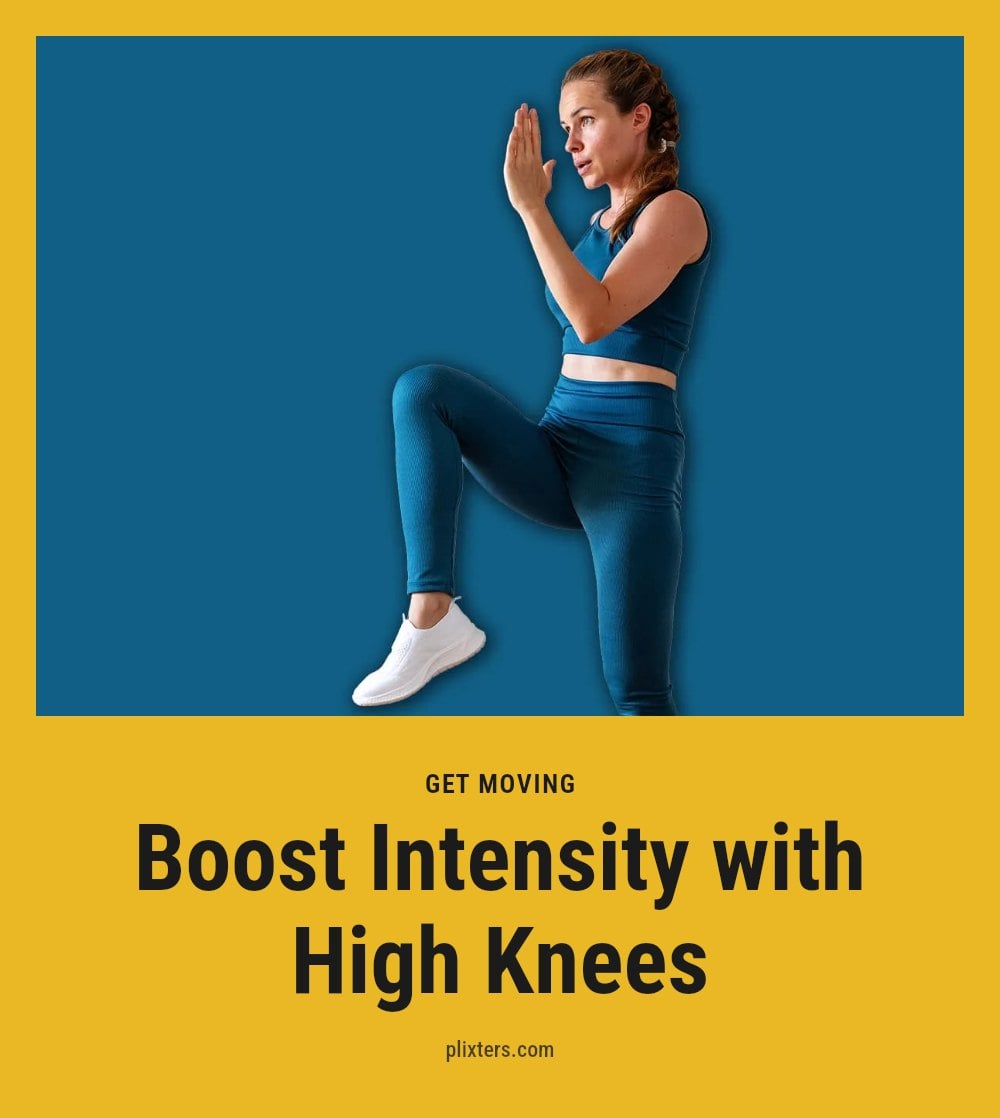
Run in place, driving your knees up toward your chest as high as you can. Pump your arms vigorously to keep the pace quick. Think fast and light rather than pounding the floor.
- Time: 3 sets of 30 seconds each.
- Form cue: Aim for quick, light steps and land on the balls of your feet, not heavy stomping.
- Make it easier or harder: Lower the knee height to ease off, or add a short rest between sets to keep the speed up.
4. Butt Kicks
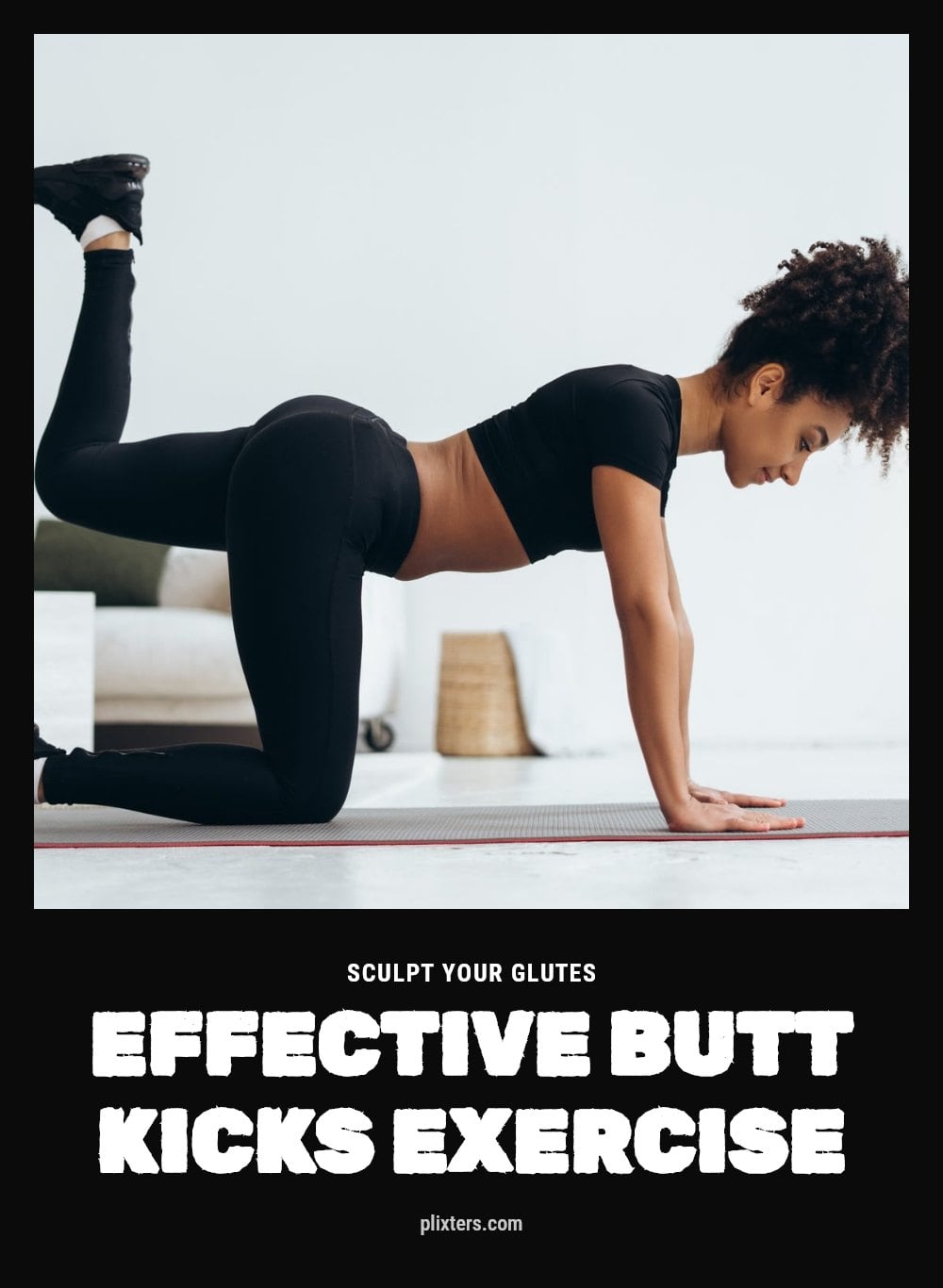
Run in place and kick your heels back so they tap your glutes on each step. Keep your chest up rather than folding forward, and squeeze the hamstrings with every kick.
- Time: 3 sets of 30 seconds.
- Form cue: Quick, controlled kicks, not wild flailing.
- Make it easier or harder: Slow the pace to start; speed up or add arm pumping to push harder.
5. Mountain Climbers

Start in a plank with your hands under your shoulders and your body in one straight line. Drive one knee toward your chest, then switch legs quickly, as if running in place on the floor. Keep your hips low and your core tight so your lower back does not sag.
- Time: 3 sets of 30 to 45 seconds.
- Form cue: Steady, controlled pace, with hips level with your shoulders.
- Make it easier or harder: Step the knees in one at a time instead of running; speed up to make it harder.
6. Burpees (Modified)
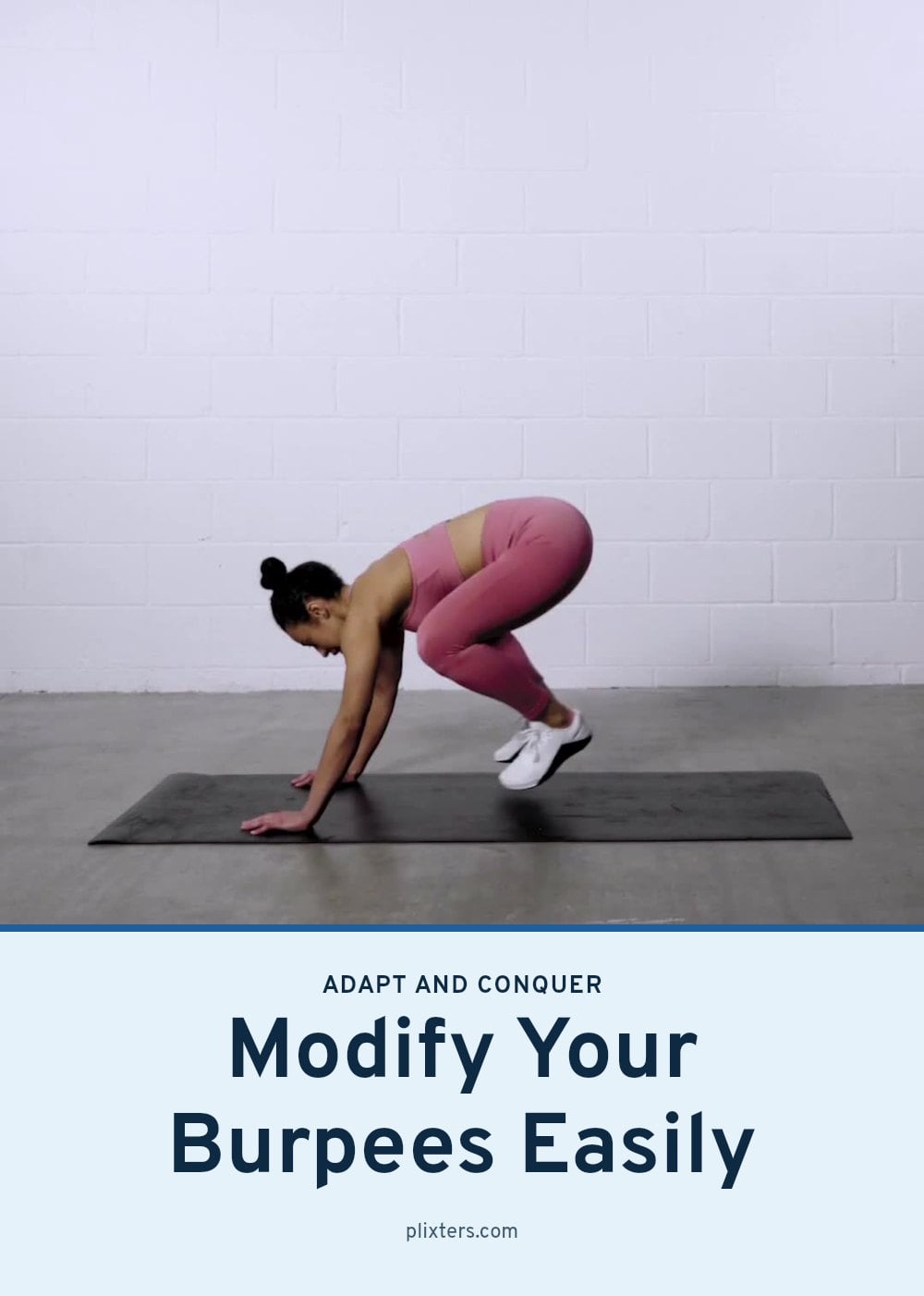
Stand tall, squat down, and place your hands on the floor. Step both feet back to a plank, step them forward again, and stand up. Add a small jump at the top for a challenge.
- Sets and reps: 3 sets of 8 to 12 repetitions.
- Form cue: Smooth transitions between each position, no rushing.
- Make it easier or harder: Skip the jump or keep hands on a chair; add the jump to push harder.
7. Squat Jumps
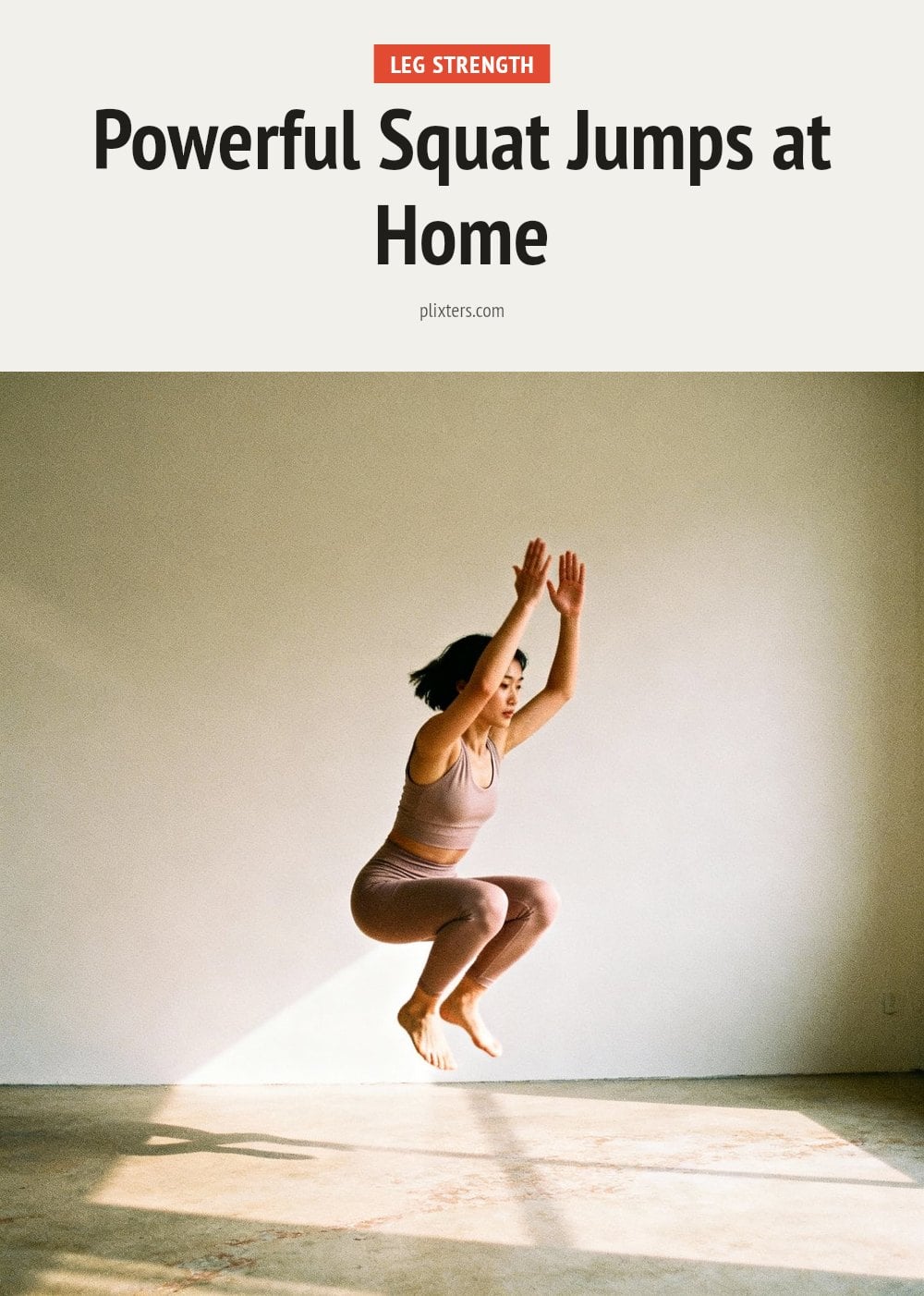
Stand with feet shoulder-width apart and squat down as if sitting back into a chair. Explode upward into a jump, then land softly back into the squat with bent knees.
- Sets and reps: 3 sets of 10 to 15 repetitions.
- Form cue: Knees track over your toes and your back stays straight.
- Make it easier or harder: Remove the jump and just stand up fast; jump higher or land deeper to push harder.
8. Invisible Jump Rope
Mimic jumping rope without an actual rope by holding your arms at your sides and rotating your wrists as if turning a handle. Use small, quick jumps, staying light on your feet. This exercise builds coordination and cardio endurance without any equipment.
- Time: Perform 3 sets of 45-60 seconds each.
- Form cue: Keep your core engaged and your jumps small and quick, landing softly on the balls of your feet.
- Make it easier or harder: For a lower impact, alternate stepping one foot at a time instead of jumping. For a challenge, alternate between two-foot jumps, single-leg jumps, and high-knee jumps within each set.
My tip: Stay light on your feet and keep your core engaged throughout the movement.
9. Dancing
Put on your favorite upbeat music and let yourself move freely. Dancing is a fantastic cardio workout that doesn’t feel like exercise. Move your whole body, swing your arms, kick your legs, turn around, and let your hips follow the rhythm. The goal is to get your heart rate up while having fun.
- Time: Dance for 10-15 minutes, or for the duration of 3-4 songs.
- Form cue: Keep your movements full and expressive; the bigger the motion, the more calories you burn.
- Make it easier or harder: Slow down your moves for a lower intensity, or add jumps and faster footwork to crank it up.
10. Cool-Down: Gentle Stretching
Finish your workout with 5-10 minutes of gentle stretching to improve flexibility and help your muscles recover. Focus on the major muscle groups you used: hamstrings, quadriceps, calves, chest, and back. Hold each stretch for 20-30 seconds without bouncing, and breathe steadily.
- Time: Stretch for 5-10 minutes after every cardio session.
- Form cue: Hold each stretch gently; you should feel a mild pull, never sharp pain.
- Make it easier or harder: Use a wall or chair for balance if needed. To deepen a stretch, ease into it gradually over the 20-30 seconds.
My tip: Never bounce in a stretch; ease into it gently and hold still.
Your Weekly At-Home Cardio Plan
This sample schedule helps you hit the American Heart Association’s recommendation of at least 150 minutes of moderate-intensity cardio per week. Mix and match the exercises from above to keep your routine fresh. Listen to your body and adjust rest days as needed.
| Day | Workout | Duration |
|---|---|---|
| Monday | Marching in place, jumping jacks, high knees | 20 minutes |
| Tuesday | Dancing, invisible jump rope | 20 minutes |
| Wednesday | Rest or gentle walking | |
| Thursday | Butt kicks, mountain climbers, burpees | 20 minutes |
| Friday | Squat jumps, high knees, dancing | 20 minutes |
| Saturday | Any 3 exercises from the list | 30 minutes |
| Sunday | Rest or gentle stretching |
Feel free to swap days or exercises based on your schedule and energy levels.
Common Cardio Mistakes to Avoid
Skipping Your Warm-Up and Cool-Down: Always dedicate 5-10 minutes to warm up before and cool down after your workout. This helps prevent injury and reduces muscle soreness the next day.
Ignoring Proper Form: Focus on controlled movements and good posture rather than speed or quantity. Proper form protects your joints and muscles, making your workout safer and more effective.
Doing Too Much Too Soon: Gradually increase intensity and duration as your fitness improves. Pushing too hard can lead to burnout or injury. Listen to your body and take rest days when needed.
Not Staying Hydrated: Drink water before, during, and after your workout, especially when you’re sweating. Dehydration can cause fatigue and dizziness.
Believing You Need a Gym: You absolutely don’t. These bodyweight exercises prove you can get an amazing cardio workout right at home without any equipment or a gym membership.
Frequently Asked Questions
How long should a beginner cardio workout be?
If you’re new to cardio, start with 20 to 30 minutes per session, most days of the week. You can break it into shorter intervals if needed, but consistency matters more than duration. Gradually increase the time as your fitness improves.
Can I do cardio every day?
You can do cardio most days, but it’s wise to include at least one or two rest days per week to let your muscles recover. Overtraining can lead to burnout or injury. Listen to your body and take a break if you feel overly fatigued or sore.
What is the best time of day to do cardio?
The best time is whenever you can be consistent. Some people prefer mornings for an energy boost, while others find evenings help them unwind. The key is to pick a time that fits your schedule and stick with it, so it becomes a habit.
How do I know if my cardio intensity is moderate or vigorous?
A simple way to gauge intensity is the talk test. During moderate-intensity exercise, you can talk but not sing. During vigorous activity, you can only say a few words without pausing for breath. Examples of moderate include brisk walking or dancing, while vigorous includes running or jumping jacks.
What should I eat before and after a cardio workout?
Before a cardio session, eat a light snack with carbohydrates, like a banana or a slice of toast, about 30 to 60 minutes prior. Afterward, focus on protein and carbs to aid recovery, such as yogurt with fruit or a peanut butter sandwich. Stay hydrated throughout.
Final Thoughts
My tip: pick three or four exercises from this list that feel fun to you and rotate them throughout the week. For example, you might do jumping jacks, high knees, and burpees on day one, then dancing and mountain climbers on day two. This keeps your routine fresh and helps you stick with it.
Expect to see noticeable improvements in your endurance within a few weeks of consistent effort, as long as you’re working out most days. Remember to warm up, cool down, and stay hydrated. Your heart will thank you.
This article is for general informational purposes only and is not a substitute for professional medical advice. Before starting any new exercise program, especially if you have underlying health conditions, consult your doctor. If you experience chest pain, severe shortness of breath, dizziness, or fainting during exercise, stop immediately and seek medical attention.




