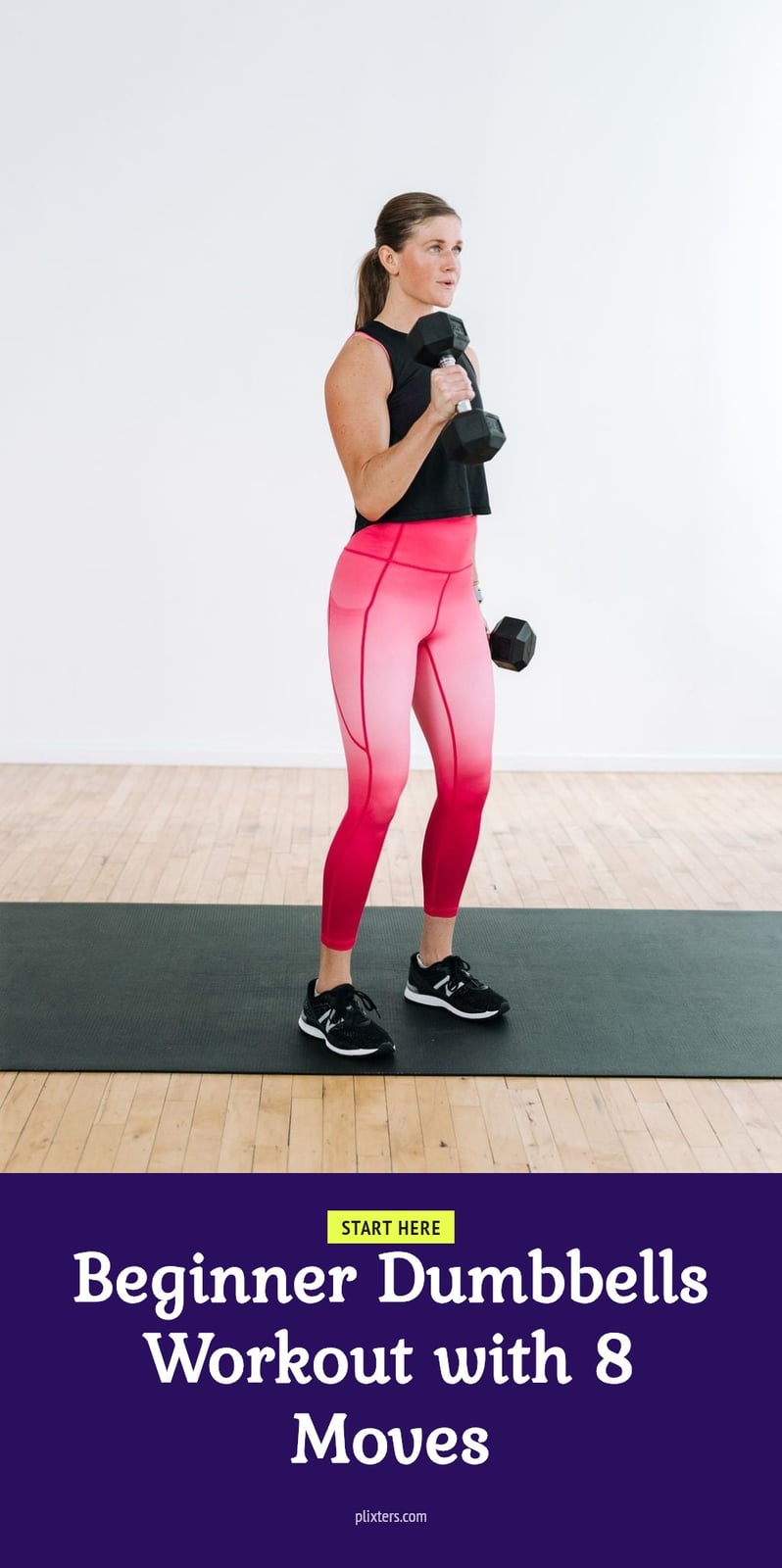
 Save
Starting a strength routine doesn’t have to be complicated. Dumbbells are one of the most beginner-friendly tools because they let you work each side of your body independently, helping you build balanced strength right from the start. This article walks you through eight foundational moves, how to warm up and cool down, and a simple weekly plan so you can get started with confidence.
Key Takeaways
- Start with 2-5 lb dumbbells for upper body and 5-10 lb for lower body to master form first.
- Aim for 2-3 full-body dumbbell workouts per week with a rest day between sessions.
- Perform 2-3 sets of 8-12 reps for each exercise to build muscle effectively.
- Gradually increase weight, reps, or sets over time (progressive overload) to keep making gains.
- Always warm up with 5-10 minutes of light cardio and dynamic stretches before lifting.
13 ideas in this post
- Why Dumbbells Are Your Best Friend for Building Strength
- 1. Warm-Up: Arm Circles
- 2. Dumbbell Squats
- 3. Dumbbell Lunges
- 4. Dumbbell Bicep Curls
- 5. Dumbbell Overhead Press
- 6. Dumbbell Rows
- 7. Dumbbell Chest Press (on Floor)
- 8. Cool-Down: Gentle Stretches
- Essential Gear for Your Dumbbell Workouts
- Your Weekly Beginner Dumbbell Workout Plan
- Frequently Asked Questions
- Final Thoughts
Why Dumbbells Are Your Best Friend for Building Strength
Dumbbells are free weights, which means they aren’t attached to a machine. That freedom lets you move through a full range of motion and forces your stabilizing muscles to work harder than fixed-weight equipment does. For a beginner building strength at home, that versatility is a huge advantage: you can target individual muscles and correct imbalances between your left and right sides. The key is starting with a weight that lets you finish every rep with proper form. Controlled movements, an engaged core, and a neutral spine protect your joints and make each rep count. Choose a weight that feels challenging but not impossible by the last rep of each set.
1. Warm-Up: Arm Circles
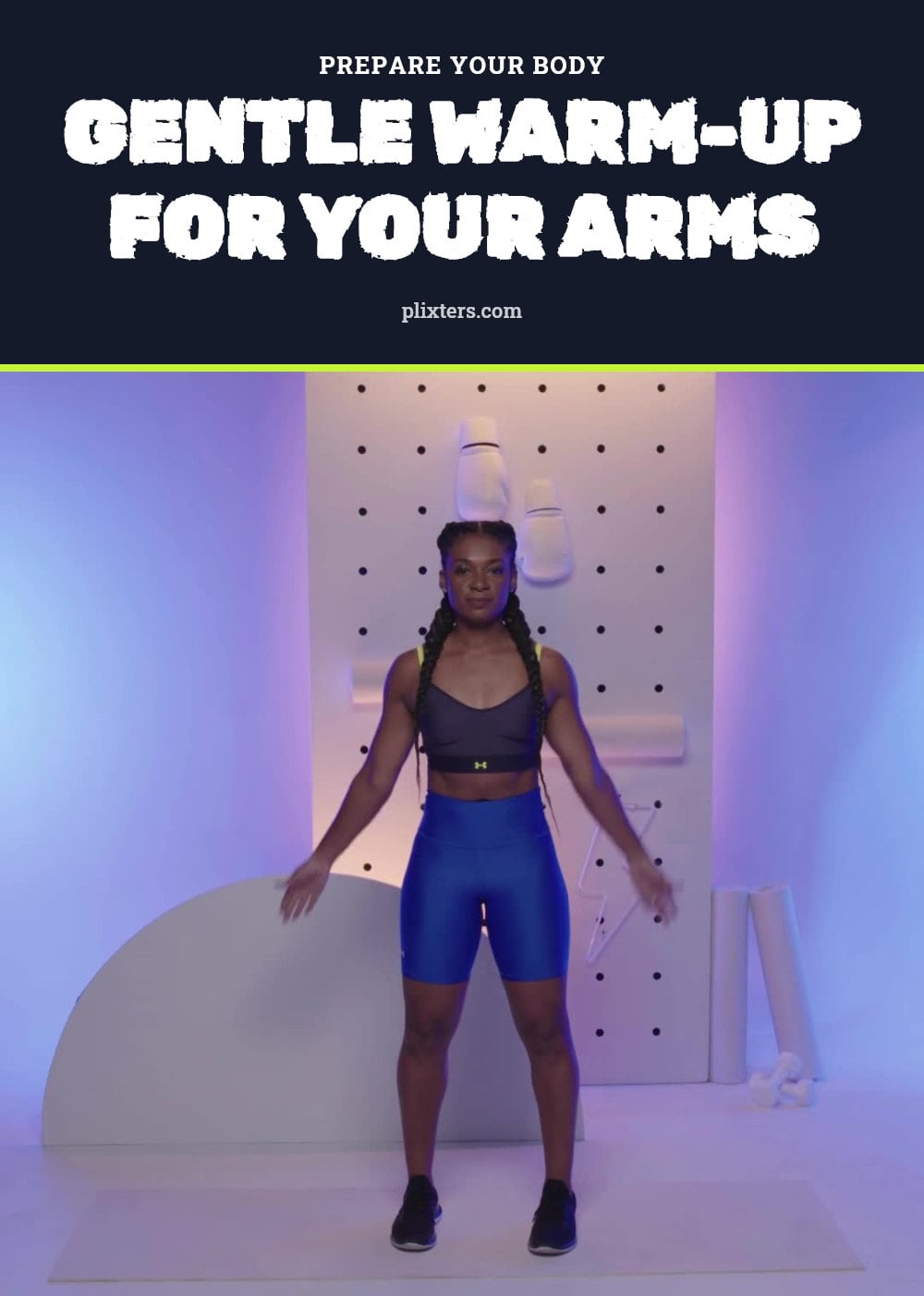
Stand tall with your arms extended straight out to your sides at shoulder height. Make small, controlled circles forward for 30 seconds, then switch to backward circles for another 30 seconds. Focus on smooth, steady movement and gradually increase the circle size as your shoulders loosen up.
- Time: 30 seconds forward, 30 seconds backward
- Form cue: Keep your shoulders down and back, not hunched up toward your ears
- Make it easier or harder: Smaller circles reduce intensity; larger circles increase it
2. Dumbbell Squats
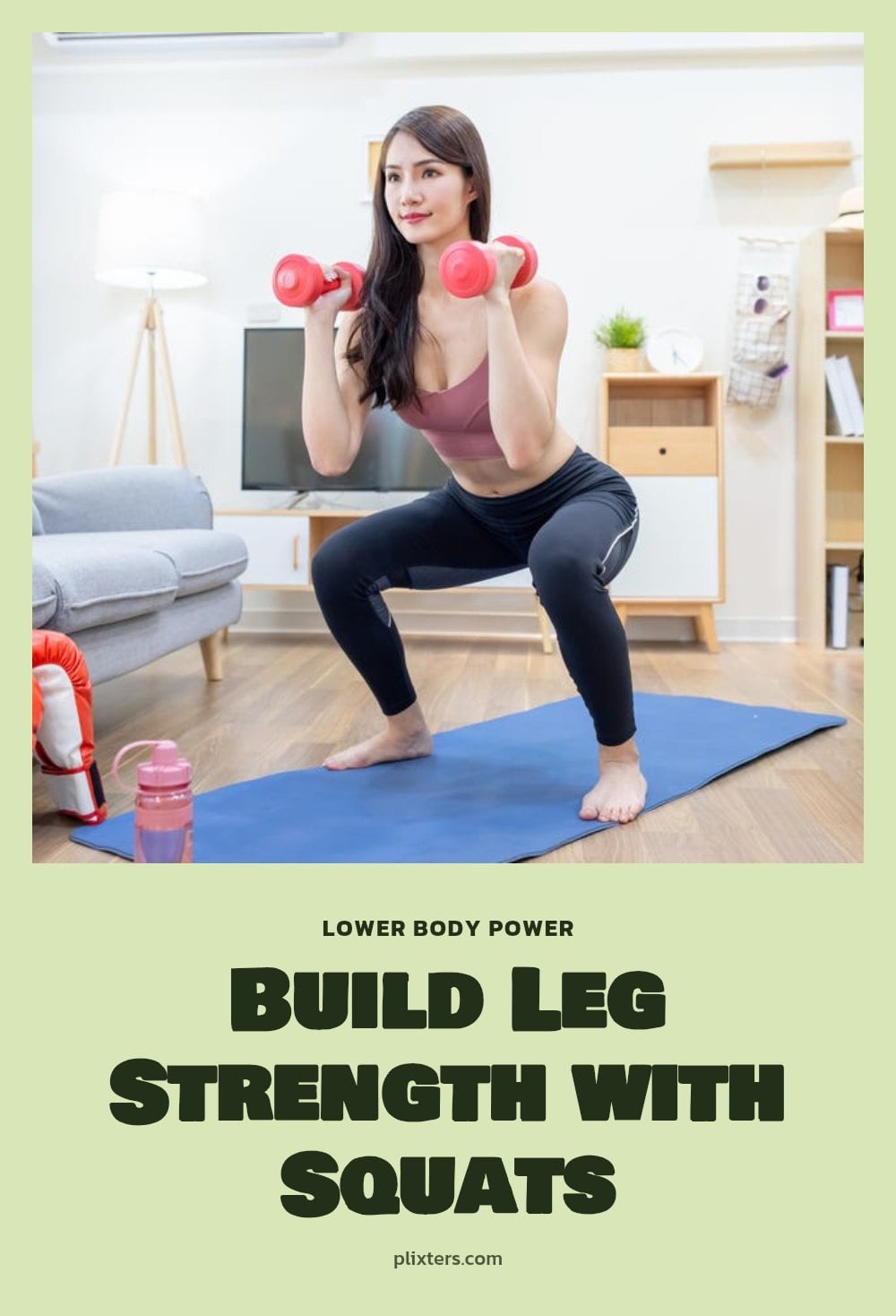
Hold a dumbbell in each hand with your feet shoulder-width apart. Lower your hips as if you’re sitting back into a chair, keeping your chest lifted and your core tight the whole way down. Drive through your heels to return to standing.
- Sets and reps: 2-3 sets of 8-12 repetitions
- Form cue: Keep your knees behind your toes and your weight in your heels
- Make it easier or harder: Use lighter dumbbells or no dumbbells to perfect form; go deeper as you gain strength
3. Dumbbell Lunges
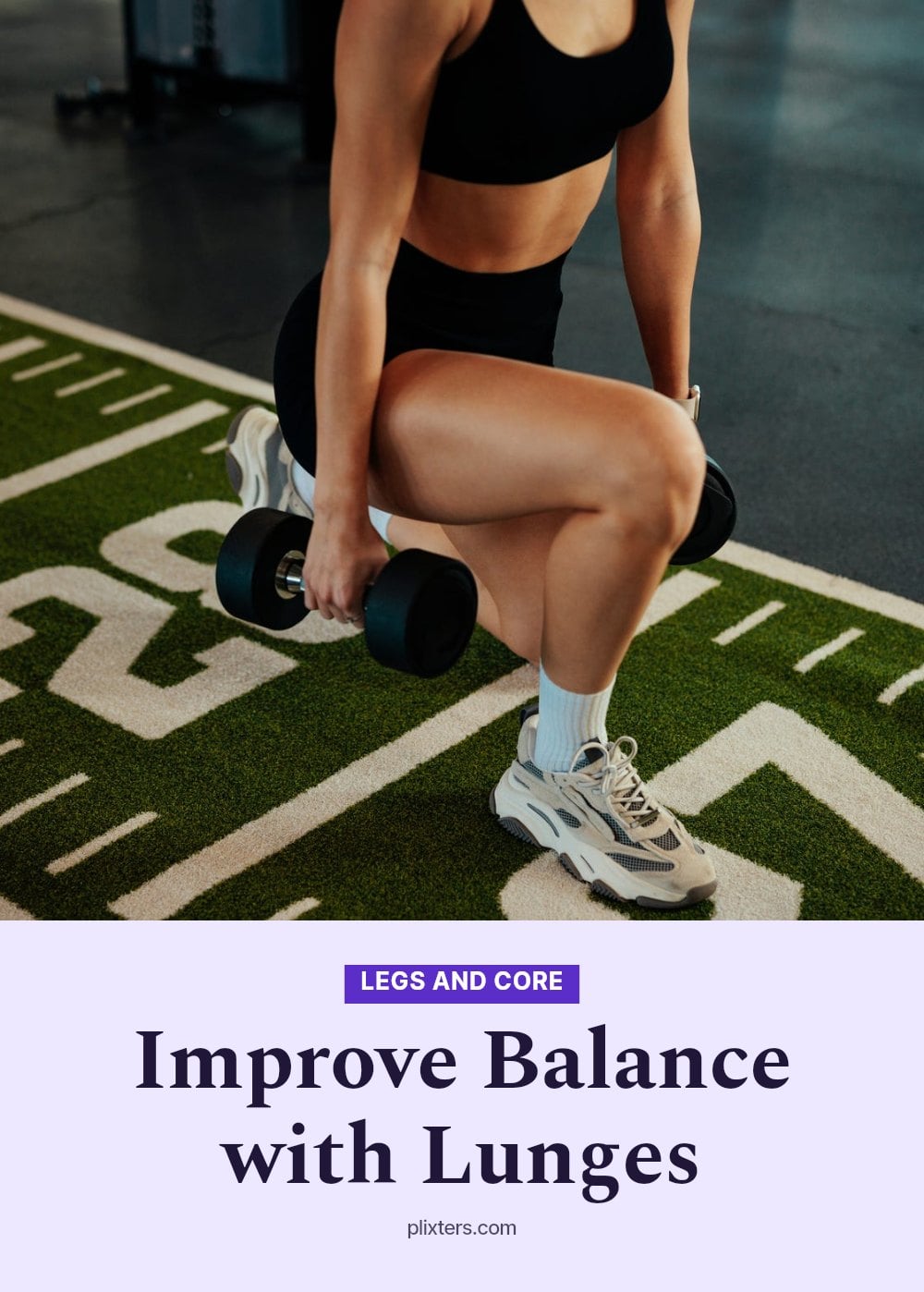
Hold a dumbbell in each hand and step forward with one leg. Lower your hips until both knees bend to about 90 degrees. Your front knee should be directly over your ankle, and your back knee should hover just above the floor. Push through your front heel to return to the start, then repeat on the other leg.
- Sets and reps: 2-3 sets of 8-12 repetitions per leg
- Form cue: Keep your core stable and your torso upright to help with balance
- Make it easier or harder: Shorten your step for better balance; take a longer step to increase the range of motion
4. Dumbbell Bicep Curls
Stand with a dumbbell in each hand, palms facing forward, and your elbows tucked close to your sides. Curl the dumbbells up toward your shoulders, squeezing your biceps at the top. Lower the weights back down with control.
- Sets and reps: 2-3 sets of 8-12 repetitions.
- Form cue: Keep your wrists straight and your elbows pinned to your ribs throughout.
- Make it easier or harder: Use lighter dumbbells to master the motion, or slow the lowering phase to increase time under tension.
5. Dumbbell Overhead Press
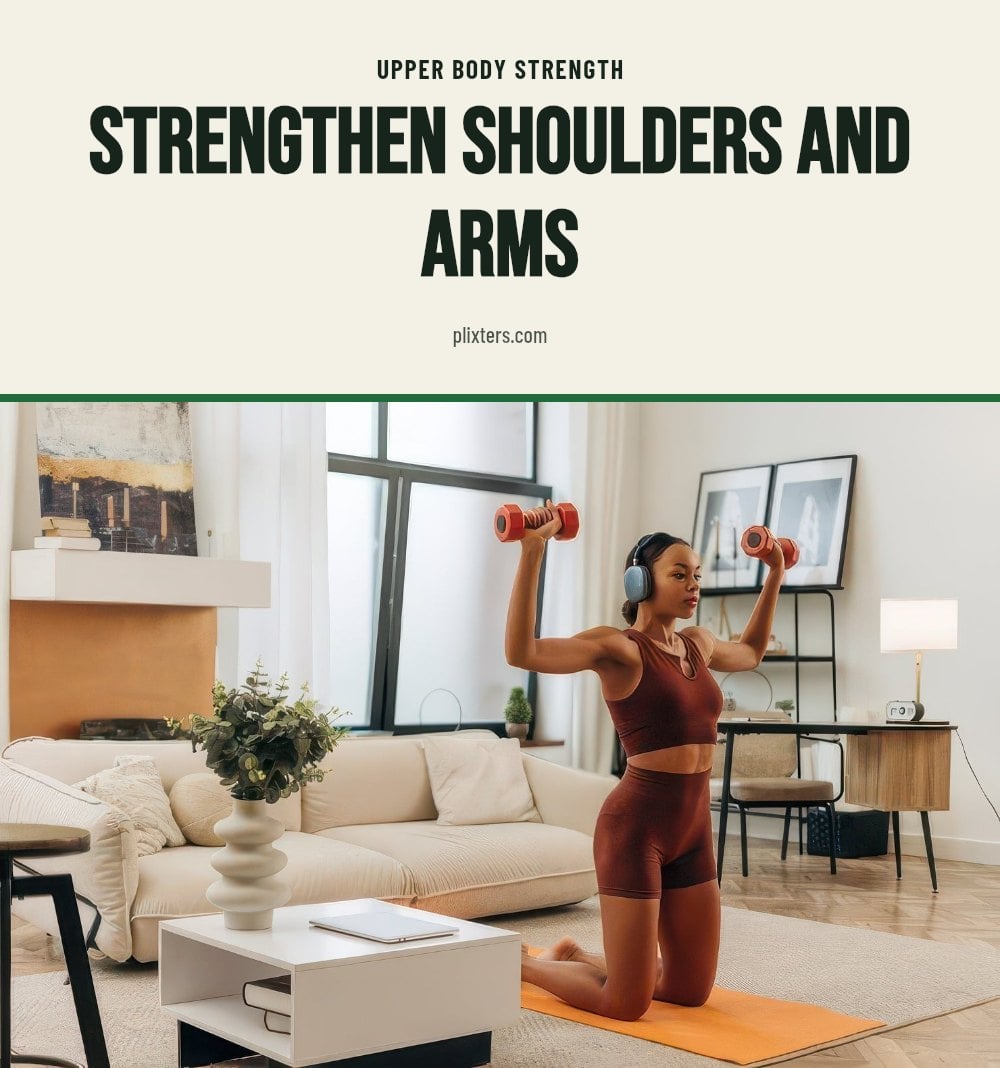
Sit on a sturdy chair or stand with feet hip-width apart, holding a dumbbell in each hand at shoulder height, palms facing forward. Press the dumbbells straight overhead until your arms are fully extended but not locked. Lower them back to shoulder height with control.
- Sets and reps: 2-3 sets of 8-12 repetitions.
- Form cue: Brace your core as if someone were about to tap your stomach; this protects your lower back.
- Make it easier or harder: Perform the press seated for more stability, or standing to engage your core more.
6. Dumbbell Rows
Place one knee and the same-side hand on a bench or sturdy chair, keeping your other foot flat on the floor. Hold a dumbbell in your free hand and let it hang straight down. Pull the dumbbell up toward your chest, squeezing your shoulder blade, then lower it slowly.
- Sets and reps: 2-3 sets of 8-12 repetitions per side.
- Form cue: Keep your back flat and parallel to the floor, like a tabletop.
- Make it easier or harder: Use a lighter weight to focus on the squeeze, or pause for one second at the top for extra challenge.
7. Dumbbell Chest Press (on Floor)
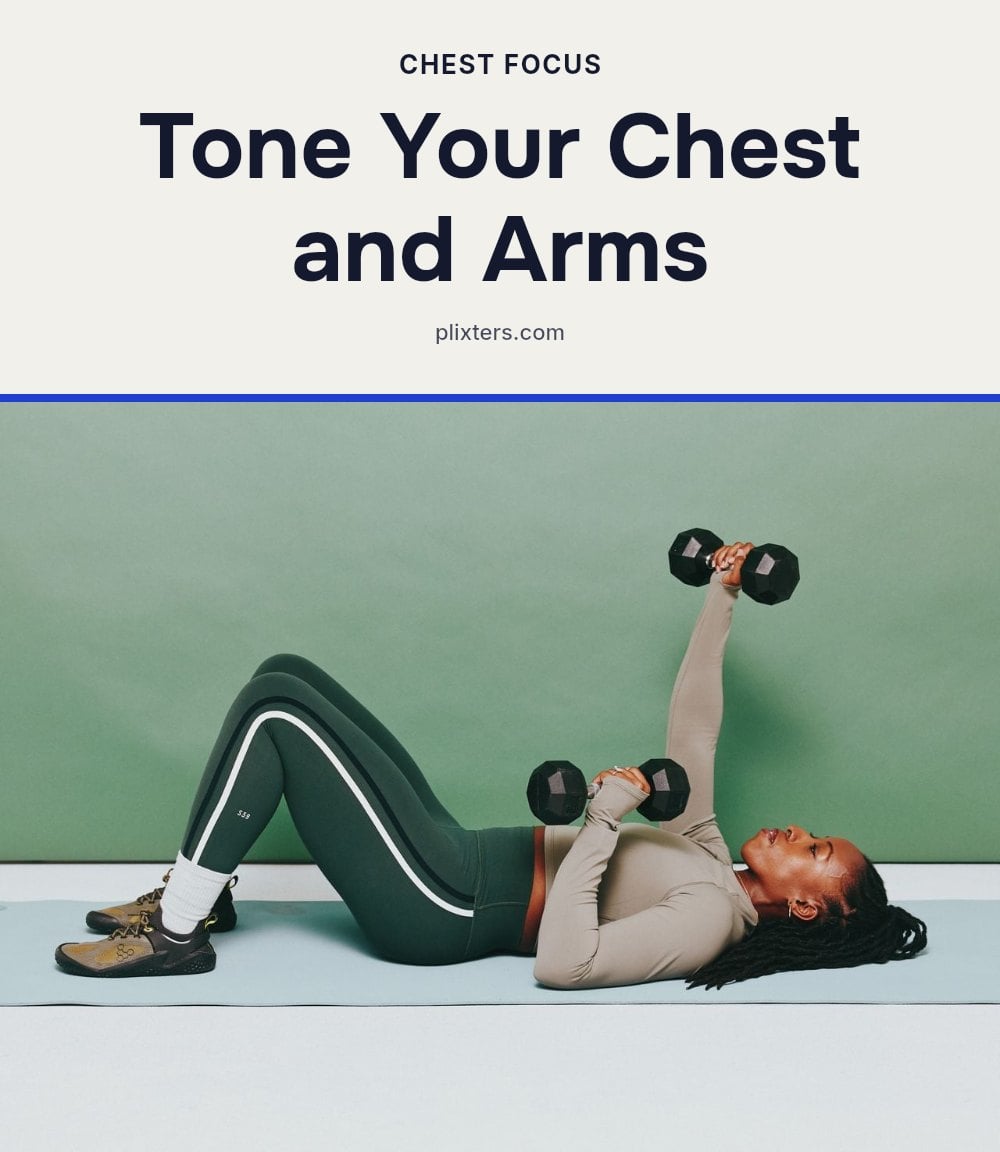
Lie on your back on the floor with knees bent and feet flat. Hold a dumbbell in each hand above your chest, palms facing each other. Lower the dumbbells slowly out to the sides until your upper arms touch the floor, then press them back up to the start.
- Sets and reps: 2-3 sets of 8-12 repetitions.
- Form cue: Press your lower back into the floor throughout the movement to avoid arching.
- Make it easier or harder: Start with lighter dumbbells to control the lowering, or increase weight gradually as you get stronger.
8. Cool-Down: Gentle Stretches

After your workout, spend 5-10 minutes on static stretches. Focus on the major muscle groups you worked: chest, back, shoulders, arms, and legs. Hold each stretch for 20-30 seconds, breathing deeply.
- Time: 5-10 minutes total, 20-30 seconds per stretch
- Form cue: Breathe deeply and relax into the stretch, never bouncing.
- Specific stretches: Tricep stretch (reach one arm overhead, bend elbow, pull gently with opposite hand). Hamstring stretch (sit on floor, extend one leg, reach toward toes). Chest stretch (clasp hands behind back, open chest).
Essential Gear for Your Dumbbell Workouts
You don’t need much to get started, but the right gear makes a difference. Here’s what I recommend for safe, comfortable dumbbell workouts at home.
- Dumbbells: Fixed-weight or adjustable pairs. For beginners, start with 2-5 lbs for upper body exercises and 5-10 lbs for lower body moves.
- Workout mat: Provides cushioning for floor exercises like chest presses and stretches, and keeps you stable.
- Supportive athletic shoes: Protect your feet during standing moves like squats and lunges. Wear comfortable, non-restrictive clothing.
Your Weekly Beginner Dumbbell Workout Plan
Consistent dumbbell workouts 2-3 times per week can show noticeable strength and muscle tone improvements within 4-8 weeks. Always include a rest day between sessions for muscle recovery. Use the plan below, then gradually increase weight or reps (progressive overload) as you get stronger.
| Day | Workout Focus | Rest |
|---|---|---|
| Monday | Full body: squats, lunges, bicep curls, overhead press, rows, chest press | Tuesday |
| Wednesday | Full body (same exercises, focus on form) | Thursday |
| Friday | Full body (same exercises, try adding 1-2 reps per set) | Saturday & Sunday |
Frequently Asked Questions
How heavy should my dumbbells be for a beginner workout?
For most beginners, start with 2-5 lb dumbbells for upper body exercises and 5-10 lb for lower body moves. The right weight is one that allows you to complete all reps with good form while still feeling challenged by the last two reps of each set.
How often should a beginner use dumbbells?
Plan for 2-3 full-body dumbbell sessions per week, always with at least one rest day in between. That gives your muscles time to recover and adapt, which is essential for building strength safely and avoiding overtraining.
Can I build muscle with just dumbbells?
Yes, absolutely. Dumbbells are free weights that allow a full range of motion and engage stabilizing muscles. With consistent training and progressive overload (gradually increasing weight or reps), you can build noticeable muscle and strength over time.
What’s the best way to progress with dumbbell workouts?
Focus on progressive overload. Once you can complete all reps and sets with good form, increase the weight slightly, add one more rep per set, or add an extra set. Small, steady increases keep your muscles challenged without risking injury.
Is it okay to feel sore after a dumbbell workout?
Mild muscle soreness a day or two after a workout is normal and usually a sign your muscles are adapting. However, sharp pain during exercise or pain that limits your range of motion is not. If something feels wrong, stop and check your form or rest an extra day.
Final Thoughts
Stick with this routine 2-3 times a week, and you can expect to see noticeable strength and muscle tone improvements within 4-8 weeks. The key is consistency and listening to your body. Choose a weight that lets you finish every rep with good form, and don’t rush the process. That steady approach is what turns a beginner into a confident lifter.
This article provides general fitness information and is not a substitute for professional medical advice. Consult a healthcare professional before starting any new exercise program, especially if you have pre-existing health conditions. Stop immediately if you experience sharp pain, dizziness, or nausea, and see a doctor for persistent or serious concerns.