 Save
You’ve probably heard the term “macros” thrown around in fitness circles, but what does it actually mean for you? Macros, short for macronutrients, are the three nutrients your body needs in large amounts: carbohydrates, proteins, and fats. Tracking them is a more detailed approach than just counting calories, because it focuses on the balance and quality of what you eat.
This article walks you through the basics: what each macro does, how to set your personal targets, and the tools you’ll need to get started. You’ll also learn common mistakes to avoid and what timeline to expect, so you can decide if macro tracking is the right fit for your wellness goals.
Key Takeaways
- Macros are carbohydrates, proteins, and fats, each with a specific role.
- Calculate your calorie needs first, then set macro ratios based on your goals.
- Use a food scale and tracking app for accurate portioning.
- Focus on whole foods, not just hitting numbers, for better nutrition.
- Expect noticeable changes in a few weeks to 2-3 months with consistency.
10 ideas in this post
- What Are Macros and Why Do They Matter?
- The Three Main Macronutrients Explained
- Essential Tools for Tracking Macros
- How to Calculate and Set Your Personal Macros
- Smart Strategies for Successful Macro Tracking
- Common Macro Tracking Mistakes to Avoid
- What to Expect: Timeline and Resources
- When to Consult a Professional
- Frequently Asked Questions
- Final Thoughts
What Are Macros and Why Do They Matter?
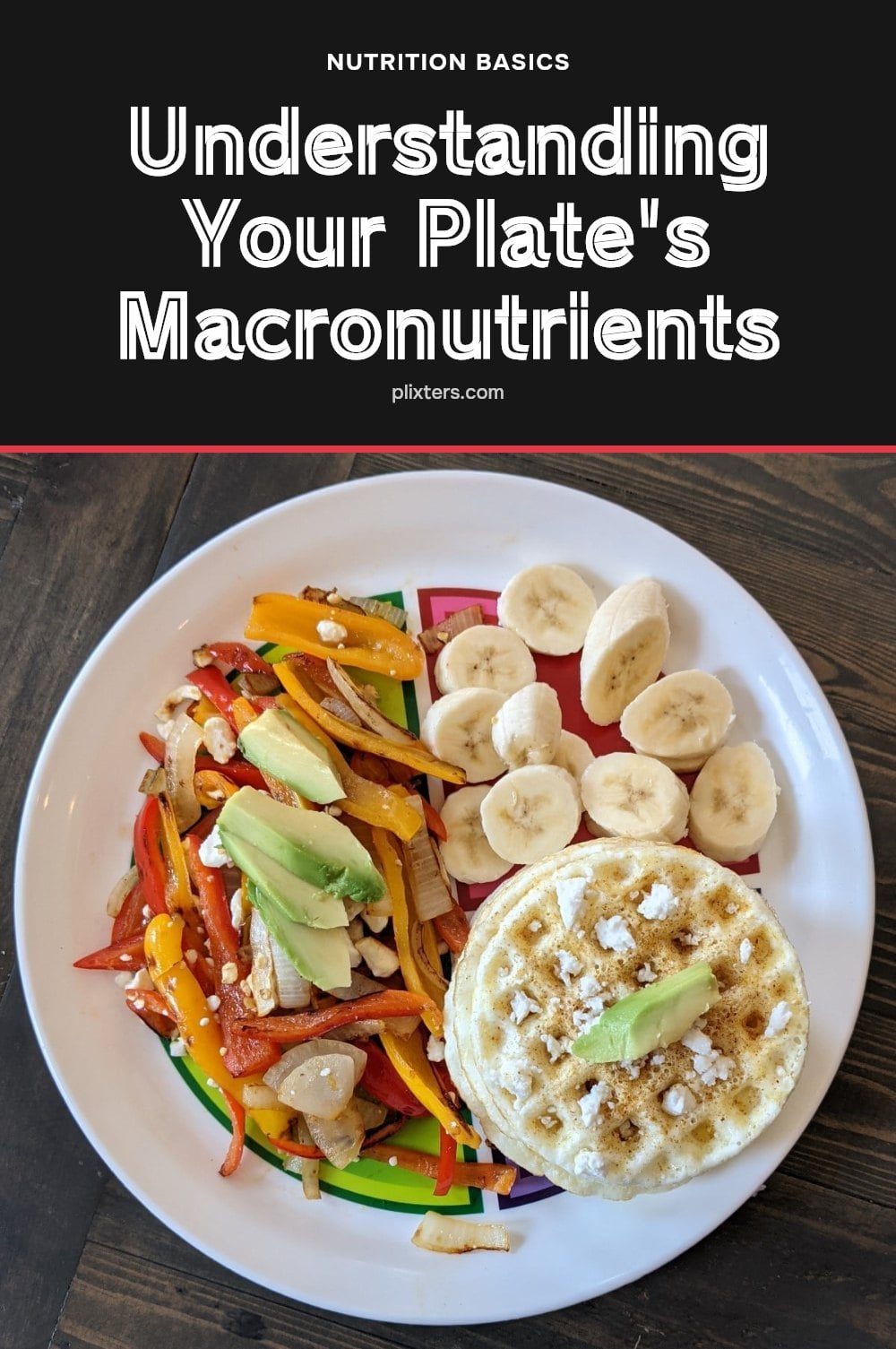
Macros, short for macronutrients, are the three nutrients your body needs in large amounts to function: carbohydrates, proteins, and fats. Each one plays a distinct role in keeping your energy up, repairing tissues, and supporting hormones. Tracking macros means deliberately balancing these nutrients to hit a specific goal, whether that’s weight loss, muscle gain, or simply maintaining where you are. It’s a more detailed approach than just counting calories because it pushes you to think about food quality and balance, not just the number on the label.
The Three Main Macronutrients Explained
Carbohydrates
Carbs are your body’s primary energy source, providing 4 calories per gram. They fuel your brain and muscles, so cutting them entirely often backfires with fatigue and cravings.
Proteins
Protein provides 4 calories per gram and is vital for building and repairing tissues, plus producing enzymes and hormones. It’s the nutrient that keeps you feeling full and supports muscle recovery after workouts.
Fats
Fats pack 9 calories per gram, more than double carbs and protein. They’re crucial for hormone production, absorbing fat-soluble vitamins, and protecting your organs, so don’t skip them.
Water and fiber
Water is technically a macronutrient because your body needs it in large amounts, but it’s calorie-free. Fiber is a carbohydrate your body can’t digest, yet it’s essential for digestive health and steady blood sugar. Both deserve a spot in your daily plan.
Essential Tools for Tracking Macros
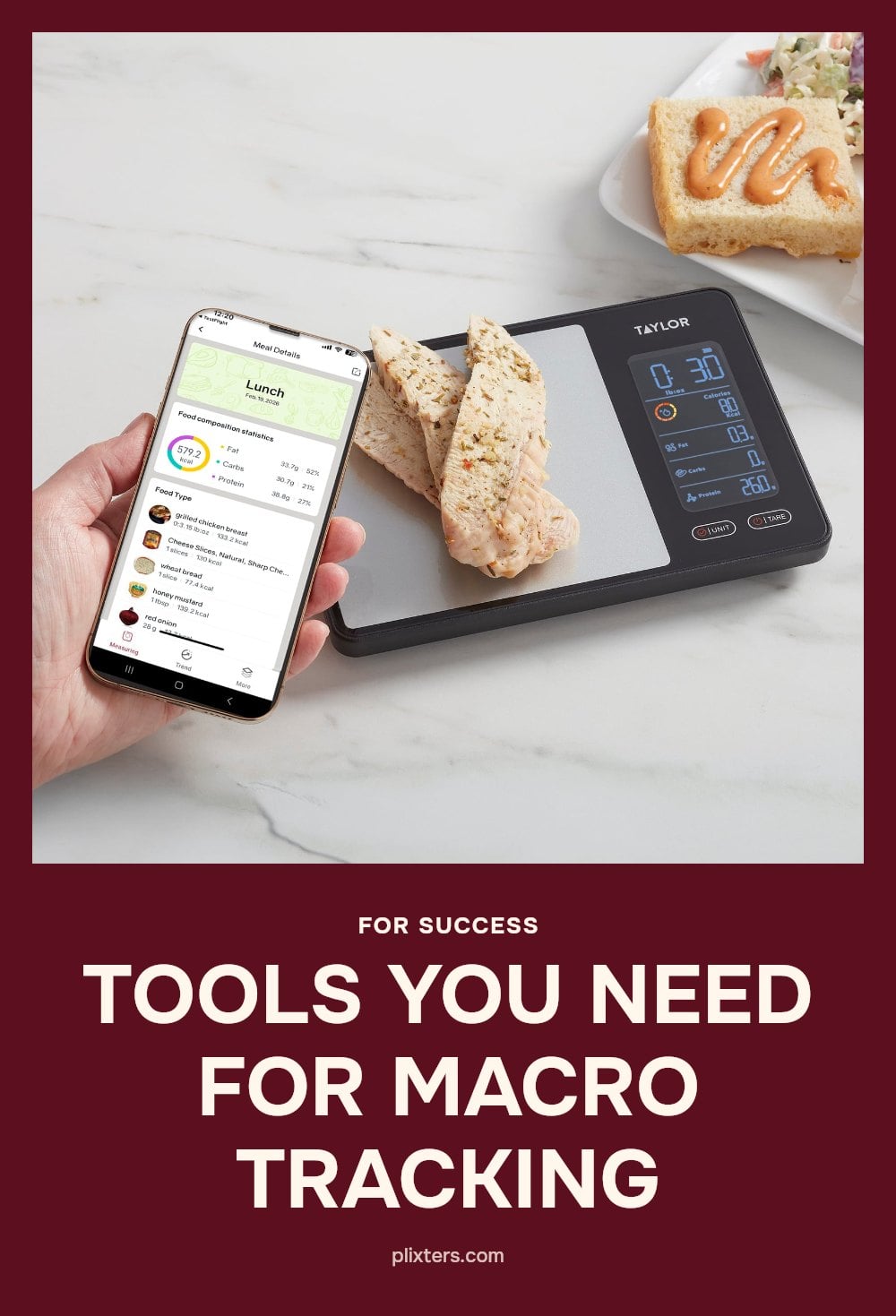
You don’t need a kitchen full of gadgets, but a few basics make tracking far more accurate and less frustrating.
- Food scale: This is your best tool for portioning, especially calorie-dense foods like nuts, cheese, and oils. Eyeballing a serving of peanut butter can easily double your fat grams.
- Measuring cups and spoons: Handy for liquids like milk or yogurt and for smaller quantities like rice or oats.
- Nutrition tracking app or journal: An app speeds up logging with barcode scanning, but a simple notebook works too. The key is recording consistently.
- Calculator: You’ll need it for the initial math to set your calorie and macro targets, and later for adjusting them as your weight changes.
How to Calculate and Set Your Personal Macros

Setting your personal macros starts with knowing your baseline calorie needs. Here’s the step-by-step process.
- Find your BMR: Your Basal Metabolic Rate is the calories your body burns at rest. Use an online calculator that factors in your age, sex, height, and weight.
- Calculate your TDEE: Multiply your BMR by an activity factor (like 1.2 for sedentary, 1.55 for moderately active) to get your Total Daily Energy Expenditure, the calories you burn in a day.
- Set your calorie goal: For weight loss, subtract 300 to 500 calories from your TDEE. For muscle gain, add 200 to 300. For maintenance, keep it as is.
- Pick a macro ratio: A general starting point is 45 to 65% of calories from carbs, 10 to 35% from protein, and 20 to 35% from fat. Choose a ratio that fits your goal, like higher protein for muscle gain.
- Distribute the calories: Multiply your total calories by each percentage, then divide by the calories per gram (4 for carbs and protein, 9 for fat) to get your gram targets.
- Track and adjust: Log your food consistently for two weeks, then tweak if you’re not seeing progress or feel constantly hungry or sluggish.
Caution: These ranges are general, and your needs may differ. If you have health conditions or are unsure, consult a registered dietitian before making significant changes.
Smart Strategies for Successful Macro Tracking

Focus on whole, unprocessed foods like vegetables, lean meats, and legumes. They naturally provide fiber and micronutrients alongside your macros, so your body gets more than just numbers. My tip: Build each meal around a protein source, a vegetable, and a complex carb like quinoa or sweet potatoes.
Consistency matters more than perfection. Tracking 80-90% of days accurately will show results faster than hitting exact numbers three days a week. Use a food scale daily for the first few weeks to train your eye for portion sizes.
Adjust your macros every 4-6 weeks if your weight or activity level changes. A drop in body weight means your calorie needs have shifted, so recalculate your TDEE. Don’t ignore micronutrients either, aim for a variety of colorful fruits and vegetables to cover your vitamin and mineral needs.
Common Macro Tracking Mistakes to Avoid
Not calculating your true calorie baseline before setting macros is a common starting error. Use a TDEE calculator based on your age, weight, height, and activity level to get an accurate number.
Underestimating portion sizes, especially for calorie-dense foods like nuts, oils, and cheese, can throw off your entire day. Tip: Weigh these items every time, even if you think you know the serving by sight.
Focusing only on macros while ignoring food quality leads to low energy and nutrient gaps. A protein bar isn’t the same as grilled chicken with vegetables. Be flexible with your numbers, aiming for a 5-10 gram range on each macro rather than a single exact target. This reduces stress and helps you maintain a healthy relationship with food.
Not adjusting macros as your weight or activity changes means your plan becomes less effective over time. Recalculate every 4-6 weeks. Caution: If you feel hungry or fatigued, listen to those cues before forcing numbers, your body’s signals are more important than hitting a specific ratio.
What to Expect: Timeline and Resources
Noticeable changes in body composition or energy levels can appear within a few weeks, but visible results often take 2-3 months of consistent tracking. Individual metabolism and starting point affect the timeline.
Initial setup costs are minimal. A food scale costs around $10-20, and measuring cups are usually already in your kitchen. Free tracking apps like MyFitnessPal or Cronometer cover the basics, while premium versions add features like custom reports for a monthly fee.
Consulting a registered dietitian or nutritionist for a personalized macro plan typically involves a one-time fee of $100-200 for an initial session, with follow-ups costing less. Many offer virtual appointments.
When to Consult a Professional
If you have a medical condition such as diabetes, kidney disease, or thyroid issues, always consult your doctor or a registered dietitian before changing your diet. Your macro needs may differ significantly from standard recommendations.
Pregnant or breastfeeding women have unique nutritional requirements for both themselves and their baby. A professional can help you set safe macro targets that support your health and milk production.
If tracking macros starts to feel obsessive, causes anxiety around food, or leads to skipping meals to stay within numbers, stop and talk to a therapist or dietitian who specializes in disordered eating. Tip: Even if you feel confident starting on your own, a professional can refine your plan and catch mistakes you might miss.
Frequently Asked Questions
How long does it take to see results from tracking macros?
Noticeable changes in energy or body composition can appear within a few weeks, but visible results often take 2-3 months of consistent tracking. Your individual metabolism, starting point, and how closely you stick to your targets all affect the timeline. Be patient and focus on building a sustainable habit rather than quick fixes.
Can I lose weight by just counting calories instead of macros?
Yes, weight loss can happen with calorie counting alone, since a calorie deficit is the key factor. However, tracking macros helps ensure you’re getting enough protein and fats to preserve muscle and stay satisfied, which can make the process easier and healthier. Many people find macro tracking more effective for long-term results.
Is it okay to eat the same foods every day when tracking macros?
Eating the same foods daily can simplify tracking and help you hit your numbers consistently, but it may lead to nutrient gaps if you don’t vary your choices. Try to include a variety of whole foods to cover vitamins and minerals. If you do repeat meals, rotate your protein and vegetable sources to keep things balanced.
What if I don’t hit my exact macro targets every day?
It’s completely normal to miss your targets occasionally. Aim for consistency over perfection, and don’t stress over a single day. Focus on getting close most days, and use any misses as a learning opportunity to adjust portion sizes or meal planning. If you’re constantly off, revisit your calorie and macro calculations.
Do I need to track macros forever?
No, you don’t have to track macros forever. Many people use it as a learning tool to understand portion sizes and food composition, then transition to intuitive eating once they feel confident. You can also track periodically to check in or when your goals change. The goal is to build skills you can use long-term.
Final Thoughts
If you’re ready to try macro tracking, start by calculating your calorie needs with a TDEE calculator, then pick a macro ratio that fits your goal, whether it’s weight loss, muscle gain, or maintenance. Invest in a food scale and a tracking app, and aim for consistency rather than perfection. You might see changes in energy or body composition within a few weeks, but visible results often take 2-3 months of steady effort.
Remember, macros are a tool, not a rulebook. Listen to your body’s hunger and fullness cues, and adjust as your needs change. If you have a medical condition or are pregnant, check with a professional first. Otherwise, give it a few weeks and see how it feels.
This article is for general informational purposes only and is not a substitute for professional medical or nutritional advice. Always consult a doctor or registered dietitian before starting any new dietary approach, especially if you have a medical condition, are pregnant or breastfeeding, or have a history of disordered eating. If you experience persistent health concerns, seek professional guidance.