 Save
When stress hits, it’s easy to feel like you’re at the mercy of your emotions. But the truth is, you have more control than you think. Coping skills are learned strategies that help you manage stress and difficult emotions, and building a toolkit of healthy ones can make a real difference in your daily life. In this article, I’m sharing 50 practical, healthy ways to handle stress, from quick resets to deeper practices, so you can find what works for you.
Key Takeaways
- Build a diverse toolkit of coping skills for different situations.
- Practice coping skills regularly, not just during a crisis.
- Combine physical, emotional, and cognitive strategies for best results.
- Seek social support from trusted friends or family.
- Be patient with yourself; results take days to weeks of consistency.
53 ideas in this post
- What Are Coping Skills and Why Do They Matter?
- 1. Deep Breathing Exercises
- 2. Mindfulness Meditation
- 3. Journaling Your Thoughts
- 4. Engage in Physical Exercise
- 5. Talk to a Trusted Friend
- 6. Set Healthy Boundaries
- 7. Listen to Calming Music
- 8. Practice Progressive Muscle Relaxation
- 9. Engage in a Creative Hobby
- 10. Spend Time in Nature
- 11. Practice Gratitude
- 12. Cognitive Reframing
- 13. Take a Warm Bath or Shower
- 14. Read a Book
- 15. Drink Herbal Tea
- 16. Do a Digital Detox
- 17. Organize a Small Space
- 18. Cook or Bake
- 19. Play with a Pet
- 20. Watch a Funny Movie or Show
- 21. Do a Body Scan Meditation
- 22. Plan and Prioritize Tasks
- 23. Practice Positive Affirmations
- 24. Diffuse Essential Oils
- 25. Stretch Your Body
- 26. Visualize a Peaceful Place
- 27. Connect with Loved Ones
- 28. Engage in a Hobby
- 29. Declutter Your Home
- 30. Go for a Drive or Walk
- 31. Laugh Out Loud
- 32. Get Adequate Sleep
- 33. Eat Nutritious Meals
- 34. Stay Hydrated
- 35. Learn Something New
- 36. Volunteer Your Time
- 37. Practice Self-Compassion
- 38. Use a Stress Ball
- 39. Sing or Dance
- 40. Do a Puzzle
- 41. Take a Short Break
- 42. Light a Candle
- 43. Practice Forgiveness
- 44. Create a ‘Happy’ Playlist
- 45. Color or Doodle
- 46. Connect with Your Spirituality
- 47. Plan a Fun Activity
- 48. Take a Power Nap
- 49. Practice Mindful Eating
- 50. Do a Quick Clean-Up
- Frequently Asked Questions
- Final Thoughts
What Are Coping Skills and Why Do They Matter?
Coping skills are learned strategies you use to manage stress and difficult emotions. They help reduce stress, navigate challenging situations, and improve your mental well-being. Healthy coping builds resilience over time, while unhealthy coping can actually make problems worse. My tip: develop a diverse toolkit of skills so you can adapt to different challenges as they come.
1. Deep Breathing Exercises
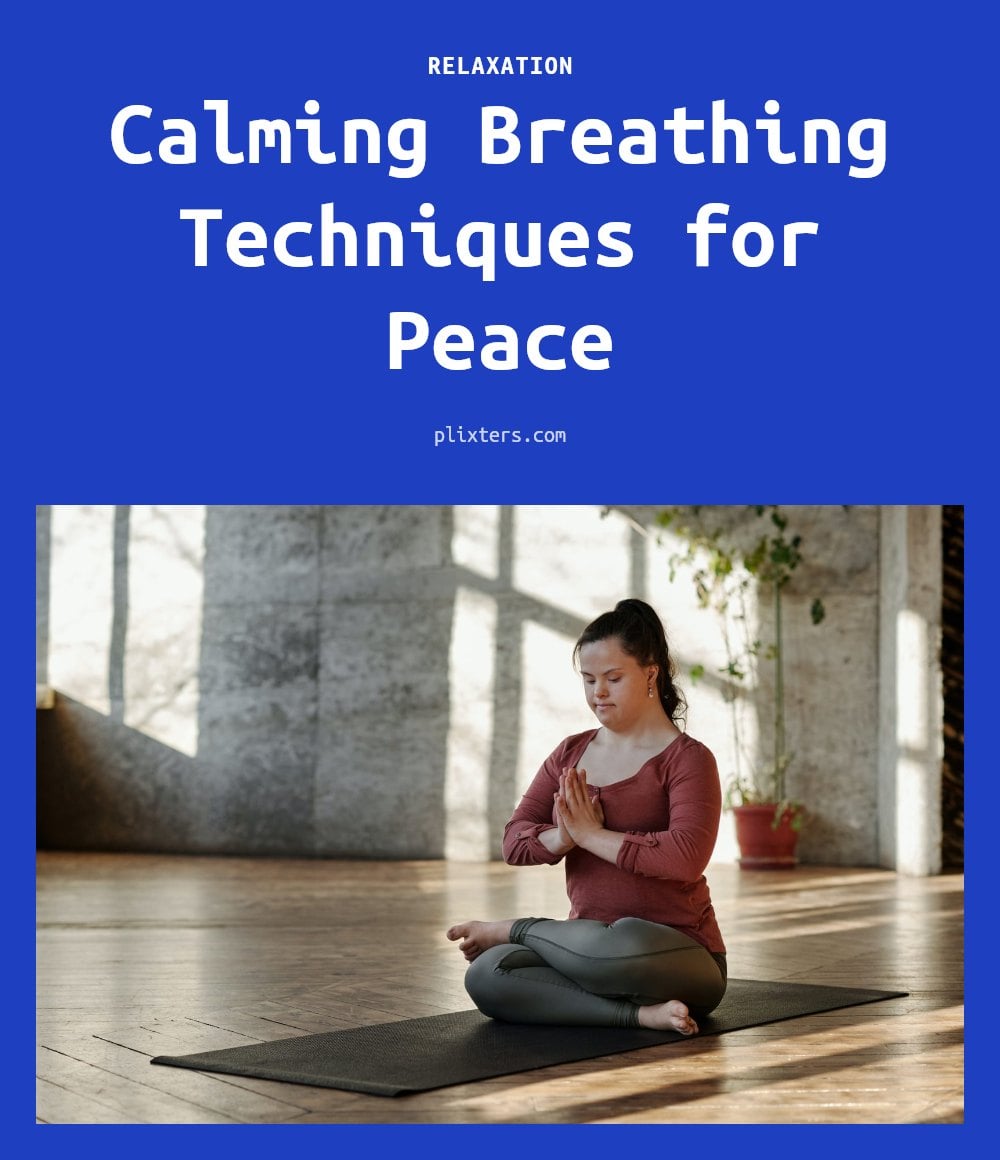
Focus on slow, deep breaths to activate your parasympathetic nervous system, which calms your body quickly. Try box breathing: inhale for 4 counts, hold for 4, exhale for 4, hold for 4. Repeat for several cycles. This technique works because it shifts your body from fight-or-flight mode to a relaxed state.
2. Mindfulness Meditation
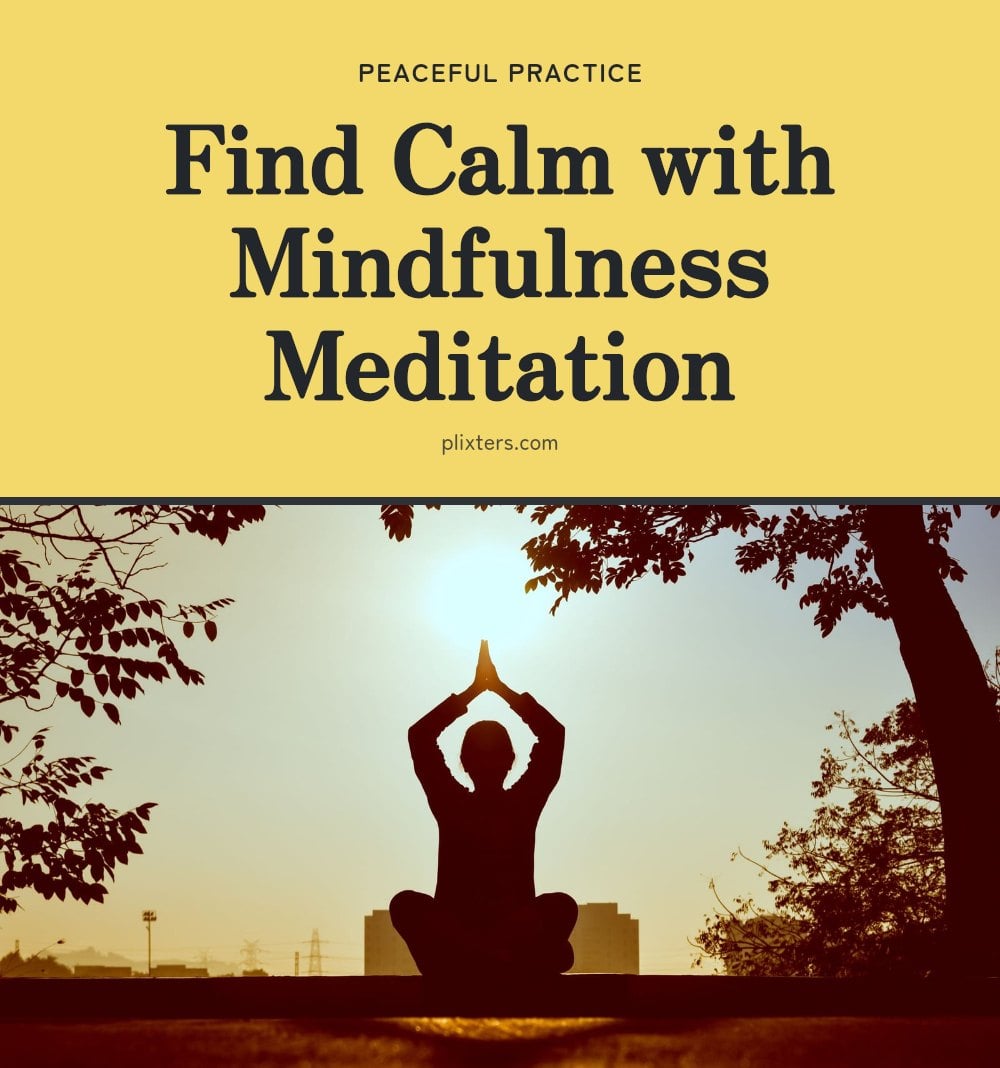
Mindfulness meditation means focusing on the present moment without judgment. This practice reduces rumination and anxiety by training you to observe your thoughts and feelings as they come and go, without getting caught up in them. Even a few minutes a day can make a difference. Tip: start with just 2-3 minutes and gradually increase the time.
3. Journaling Your Thoughts
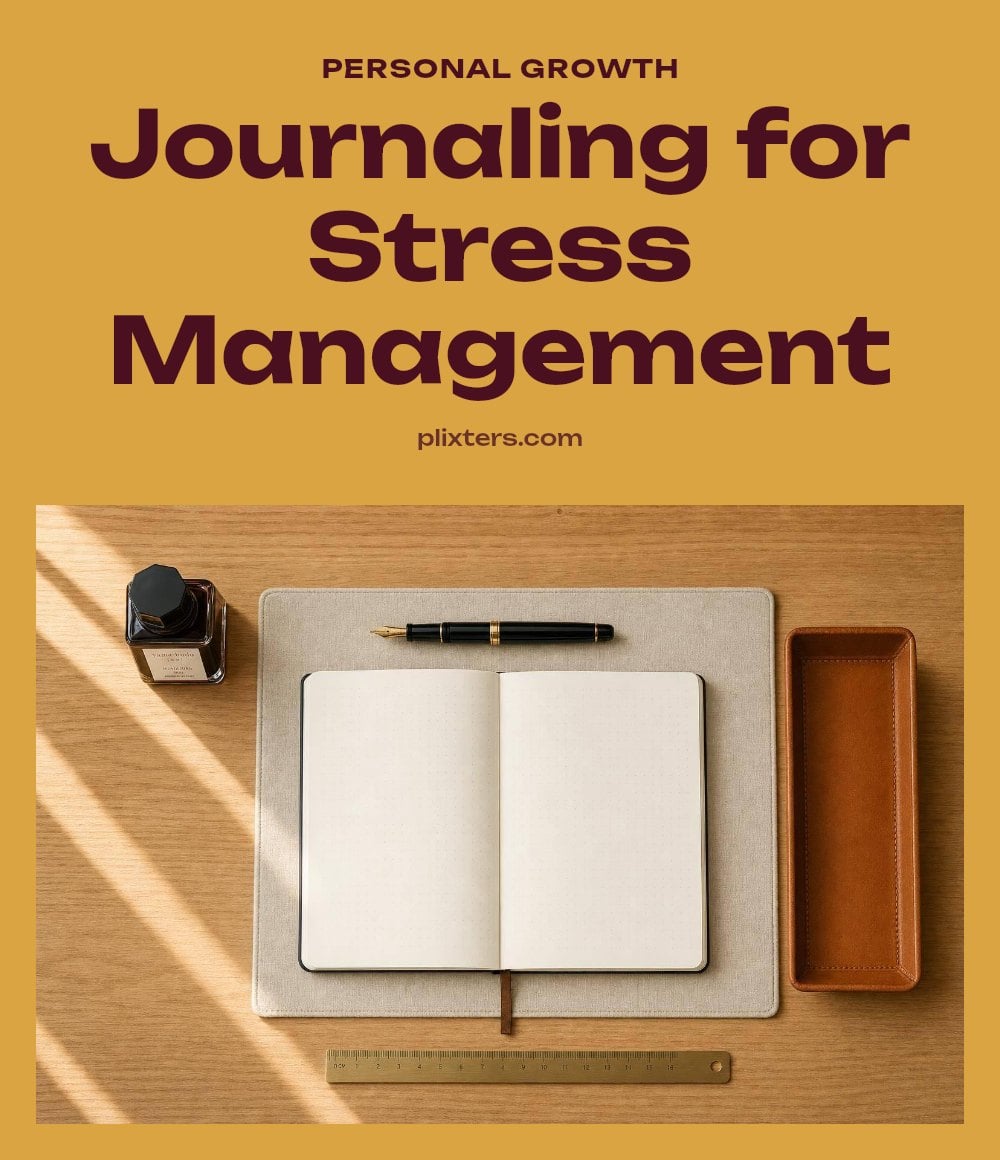
Writing down your feelings and stressors helps you gain clarity and process emotions. It can reveal patterns in your thinking and release pent-up feelings you didn’t even know you were holding. Don’t censor yourself; just let the words flow onto the page. A simple notebook is all you need.
4. Engage in Physical Exercise
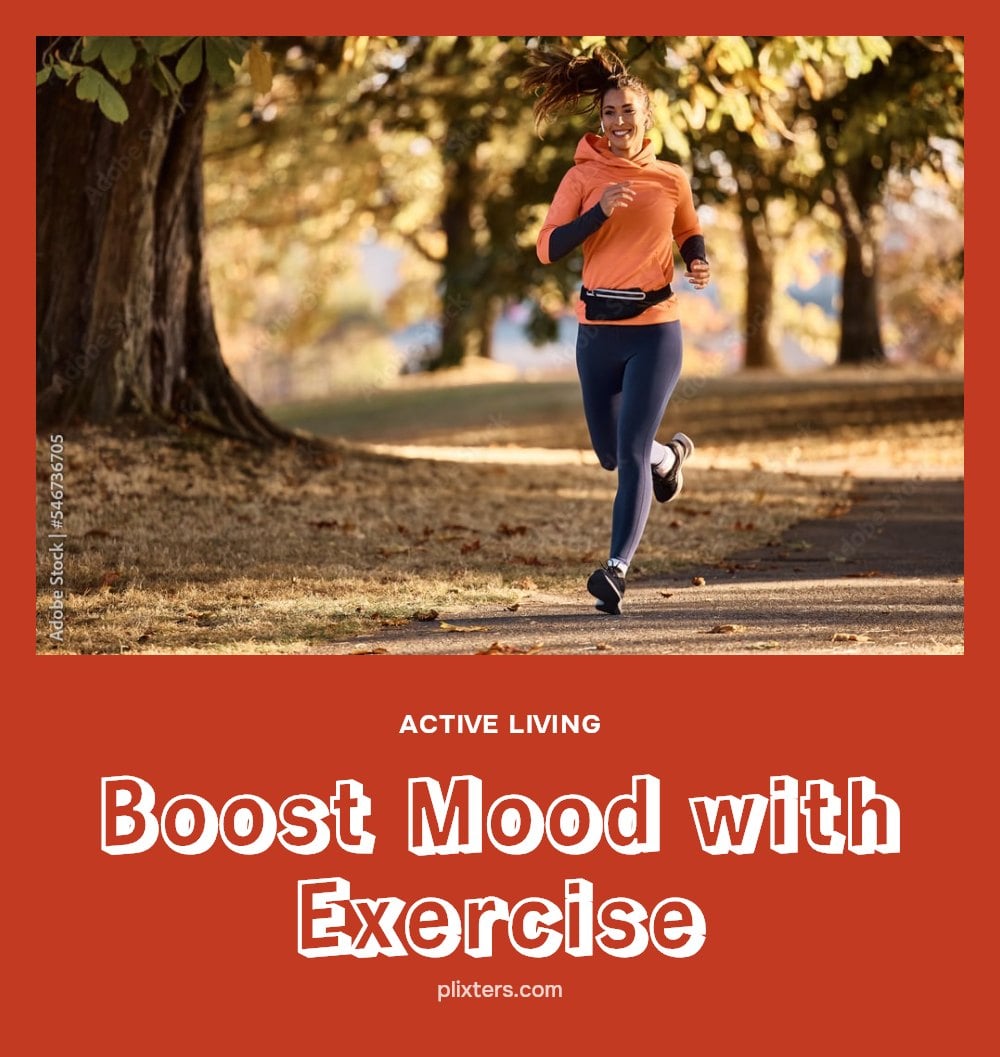
Move your body to release endorphins and reduce stress hormones. Walking, running, or yoga all work. Even a short walk can noticeably improve your mood.
- Choose an activity you genuinely enjoy.
- Start with 10 minutes if you’re short on time.
- Consistency matters more than intensity.
5. Talk to a Trusted Friend
Reach out to someone you trust and share what you’re going through. Social support is a vital coping resource. Verbalizing your concerns can bring relief and new perspectives.
- Pick a friend who listens without judging.
- Be specific about what you need: advice or just a listening ear.
- A quick call or text can make a difference.
6. Set Healthy Boundaries
Say no when you need to protect your time and energy. This prevents overwhelm and resentment, which are major stress drivers. Clear boundaries communicate your needs effectively.
- Start with small boundaries, like declining one extra commitment.
- Use a simple phrase: “I can’t take that on right now.”
- Remember that saying no to others means saying yes to yourself.
7. Listen to Calming Music

Use music to shift your mood and create a peaceful atmosphere. Classical, ambient, or nature sounds are particularly effective for calming your mind.
- Create a playlist specifically for stress relief.
- Play it during a break, while commuting, or before bed.
- Keep headphones handy for immediate access.
8. Practice Progressive Muscle Relaxation
Start with your toes: Tense the muscles in your feet as hard as you can for 5-10 seconds, then release completely. Notice the sensation of relaxation. Work your way up through your calves, thighs, abdomen, hands, arms, shoulders, and face, holding each group before releasing.
This systematic tension-release cycle helps you become more aware of where you hold stress in your body. It also activates your parasympathetic nervous system, which promotes calm. You can do this lying down or sitting, and it takes less than 10 minutes.
Tip: Do this before bed to release the day’s physical tension and improve sleep quality.
9. Engage in a Creative Hobby
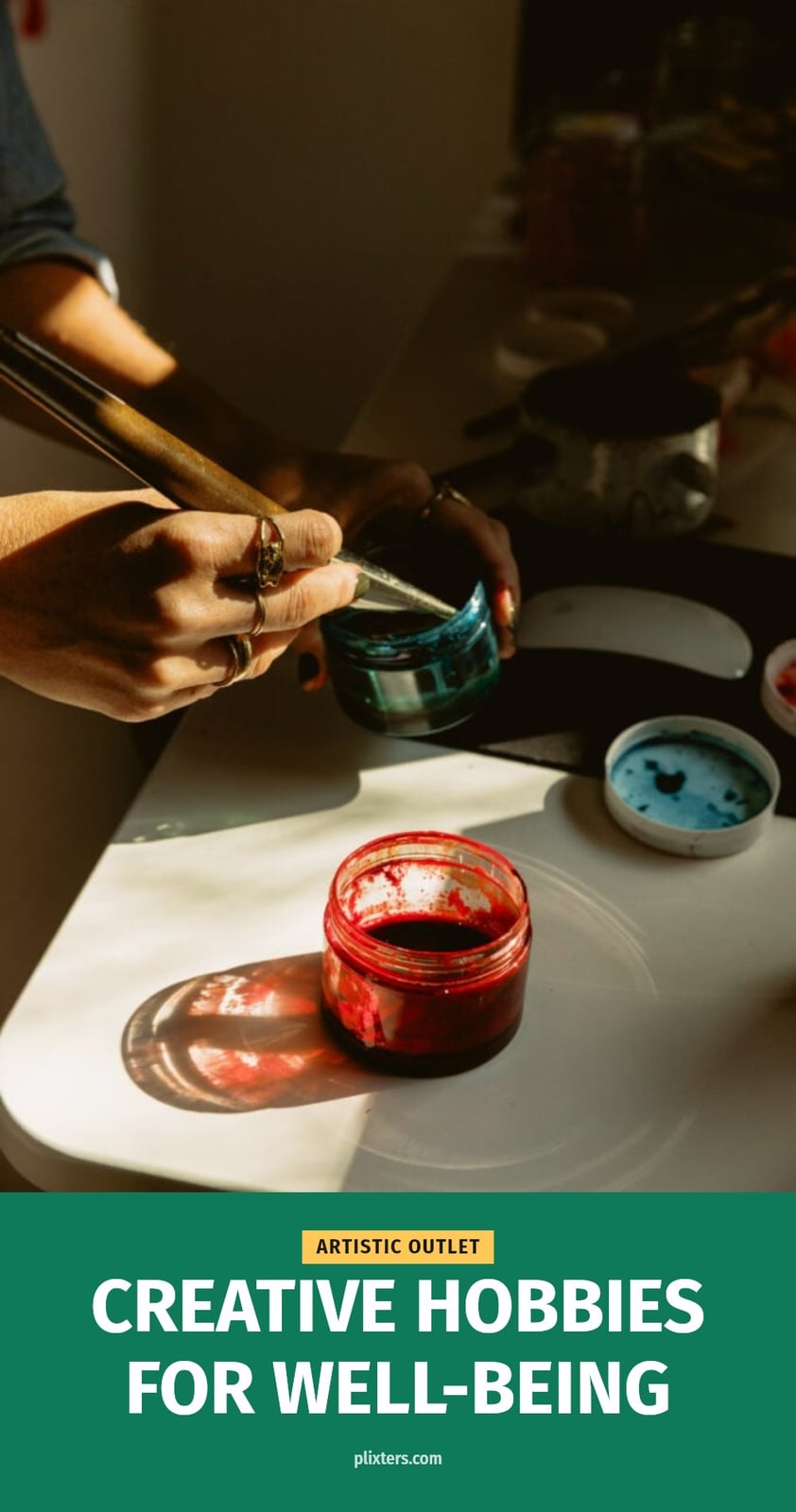
Channel your emotions into art, writing, music, or crafting. The act of creating something externalizes what you’re feeling inside, providing both a release and a sense of accomplishment.
Focus on the process, not the outcome. You don’t need to be skilled or produce anything gallery-worthy. Doodle, paint with your fingers, write a stream-of-consciousness poem, or play a few notes on an instrument. The point is to express yourself without judgment.
This works as both a distraction and a form of emotional processing, giving your mind a break from stressful thoughts while allowing feelings to surface safely.
10. Spend Time in Nature

Step outside and connect with the natural world. A walk in a park, sitting by a lake, or simply observing the sky can reduce stress and improve your mood. The combination of fresh air, natural light, and physical movement works together to calm your nervous system.
Make it a sensory experience: Notice the colors, sounds, and smells around you. Feel the breeze on your skin or the ground beneath your feet. This mindful attention to nature pulls you out of your head and into the present moment.
Even 10-15 minutes outdoors can offer a meaningful shift in perspective and help you feel more grounded.
11. Practice Gratitude
Shift your focus from what’s wrong to what’s right by practicing gratitude. This doesn’t mean ignoring difficult feelings, but intentionally acknowledging the good things in your life, no matter how small.
Keep a gratitude journal: Write down 3 things you’re thankful for each day. They can be as simple as a good cup of coffee, a kind text from a friend, or a sunny morning. If writing feels like too much, simply list things mentally during a quiet moment.
Over time, this practice can reduce negative emotional states and foster a more positive outlook by training your brain to notice the good more readily.
12. Cognitive Reframing
When a negative thought loops in your head, pause and ask yourself: Is this thought truly accurate or helpful? Cognitive reframing means challenging that automatic assumption and replacing it with a more realistic or balanced perspective. For example, instead of thinking “I always mess up,” try “I made a mistake this time, and I can learn from it.” This shift changes your emotional response to the situation, reducing the power of the initial stressor. My tip: Write down the negative thought, then write a kinder, more factual version next to it.
13. Take a Warm Bath or Shower
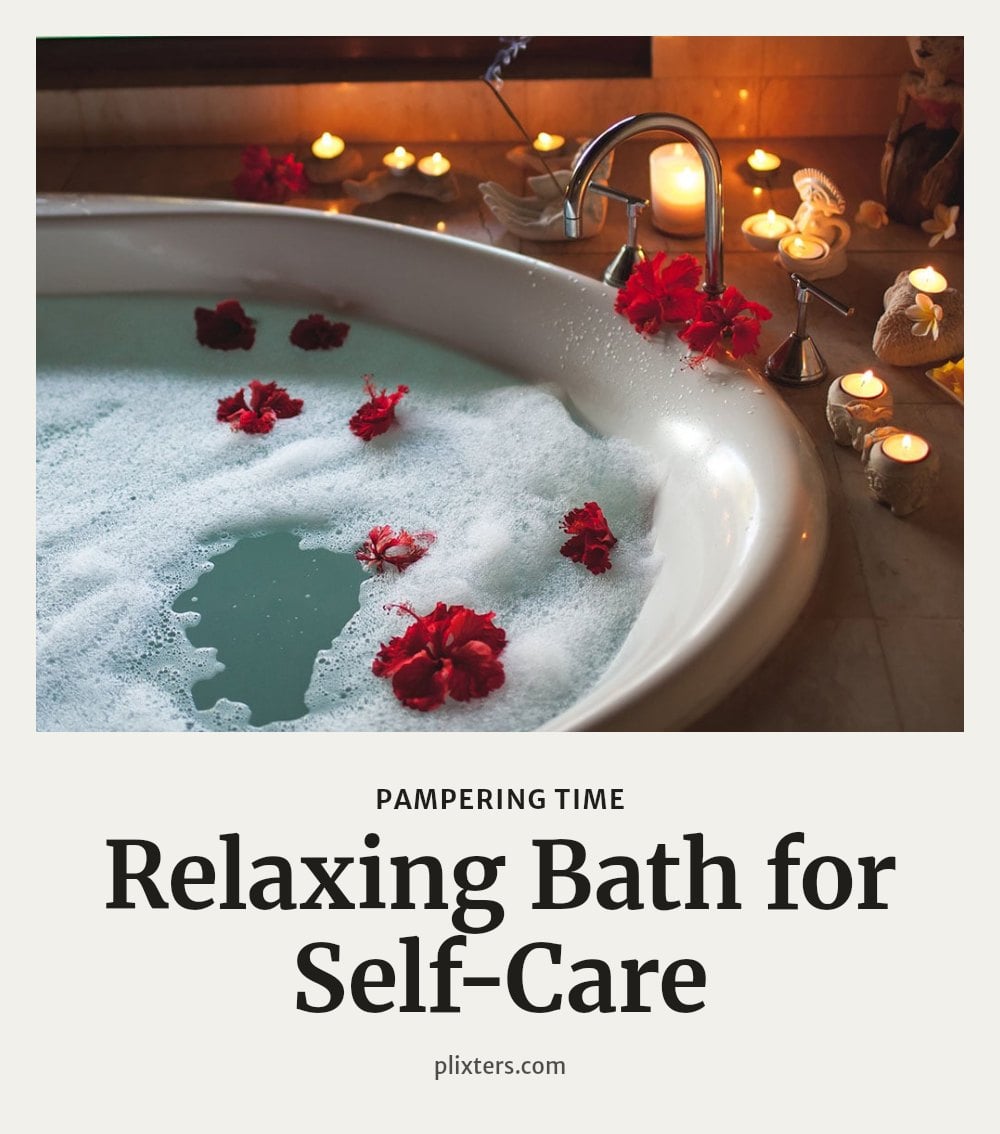
The warmth of a bath or shower relaxes your muscles and soothes your mind, making it a simple physical reset after a stressful day. Add a few drops of lavender essential oil to the water for extra calming effects through your sense of smell. Good to know: Make it a ritual by setting the same time each evening, lighting a candle, and letting the warm water wash away the tension.
14. Read a Book

Reading a book offers a healthy escape from your stressors by transporting you into another world. Choose a genre you genuinely enjoy, whether it’s a gripping thriller, a light romance, or a fascinating nonfiction topic. The focused attention required lowers your heart rate and eases muscle tension, similar to a meditation practice. Pro move: Keep a book on your nightstand and read for even 10 minutes before bed to signal your brain it’s time to unwind.
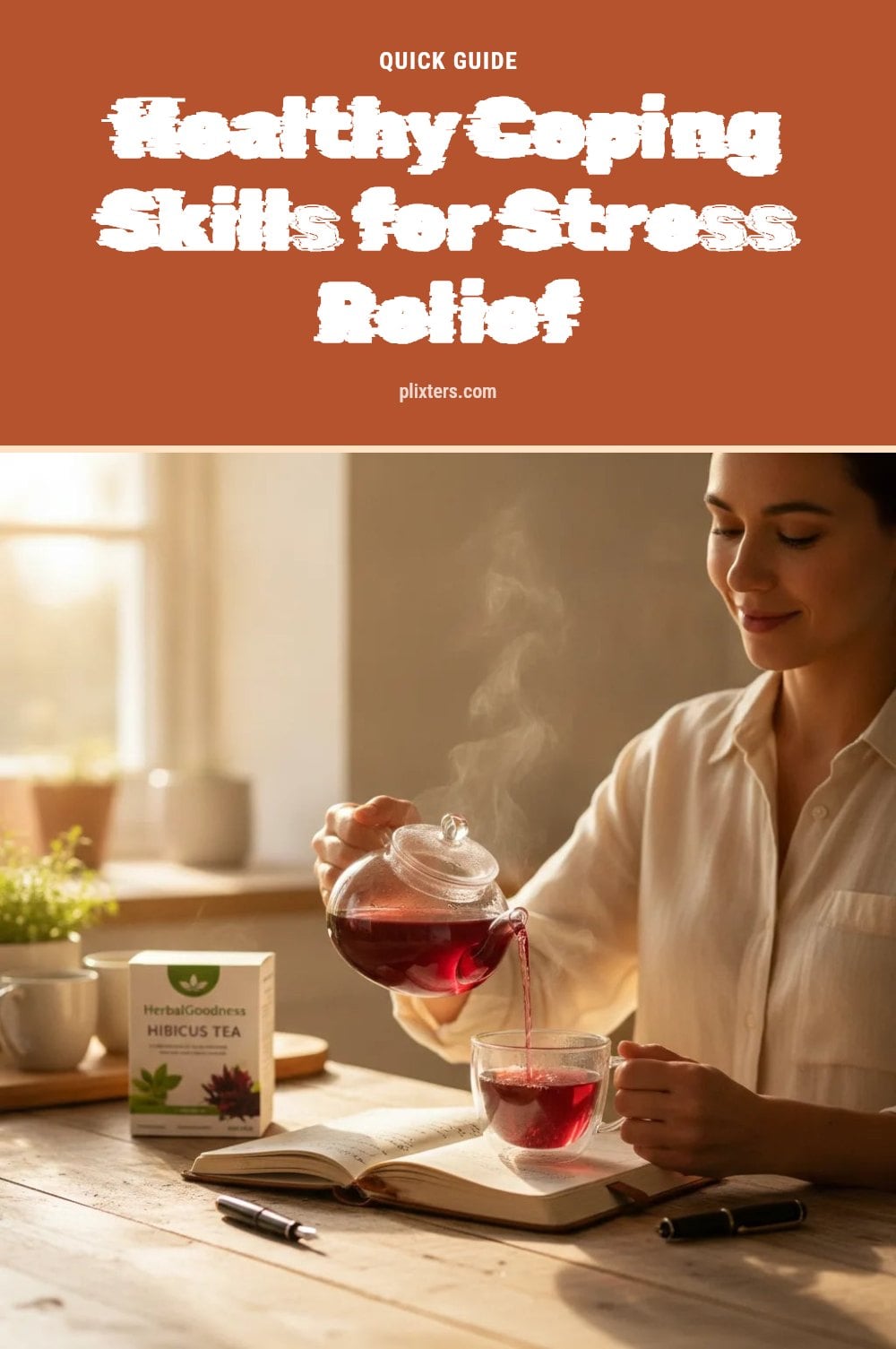
15. Drink Herbal Tea
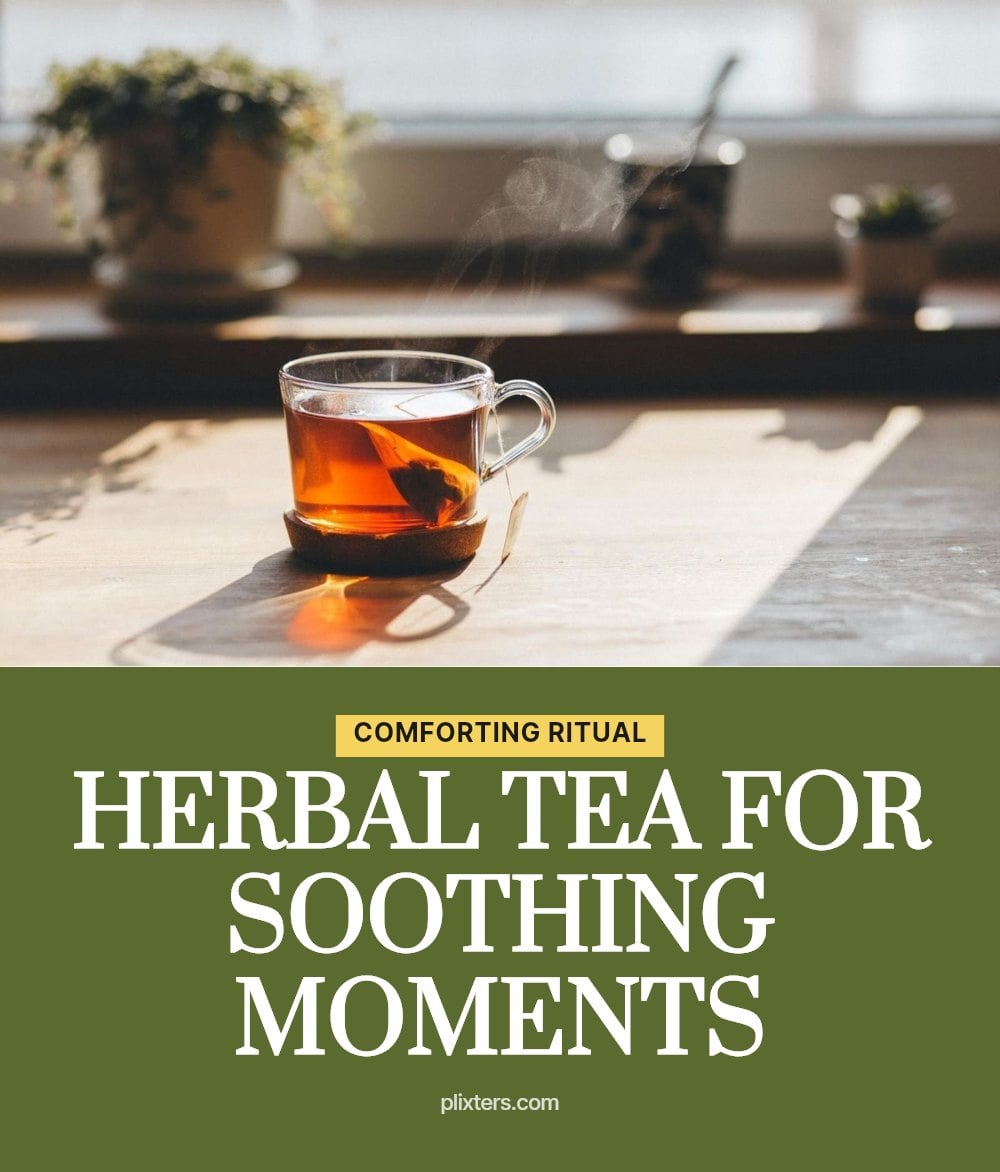
Sipping a warm cup of herbal tea can be a deeply soothing ritual. Certain herbs like chamomile and peppermint are known for their calming properties, which may help ease anxiety and promote relaxation. The act of holding the warm mug and slowly drinking forces you to slow down. Tip: Always choose caffeine-free options, especially in the afternoon or evening, so the drink supports rest rather than stimulating your system.
16. Do a Digital Detox
Step away from screens and social media to reduce the overwhelm and constant comparison that often come with them. Dedicate specific times each day or week to be completely screen-free, like the first hour after waking or a full Sunday afternoon. This break allows your mind to rest and recharge without the noise of notifications and curated feeds.
- Tip: Start with a short screen-free window, such as 30 minutes during your lunch break or right after work. Use that time for a walk, a stretch, or simply sitting quietly.
17. Organize a Small Space
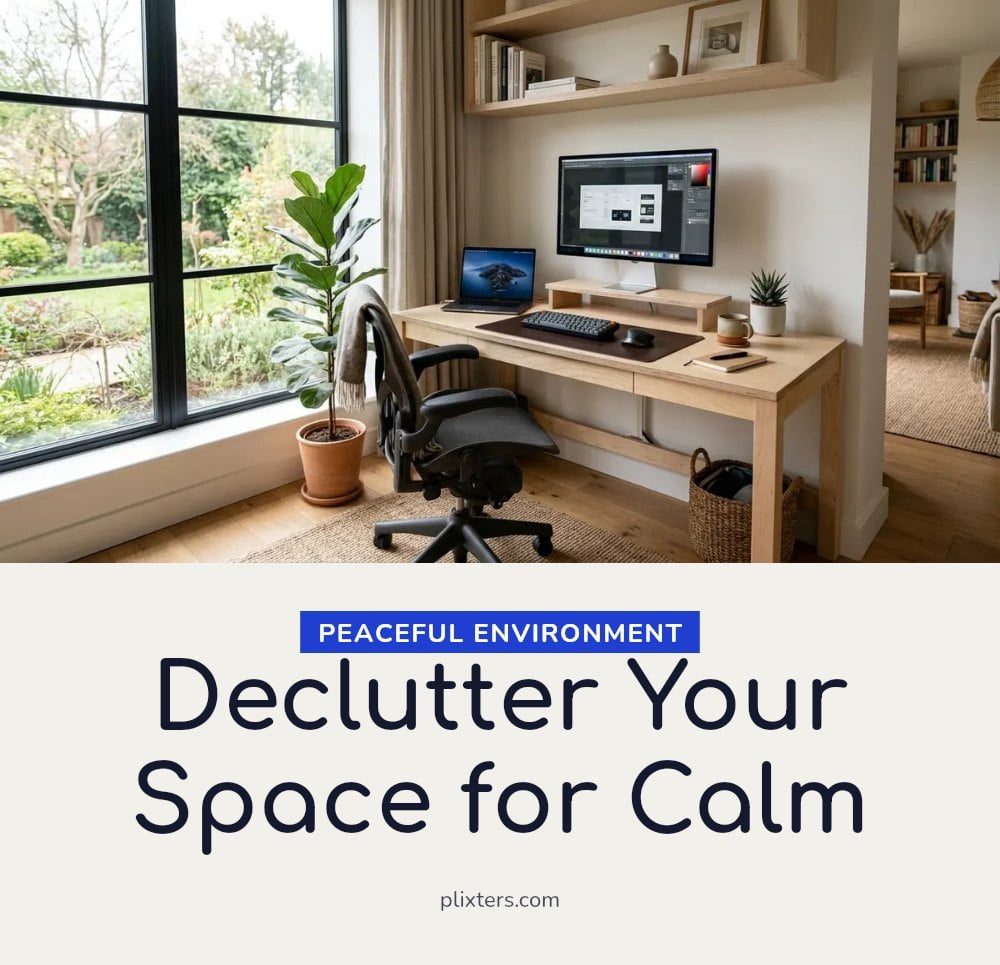
Tidying up even a single drawer or corner of your desk gives you a quick sense of control and accomplishment. A clear physical space often translates into a clearer, less cluttered mind. Start small: pick one shelf or drawer, not the whole room. My tip: set a timer for 10 minutes and stop when it rings, so the task feels manageable, not overwhelming.
18. Cook or Bake
Measuring ingredients, kneading dough, or stirring a pot pulls your attention into the present moment, away from circling worries. The sensory input, the smell of garlic or vanilla, the feel of batter under your fingers, anchors you in the task.
Baking and cooking are meditative because they require focus on a tangible process with a satisfying end result. Start with a simple recipe you know, then try one new ingredient or technique. Comfort foods work too, the familiar steps can be especially soothing.
19. Play with a Pet
Petting a dog or cat for just a few minutes can lower your blood pressure and boost your mood. The unconditional love and playful nature of animals are incredibly comforting, offering a simple way to feel grounded.
My tip: don’t wait until you’re stressed to interact with your pet. Even a brief cuddle session or a game of fetch can shift your focus and release feel-good chemicals in your brain.
20. Watch a Funny Movie or Show
Laughter is a powerful stress reliever that can lighten your mood almost instantly. Pick a movie or show that genuinely makes you laugh, not just one that’s popular. The humor offers a temporary escape and can shift your perspective on your own worries.
Tip: Keep a list of go-to comedies or funny clips on your phone for a quick mood boost when you need it.
21. Do a Body Scan Meditation
Bring awareness to different parts of your body, from your toes to your head, noticing any sensations without judgment. This connects you with your physical self and helps release tension you might not realize you’re holding. It’s a great way to check in with how you’re truly feeling.
Pro move: Lie down or sit comfortably, close your eyes, and slowly move your attention through each body part. Even 5 minutes can make a difference.
22. Plan and Prioritize Tasks
Feeling overwhelmed often comes from looking at a huge task as a whole. Break it down into smaller, manageable steps and write them in a to-do list. This simple act reduces overwhelm and gives you a sense of control.
Caution: Focus only on what you can control and tackle one item at a time. Checking off a single small step can boost your momentum.
23. Practice Positive Affirmations
Repeating positive statements to yourself can challenge negative self-talk and rewire your thought patterns over time. Choose affirmations that resonate with you and your goals, like “I am capable” or “I can handle this.” Consistency is key: say them daily, even when you don’t fully believe them yet.
My tip: Write a few affirmations on sticky notes and place them where you’ll see them regularly.
24. Diffuse Essential Oils
Diffuse essential oils like lavender, frankincense, or bergamot to promote relaxation. The scent molecules travel to your brain’s limbic system, which can trigger calming responses almost immediately. Tip: Use high-quality, pure essential oils in a diffuser for the best effect, and avoid synthetic fragrances that may irritate your senses.
25. Stretch Your Body
Release physical tension and improve flexibility with gentle stretching, focusing on areas where you hold stress like your neck, shoulders, and lower back. Even a few minutes of stretching increases blood flow and eases stiffness in those tight muscles. Hold each stretch for 15-30 seconds without bouncing to avoid injury.
26. Visualize a Peaceful Place
Close your eyes and imagine a calm, safe, and happy place in detail. Engage all your senses: what do you see, hear, smell, and feel in this space? This mental escape can lower your heart rate and shift your focus away from stress, offering a powerful reset for your mind.
27. Connect with Loved Ones
Reach out to family or friends for connection, even if it’s just a quick call or text. Strong social bonds are crucial for emotional well-being, and a brief conversation can remind you that you’re not alone. Tip: Keep a short list of people you can contact when you need support, so reaching out feels easier.
28. Engage in a Hobby
Dedicate time to a hobby you genuinely enjoy, whether it’s gardening, photography, or collecting. The key is that this is about pure enjoyment, not productivity. A hobby provides a healthy outlet because it shifts your focus from stressors to something that brings you joy and satisfaction.
29. Declutter Your Home
A tidy environment can lead to a calmer mind, so start by decluttering one small area like a drawer or a shelf. Physical order often translates to mental order, giving you a sense of control. Avoid tackling the whole house at once to prevent feeling overwhelmed.
30. Go for a Drive or Walk
A change of scenery can clear your head and offer a fresh perspective. Take a drive or a walk, and listen to music, a podcast, or simply enjoy the quiet. The movement itself is therapeutic, helping you reset mentally and physically.
31. Laugh Out Loud
Seek out humor through jokes, funny videos, or witty friends. Laughter releases tension and triggers feel-good chemicals in your brain, making it a natural stress reducer. Even a few minutes of genuine laughter can shift your mood and give you a mental break from whatever is weighing on you.
- Tip: Keep a running list of funny clips or memes on your phone for quick access.
- Call a friend who makes you laugh, or one who listens well, depending on what you need.
32. Get Adequate Sleep
Prioritize 7-9 hours of quality sleep each night to support your mental and physical resilience. When you’re sleep-deprived, stress and anxiety feel more intense because your brain hasn’t had time to recharge. Establish a consistent sleep routine by going to bed and waking up at the same time every day, even on weekends.
33. Eat Nutritious Meals
Fuel your body with balanced meals that include protein, healthy fats, and complex carbohydrates to maintain stable energy and mood throughout the day. Excessive sugar and caffeine can spike your anxiety and lead to crashes later. Focus on whole foods like vegetables, lean proteins, and whole grains to support your overall well-being.
34. Stay Hydrated
Drink enough water throughout the day because even mild dehydration can affect your mood and concentration, making stress feel harder to handle. Keep a water bottle on your desk or in your bag as a visual reminder to sip regularly. Your brain needs proper hydration to function optimally and regulate emotions.
35. Learn Something New
Engage your mind with a new skill or topic to shift your focus away from stressors and into something constructive. Learning something new, whether it’s a language, a recipe, or a craft, boosts your confidence and gives you a sense of accomplishment. It’s a healthy form of distraction that also promotes personal growth.
36. Volunteer Your Time
Volunteering shifts your focus from your own problems to helping others, which provides a sense of purpose and perspective. The act of giving your time can be incredibly rewarding and fosters a feeling of connection to your community. Start with a cause you care about, even just an hour a month.
- Good to know: Start small. A single afternoon at a food bank or animal shelter can give you that perspective boost.
37. Practice Self-Compassion
Treat yourself with the same kindness you would offer a close friend who is struggling. Acknowledge your feelings without harsh self-judgment. You wouldn’t judge a friend for having a hard day, so extend that same grace to yourself.
- Pro move: When you notice self-critical thoughts, silently add “and that’s okay” after them. It softens the judgment.
38. Use a Stress Ball
Squeezing a stress ball channels nervous energy into a simple physical action that releases muscle tension in your hand and arm. It provides a tactile distraction that can help you refocus during a tense meeting or phone call. Keep one on your desk or in your bag for immediate access.
39. Sing or Dance
Put on a song you love and sing along or dance around your living room. Moving your body to music releases pent-up energy and boosts your mood through endorphins. Don’t worry about how you sound or look; the goal is to let go and enjoy the freedom of expression.
40. Do a Puzzle
Puzzles like jigsaw or crossword puzzles engage your mind in a focused, low-stress activity that quiets a busy brain. The concentration required pushes aside racing thoughts and gives you a break from worry. Each completed puzzle or filled-in clue provides a small sense of accomplishment, which can lift your mood.
41. Take a Short Break
Stepping away from your work or stressor for just five minutes can reset your focus and prevent burnout. Walk away from your desk, look out a window, or grab a healthy snack. That short mental break gives your brain time to recharge, so you return more productive and less overwhelmed.
42. Light a Candle
Lighting a candle with a calming scent like vanilla or sandalwood creates a peaceful ambiance in your space. The gentle flicker of the flame and the soft aroma work together as a simple sensory ritual that signals your body it’s time to unwind. It’s an easy way to shift from a stressed state to a calmer one.
43. Practice Forgiveness
Letting go of resentment toward yourself or others frees up emotional energy you can use for more constructive things. Forgiveness is a gift you give yourself, not necessarily the other person. It can be a long process, but releasing that weight is incredibly freeing for your mental well-being.
44. Create a ‘Happy’ Playlist
Curate a list of upbeat songs that instantly boost your mood. Music has a powerful ability to evoke emotions and memories, so choose tracks that have a positive association for you. Keep this playlist handy on your phone and play it whenever you feel your energy or mood dipping.
Use it as an instant pick-me-up when you feel down. Many people find that a familiar, uplifting tune can help lift their spirits quickly, making it a convenient emotion-focused coping tool.
45. Color or Doodle
Color or doodle to engage your brain in a simple, repetitive activity that quiets racing thoughts. Adult coloring books are surprisingly therapeutic because the structured patterns demand just enough focus to pull you away from stress without adding pressure.
Grab a pen and paper and let your hand move without judging the result. There is no right or wrong way to do this, which makes it one of the most low-pressure ways to be creative when you feel overwhelmed.
46. Connect with Your Spirituality
Engage in prayer, meditation, or another spiritual practice that brings you peace. This can provide comfort, meaning, and a sense of connection to something larger than yourself, which often makes stressors feel more manageable. It is not about following any specific religion, but about finding what resonates with your inner self.
- Try: Set aside 5-10 minutes daily for quiet reflection or guided prayer.
- Consider: Reading spiritual texts, spending time in a place of worship, or practicing gratitude as part of your routine.
- Remember: Your spiritual practice is personal, so adapt it to what feels authentic and soothing for you.
47. Plan a Fun Activity
Plan something to look forward to, even if it’s small. A coffee date with a friend, a trip to a bookstore, or a weekend hike can shift your mindset from what feels heavy to what feels hopeful. The anticipation itself is a mood booster. Tip: Put it on your calendar so it feels real and gives you a positive anchor in your week.
48. Take a Power Nap
A short nap of 20-30 minutes can improve alertness and reduce fatigue without leaving you groggy. It is a quick way to recharge your mental batteries when your energy dips mid-afternoon.
Set an alarm before you close your eyes so you wake up refreshed instead of oversleeping. Keep it brief, and you will feel sharper without disrupting your nighttime sleep.
49. Practice Mindful Eating
Pay full attention to the flavors, textures, and smells of your food as you eat. This slows you down and helps you notice when you are full, which can reduce stress-related overeating.
Put your fork down between bites and savor each mouthful. You will enjoy your meal more and feel more satisfied with less.
50. Do a Quick Clean-Up
Tackle one small cleaning task, like washing the dishes or wiping down a counter. A sense of order in your surroundings can bring a surprising amount of calm.
It is a small win that boosts your mood and gives you a quick feeling of accomplishment. Start tiny, and you will likely feel motivated to keep going.
Frequently Asked Questions
What is the difference between problem-focused and emotion-focused coping?
Problem-focused coping directly addresses the source of stress, such as planning, problem-solving, or seeking information. Emotion-focused coping manages your emotional response when the situation can’t be changed, using techniques like relaxation, distraction, or reframing. Both are valuable; you might use problem-focused for a fixable issue and emotion-focused for something beyond your control.
How often should I practice coping skills?
Consistency matters more than intensity. Aim to practice coping skills daily, even for a few minutes, to build proficiency. For example, deep breathing or journaling can be done every day. Over days to weeks of regular practice, you’ll likely see improvements in stress reduction and well-being.
Can coping skills eliminate all stress?
No, coping skills are not about eliminating stress entirely; they help you manage it. Stress is a normal part of life, and even with healthy coping, you’ll still face challenges. The goal is to reduce the intensity of your reaction and build resilience, not to make stress disappear completely.
Is it normal to struggle with finding effective coping skills?
Yes, it’s completely normal. Everyone is different, and what works for one person may not work for another. It takes experimentation and patience to find your go-to strategies. Don’t compare your journey to others, and be kind to yourself as you explore. If you feel stuck, consider seeking professional guidance.
How do I know if a coping skill is healthy?
A healthy coping skill reduces stress without causing harm to yourself or others. It promotes long-term emotional regulation and problem-solving. Unhealthy coping, like substance abuse, excessive eating, or social withdrawal, can worsen stress or create new problems. If a strategy feels harmful or ineffective, discontinue it and try another.
Final Thoughts
My tip: start with one or two coping skills that feel manageable and practice them daily, even when you’re not stressed. This builds your proficiency so they’re ready when you need them. Over time, you’ll notice a shift in how you handle challenges. Remember, coping skills are about managing stress, not eliminating it, so be kind to yourself as you learn. You don’t have to master all 50 at once; pick what resonates and build from there.
This article is for general informational purposes only and is not a substitute for professional medical or mental health advice. If you’re experiencing overwhelming stress, anxiety, or thoughts of self-harm, please reach out to a doctor or mental health professional. Everyone’s situation is unique, so consult a qualified expert for personalized guidance.