
 Save
If you have been noticing fine lines, acne scars, or uneven skin texture, microneedling might be the collagen boost your skin has been waiting for. This popular cosmetic procedure, also known as collagen induction therapy, uses tiny sterile needles to create controlled micro-injuries that stimulate your skin’s natural repair process. In this article, I will walk you through how microneedling works, the differences between professional and at-home options, essential aftercare, and what to expect on your journey to smoother, firmer skin.
Key Takeaways
- Professional microneedling uses needles from 0.5 mm to 2.5 mm for deeper collagen stimulation.
- At-home devices with shorter needles (0.2 mm to 0.5 mm) are best for product absorption and mild texture improvement.
- Always sterilize your at-home derma roller or pen before and after each use to prevent infection.
- Apply broad-spectrum sunscreen with SPF 30 or higher daily after treatment to avoid hyperpigmentation.
- Expect 3 to 6 professional sessions spaced 4 to 6 weeks apart for optimal results.
9 ideas in this post
- What is Microneedling and How Does It Work?
- The Different Types of Microneedling
- Professional vs. At-Home Microneedling: What’s the Difference?
- Essential Aftercare for Microneedling Success
- Common Microneedling Mistakes to Avoid
- Microneedling Timeline and Expected Results
- When to Consult a Professional or Seek Medical Attention
- Frequently Asked Questions
- Final Thoughts
What is Microneedling and How Does It Work?
Microneedling, also called collagen induction therapy (CIT), is a procedure that uses a device with tiny, sterile needles to create controlled micro-injuries in your skin. This triggers your body’s natural wound-healing process, ramping up collagen and elastin production. The result is improved skin texture, reduced fine lines and wrinkles, and less noticeable acne scars.
The Different Types of Microneedling
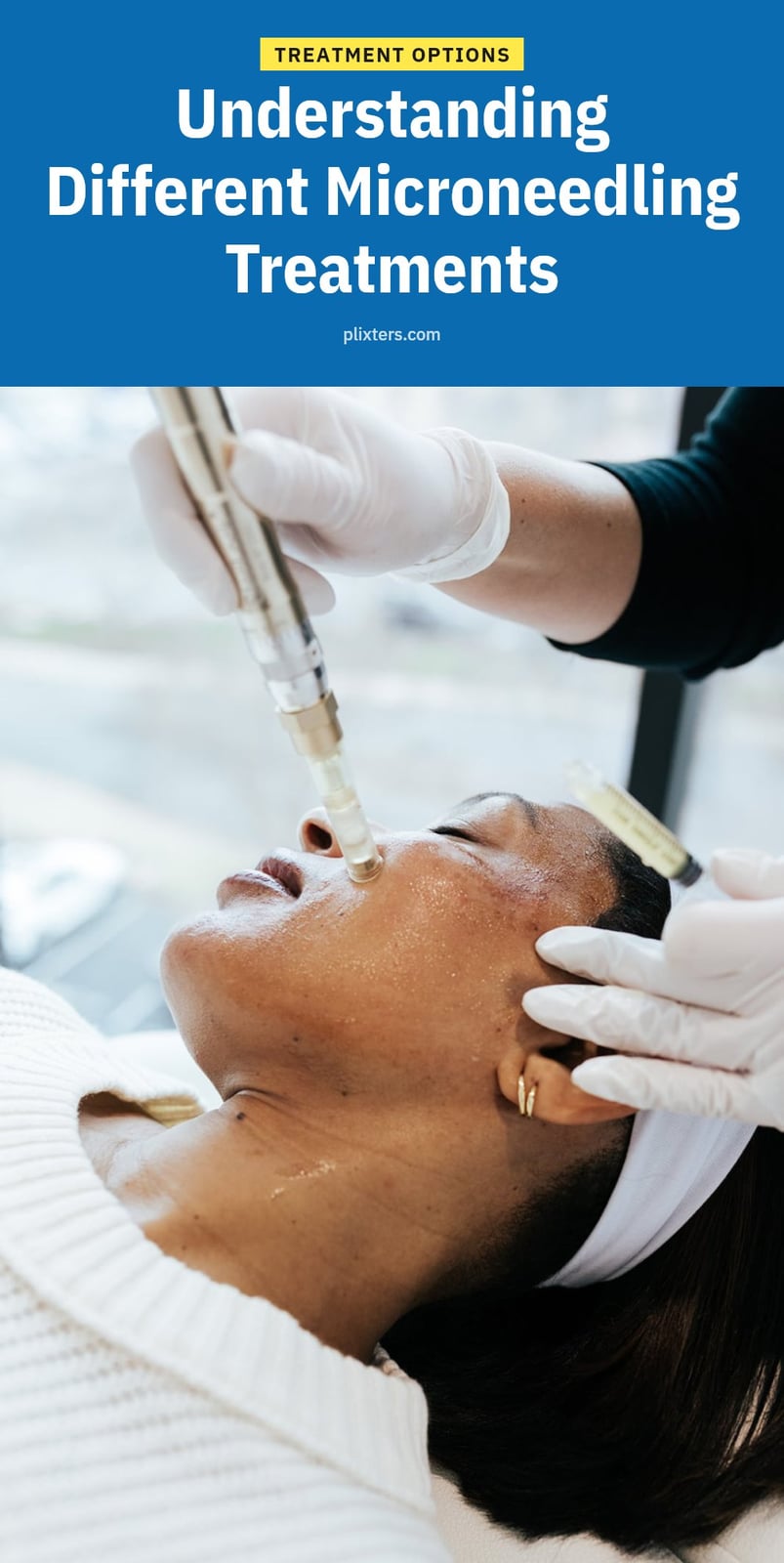
Traditional Microneedling
This is the standard method where a device with fine needles creates microscopic punctures in the skin. The goal is purely mechanical stimulation to boost collagen and elastin.
RF Microneedling
Radiofrequency (RF) microneedling combines the needles with radiofrequency energy. The needles deliver heat deeper into the skin layers, which stimulates even more collagen production and can tighten skin more effectively.
Microneedling with PRP
Platelet-rich plasma (PRP) is derived from a sample of your own blood. The PRP is applied to the skin during or after the microneedling procedure. The growth factors in PRP may enhance healing and amplify the overall results.
Professional vs. At-Home Microneedling: What’s the Difference?
| Feature | Professional | At-Home |
|---|---|---|
| Needle length | 0.5 mm to 2.5 mm | 0.2 mm to 0.5 mm |
| Primary goal | Deep collagen stimulation for significant results | Enhanced product absorption, mild texture improvement |
| Efficacy | High, treats scars, wrinkles, texture | Low, subtle changes, maintenance |
| Safety | Higher, sterile environment, trained professional | Lower, higher risk of infection and scarring if done wrong |
Professional treatments use longer needles (0.5 mm to 2.5 mm) and are performed by trained experts in sterile settings, making them more effective and safer for major concerns. At-home devices are limited to shorter needles (0.2 mm to 0.5 mm) and gentle pressure, best for product absorption and very mild improvement.
Essential Aftercare for Microneedling Success

After microneedling, your skin needs gentle care to heal properly. Cleanse with a mild, non-irritating cleanser and apply a hydrating moisturizer regularly. Use a broad-spectrum sunscreen with SPF 30 or higher every single day to prevent hyperpigmentation.
- What to avoid: Harsh exfoliants, retinoids, and active ingredients like acids for several days.
- Makeup: Do not apply any makeup for at least 24 hours after treatment.
- General care: Stay hydrated, and do not pick or scratch your skin as it heals.
Common Microneedling Mistakes to Avoid
One of the biggest mistakes I see is skipping sterilization. Always clean your derma roller or pen thoroughly before and after each use, otherwise you are pushing bacteria straight into those micro-channels. That is a fast track to infection.
- Too much pressure or long needles: At home, stick to needles no longer than 0.2 mm to 0.5 mm and use gentle pressure. Going longer or pressing hard can cause permanent scarring instead of smoother skin.
- Skipping sun protection: Right after microneedling, your skin is highly vulnerable to UV damage. Skip the SPF and you risk hyperpigmentation that takes months to fade.
- Using active skincare too soon: Retinoids, acids, and other strong ingredients can cause severe irritation on freshly needled skin. Wait several days before reintroducing them.
My tip: treat your skin like a healing wound for the first 48 hours. Gentle cleanser, moisturizer, and sunscreen only. That patience is what actually delivers the glow.
Microneedling Timeline and Expected Results
Professional microneedling treatments are usually scheduled 4 to 6 weeks apart. Most people need 3 to 6 sessions to see their best results. Visible improvements can start after a few weeks, but full results take several months to appear as your collagen rebuilds.
My tip: Be patient and stick with the schedule. Costs vary widely depending on your location, the provider, and whether you choose add-ons like PRP or RF microneedling.
When to Consult a Professional or Seek Medical Attention
Before booking or attempting microneedling, check in with a dermatologist if you have active acne, eczema, psoriasis, rosacea, or cold sores. These conditions can flare up or spread when needles disrupt the skin. Never microneedle over open wounds, infections, or keloid scars, as this can worsen the area and increase scarring risk.
During or after the procedure, stop immediately if you feel excessive pain, notice unusual bleeding, or have an allergic reaction. These are not normal responses and warrant professional evaluation. Seek medical attention for signs of infection, including increased redness, swelling, pus, or fever. When in doubt, let a professional assess your skin before you continue any treatment.
Frequently Asked Questions
How long does it take to see results from microneedling?
Visible improvements can start appearing after a few weeks, but full results usually take several months as your collagen rebuilds. Most people need 3 to 6 sessions to see their best outcomes, so patience and consistency are key.
Can microneedling help with hyperpigmentation?
Microneedling may help improve the appearance of hyperpigmentation by promoting skin renewal and collagen production. However, it is not a guaranteed treatment for all types of discoloration. Consult a dermatologist to determine if microneedling is suitable for your specific pigmentation concerns.
Is microneedling painful?
Professional microneedling often involves applying a numbing cream beforehand to minimize discomfort. You may feel some pressure or a prickling sensation, but most people tolerate it well. At-home devices with shorter needles typically cause little to no pain, though you should avoid using them over sensitive areas.
Can I wear makeup after microneedling?
It is best to avoid applying makeup for at least 24 hours after the procedure, or as advised by your professional. Your skin needs time to heal and breathe, and applying makeup too soon can introduce bacteria and increase the risk of irritation or infection.
How often should you get professional microneedling?
Professional microneedling treatments are typically spaced 4 to 6 weeks apart. This allows your skin to heal and produce new collagen between sessions. Most people need 3 to 6 sessions to achieve their desired results, and maintenance treatments may be recommended afterward.
Final Thoughts
If you are ready to improve your skin’s texture and reduce the appearance of scars or wrinkles, professional microneedling is likely your best bet for noticeable, lasting results. My tip: schedule a consultation with a dermatologist first, especially if you have any skin conditions or are unsure about the right approach. Be patient with the process, as visible improvements typically start after a few weeks, with full results developing over several months. With proper aftercare and sun protection, your skin can look smoother and more radiant.
This article is for general informational purposes only and is not a substitute for professional medical advice. Microneedling may not be suitable for everyone, and results can vary. Always consult a dermatologist or qualified healthcare provider before starting any cosmetic procedure, especially if you have a skin condition or are concerned about potential side effects.




