 Save
You might think washing your hair is as simple as lathering up and rinsing, but the truth is, the right technique makes all the difference for healthy, shiny strands. This article walks you through a simple, step-by-step routine that focuses on gentle cleansing, proper product placement, and avoiding common mistakes that can lead to dryness, greasiness, or damage. You’ll learn how to get your hair truly clean without stripping its natural balance.
Key Takeaways
- Apply shampoo only to your scalp, where oil and buildup collect, not to your hair ends.
- Conditioner goes on the mid-lengths and ends, avoiding the scalp to prevent greasiness.
- Rinse thoroughly until water runs clear to avoid residue that can weigh hair down.
- Detangle with a wide-tooth comb while conditioner is still in your hair for less breakage.
- Blot your hair dry with a microfiber towel instead of rubbing to reduce frizz and damage.
12 ideas in this post
- The Secret to Truly Clean, Healthy Hair
- 1. Gather Your Hair Washing Essentials
- 2. Wet Hair Thoroughly with Lukewarm Water
- 3. Apply Shampoo to Your Scalp
- 4. Rinse Shampoo Completely
- 5. Condition Mid-Lengths and Ends
- 6. Detangle Gently While Conditioning
- 7. Rinse Conditioner Thoroughly
- 8. Dry Hair Gently
- Common Hair Washing Mistakes to Avoid
- Frequently Asked Questions
- Final Thoughts
The Secret to Truly Clean, Healthy Hair
Washing your hair correctly goes beyond just lathering up. It is about a gentle, structured approach that respects your hair’s natural balance. Focus on preparing your hair, choosing the right products for your type, and using techniques that cleanse without stripping natural oils or causing damage. The payoff is healthier, shinier hair, a cleaner scalp, and better overall manageability.
1. Gather Your Hair Washing Essentials
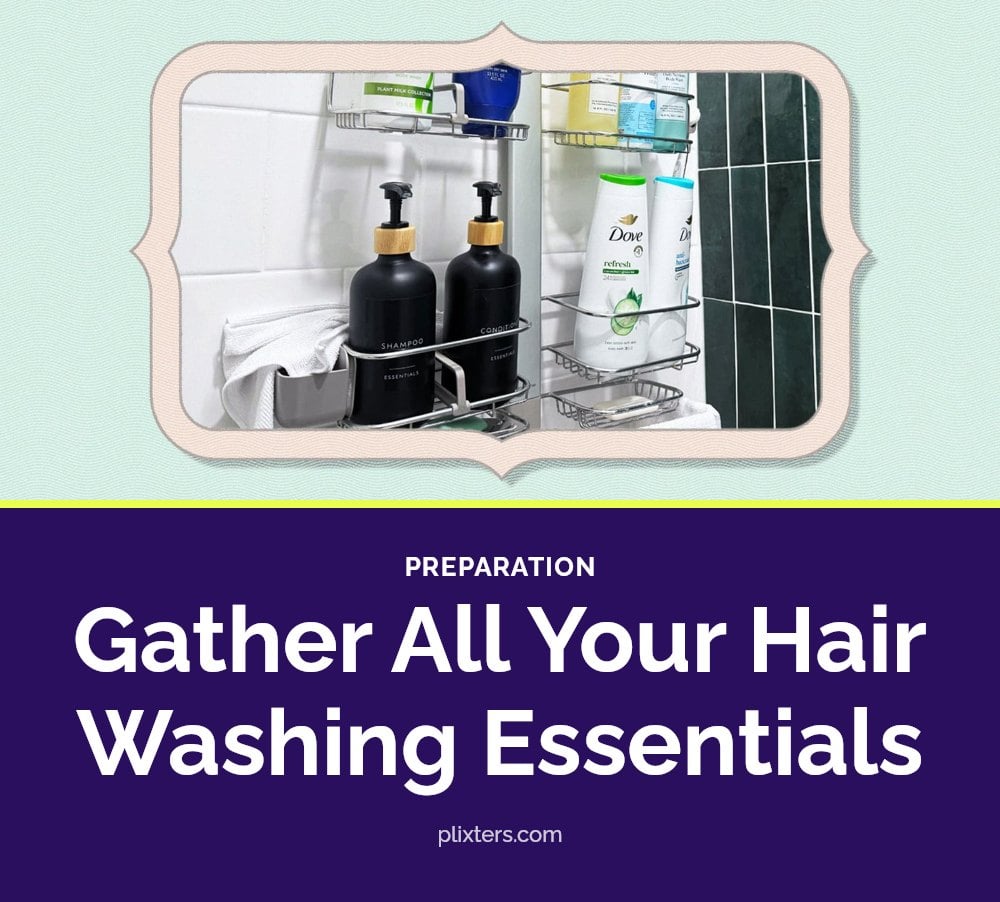
Before you step into the shower, have everything ready. You need a shampoo and conditioner formulated for your specific hair type and concerns.
My tip: If you have color-treated hair, choose sulfate-free products to help preserve your color. For tangles, keep a wide-tooth comb on hand. Other essentials include a microfiber towel and, optionally, a hair mask for extra moisture.
2. Wet Hair Thoroughly with Lukewarm Water

Do not rush this step. Fully saturating your hair is crucial for the shampoo to distribute evenly and create a good lather. Use lukewarm water. Very hot water strips natural oils, leaving hair dry, while cold water may not rinse products effectively.
My tip: Spend at least a minute ensuring every strand is completely wet before reaching for your shampoo. Let the water flow from roots to ends.
3. Apply Shampoo to Your Scalp
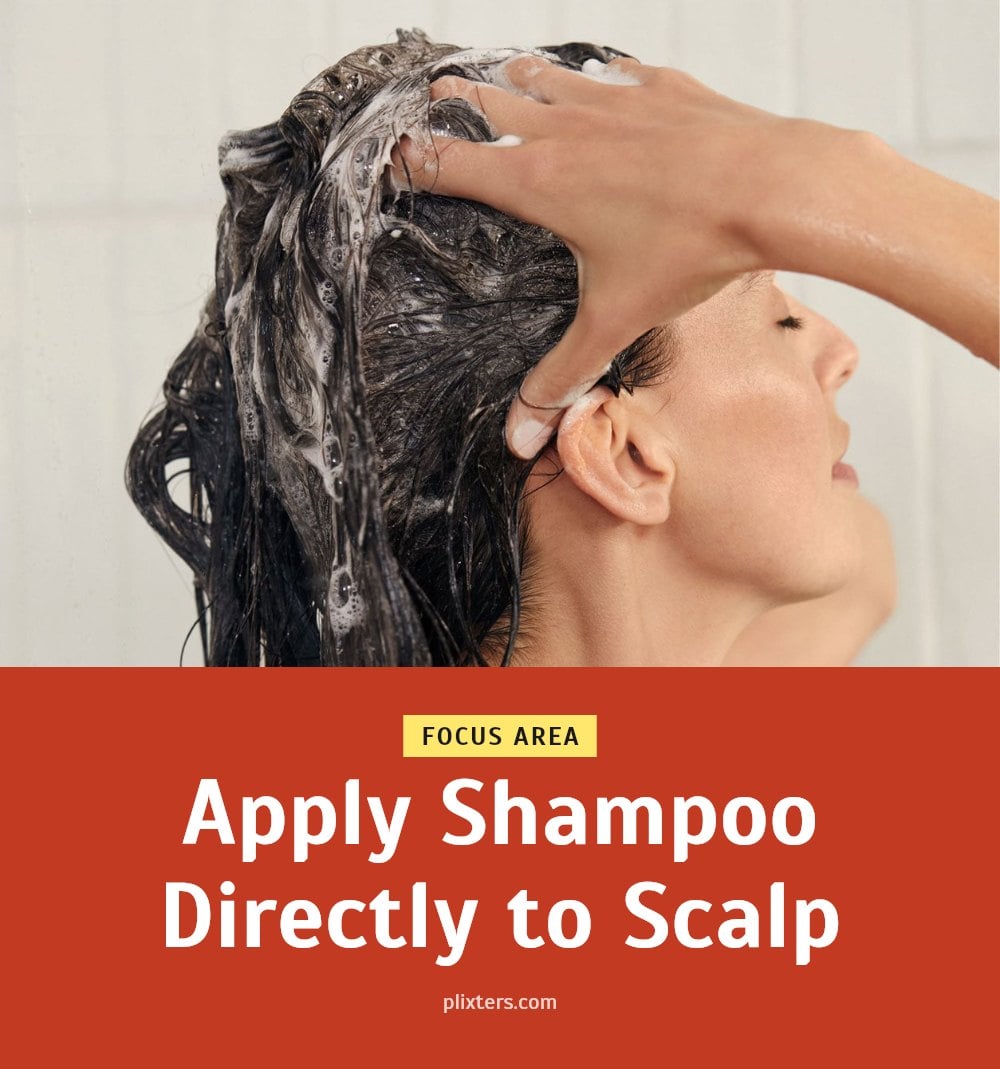
Shampoo is for your scalp, not primarily your hair strands. This is where oil and product buildup accumulate. Dispense about a quarter-sized dollop into your palm, emulsify it with a little water, and apply it directly to your scalp.
Tip: Gently massage your scalp with your fingertips, not your nails, to stimulate circulation and loosen dirt. Avoid piling all your hair on top of your head, as this can cause tangles.
4. Rinse Shampoo Completely
Rinse your hair thoroughly until the water runs completely clear and you feel no slippery residue. This step is vital because leftover shampoo can weigh your hair down, make it look dull, and even irritate your scalp.
Good to know: Take your time, letting the water flow through your hair from roots to ends. An extra 30 seconds of rinsing ensures all traces of product are gone.
5. Condition Mid-Lengths and Ends

After rinsing shampoo, gently squeeze out excess water from your hair. This allows the conditioner to penetrate more effectively.
Apply conditioner mainly to the mid-lengths and ends, which are typically drier and more prone to damage. Avoid applying it directly to your scalp, especially if you have oily hair, as this can lead to greasiness.
Pro move: Leave the conditioner on for the recommended time on the product label for maximum benefits.
6. Detangle Gently While Conditioning
While your conditioner is still in, this is the perfect time to detangle your hair. The conditioner provides slip, making it easier to work through knots without breakage.
Use a wide-tooth comb, starting from the ends and working your way up to the roots. This minimizes stress on your hair.
Quick tip: Be patient and gentle. Never force the comb through tangles.
7. Rinse Conditioner Thoroughly
Just like with shampoo, a thorough rinse is essential for conditioner. Ensure all product is removed until your hair feels clean and smooth, not slippery.
Finishing with a splash of cool water can help seal the hair cuticle, promoting shine and reducing frizz.
Tip: If you’re prone to product buildup, an extra minute of rinsing can make a big difference.
8. Dry Hair Gently
After rinsing, gently squeeze out excess water with your hands. Then use a soft towel, preferably microfiber, to blot your hair dry. Avoid rubbing your hair vigorously with a towel, as this can cause friction, frizz, and damage to the hair cuticle.
Good to know: If you are air-drying, let your hair dry about 70-80% before applying any styling products. If blow-drying, use a heat protectant and the lowest heat setting possible.
Common Hair Washing Mistakes to Avoid
Using too much product: A little goes a long way. Over-shampooing or over-conditioning can lead to residue buildup and weigh hair down.
Not rinsing thoroughly: Leftover shampoo or conditioner can make hair look dull, feel greasy, or even cause scalp irritation.
Washing too frequently or infrequently: The ideal frequency depends on your hair type and activity level. Adjust as needed; there is no one-size-fits-all rule.
Using very hot water: Hot water strips natural oils, leading to dryness and potential damage. Stick to lukewarm.
Aggressively towel-drying: Rubbing your hair roughly with a towel causes friction, frizz, and can damage the hair cuticle. Blot gently instead.
Frequently Asked Questions
How often should I wash my hair?
The right frequency depends on your hair type, scalp oiliness, and activity level. Some people need to wash daily, while others can go a week or more between washes. Pay attention to how your hair feels and looks, and adjust accordingly.
What if my hair still feels greasy after washing?
If your hair feels greasy after washing, you might be applying conditioner to your scalp or not rinsing thoroughly enough. Try focusing shampoo on the scalp, using a clarifying shampoo once a month, and making sure all product is completely rinsed out.
Should I brush my hair before washing?
Brushing your hair before washing can help remove loose hair and tangles, making the washing process smoother. Use a gentle brush or a wide-tooth comb to avoid pulling or breaking strands, especially if your hair is prone to tangling.
Should I shampoo twice?
If your hair is very dirty or has heavy product buildup, a second lather can be helpful. For most people, one thorough wash is sufficient. Over-shampooing can strip natural oils, so only double-lather when your hair truly needs it.
Final Thoughts
For the healthiest results, follow the order: wet thoroughly, shampoo the scalp, rinse completely, condition the ends, detangle gently, and rinse again. One realistic expectation is that your hair might need a few washes to adjust if you change your routine, but you should see less frizz and more shine within a couple of weeks. Stick with lukewarm water and gentle fingertips, and your strands will thank you.
This article provides general information for hair care routines and is not a substitute for professional medical or dermatological advice. If you experience persistent scalp irritation, excessive hair loss, or allergic reactions, please consult a healthcare professional or dermatologist for personalized guidance.