 Save
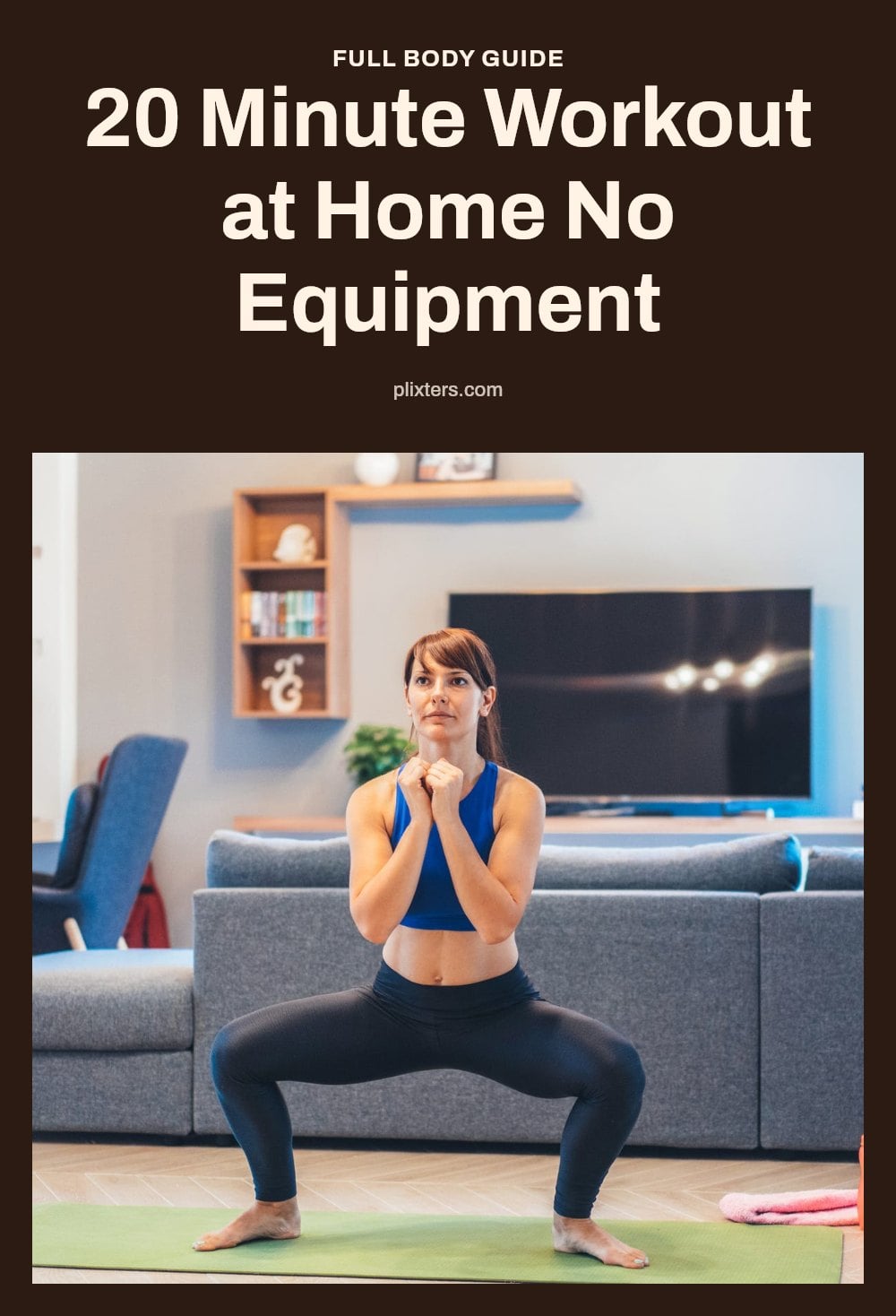
You don’t need a gym membership or fancy equipment to get a great workout. A focused 20-minute routine at home can boost your heart health, build strength, and improve flexibility. This article covers a simple, no-equipment workout you can do in your living room, plus tips on warm-ups, cool-downs, and how to build a consistent weekly schedule.
Whether you’re short on time or prefer exercising in private, this routine is designed to fit into your day. The key is to focus on proper form and listen to your body, so you get the most out of every move without risking injury.
Key Takeaways
- Warm up for 5 minutes and cool down for 3-5 minutes before and after each workout.
- Focus on proper form over speed or extra reps to prevent injury and maximize results.
- Aim for 3 to 5 home workouts per week with at least one full rest day between intense sessions.
- Modify exercises, like doing knee push-ups, to match your current fitness level.
- Noticeable improvements in strength and endurance often appear within 4 to 6 weeks of consistent effort.
13 ideas in this post
- What You Need for Your Home Workout
- 1. Warm-Up: Arm Circles
- 2. Warm-Up: Leg Swings
- 3. Bodyweight Squats
- 4. Push-Ups (Modified if Needed)
- 5. Lunges
- 6. Plank
- 7. Cool-Down: Hamstring Stretch
- 8. Cool-Down: Triceps Stretch
- Your Weekly Home Workout Schedule
- Common Home Workout Mistakes to Avoid
- Frequently Asked Questions
- Final Thoughts
What You Need for Your Home Workout
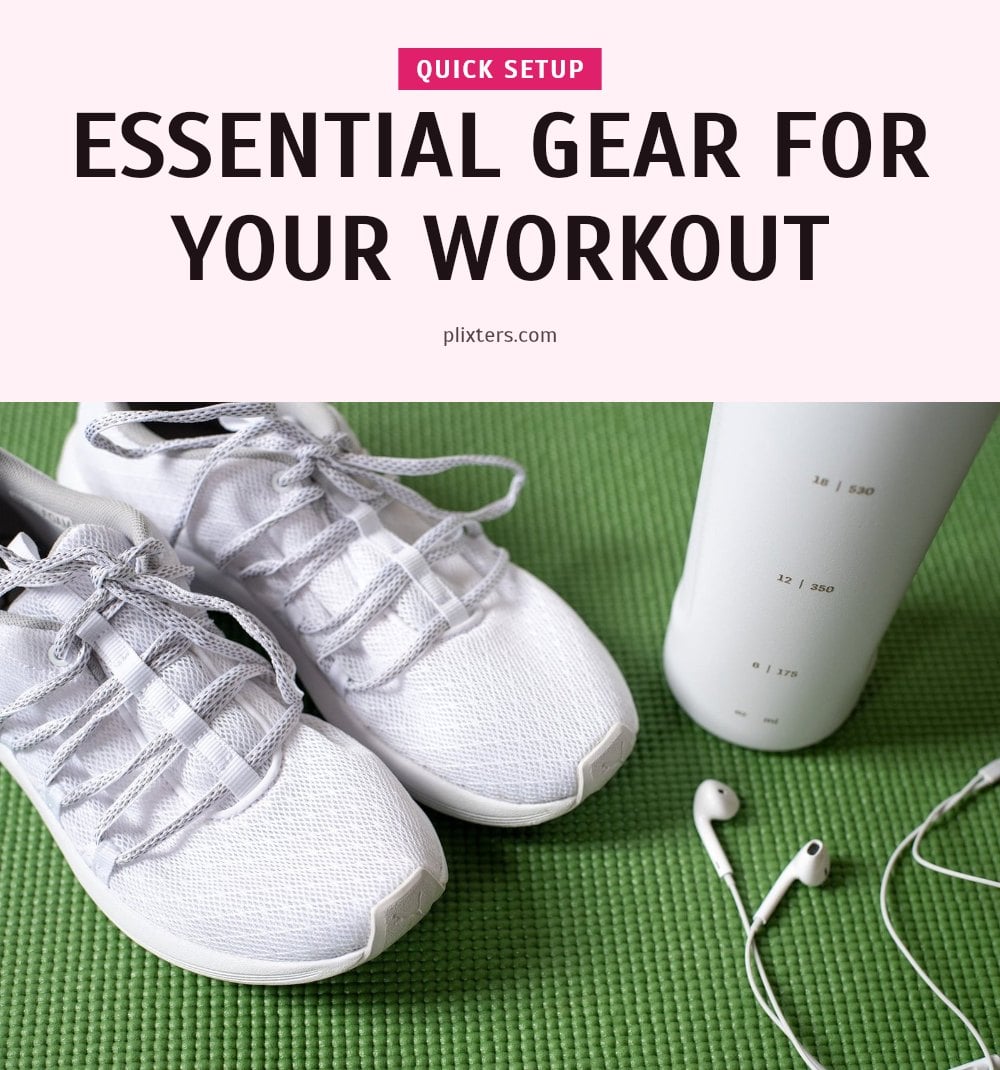
You do not need much to get a solid workout at home. Wear comfortable athletic clothing that lets you move freely. Supportive athletic shoes help prevent slips and provide cushioning for jumps and lunges. Keep a water bottle nearby to stay hydrated. An exercise mat is optional but nice for comfort on hard floors. Use a timer or stopwatch to track intervals and rest periods.
1. Warm-Up: Arm Circles
Stand tall with your feet shoulder-width apart and arms extended straight out to the sides. Make small forward circles for 30 seconds, then gradually increase the size of the circles. Reverse direction and do backward circles for 30 seconds, again increasing the size as you go. Keep the movement controlled to warm up your shoulders and upper back.
- Time: 60 seconds total (30 seconds forward, 30 seconds backward)
- Form cue: Keep your shoulders down and relaxed, not hunched up toward your ears.
- Make it easier or harder: Start with tiny circles and grow them slowly; to increase difficulty, hold a light object in each hand.
2. Warm-Up: Leg Swings
Stand next to a wall or chair for balance with your feet hip-width apart. Swing one leg forward and backward in a controlled motion for 30 seconds. Keep your core engaged and avoid arching your back. Switch legs and repeat for another 30 seconds, focusing on hip mobility.
- Time: 60 seconds total (30 seconds per leg)
- Form cue: Keep your torso still and let the movement come from your hip, not your lower back.
- Make it easier or harder: Reduce the range of motion if you feel tight; to increase difficulty, swing higher while maintaining control.
3. Bodyweight Squats
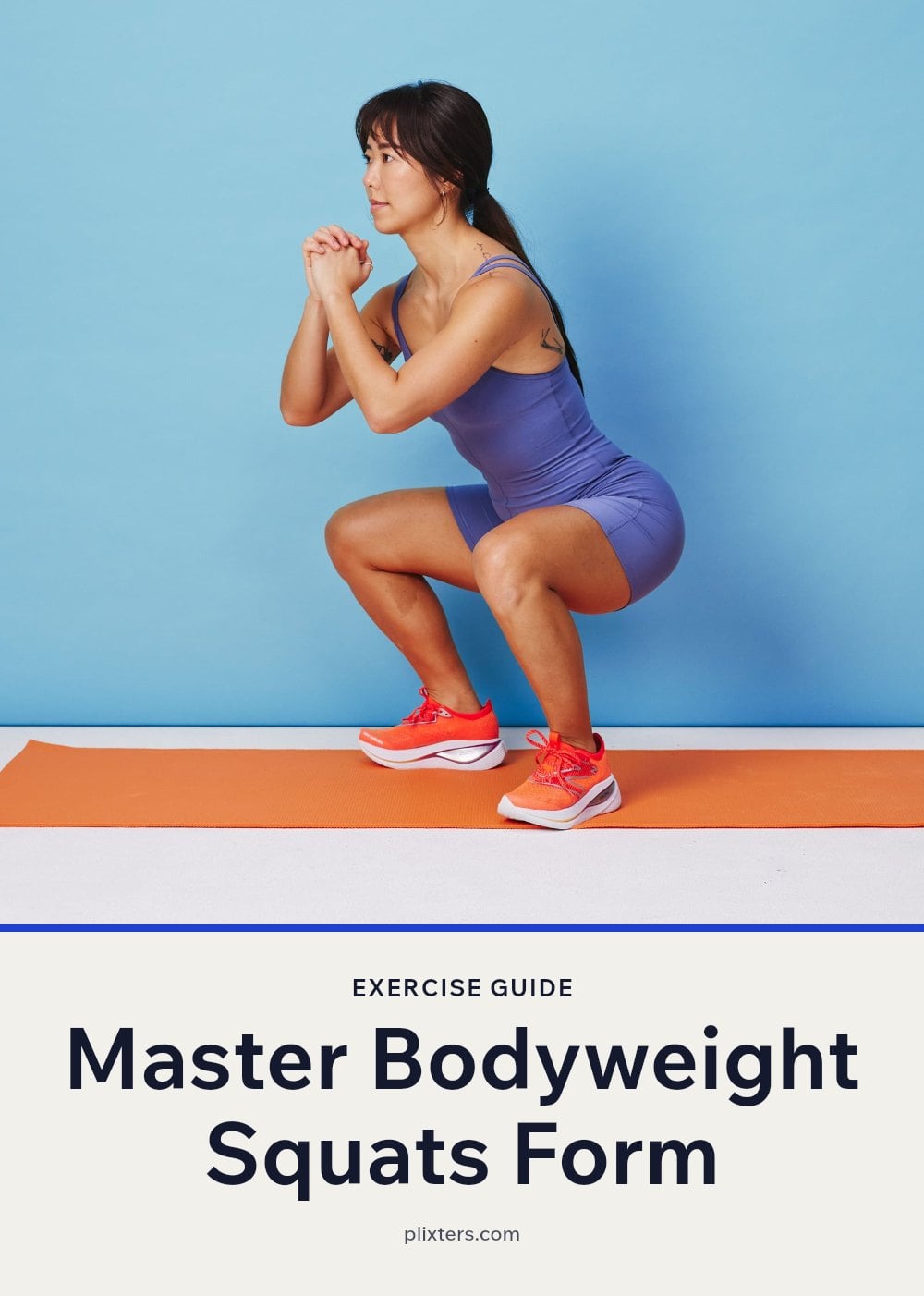
Stand with your feet shoulder-width apart and toes pointing slightly out. Lower your hips as if sitting in a chair, keeping your chest up and back straight. Aim for your thighs to be parallel to the floor, then push through your heels to return to standing. My tip: Keep your knees aligned with your toes throughout the movement.
- Sets and reps: 3 sets of 10-12 repetitions
- Form cue: Keep your weight in your heels and your chest lifted.
- Make it easier or harder: Reduce the depth of the squat if needed; to increase difficulty, slow down the lowering phase or add a pulse at the bottom.
4. Push-Ups (Modified if Needed)
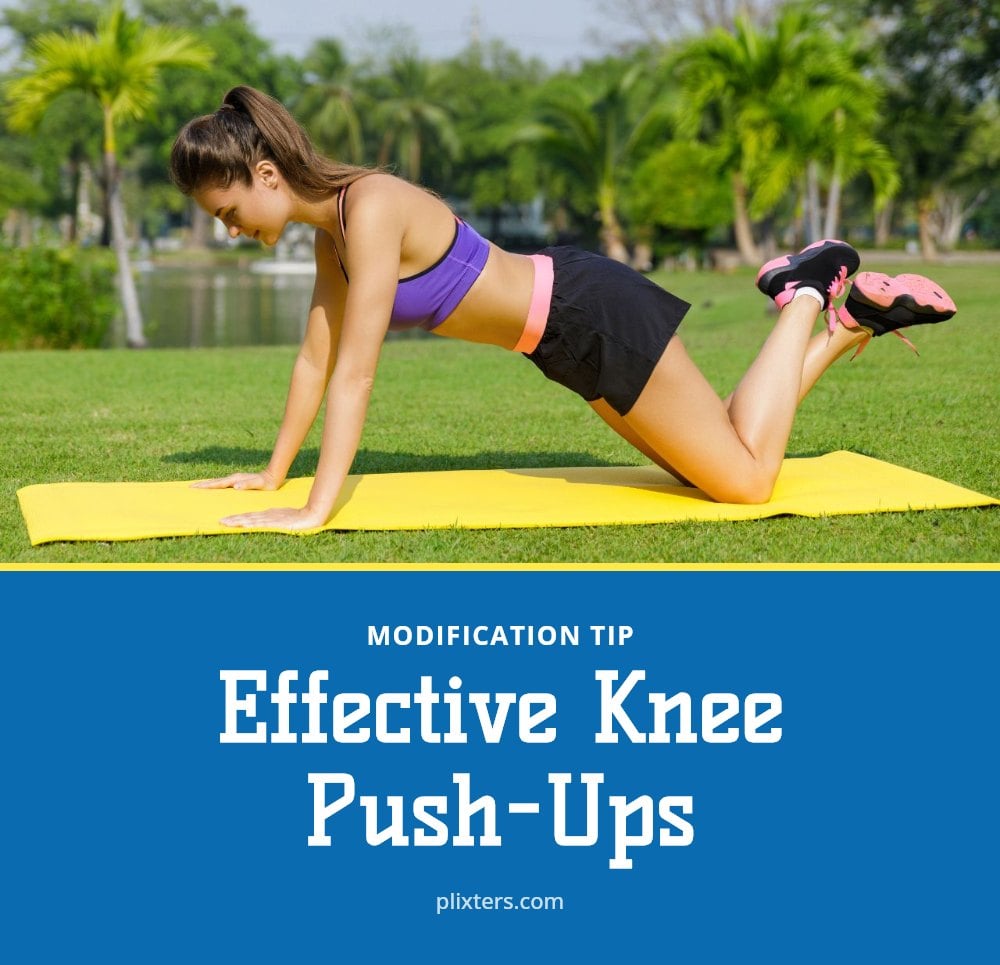
Start in a plank position with your hands slightly wider than shoulder-width apart. Lower your chest toward the floor while keeping your body in a straight line, then push back up to the start. If full push-ups are too challenging, drop to your knees for the same movement.
- Sets and reps: 3 sets of 8-10 repetitions.
- Form cue: Engage your core to prevent sagging hips.
- Make it easier or harder: Easier: knee push-ups. Harder: slow the lowering phase to 3 seconds.
5. Lunges
Stand with your feet hip-width apart. Step one leg forward and lower your hips until both knees bend at a 90-degree angle. Your front knee should sit directly above your ankle, and your back knee should hover just above the floor. Push off your front foot to return to standing.
- Sets and reps: 3 sets of 8-10 repetitions per leg.
- Form cue: Keep your torso upright and your weight evenly distributed.
- Make it easier or harder: Hold a wall for balance, or add a pause at the bottom for more challenge.
My tip: Keep your torso upright so your front knee stays aligned with your toes.
6. Plank
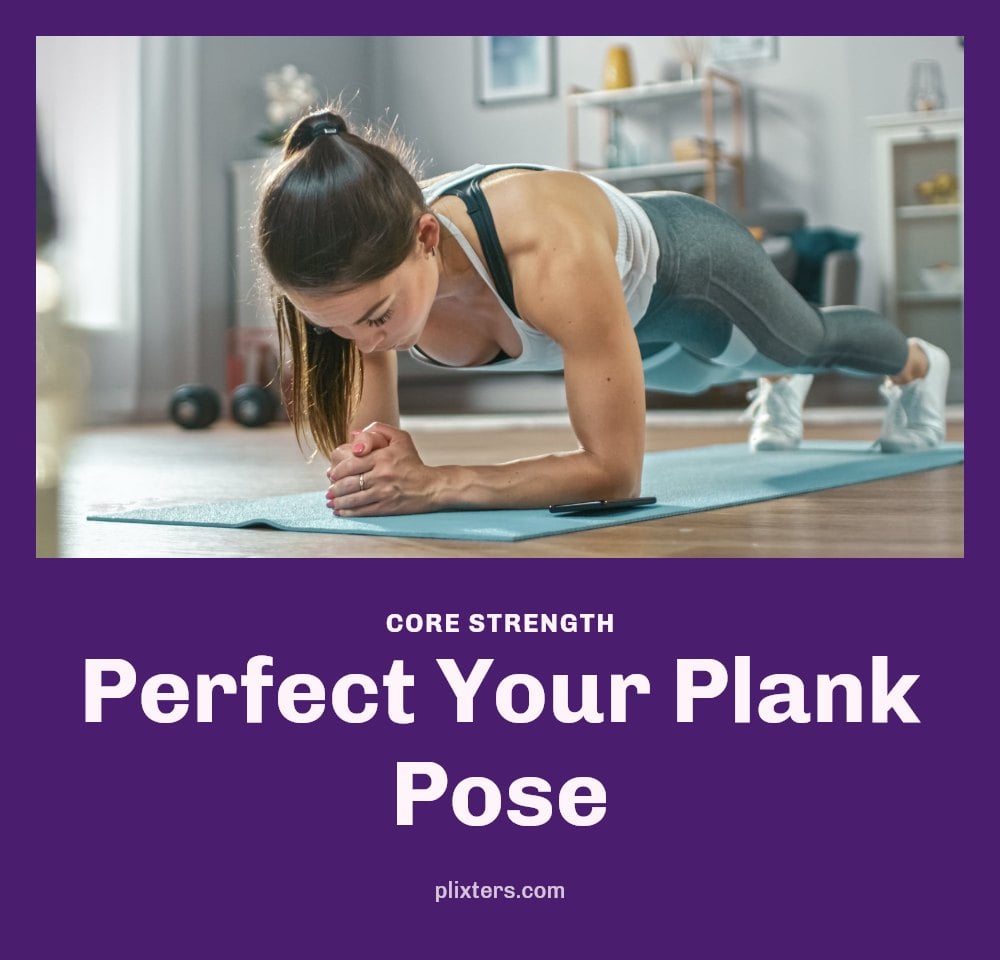
Lower onto your forearms from a push-up position, elbows directly under your shoulders. Keep your body in a straight line from head to heels, and engage your core, glutes, and quads.
- Time: Hold for 30-60 seconds, or as long as you can maintain good form.
- Sets: Perform 3 sets.
- Form cue: Avoid letting your hips sag or rise too high.
- Make it easier: Drop to your knees or hold for a shorter time.
- Make it harder: Extend one leg slightly or hold longer.
My tip: Imagine pulling your belly button towards your spine to keep your core tight.
7. Cool-Down: Hamstring Stretch
Sit on the floor with one leg extended straight out and the other bent, foot resting against your inner thigh. Gently lean forward from your hips, reaching toward your extended foot until you feel a stretch along the back of your thigh. Hold for 20-30 seconds, then switch legs.
- Time: 20-30 seconds per leg, 2-3 times
- Form cue: Keep your back straight and hinge at the hips, not the spine.
- Make it easier or harder: Use a towel around your foot to deepen the stretch, or sit on a folded blanket for support.
8. Cool-Down: Triceps Stretch
Stand or sit tall and raise one arm overhead, then bend your elbow so your hand drops behind your head. Use your other hand to gently press down on the bent elbow, deepening the stretch in your triceps. Hold for 20-30 seconds, then switch arms.
- Time: Hold each side for 20-30 seconds.
- Form cue: Keep your neck relaxed and avoid forcing the stretch.
- Make it easier or harder: For a deeper stretch, press a little more firmly, but stop if you feel any sharp pain.
Your Weekly Home Workout Schedule
To build a sustainable routine, aim for 3 to 5 workouts per week and schedule at least one full rest day between intense sessions. Consistency matters more than perfection, so pick a time of day that works for you and stick with it most weeks. If you miss a day, just resume the next one instead of trying to cram in extra workouts.
| Day | Focus | Example |
|---|---|---|
| Monday | Full body | Squats, push-ups, lunges, plank |
| Tuesday | Rest or light walk | 20-30 minute walk |
| Wednesday | Full body | Repeat Monday’s circuit |
| Thursday | Rest or stretching | Gentle yoga or foam rolling |
| Friday | Full body | Add extra reps or slow tempo |
| Weekend | Active rest | Easy hike, bike ride, or rest |
Listen to your body. If you feel unusually sore or tired, take an extra rest day or lower the intensity. Noticeable improvements in strength and endurance often appear within 4 to 6 weeks of consistent effort, so trust the process and keep showing up.
Common Home Workout Mistakes to Avoid
Skipping Warm-Ups and Cool-Downs: Jumping straight into squats or ending abruptly can increase your injury risk and slow recovery. A short warm-up and cool-down prepare your muscles and help them ease back to rest.
Ignoring Proper Form: Speed and extra reps mean nothing if your alignment is off. Prioritize correct technique, even if it means fewer repetitions. Think quality over quantity.
Not Challenging Yourself: As you get fitter, your body adapts. Modify exercises to increase difficulty, such as adding more reps, slowing your tempo, or trying harder variations like full push-ups instead of knee push-ups.
Overtraining: Rest days are essential for muscle recovery and growth. Working out intensely every single day can lead to burnout. Schedule at least one full rest day between intense sessions.
Expecting Instant Results: Fitness is a journey, not a quick fix. Focus on consistency and small improvements rather than drastic, immediate changes. Noticeable gains often appear within 4-6 weeks of steady effort.
Frequently Asked Questions
How often should I work out at home?
Aim for 3 to 5 workouts per week, with at least one full rest day between intense sessions. This gives your muscles time to recover and helps prevent burnout. Consistency is more important than doing too much too soon.
Can I build muscle with just bodyweight exercises?
Yes, bodyweight exercises can effectively build muscle strength and endurance. Moves like squats, push-ups, lunges, and planks challenge your muscles and can lead to noticeable gains, especially when you gradually increase reps or try harder variations.
What if I’m a complete beginner?
Start slow and focus on proper form. Modify exercises as needed, such as doing knee push-ups or shortening the plank hold. Listen to your body and take breaks when necessary. It is perfectly fine to do fewer reps or shorter intervals at first.
How do I stay motivated for home workouts?
Pick a consistent time each day to work out, which helps build a habit. Keep your workout area ready and free of distractions. Remember that small, regular efforts add up, and celebrate your progress rather than comparing yourself to others.
Is a 20-minute workout enough?
Yes, a well-structured 20-minute workout can be effective, especially when it includes a warm-up, a focused main segment, and a cool-down. High-intensity interval training (HIIT) and compound bodyweight exercises can deliver significant cardiovascular and strength benefits in that time.
Final Thoughts
For a sustainable routine, stick with 3 to 5 workouts per week and schedule rest days. You can expect to see noticeable improvements in strength and endurance within 4 to 6 weeks if you stay consistent. Remember, consistency matters more than intensity when you are starting out.
Pick a time of day that works for you and make it a habit. Your body will thank you.
This article provides general fitness information and is not a substitute for professional medical advice. Consult a healthcare professional before starting any new exercise program, especially if you have underlying health conditions or concerns. Stop exercising immediately if you experience sharp pain, dizziness, or chest pain.