 Save
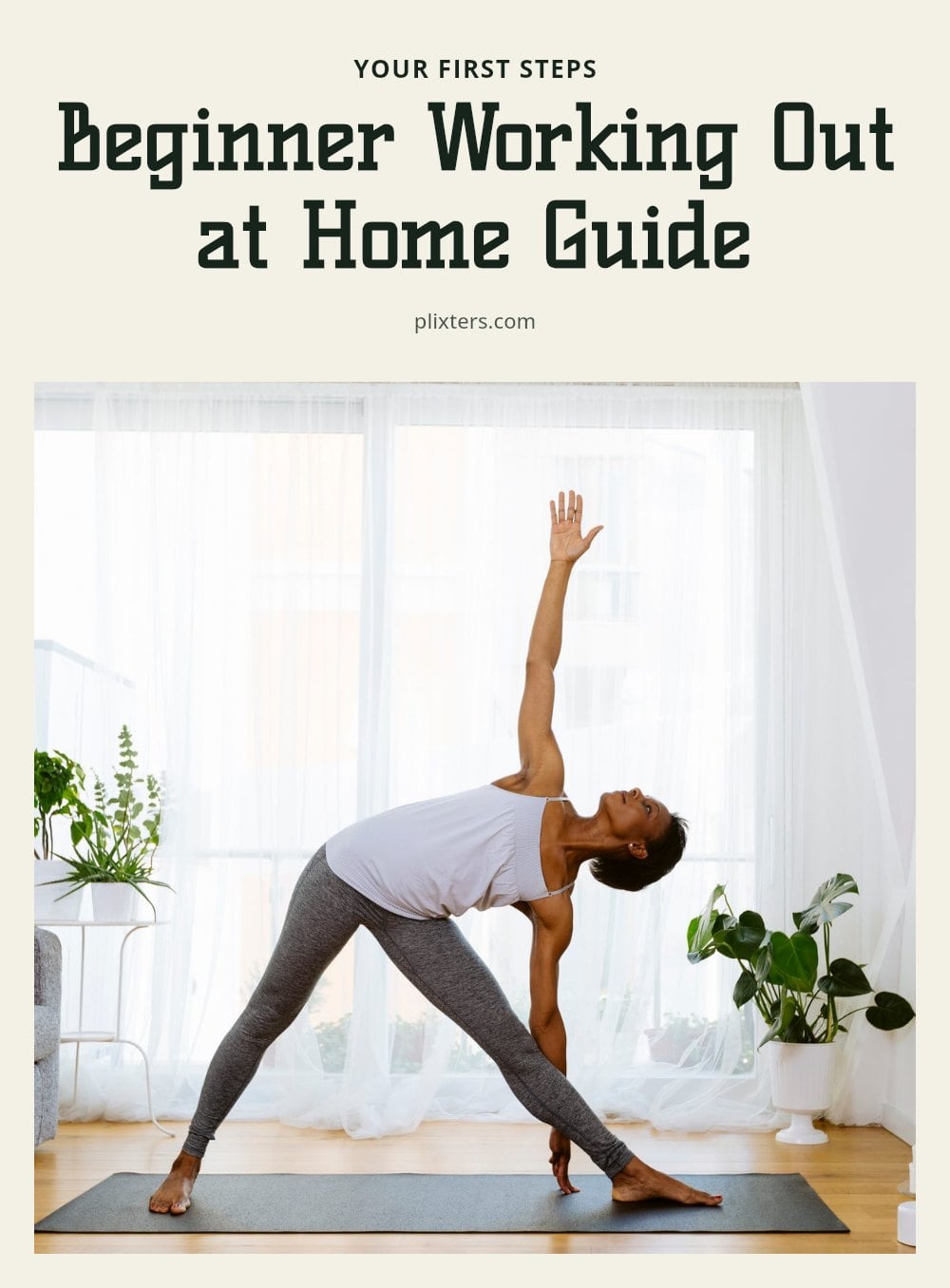
Starting a workout routine at home can feel overwhelming, but it doesn’t have to be. You can build strength, improve your cardio, and boost your flexibility without a gym membership or fancy equipment. This guide covers everything you need to begin, from essential gear and simple exercises to a weekly schedule and common mistakes to avoid.
Key Takeaways
- Aim for at least 150 minutes of moderate aerobic activity or 75 minutes of vigorous activity weekly.
- Include strength training for all major muscle groups at least two days per week.
- Always warm up for 5-10 minutes and cool down with stretches to prevent injury.
- Consistency matters more than intensity, especially when starting a new routine.
- Listen to your body, take rest days, and stop if you feel sharp pain or dizziness.
12 ideas in this post
Essential Gear for Your Home Workouts
You don’t need a gym membership or expensive equipment to get a great workout at home. The essentials are simple and probably already in your closet. Comfortable athletic clothing and supportive shoes protect your body and let you move freely. A yoga or exercise mat is next on the list; it cushions your joints during floor work and clearly marks your workout zone. Keep a water bottle nearby to sip throughout your session and a timer or phone to track intervals.
For variety, you can add a few optional pieces. Light dumbbells, resistance bands, and a jump rope all take up minimal space but let you increase intensity as you get stronger. Tip: Start with just your bodyweight. You can always add gear later when you feel ready to challenge yourself more.
1. Warm-Up: Arm Circles
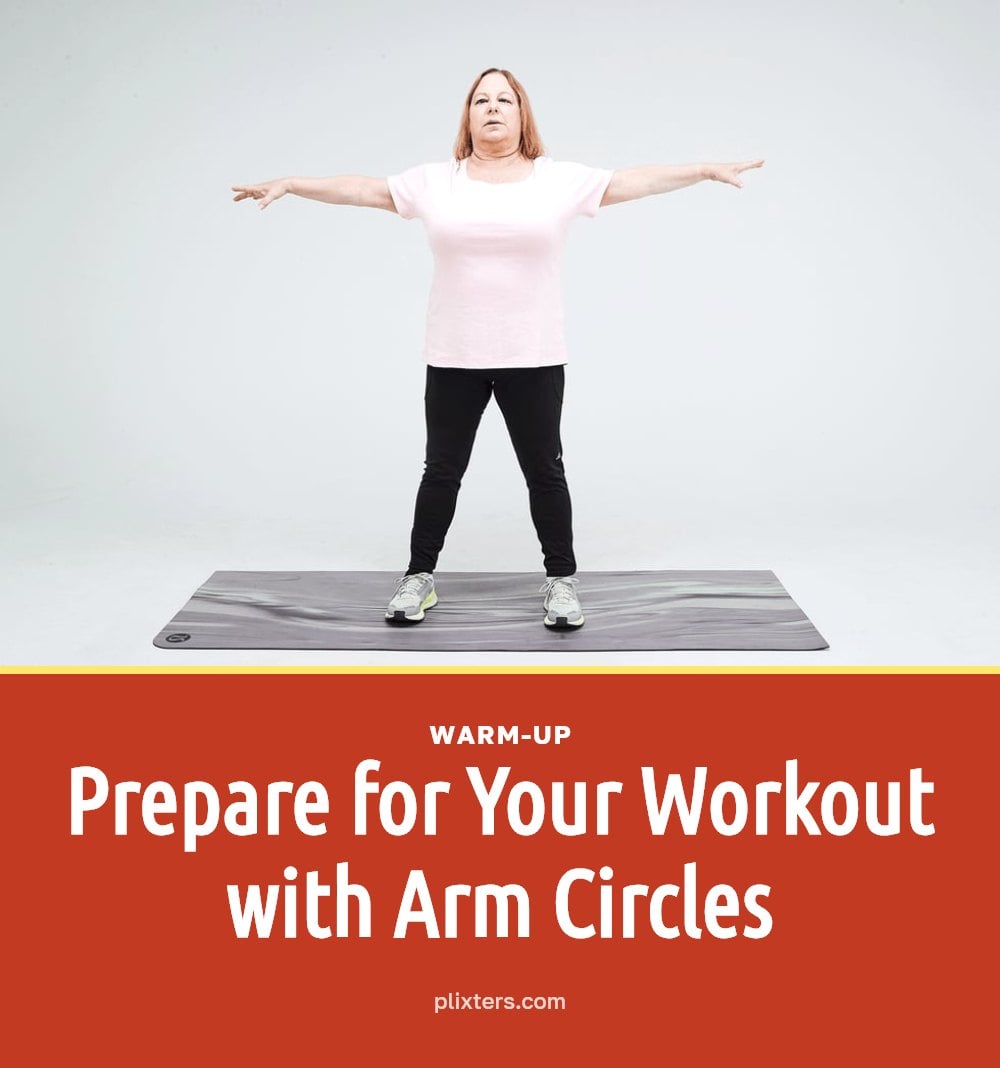
Warming up is a non-negotiable step that preps your muscles and lowers your injury risk. Arm circles are a simple way to open up your shoulders and get blood flowing. Stand tall with your arms extended straight out to your sides, parallel to the floor. Make small forward circles for 30 seconds, then reverse direction for another 30 seconds. Keep your core engaged and your shoulders relaxed throughout.
- Time: 30 seconds forward, 30 seconds reverse
- Form cue: Keep your arms at shoulder height and your movements controlled
- Make it easier or harder: Make the circles tiny for a gentle warm-up or larger to increase the range of motion
2. Squats
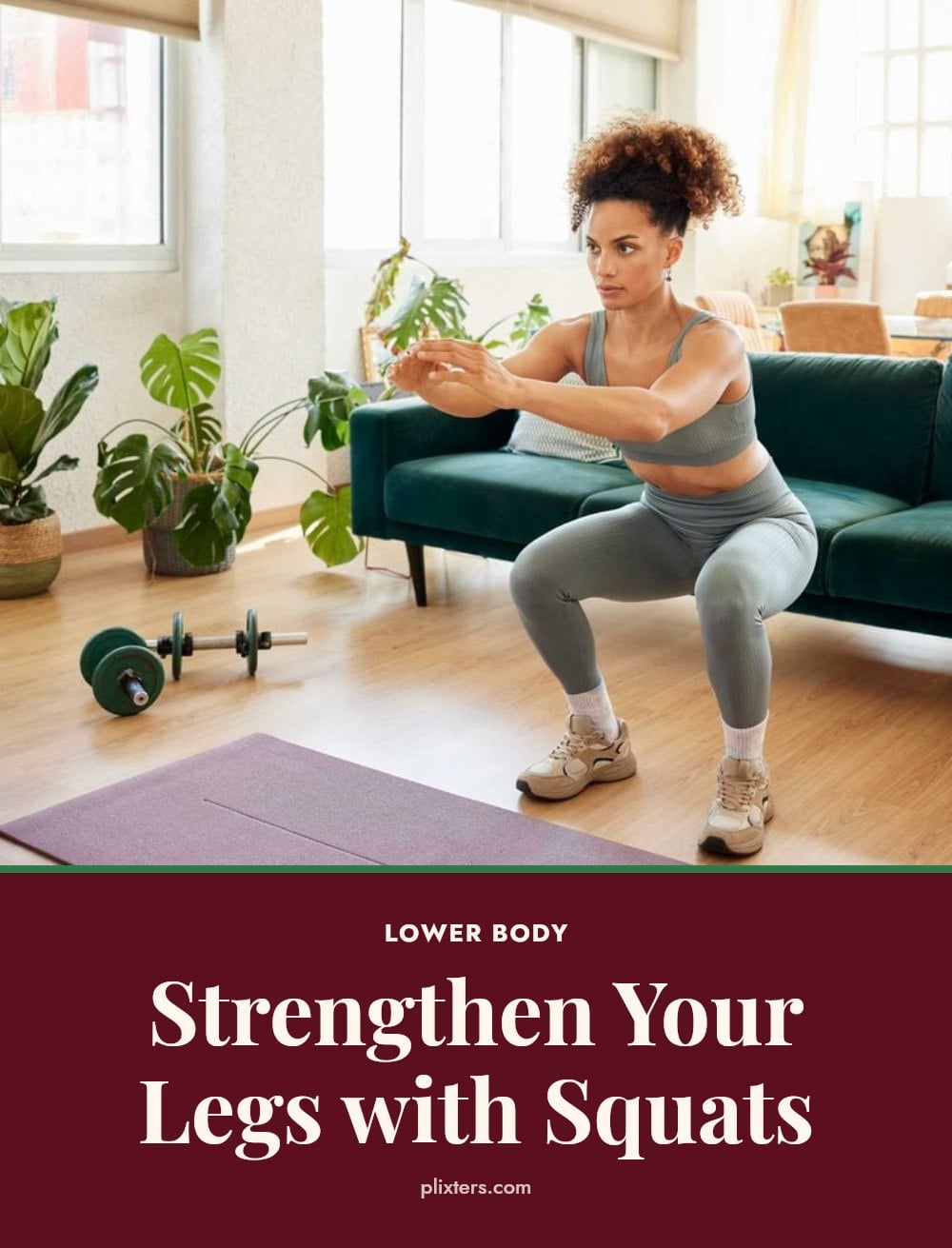
Squats are a foundational lower-body move that targets your quads, hamstrings, and glutes. Stand with your feet shoulder-width apart and your toes turned slightly outward. Lower your hips back and down as if you are sitting into a chair, keeping your chest lifted and your back straight. Push through your heels to return to standing.
- Sets and reps: 3 sets of 10-15 repetitions
- Form cue: Keep your knees tracking over your toes, not past them
- Make it easier or harder: Reduce your range of motion to start, or add light dumbbells as you progress
My tip: Make sure your knees don’t go past your toes. That keeps the load in your glutes and protects your joints.
3. Push-Ups (Modified or Full)
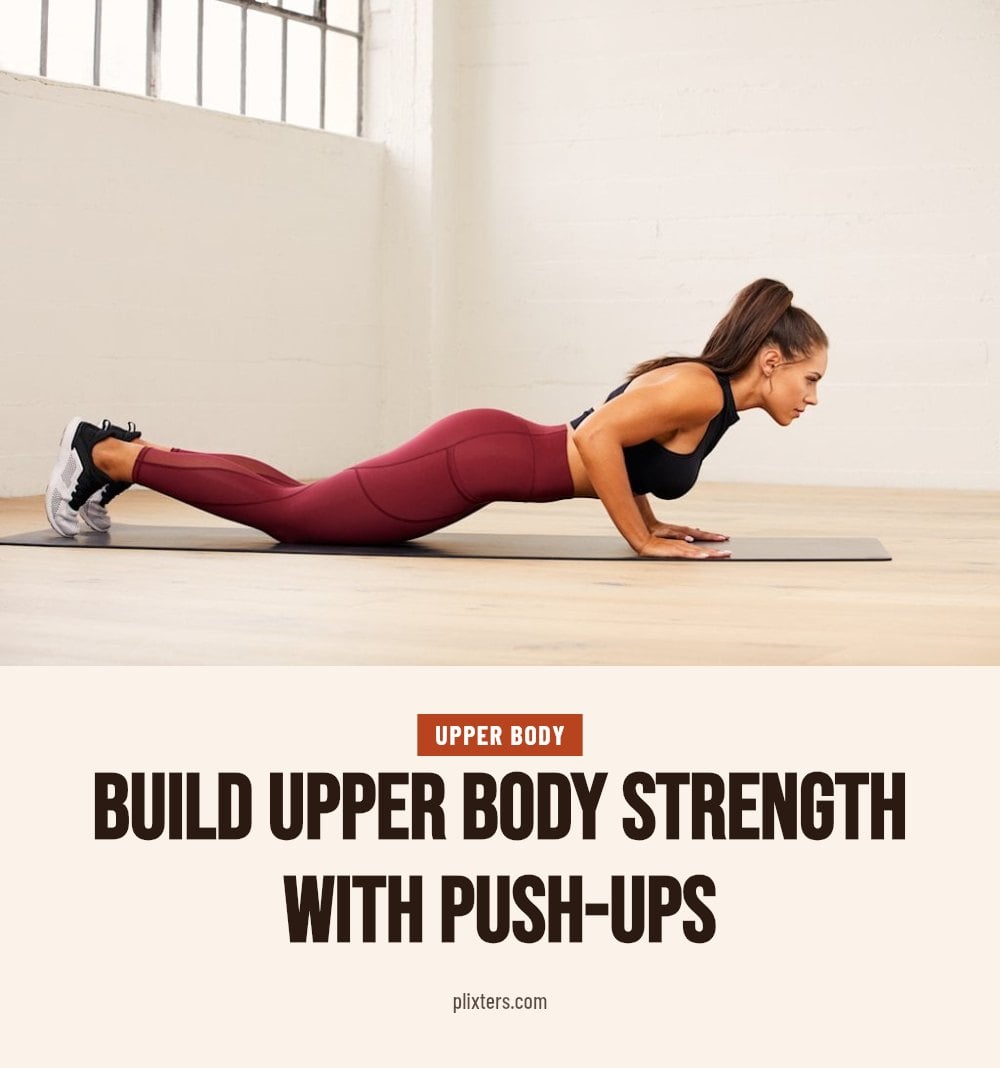
Push-ups build upper body and core strength, and you can adjust them to your current level. Start in a plank position with your hands placed slightly wider than your shoulders. Lower your chest toward the floor while keeping your body in a straight line from head to heels. Push back up to the starting position.
- Sets and reps: 3 sets of 8-12 repetitions
- Form cue: Keep your elbows at a 45-degree angle to your body, not flared out
- Make it easier or harder: Drop to your knees for a modified version, or elevate your feet on a step for more challenge
4. Lunges

Lunges target your quads, hamstrings, and glutes while also challenging your balance. Step forward with one leg and lower your hips until both knees form a 90-degree angle. Your front knee stays directly above your ankle, and your back knee hovers just above the floor. Alternate legs for the full set.
- Sets and reps: 3 sets of 10-12 repetitions per leg.
- Form cue: Keep your torso upright and your front knee aligned with your ankle.
- Make it easier or harder: Do reverse lunges (step backward) for more stability, or add a jump between legs for a challenge.
5. Plank

The plank builds core stability and strengthens your shoulders, back, and glutes. Start in a push-up position, then lower onto your forearms. Keep your body in a straight line from your head to your heels, engage your core and glutes, and avoid letting your hips sag or rise too high.
- Time: Hold for 30-60 seconds for 3 sets.
- Form cue: Squeeze your glutes and draw your belly button toward your spine.
- Make it easier or harder: Drop to your knees for a modified plank, or lift one leg off the floor for an added challenge.
My tip: Focus on breathing deeply throughout the hold to keep your core engaged without holding your breath.
6. Glute Bridges
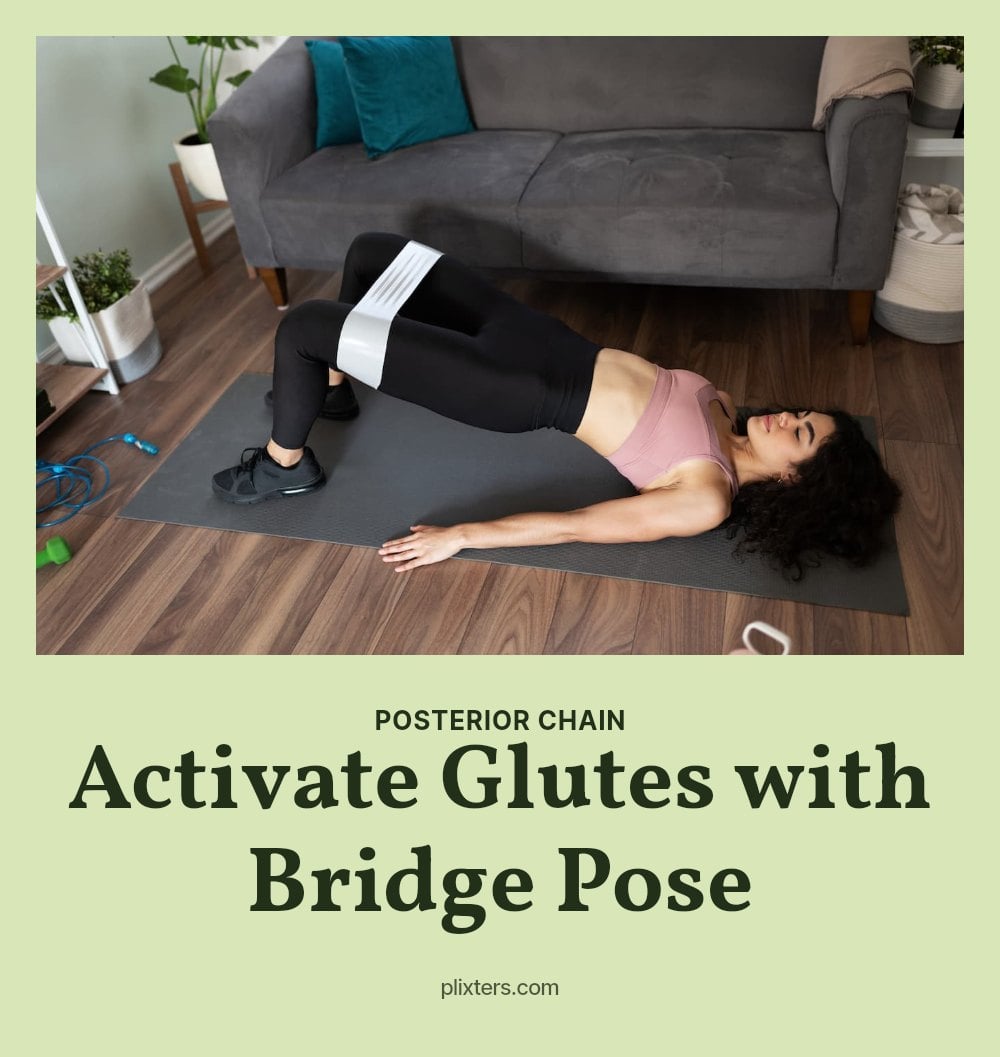
Glute bridges activate your posterior chain, especially your glutes and hamstrings. Lie on your back with your knees bent, feet flat on the floor hip-width apart, and arms by your sides. Lift your hips until your body forms a straight line from shoulders to knees, squeeze your glutes at the top, and lower slowly.
- Sets and reps: 3 sets of 12-15 repetitions.
- Form cue: Drive through your heels and keep your core tight throughout.
- Make it easier or harder: Perform single-leg glute bridges for more intensity, or reduce the range of motion if you feel lower back strain.
7. Cool-Down: Hamstring Stretch
Cooling down with static stretches helps your muscles recover and improves flexibility over time. Lie on your back and extend one leg straight up toward the ceiling. Gently pull your leg toward your chest using a towel or your hands placed behind your thigh. Keep the other leg bent with your foot flat on the floor.
- Time: Hold for 20-30 seconds per leg.
- Form cue: Keep your hips square and your extended leg relaxed.
- Make it easier or harder: Bend your knee slightly if you feel a pinch, or straighten it fully for a deeper hamstring stretch.
Tip: Breathe into the stretch, don’t bounce. Let each exhale take you a little deeper.
Your Weekly Home Workout Schedule
Consistency is the foundation of any successful home workout routine. Aim for 3 to 5 days of exercise per week, mixing strength training with cardio to keep your body challenged. Always schedule at least one full rest day between workout days to allow your muscles to recover.
| Day | Type | Notes |
|---|---|---|
| Monday | Strength (full body) | Focus on form, 3 sets each exercise |
| Tuesday | Active recovery | Walk, stretch, or light yoga |
| Wednesday | Cardio (HIIT or jump rope) | 20 minutes, include warm-up and cool-down |
| Thursday | Strength (lower body) | Squats, lunges, glute bridges |
| Friday | Cardio (moderate pace) | 30 minutes, steady state |
| Saturday | Full body | Circuit style, minimal rest |
| Sunday | Rest | Hydrate and prepare for next week |
As you get stronger, gradually increase the number of repetitions, sets, or the duration of your cardio. The key is to keep challenging your muscles without overdoing it. If an exercise feels too easy, add more reps or a light resistance band.
Common Home Workout Mistakes to Avoid
Avoiding common mistakes can make the difference between an effective home workout and one that leads to frustration or injury. Here are the pitfalls to watch for.
- Skipping Warm-Ups and Cool-Downs: Always spend 5 to 10 minutes warming up your muscles with light cardio and dynamic stretches, and finish with static stretches. This prepares your body for movement and helps prevent stiffness and injury.
- Ignoring Proper Form: Quality matters more than quantity. Perform each exercise with control and correct alignment. If you feel your form slipping, reduce the number of reps or take a break.
- Not Progressing Your Workouts: Your body adapts quickly. To keep seeing results, gradually increase the number of repetitions, sets, or add resistance with bands or light dumbbells.
- Lack of Consistency: Treat your workout like a non-negotiable appointment. Schedule it in your calendar and stick to it, even on days when motivation is low.
- Pushing Through Sharp Pain: Sharp pain is a warning sign, not a challenge to overcome. Stop immediately and assess what is causing it. If it persists, consult a healthcare professional.
Frequently Asked Questions
How often should I work out at home?
Aim for 3 to 5 days of exercise per week, mixing strength training with cardio. Always schedule at least one full rest day between workout days to allow your muscles to recover. Consistency is more important than doing too much too soon.
Do I need equipment for home workouts?
No, you can get an effective workout using only your body weight. Exercises like squats, push-ups, lunges, planks, and glute bridges build strength and endurance without any gear. If you want to add variety, light dumbbells, resistance bands, or a jump rope are optional extras.
How can I stay motivated to work out at home?
Set a specific time for your workouts and treat them like appointments you can’t miss. Creating a dedicated space, even a small corner, can help you focus. Varying your routine with different exercises or free online videos can keep things interesting and prevent boredom.
What’s the best time of day to exercise at home?
The best time is whatever fits your schedule and energy levels. Some people feel most energetic in the morning, while others prefer a lunch break or evening session. The key is to choose a time you can stick with consistently.
Can I build muscle effectively with home workouts?
Yes, bodyweight exercises can build strength and muscle, especially for beginners. To keep making progress, gradually increase the number of repetitions, sets, or the difficulty of the moves. Adding light dumbbells or resistance bands can also help challenge your muscles further.
Final Thoughts
Start with two or three workout days per week and build up from there. You can expect to notice improvements in strength and endurance within four to six weeks of consistent effort. Remember, the best home workout is the one you actually do, so keep it simple and stick with it.
This article provides general fitness information and is not a substitute for professional medical advice. Before starting any new exercise program, especially if you have a health condition or injury, consult a healthcare provider. Stop exercising if you experience pain or discomfort and seek guidance from a qualified professional.