 Save
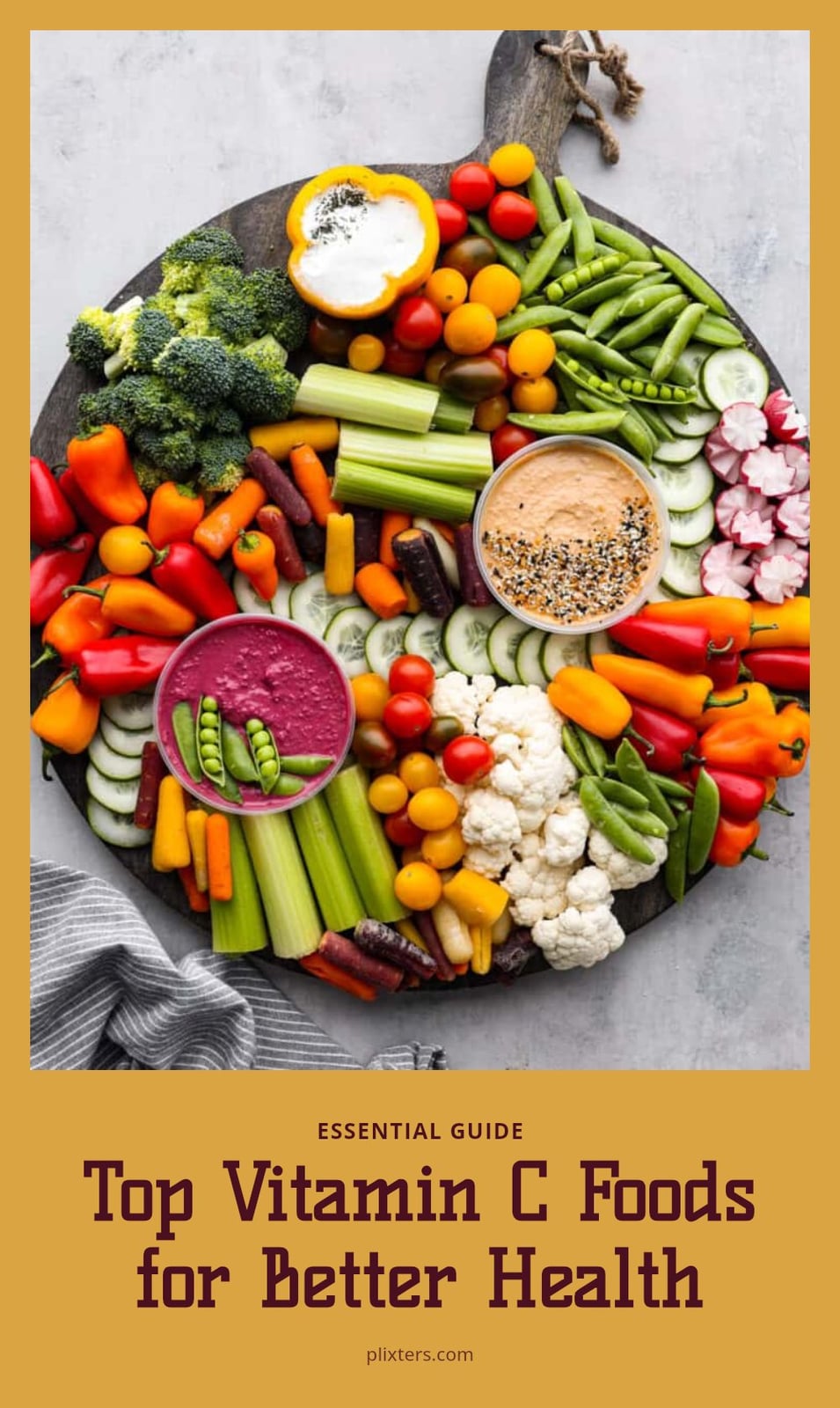
You probably know vitamin C is good for you, but do you know which foods pack the biggest punch? While oranges get all the glory, many other fruits and vegetables actually contain more of this essential nutrient. In this article, I’ll walk you through the top vitamin C rich foods, how to prepare them to keep their benefits, and a few common mistakes to avoid.
Key Takeaways
- Half a cup of red bell pepper has about 95 mg of vitamin C, more than the daily RDA.
- One medium orange provides about 70 mg, close to the 75 mg RDA for women.
- Eat vitamin C foods raw or lightly cooked, as heat reduces the nutrient.
- Pair vitamin C rich foods with plant iron sources to boost iron absorption.
- Smokers need an extra 35 mg of vitamin C daily due to increased oxidative stress.
15 ideas in this post
Why Vitamin C is Essential for Your Body
Vitamin C is a powerful antioxidant your body relies on for immune support, collagen production, and iron absorption. Since your body cannot produce it, you must get it from food. It is water-soluble, which means it is not stored and needs to be replenished daily.
1. Red Bell Peppers

Half a cup of chopped red bell pepper provides about 95 mg of vitamin C, more than the daily recommended allowance for most adults. I love adding them raw to salads or serving them as a crunchy snack with hummus. My tip: Red bell peppers are fantastic in stir-fries, but add them toward the end of cooking to preserve their vitamin C.
2. Oranges
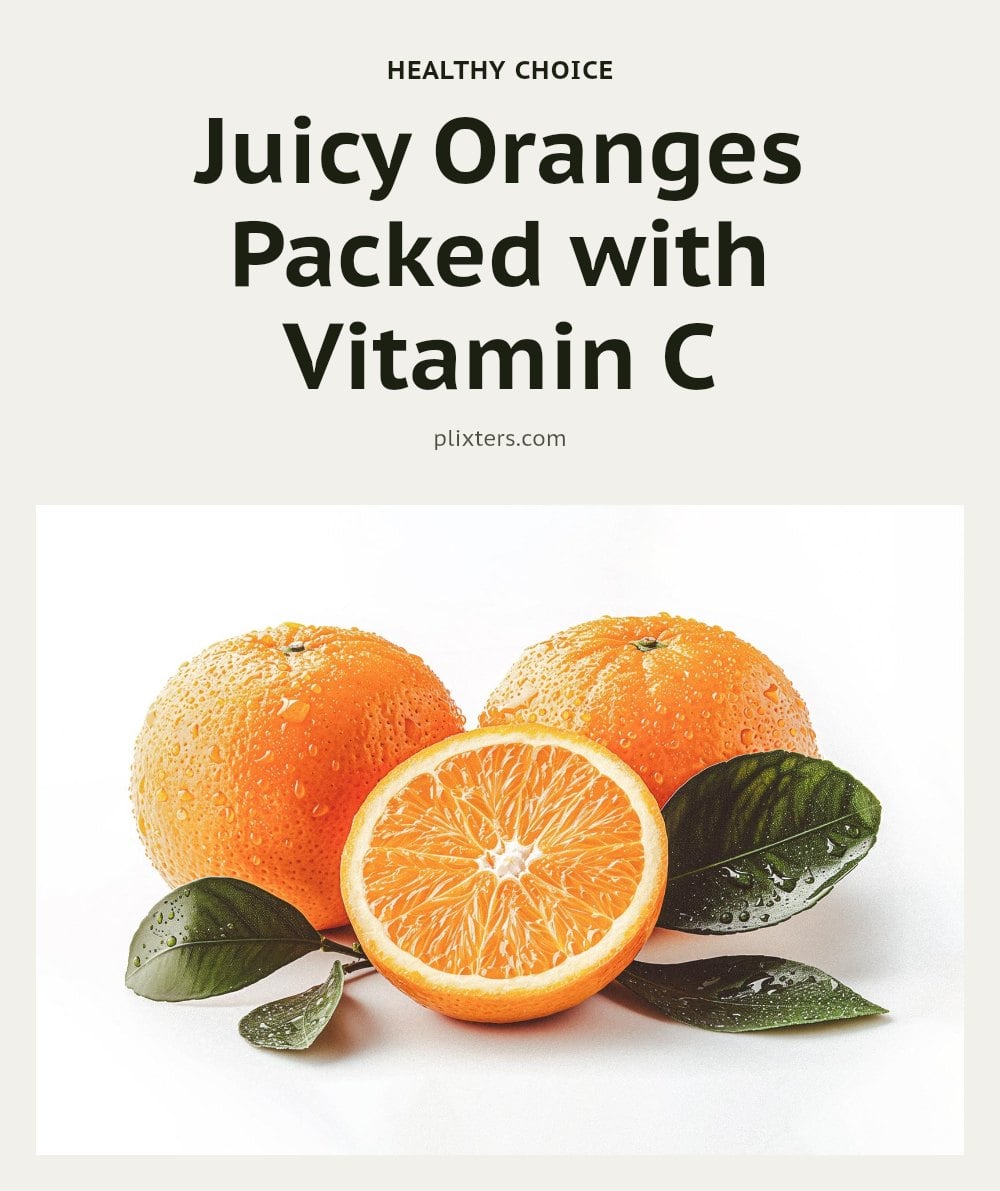
One medium orange delivers around 70 mg of vitamin C, close to the daily RDA for women. They are perfect for a quick snack or juiced for a refreshing drink. My tip: Don’t just peel and eat. Try adding orange segments to a fruit salad or a savory chicken dish for a surprising citrus kick.
3. Strawberries
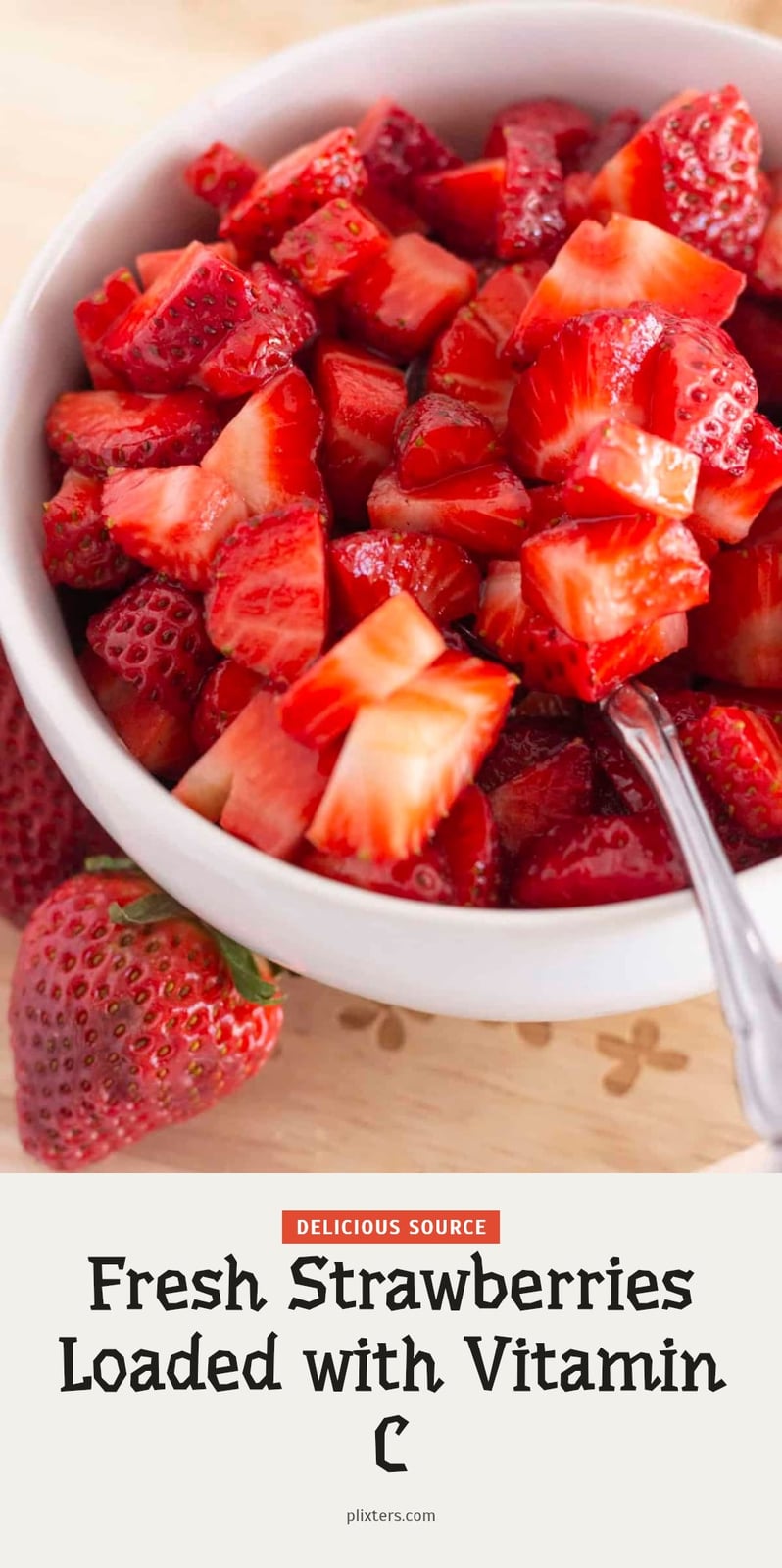
One cup of strawberries offers about 89 mg of vitamin C, making them an excellent choice. These juicy berries are delicious on their own, in smoothies, or atop yogurt and oatmeal. Tip: Fresh or frozen, strawberries retain their vitamin C well. I always keep a bag in the freezer for smoothies.
4. Broccoli
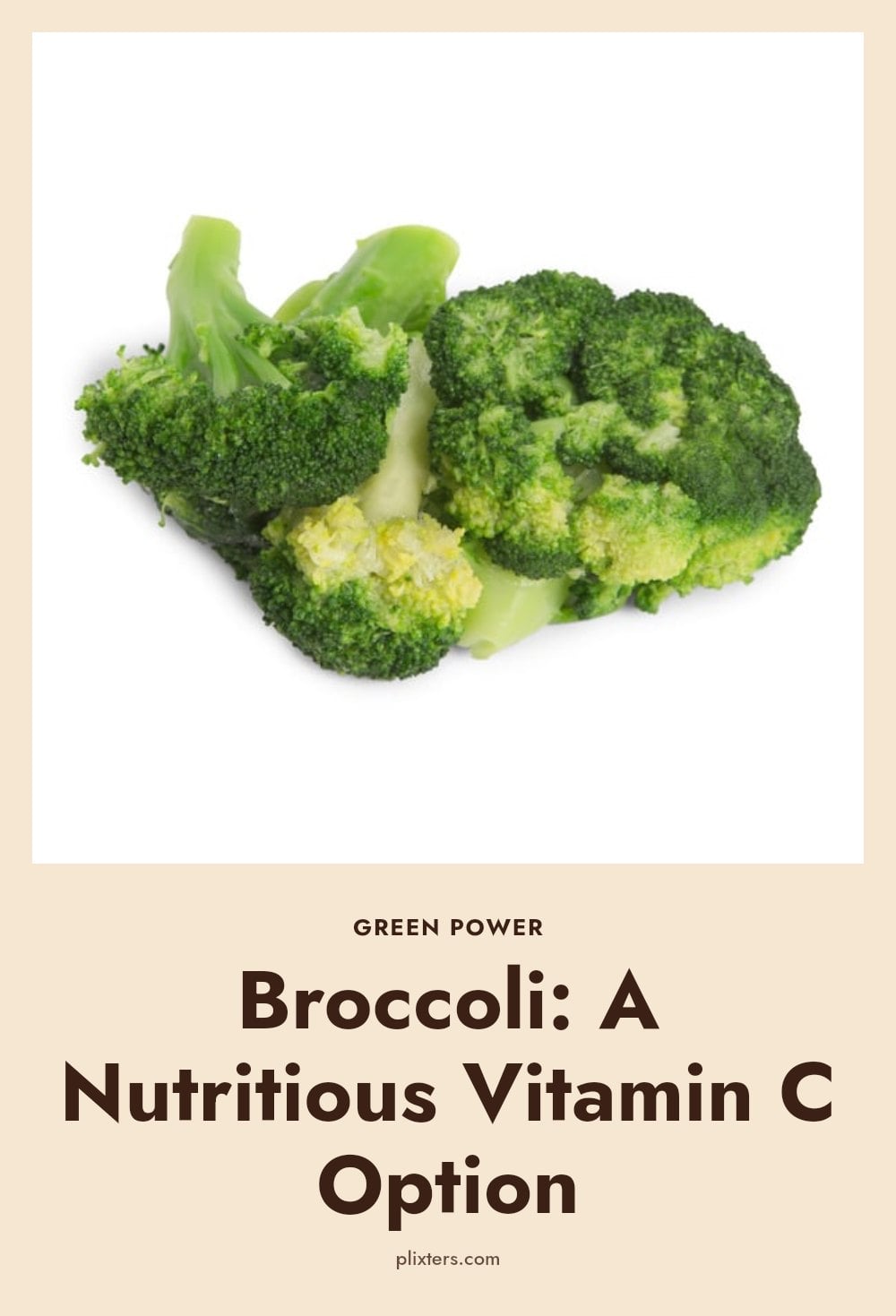
A cup of chopped broccoli provides about 81 mg of vitamin C, plus fiber and other nutrients. Lightly steaming or roasting broccoli helps preserve its vitamin C content while making it tender-crisp.
Good to know: I love tossing broccoli florets with olive oil and garlic, then roasting them until slightly charred. Delicious and nutrient-packed!
5. Kiwi Fruit
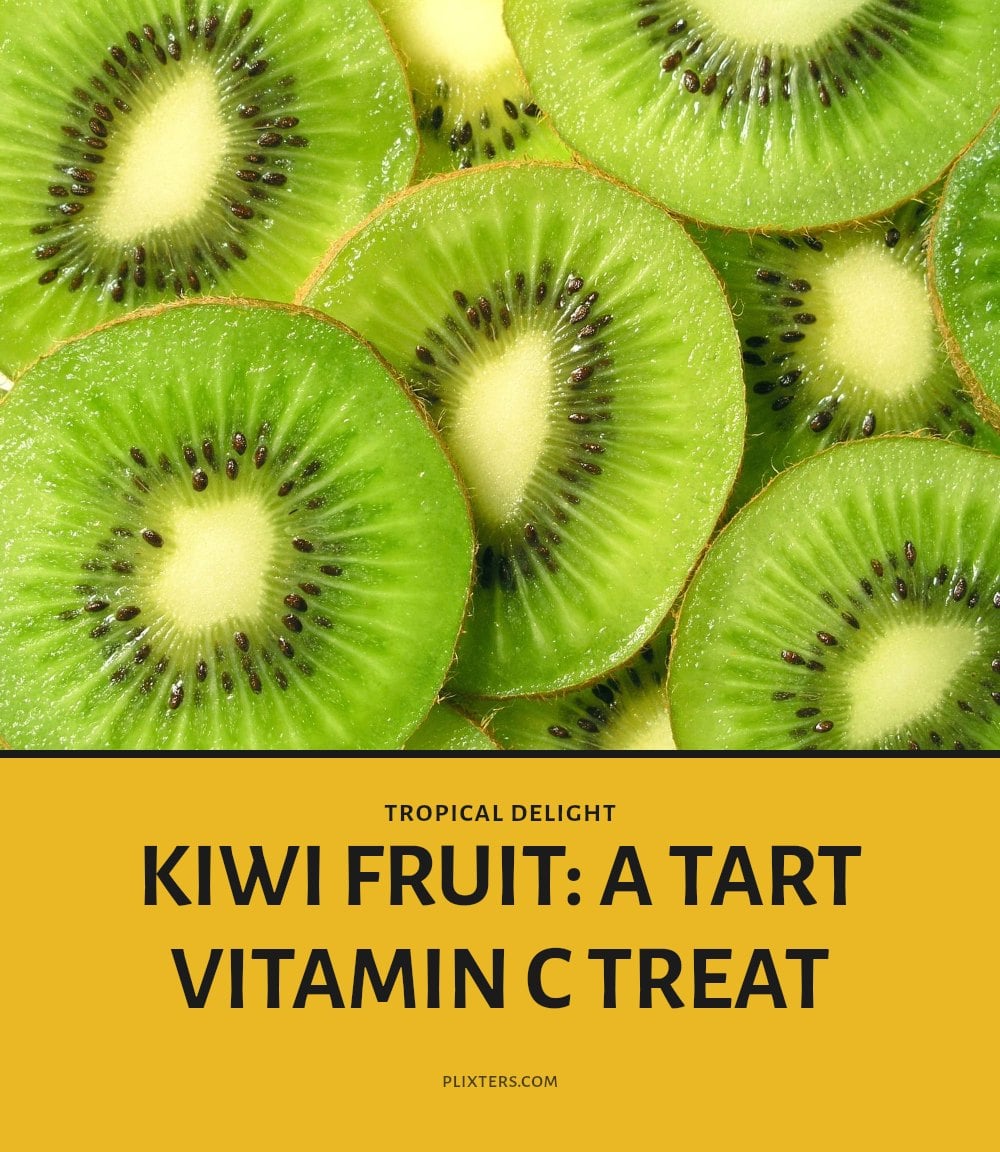
Don’t let their small size fool you; one medium kiwi contains about 64 mg of vitamin C. They’re a fantastic addition to fruit salads or enjoyed simply scooped out with a spoon.
Pro move: If you’re not a fan of the fuzzy skin, try golden kiwis. Their skin is smoother and often eaten.
6. Papaya
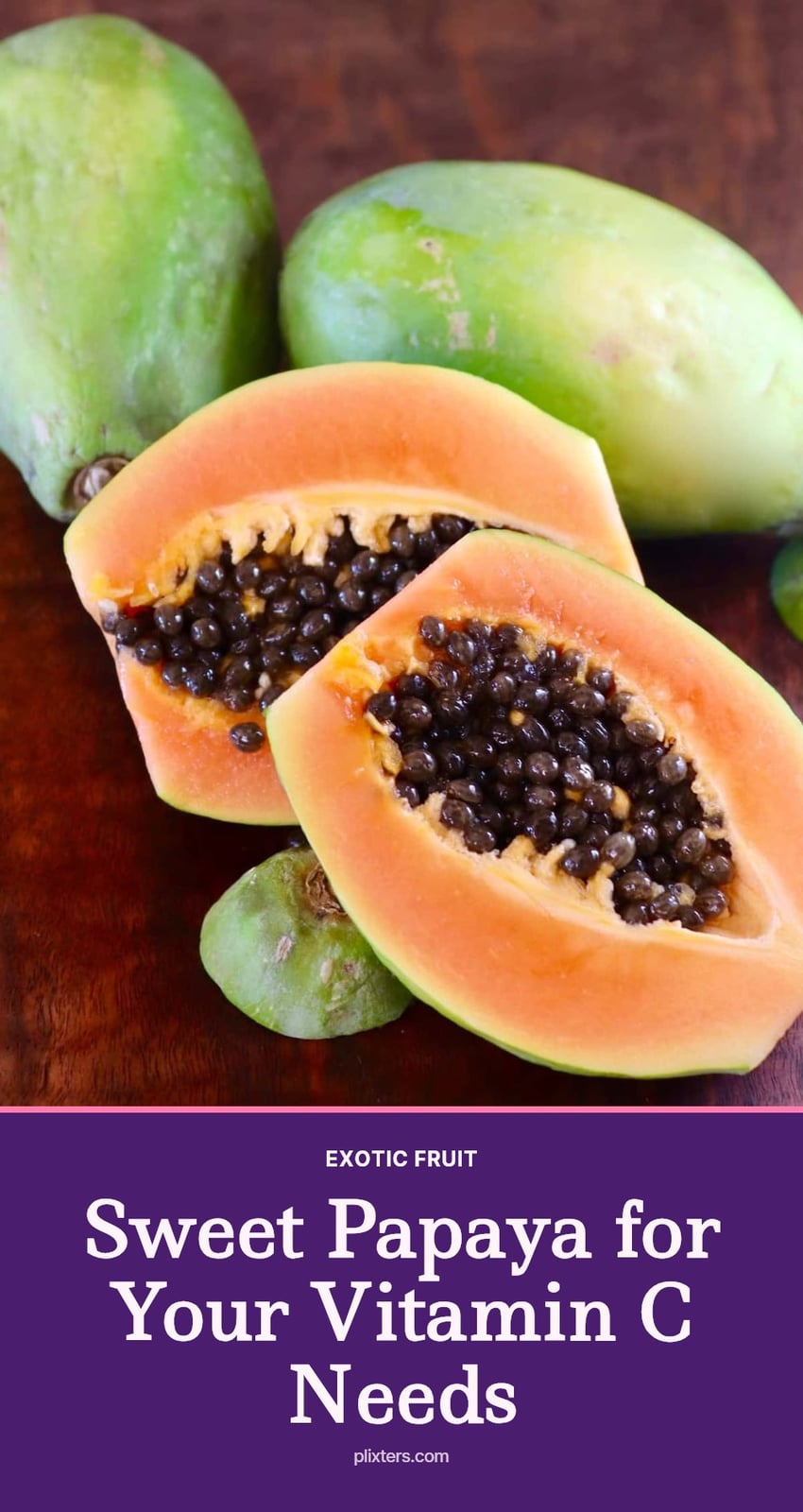
This tropical fruit is a vitamin C powerhouse, with one cup providing approximately 88 mg. Papaya is wonderful in smoothies, salsas, or simply cubed for a sweet treat.
Quick tip: Look for papayas that are mostly yellow with a little green, and slightly soft to the touch. They’ll be perfectly ripe!
7. Brussels Sprouts
Half a cup of cooked Brussels sprouts provides about 48 mg of vitamin C, along with other beneficial compounds. Roasting them until caramelized brings out their best flavor and texture.
Tip: Don’t boil them. Roasting or sautéing Brussels sprouts makes them incredibly delicious, even for skeptics.
8. Cantaloupe
Cantaloupe is a refreshing way to get about 58 mg of vitamin C from just one cup. It’s fantastic in fruit salads, as a breakfast side, or pureed into a light soup on a warm day. Good to know: Choose a cantaloupe that feels heavy for its size and has a sweet, musky aroma at the stem end. That’s a reliable sign it will be perfectly ripe and flavorful.
9. Potatoes
Surprise: a medium baked potato with the skin on contributes about 17 mg of vitamin C. That’s not as high as fruits, but since potatoes are such a common staple, they can quietly add to your daily intake without any extra effort.
My tip: always eat the skin. That’s where a lot of the nutrients, including some vitamin C, are concentrated. Skip peeling and just scrub the potato well before baking for the best nutrient payoff.
10. Tomatoes
One medium tomato contains about 15-20 mg of vitamin C, though the exact amount varies with size and ripeness. Riper tomatoes tend to have more of the nutrient, so let them fully mature on the counter before eating.
Tomatoes are incredibly versatile. Toss them into fresh salads, layer them on sandwiches, or cook them down into sauces and soups. My tip: ripe, in-season tomatoes offer the best flavor and nutrient content. I try to buy local when possible.
11. Kale
This leafy green powerhouse provides about 80 mg of vitamin C per cup when chopped. That’s more than an orange in a single serving. Kale is excellent in salads, smoothies, or lightly sautéed as a side dish.
Pro move: To make kale more palatable in salads, massage it with a little olive oil and lemon juice to tenderize the leaves. The acid in the lemon juice also helps preserve the vitamin C content while softening the texture.
Common Mistakes When Getting Your Vitamin C
Believing only oranges count: Many other fruits and vegetables, like bell peppers and strawberries, are even richer in vitamin C. Don’t limit yourself to citrus when you can get more from a wider variety.
Overcooking vegetables: Vitamin C is heat-sensitive. Opt for raw, lightly steamed, or quickly stir-fried methods to preserve it. Boiling can leach nutrients into the water.
Ignoring variety: Aim for a diverse range of fruits and vegetables to ensure you’re getting all essential nutrients, not just vitamin C. Different colors often mean different benefits.
Relying solely on supplements: Whole foods offer a complex matrix of vitamins, minerals, and fiber that supplements often lack. Always prioritize food sources first.
Storing cut produce too long: Exposure to air can degrade vitamin C. Consume cut fruits and vegetables promptly, ideally within a day or two.
Frequently Asked Questions
How much vitamin C do I need daily?
Adult women need about 75 mg per day, and adult men need about 90 mg. Smokers should add an extra 35 mg daily. One medium orange or half a cup of red bell pepper can cover most of your needs.
Can cooking reduce vitamin C in foods?
Yes, vitamin C is heat-sensitive, so cooking can reduce its content. To preserve the nutrient, eat fruits and vegetables raw or lightly steamed, roasted, or sautéed. Avoid boiling or overcooking.
Are vitamin C supplements better than food sources?
Whole foods are generally better because they provide additional nutrients and fiber. Supplements can help if you have a deficiency, but it’s best to try food first. Very high supplement doses (over 2,000 mg per day) may cause digestive upset, so talk to a doctor if you consider them.
What are the signs of low vitamin C?
Signs can include fatigue, weak immunity, slow wound healing, and bleeding gums. If you suspect a deficiency, see a healthcare professional for proper evaluation, as these symptoms can also indicate other conditions.
Can I get too much vitamin C from food?
It’s very unlikely to get too much from food alone, since your body excretes excess water-soluble vitamin C. However, very high supplement doses can cause digestive issues. If you have certain conditions like hemochromatosis or kidney stones, consult a doctor before taking high-dose supplements.
Final Thoughts
To get your daily vitamin C, aim for a colorful mix of fruits and vegetables, and try to eat them raw or lightly cooked to preserve the nutrient. For most adults, a single serving of red bell pepper, strawberries, or broccoli easily covers your needs, so you don’t need to overthink it. Expect consistent intake over weeks to months to support your immune system and skin health, but remember that vitamin C isn’t stored, so daily replenishment is key.
This article is for general information only and is not a substitute for professional medical advice. Always consult a doctor or registered dietitian for personalized guidance, especially if you have a health condition or are considering high-dose supplements.