 Save
Feeling stressed or anxious is something we all deal with, but your body has a built-in system to help you find calm. It’s called the vagus nerve, a key part of your nervous system that controls your ‘rest and digest’ state. This article covers eight simple, at-home exercises you can do to stimulate this nerve and support your overall well-being.
Key Takeaways
- Practice deep, slow breathing daily, making your exhale longer than your inhale.
- Incorporate humming, singing, or gargling into your routine for quick vagal activation.
- Try brief cold exposure like splashing your face with cold water for 15-30 seconds.
- Consistency is key; aim for daily practice over several weeks to see results.
- Pair these exercises with a healthy diet and social connection for best results.
12 ideas in this post
- What is the Vagus Nerve and Why Does It Matter?
- 1. Deep, Slow Diaphragmatic Breathing
- 2. Humming, Singing, or Chanting
- 3. Gargling with Water
- 4. Cold Exposure (Face Splash or Shower)
- 5. Mindfulness and Meditation
- 6. Gentle Yoga or Tai Chi
- 7. Laughter and Social Connection
- 8. Maintain a Healthy Gut
- Common Mistakes When Practicing Vagus Nerve Exercises
- Frequently Asked Questions
- Final Thoughts
What is the Vagus Nerve and Why Does It Matter?
The vagus nerve is the longest cranial nerve, extending from your brainstem down through your neck and chest into your abdomen. It is a key part of your parasympathetic nervous system, which controls your body’s “rest and digest” state. This nerve helps regulate vital functions like heart rate, digestion, and mood. When you stimulate it, you can naturally reduce stress and improve overall well-being by enhancing your vagal tone.
1. Deep, Slow Diaphragmatic Breathing
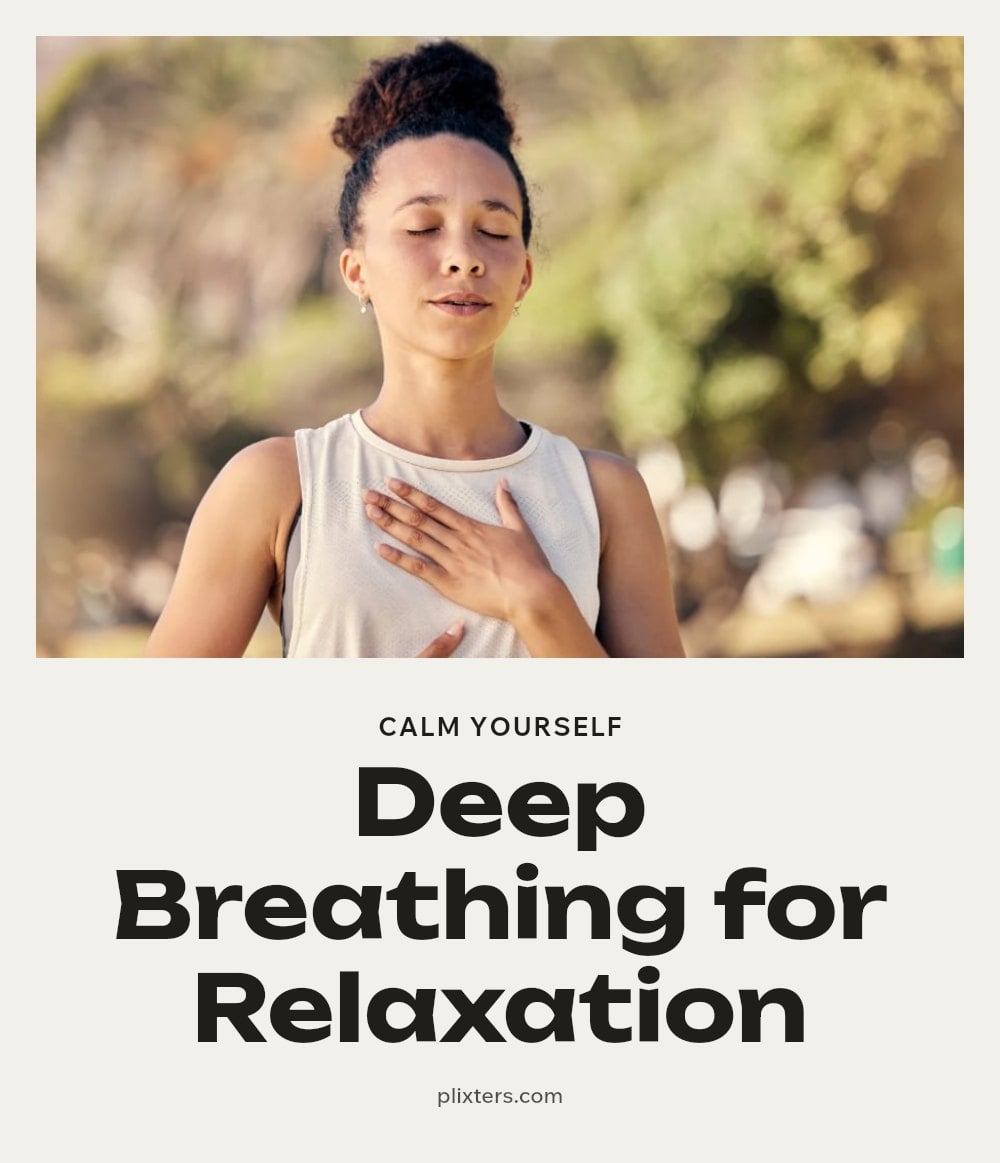
Focus on slow, deep breaths, inhaling through your nose and exhaling longer through your mouth. Aim for 5-6 breaths per minute, making your exhale longer than your inhale. This directly activates the vagus nerve, signaling your body to relax and switch to ‘rest and digest’. My tip: Try counting to four on the inhale and to six or eight on the exhale. Place one hand on your belly to feel it rise and fall, ensuring you are breathing diaphragmatically.
2. Humming, Singing, or Chanting
The vagus nerve innervates your vocal cords and the muscles in your throat. Humming or singing vigorously stimulates these areas, which can help increase vagal tone. My tip: Try humming a favorite tune or chanting ‘Om’ for a few minutes daily. You can also sing along to music in the car or shower. The vibration in your throat is the signal that activates the nerve.
3. Gargling with Water
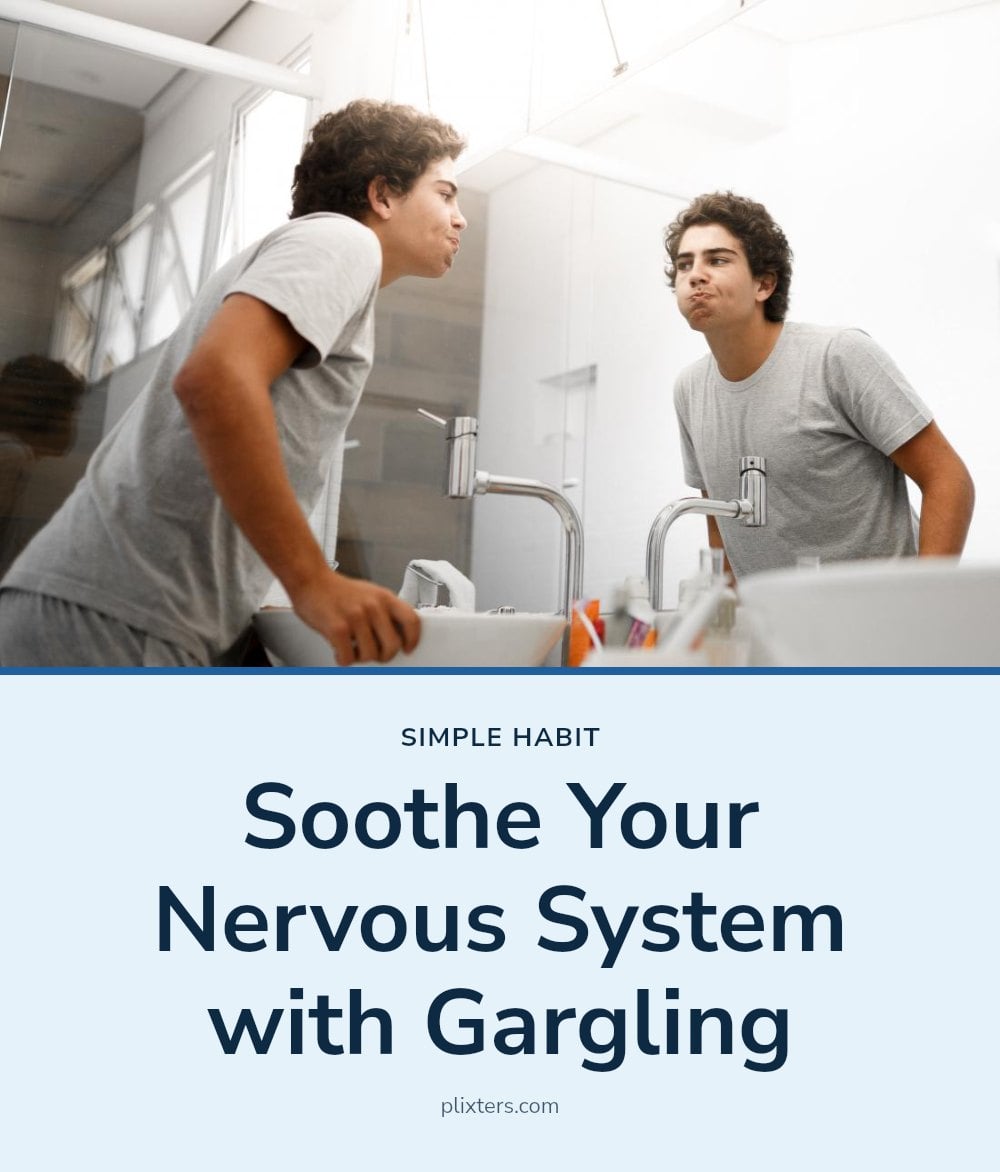
Vigorous gargling activates the muscles at the back of your throat, which are connected to the vagus nerve. Gargle with a mouthful of water for 30-60 seconds, aiming for a deep, resonant sound. You should feel the muscles in your throat and neck engage. This simple action can provide a quick boost to vagal tone, making it a great morning or pre-bedtime routine.
4. Cold Exposure (Face Splash or Shower)

Splash cold water on your face for 15-30 seconds, or finish your shower with a 30-second cold rinse. This triggers the diving reflex, which stimulates the vagus nerve and can slow your heart rate. Start with a brief splash before moving to a full rinse. Caution: If you have a heart condition, consult your doctor before trying cold exposure. Stop if you feel dizzy or uncomfortable.
5. Mindfulness and Meditation
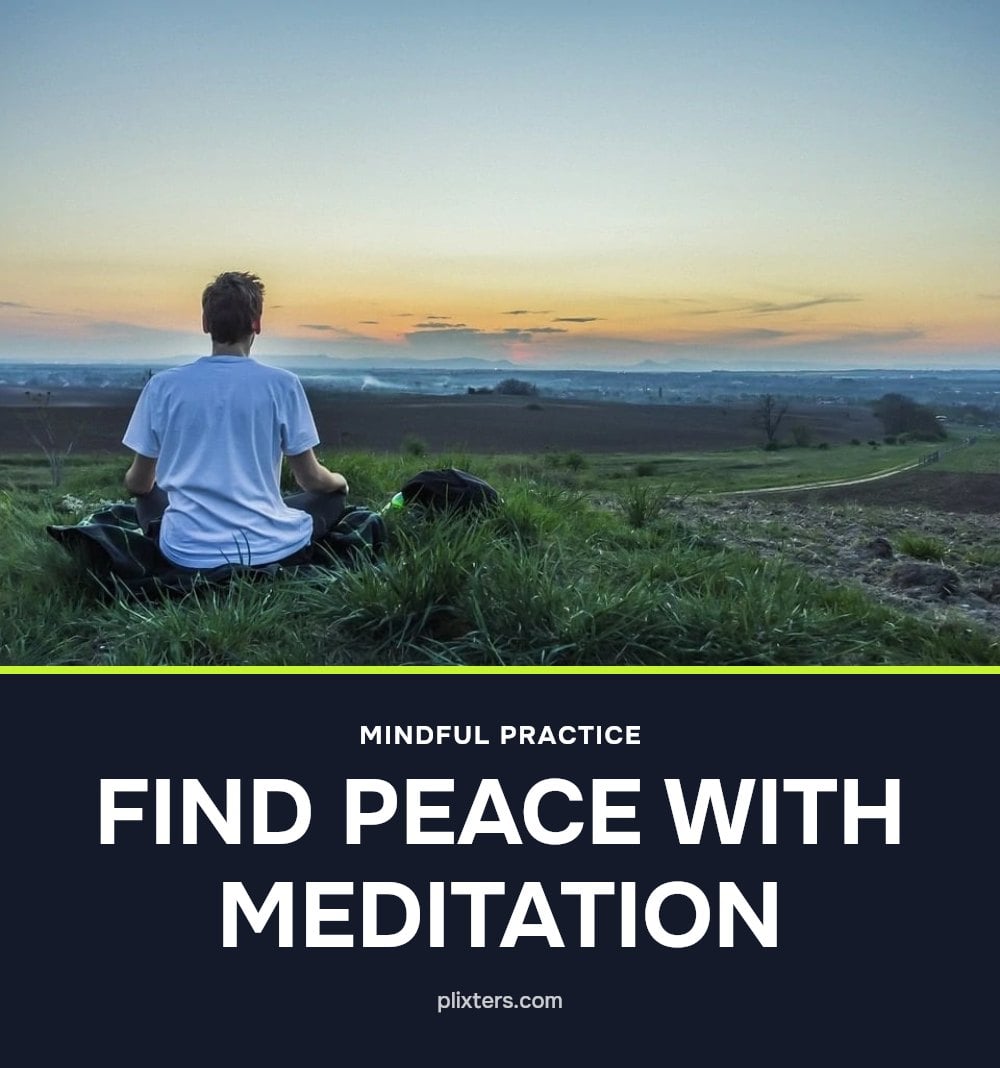
Engage in daily meditation for 5-10 minutes, focusing on your breath and body sensations. Mindfulness practices reduce stress and promote relaxation, which directly enhances vagal tone. Over time, this consistent state of calm supports optimal vagus nerve function. Tip: Use a guided meditation app if sitting in silence feels difficult at first.
6. Gentle Yoga or Tai Chi
Try gentle yoga or Tai Chi, which combine mindful movement with controlled breathing. This holistic approach helps regulate your nervous system and can improve vagal tone over time. Look for classes that emphasize slow, deliberate movements and breath synchronization. Good to know: Even 10-15 minutes of daily practice can make a difference.
7. Laughter and Social Connection
Prioritize time with loved ones and seek out genuine laughter. Connecting with others and experiencing joy are powerful ways to activate your vagus nerve. These activities foster positive emotions and reduce stress, directly supporting nervous system regulation. Pro move: Schedule regular phone calls or walks with a friend to make social connection a consistent habit.
8. Maintain a Healthy Gut
Your gut and brain communicate constantly through the gut-brain axis, and the vagus nerve is the main highway for that conversation. A balanced diet rich in whole foods, fiber, and probiotics supports a healthy gut microbiome, which in turn can positively influence vagus nerve function. Include fermented foods like yogurt, kefir, sauerkraut, or kimchi, along with plenty of vegetables and whole grains. Tip: Aim for a variety of plant-based foods each week to feed diverse gut bacteria. A healthy gut environment helps regulate digestion and mood, reinforcing the calming effects of your other vagus nerve practices.
Common Mistakes When Practicing Vagus Nerve Exercises
Expecting instant results: Vagal tone improves with consistent, long-term practice, not overnight fixes. Think of it like strength training for your nervous system. Inconsistency: Sporadic practice yields minimal benefits. Aim for daily engagement with these techniques, even if only for a few minutes. Ignoring professional advice: These are complementary tools, not substitutes for medical treatment for severe conditions. If you have a heart condition, neurological issues, or persistent symptoms, consult your doctor before starting. Overlooking lifestyle factors: Poor sleep, a processed diet, and chronic stress can counteract the benefits of vagus nerve stimulation. Pair your exercises with good sleep hygiene, regular movement, and stress management for the best results.
Frequently Asked Questions
How long does it take to feel the effects of vagus nerve exercises?
Results are typically cumulative and may become noticeable after consistent daily practice over several weeks to months. Some people feel a temporary sense of calm right after an exercise, but lasting improvements in vagal tone require regular, long-term effort.
Can vagus nerve stimulation help with anxiety?
Many people find that these exercises help reduce feelings of stress and promote relaxation, which can be beneficial for managing anxiety. However, they are not a substitute for professional medical treatment. If you have persistent anxiety, consult a healthcare provider for a comprehensive plan.
Are there any risks to stimulating the vagus nerve at home?
These gentle exercises are generally safe for most people. However, if you have a heart condition or other medical concerns, consult your doctor before trying cold exposure or intense breathing. Stop any exercise that causes discomfort, dizziness, or pain.
What is vagal tone and how does it relate to health?
Vagal tone refers to the activity level of your vagus nerve. Higher vagal tone is associated with better physical and emotional health, including improved heart rate regulation, digestion, and resilience to stress. These exercises aim to improve your vagal tone over time.
Can diet impact vagus nerve function?
Yes, the vagus nerve is the main communication highway between your gut and brain. A balanced diet rich in whole foods, fiber, and probiotics supports a healthy gut microbiome, which can positively influence vagus nerve function and overall nervous system health.
Final Thoughts
My tip is to pick just one or two exercises that feel easy to fit into your day, like deep breathing in the morning or humming while you drive. Expect results to build gradually over several weeks of consistent practice, not overnight. Start small, stay patient, and let your nervous system find its natural rhythm.
This information is for general informational purposes only and does not constitute medical advice. Vagus nerve exercises are complementary practices and should not replace any prescribed medical treatment. If you have a medical condition or persistent symptoms of stress or anxiety, please consult a qualified healthcare professional.