
 Save
You already know you need sunscreen, but are you using it the right way to actually get the protection you expect? Most people apply too little or forget to reapply, which means their skin isn’t as shielded as they think. This article walks you through how to choose, apply, and reapply sunscreen correctly so you can stay protected every day.
Key Takeaways
- Choose a broad-spectrum sunscreen with SPF 30 or higher for daily use.
- Apply a full ounce (a shot glass full) to your entire body 15-30 minutes before sun exposure.
- Reapply every two hours, or more often after swimming, sweating, or towel drying.
- Don’t rely on makeup with SPF alone; it usually isn’t enough for full protection.
- Store sunscreen in a cool, dry place and always check the expiration date.
9 ideas in this post
- What is SPF and Why Does it Matter?
- Your Sun Protection Arsenal: What You Need
- Step-by-Step: How to Apply Sunscreen for Maximum Protection
- Choosing Your SPF: What the Numbers Really Mean
- Common Sunscreen Mistakes to Avoid
- Pro Tips for Year-Round Sun Protection
- When to Consult a Professional About Sun Protection
- Frequently Asked Questions
- Final Thoughts
What is SPF and Why Does it Matter?
SPF stands for Sun Protection Factor, and it measures how well a sunscreen shields your skin from UVB rays, the ones that cause sunburn and contribute to skin cancer. A higher SPF number means more UVB protection, but no sunscreen blocks 100% of UV rays. That’s why broad-spectrum sunscreens matter: they protect against both UVA rays (which cause premature aging) and UVB rays, giving your skin comprehensive protection every time you go outside.
Your Sun Protection Arsenal: What You Need
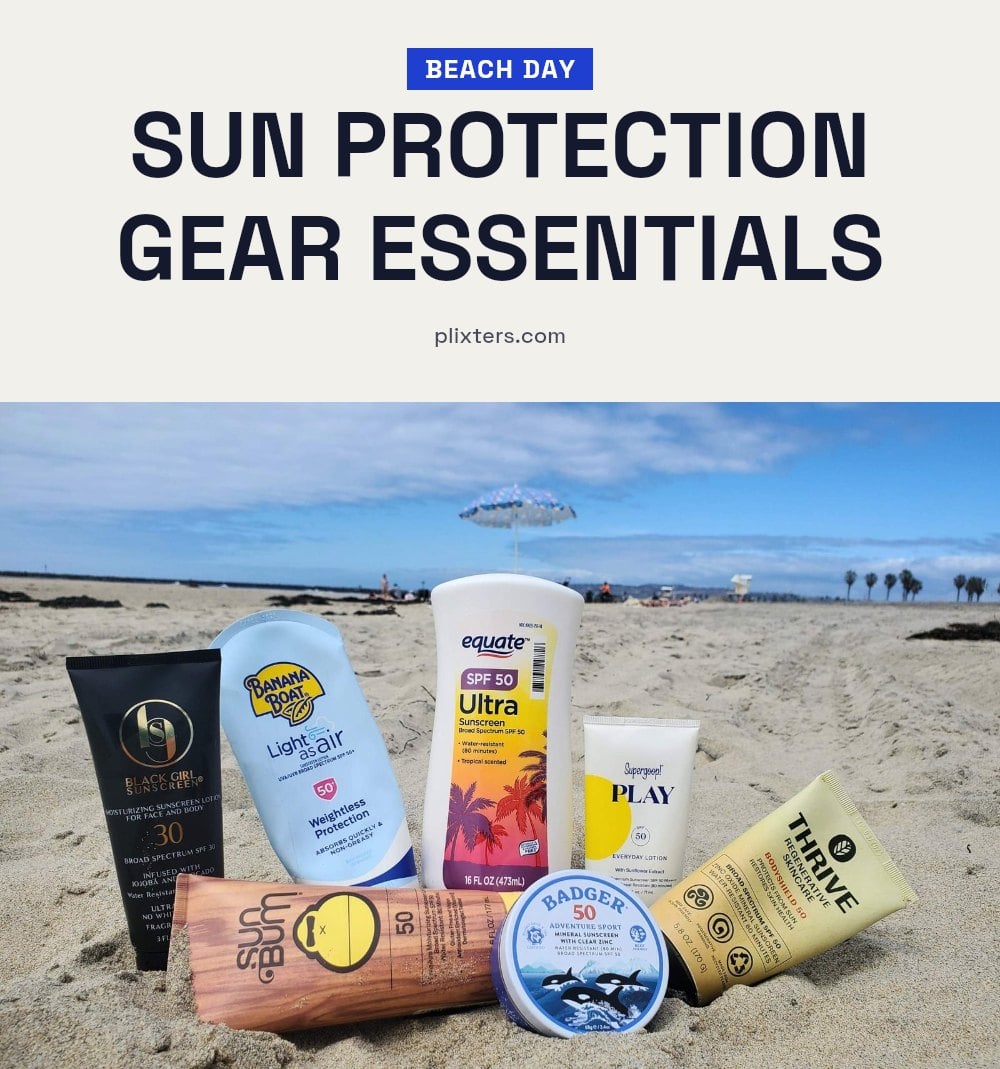
Start with a broad-spectrum sunscreen labeled SPF 30 or higher. You have several formats to choose from:
- Lotions and creams: Best for dry skin and full-body coverage, easy to apply evenly.
- Sprays: Quick to use on large areas, but you need to rub them in for even coverage.
- Sticks: Great for small areas like the nose, ears, and around the eyes.
The main ingredient difference: mineral sunscreens use zinc oxide and/or titanium dioxide to sit on top of the skin and reflect UV rays, while chemical sunscreens absorb UV rays and convert them into heat. Both types work well, pick the one you’ll actually use consistently.
Step-by-Step: How to Apply Sunscreen for Maximum Protection
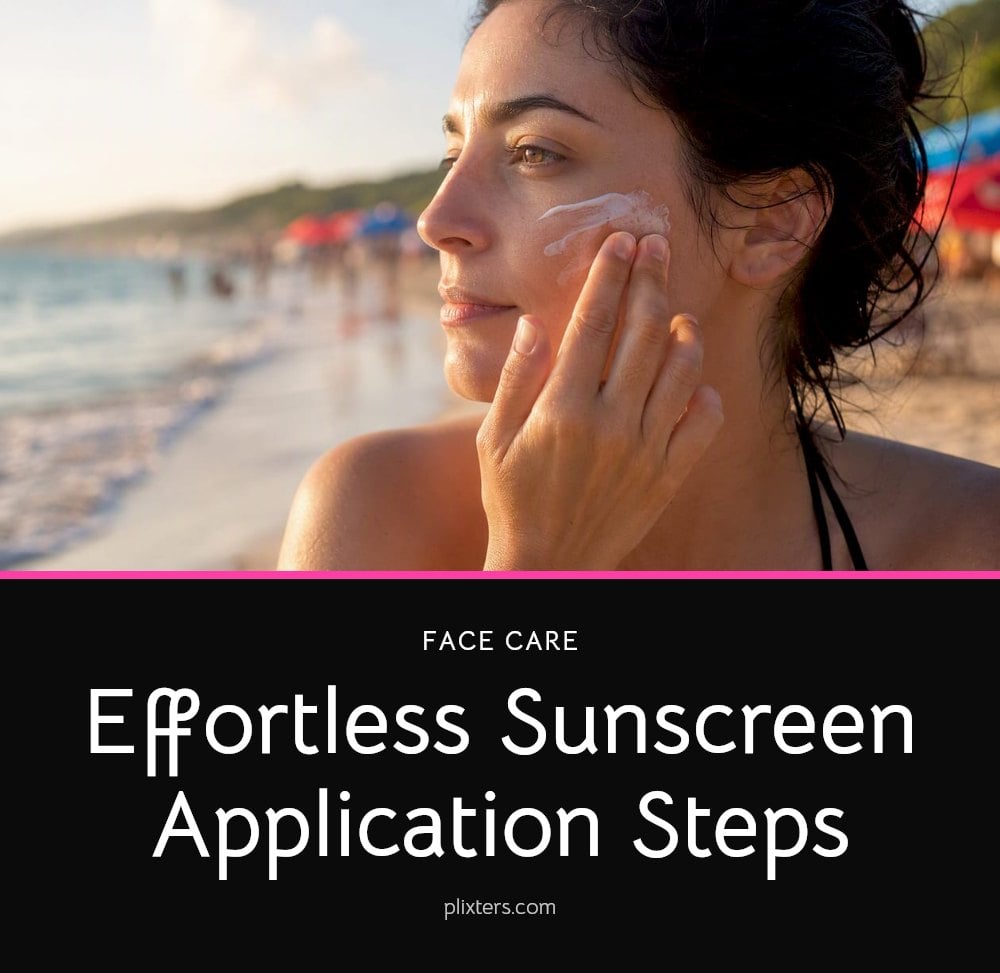
- Apply 15-30 minutes before sun exposure: This gives the sunscreen time to bind to your skin and form a protective layer. Don’t wait until you’re already outside.
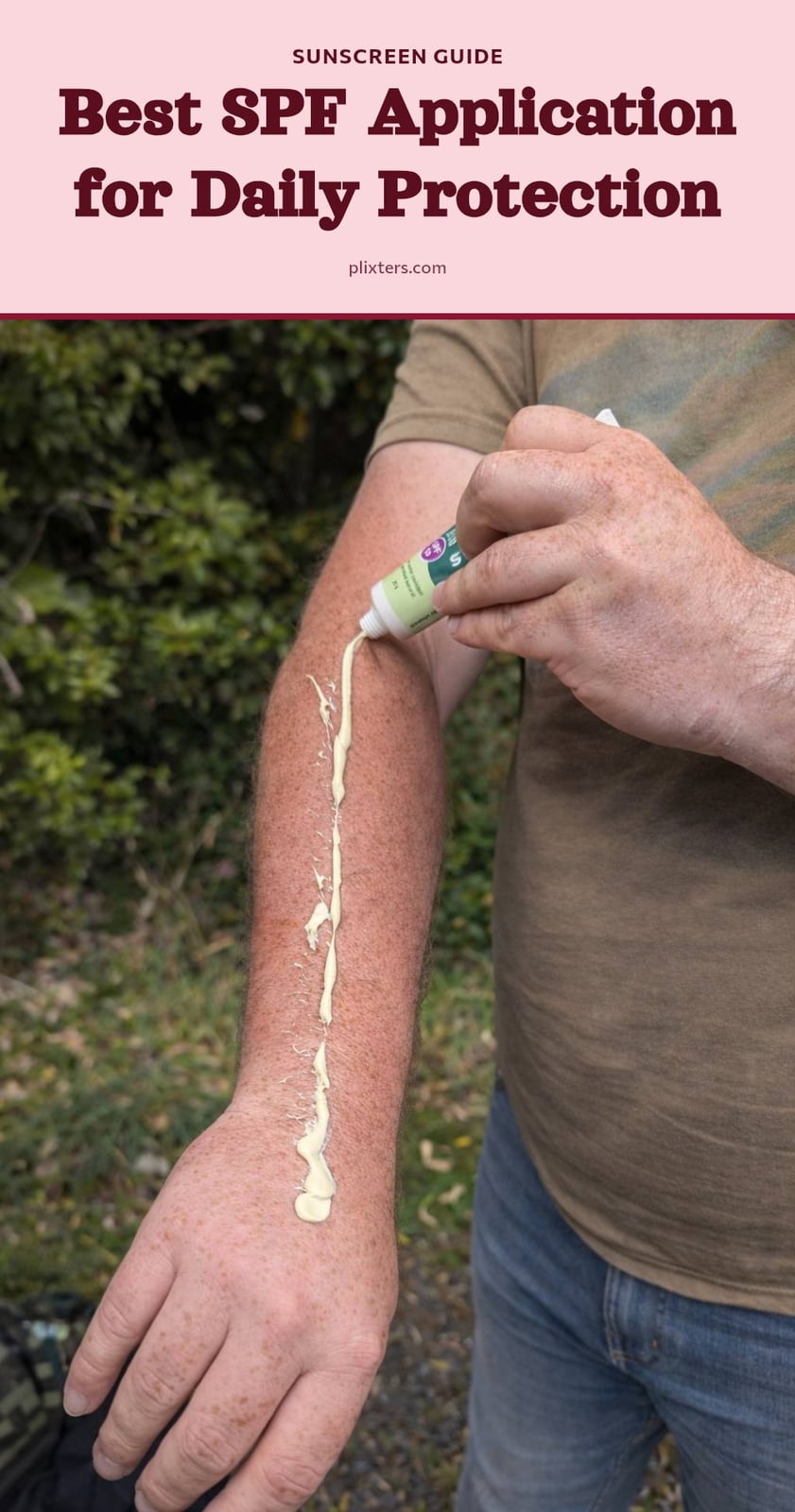
- Use a full ounce for your body: That’s about a shot glass full. Most people apply only a quarter to half that amount, which cuts the SPF protection significantly. For your face and neck alone, use about a teaspoon (which is much more than a nickel-sized dollop but less than a full ounce).
- Cover every exposed area: Don’t forget your ears, the back of your neck, your feet, and the tops of your hands. For your scalp, use a spray or a powder sunscreen, or wear a hat.
- Reapply every two hours: Sunscreen wears off over time. If you’re swimming or sweating heavily, reapply after the time indicated on the label (40 or 80 minutes), or right after towel drying. Check the label for water-resistance duration.
Pro move: Set a timer on your phone so you don’t lose track of time at the beach or park.
Choosing Your SPF: What the Numbers Really Mean
The SPF number tells you how much UVB radiation the sunscreen filters out. Here’s what the most common levels actually mean:
| SPF Level | UVB Protection | What It Blocks |
|---|---|---|
| SPF 15 | ~93% | Blocks most UVB rays |
| SPF 30 | ~97% | Blocks nearly all UVB rays |
| SPF 50 | ~98% | Blocks almost all UVB rays |
| SPF 100 | ~99% | Blocks almost all UVB rays |
No SPF offers 100% protection from UV radiation. The jump from SPF 15 to SPF 30 is significant (93% to 97%), but the difference above SPF 50 is minimal. That means a higher SPF doesn’t let you stay in the sun longer. You still need to reapply every two hours.
Common Sunscreen Mistakes to Avoid
One of the biggest mistakes is applying too little sunscreen. The recommended amount for your entire body is about one ounce, roughly the size of a shot glass. Using less than that drops the SPF protection you actually get.
Not reapplying is another common error. Sunscreen wears off after two hours, and even faster if you swim, sweat, or towel dry. Water-resistant formulas maintain their SPF for either 40 or 80 minutes while you swim or sweat, so check the label and set a timer.
People often miss the ears, back of the neck, feet, and scalp. If you have thinning hair or a part, use a spray or powder on your scalp. Relying only on sunscreen without shade or protective clothing leaves gaps in your defense. Expired sunscreen loses effectiveness, so check the date before you apply. And a higher SPF does not mean you can skip reapplication, no sunscreen blocks 100% of UV rays.
Pro Tips for Year-Round Sun Protection
Make broad-spectrum SPF 30 or higher your daily default, even in winter or on overcast days. Up to 80% of UV rays can pass through clouds, so skipping sunscreen when it is gray leaves you exposed.
Store your sunscreen in a cool, dry place away from direct sunlight. Heat and humidity can break down the active ingredients before the expiration date. Check the bottle regularly for changes in texture or smell.
My tip: Keep a backup bottle in your bag or car so you never have an excuse to skip reapplication. Sunscreen is one part of a complete sun strategy, pair it with seeking shade between 10 a.m. and 4 p.m. wearing a wide-brimmed hat, and covering up with UV-protective clothing.
When to Consult a Professional About Sun Protection
If you develop a rash, redness, or itching after applying sunscreen, stop using it and talk to a healthcare professional. Some chemical filters like oxybenzone or avobenzone can trigger reactions in sensitive skin.
For infants younger than 6 months, consult a pediatrician before using any sunscreen. Their skin is thinner and more absorbent, so shade and protective clothing are the primary defenses.
When trying a new sunscreen, do a patch test on a small area of your inner arm a day before full use. If you have persistent sun damage, unusual moles, or questions about your skin, a dermatologist can give personalized advice.
Frequently Asked Questions
What is the difference between UVA and UVB rays?
UVA rays are often called aging rays because they penetrate deep into the skin and contribute to premature wrinkles and age spots. UVB rays are the burning rays that cause sunburn and are a major factor in skin cancer. A broad-spectrum sunscreen protects against both types.
Can I use sunscreen that expired last year?
It is best not to use expired sunscreen. The ingredients can break down over time, reducing the SPF protection you actually get. Check the expiration date on the bottle, and if it has expired, toss it and buy a fresh one to ensure you are fully protected.
Do I need sunscreen on cloudy days?
Yes, you do. Up to 80% of UV rays can pass through clouds, so you can still get sun damage even when the sun is hidden. Make broad-spectrum SPF 30 or higher a daily habit, rain or shine, to keep your skin protected year-round.
Is SPF in makeup enough for sun protection?
Generally, no. Most people do not apply enough foundation or powder to reach the SPF stated on the label. You would need about a shot glass full of makeup to get the full protection, which is unrealistic. It is better to use a separate sunscreen underneath your makeup.
What does ‘water resistant’ really mean for sunscreen?
Water resistant means the sunscreen maintains its SPF for either 40 or 80 minutes while you swim or sweat. It does not mean waterproof, so you still need to reapply after that time or after towel drying. Always check the label for the specific duration.
Final Thoughts
My tip: Make applying sunscreen a non-negotiable part of your morning routine, just like brushing your teeth. Even on cloudy days, up to 80% of UV rays can reach you, so a daily habit is your best defense. Pair it with seeking shade and wearing protective clothing for the most complete sun protection strategy.
This article is for general informational purposes only and does not constitute medical or professional advice. Sun protection needs can vary based on skin type, health conditions, and environment. If you experience a skin reaction or have specific concerns, consult a dermatologist or healthcare professional.




