 Save
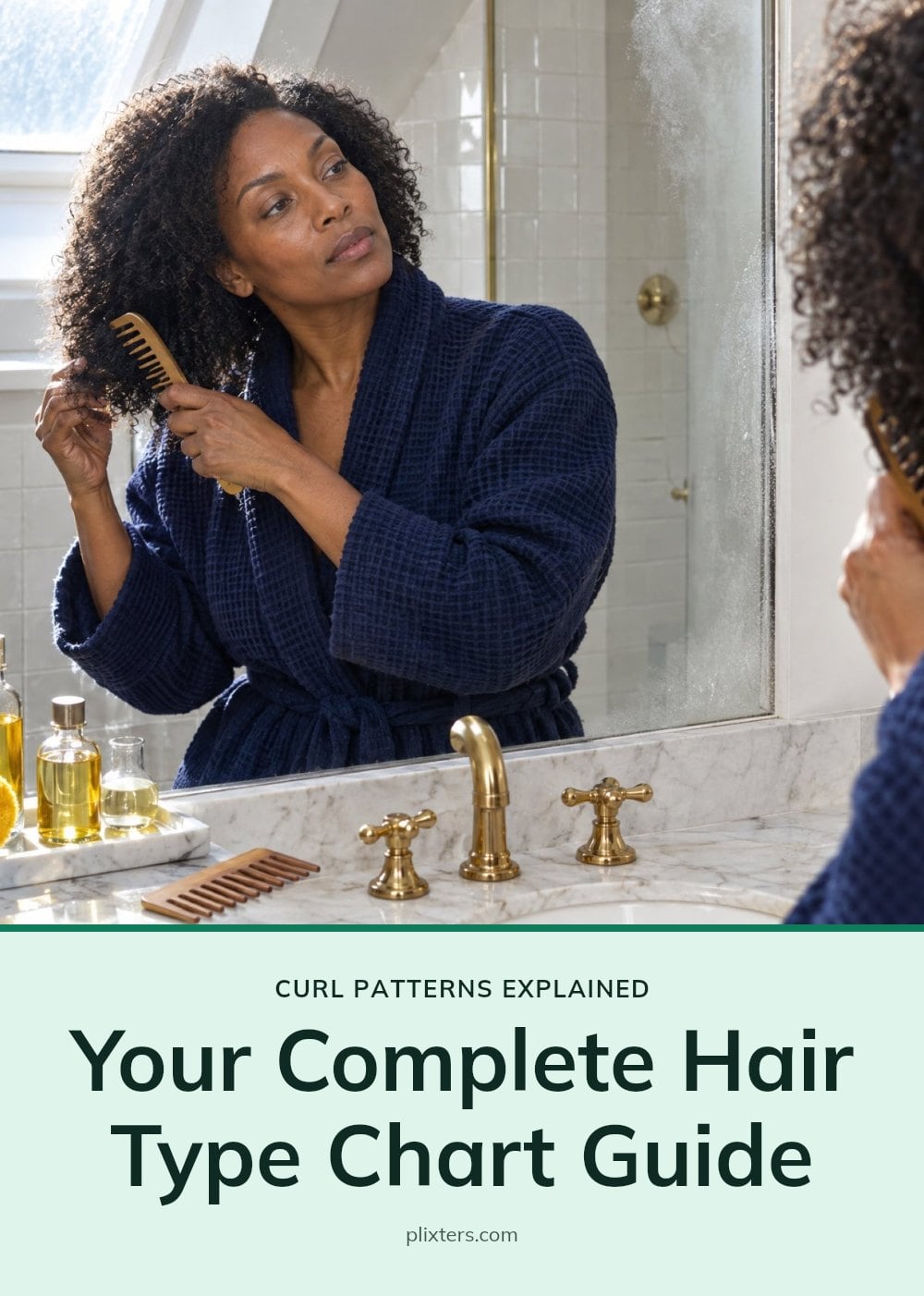
Ever wondered why some products work miracles for your friend but leave your hair feeling lackluster? It often comes down to your specific hair type. In this article, I break down the hair type chart from 1A to 4C, so you can finally decode your curls, waves, or straight strands and choose products that truly work for you.
Key Takeaways
- Hair type is classified by curl pattern, from straight (Type 1) to coily (Type 4).
- Subcategories A, B, and C indicate the tightness of the curl or wave.
- Consider porosity and density alongside curl pattern for the best product match.
- Hair type can shift over time due to hormones, age, or chemical treatments.
- Don’t confuse hair type (curl pattern) with hair texture (strand thickness).
10 ideas in this post
What is the Hair Type Chart?
The hair type chart is a classification system, most notably the Andre Walker Hair Typing System, that categorizes hair based on its curl pattern and texture. It ranges from straight (Type 1) to coily (Type 4), with subcategories (A, B, C) indicating the tightness of the curl or coil. Understanding your hair type can help in selecting appropriate products and styling techniques for optimal hair health and appearance.
1. Type 1: Straight Hair
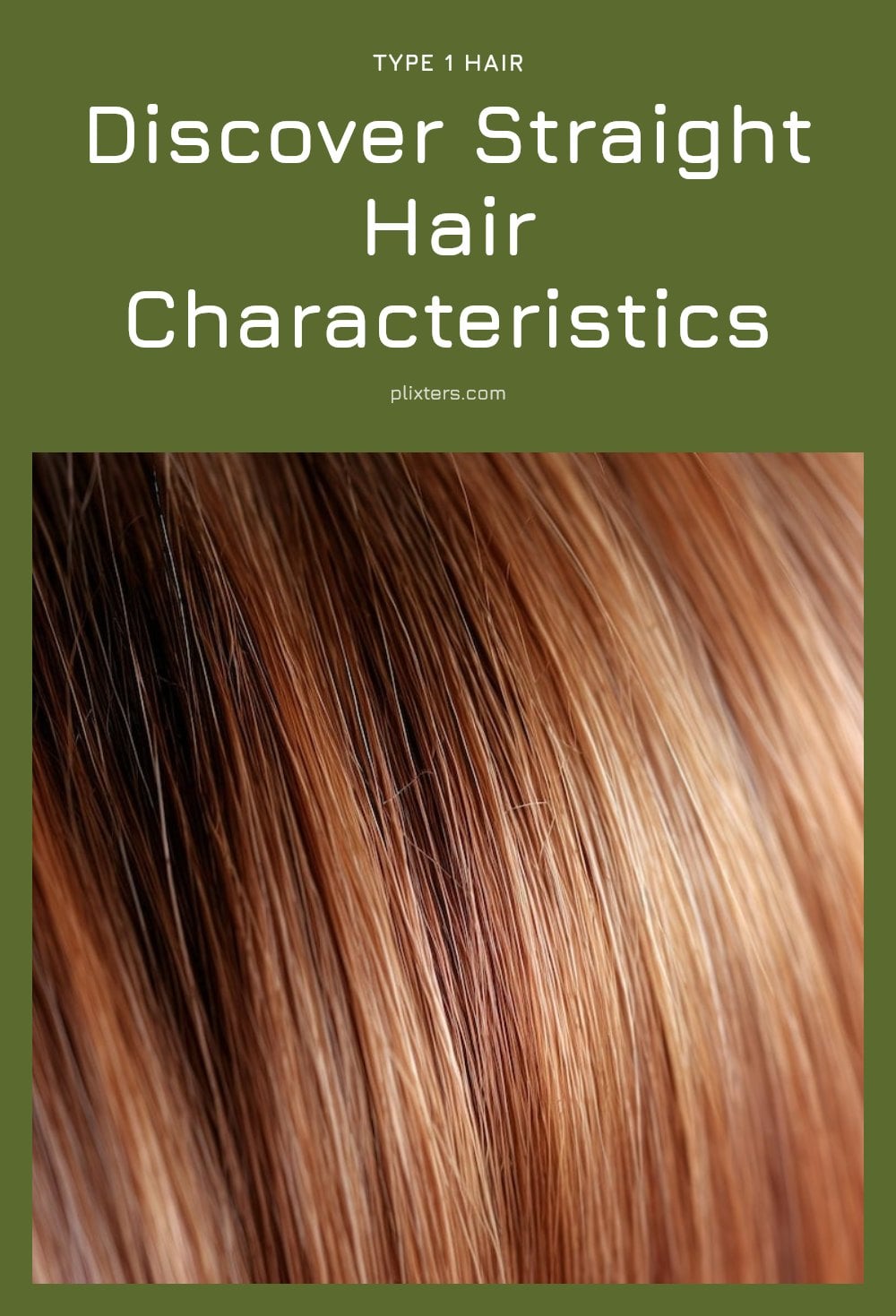
Straight hair has no natural curl pattern and lies flat from root to tip. The subcategories depend on thickness and texture.
- Type 1A: Fine and soft, this hair is often silky but struggles to hold a curl. It tends to get oily quickly.
- Type 1B: Medium-textured with a bit more body than 1A. It can hold a curl with the right products and technique.
- Type 1C: Thick and coarse, this hair is often resistant to curling and can appear voluminous naturally. It may need heavier products to tame frizz.
2. Type 2: Wavy Hair
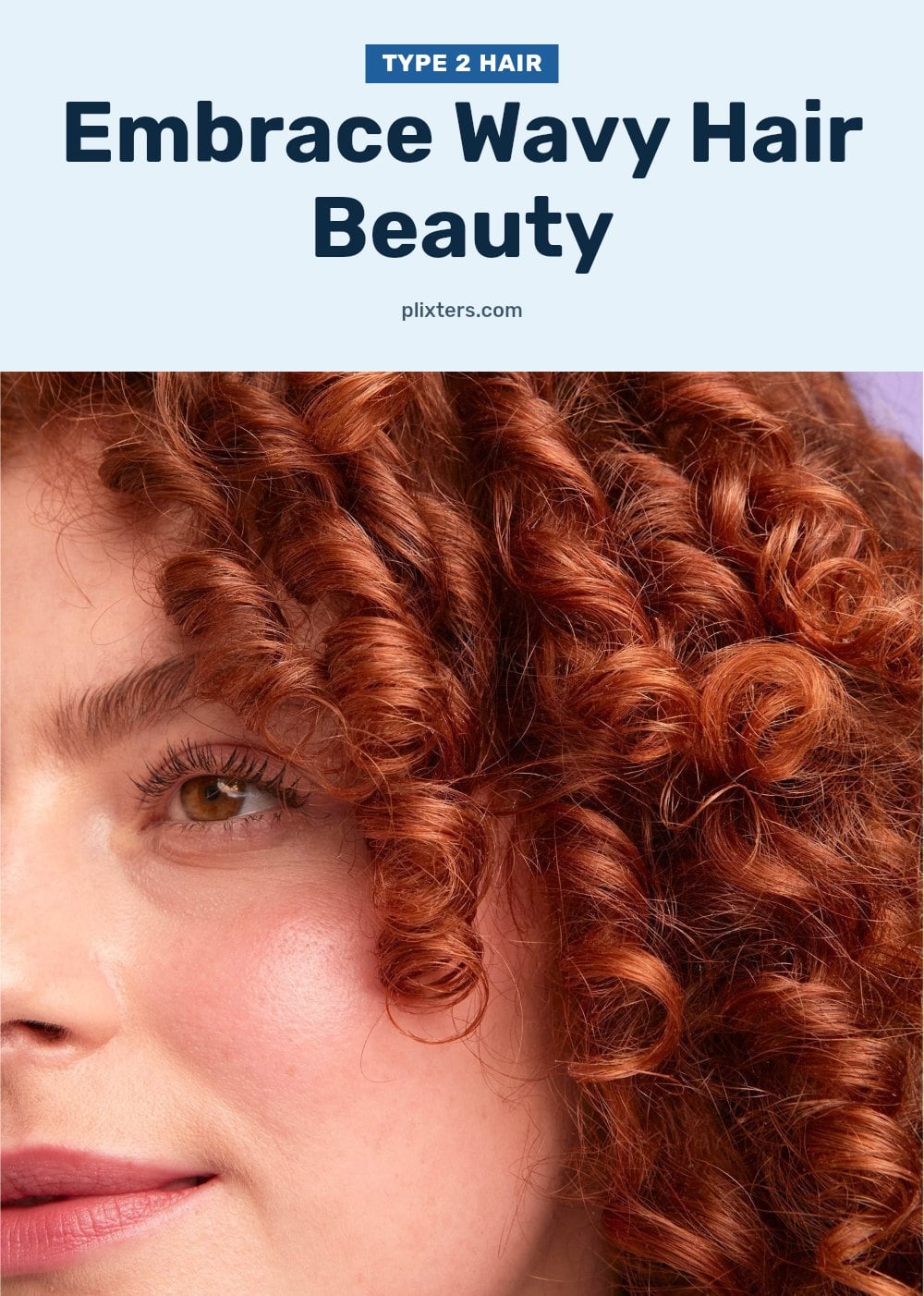
Type 2 hair is wavy, forming an S-shaped pattern that lies somewhere between straight and curly. The subcategories depend on the wave’s definition and texture.
- 2A: Fine and loose, these waves are easy to straighten or curl with heat. They often lack volume at the root.
- 2B: Medium-textured with more defined S-waves that start lower down. This type tends to frizz, especially in humidity.
- 2C: Coarse and well-defined, with thicker strands and some tighter S-bends near the ends. Frizz is common, and the waves hold their shape well without product.
3. Type 3: Curly Hair
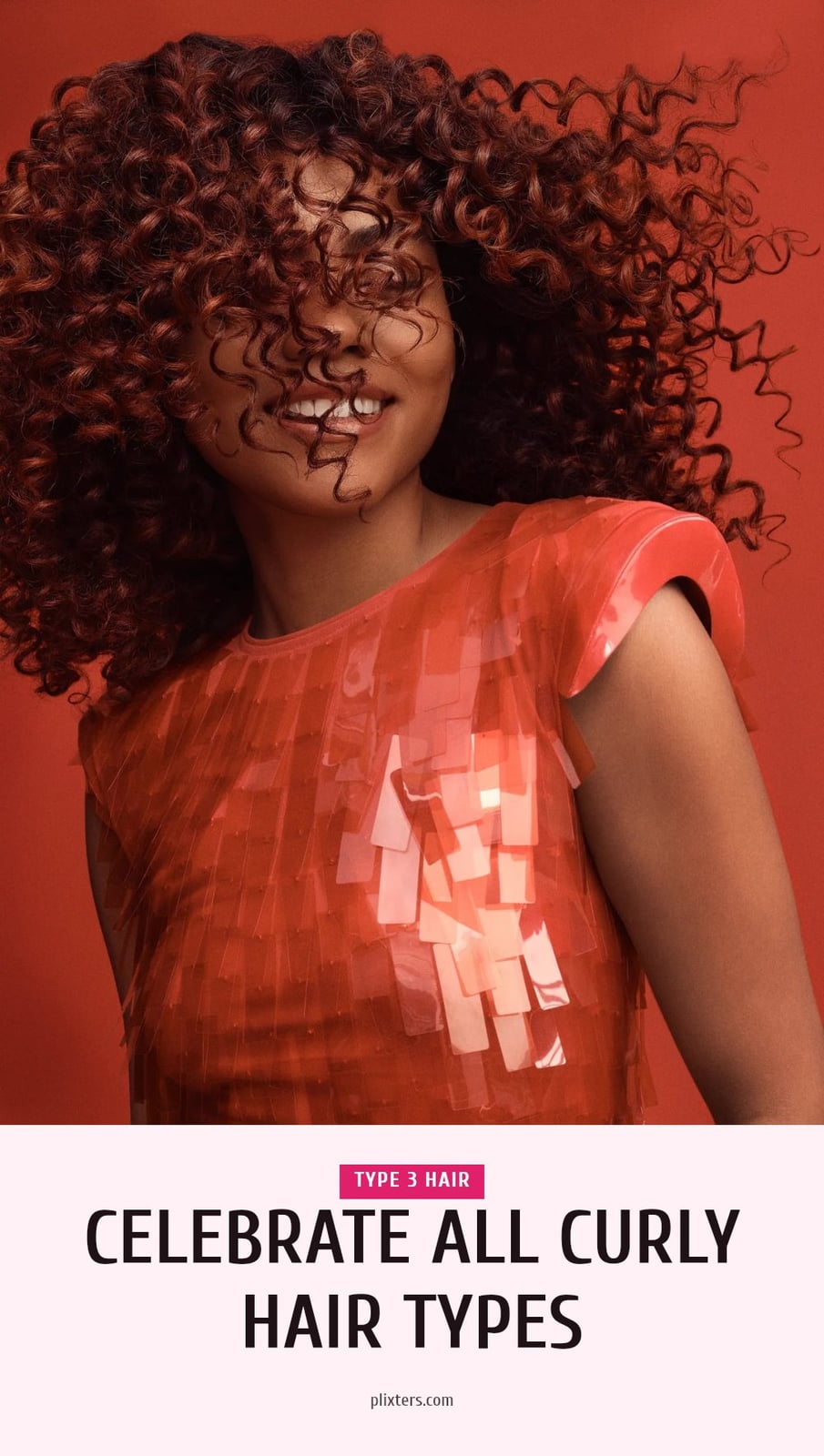
Type 3 hair is curly, forming distinct loops or spirals that range from loose to tight. 3A curls are large, loose spirals, often the size of a piece of sidewalk chalk, with a defined S-shape. 3B curls are springy, medium-sized spirals, roughly the width of a marker, and tend to have more volume. 3C curls are tight, corkscrew curls, about the size of a pencil, and are densely packed with a lot of natural body.
4. Type 4: Coily Hair
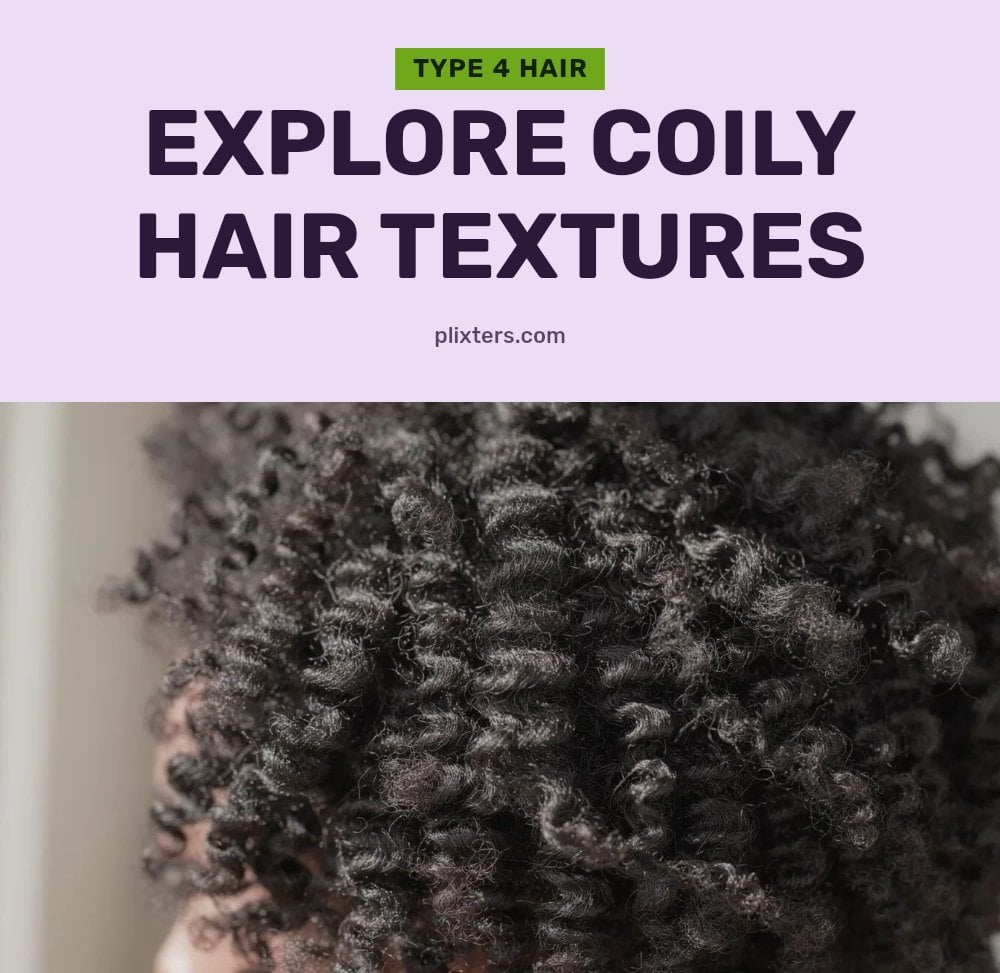
Type 4 hair is coily or kinky, with very tight, often Z-shaped or S-shaped patterns. 4A coils are tightly packed S-shaped curls, roughly the size of a crochet needle. 4B coils have a Z-shaped pattern with sharp angles, making them less defined than 4A. 4C coils are densely packed, showing little to no defined curl pattern without manipulation, and they experience the most shrinkage of all types.
How to Determine Your Hair Type Accurately
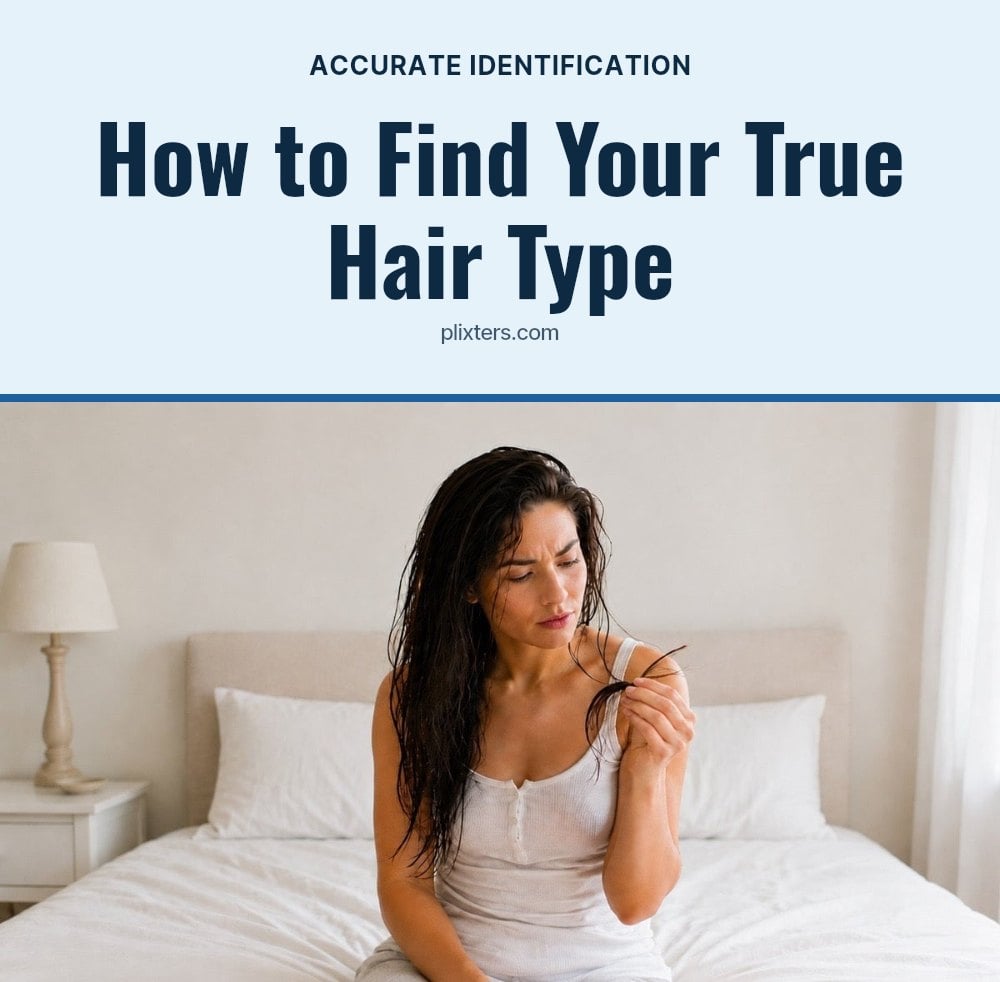
Start by observing your hair in its natural state, both wet and dry. This gives you the truest view of your curl pattern. Also consider your hair’s porosity and density, as they affect how products work.
Don’t rely only on what you see; feel your hair’s texture to distinguish between fine, medium, and coarse strands. If you’ve used heat or chemical treatments recently, your pattern may be temporarily altered, so wait until your hair is in its natural state to assess it.
My tip: Don’t get discouraged if your hair doesn’t perfectly fit one category. Most people have a mix of patterns, and that’s completely normal.
Common Mistakes When Identifying Hair Type
Confusing hair type with hair texture: Hair type refers to curl pattern (straight, wavy, curly, coily), while hair texture describes the thickness of individual strands (fine, medium, coarse). They are distinct characteristics.
Believing hair type is the only factor for product choice: Hair porosity and density are equally crucial. Products that work for a 3A curl with high porosity might not suit a 3A curl with low porosity.
Trying to force a different curl pattern: Excessive heat or chemical treatments to alter your natural pattern can lead to permanent damage and mask your true hair type.
Ignoring hair porosity and density: These factors significantly impact how your hair absorbs moisture and retains products. Understand them alongside your curl pattern for the best routine.
Tips for Caring for Your Specific Hair Type
Choose tailored products: Research products specifically formulated for your identified hair type. For example, light products for fine hair, richer products for coarse or coily hair.
Experiment with styling techniques: Different curl patterns respond to different methods. Try scrunching, diffusing, or air drying to see what enhances your natural texture best.
Embrace your natural texture: Work with your hair, not against it. Minimizing heat and chemical treatments can help maintain its health and true curl pattern.
Consider porosity and density: Always factor in these aspects alongside your curl type when building your routine. A high porosity hair will need different moisture strategies than low porosity.
Frequently Asked Questions
Can my hair type change over time?
Yes, your hair type can shift gradually due to factors like age, hormonal changes (pregnancy, menopause), or chemical treatments such as relaxers or perms. It’s not uncommon to notice your curls loosening or tightening over the years.
Does hair type affect how I should wash my hair?
Absolutely. Straight and fine hair (Type 1) often gets oily quickly and may need more frequent washing with lightweight products. Wavy, curly, and coily hair (Types 2-4) tends to be drier and benefits from less frequent washing and richer, moisturizing shampoos and conditioners.
What is hair porosity and why does it matter?
Hair porosity describes how well your hair absorbs and retains moisture. It’s determined by the condition of the cuticle layer. High‑porosity hair soaks up moisture quickly but loses it fast, while low‑porosity hair repels water and needs lighter products. Porosity affects which products and techniques work best for your hair.
Is it normal to have different curl patterns on one head?
Yes, it’s very common to have multiple curl patterns on the same head. For example, you might have looser waves at the nape of your neck and tighter curls at the crown. That’s normal. Treat each section according to its needs, and don’t stress about fitting perfectly into one category.
How do I know if my hair is damaged?
Signs of damage include excessive dryness, split ends, breakage, dullness, and a lack of elasticity. If your hair snaps when stretched gently or feels straw‑like, it may be damaged. Heat styling, chemical treatments, and harsh products are common culprits. A deep conditioning treatment or a trim can help restore health.
Final Thoughts
My tip: start with the curl pattern that feels most like yours, then fine-tune based on how your hair behaves with different products. Don’t expect an instant fix; give each routine a few weeks to see real results. Embrace what you’ve got, and your hair will thank you.