
 Save
If your skin feels tight, flaky, or itchy no matter what you do, you’re not alone. Dry skin happens when your skin’s protective barrier loses too much moisture and natural oils, leaving it vulnerable to irritation. The good news is that a few simple, natural adjustments to your routine can make a real difference.
In this article, I’ll walk you through the causes of dry skin, the most effective natural ways to soothe and hydrate it, and the common mistakes that can make things worse. You’ll also learn when it’s time to see a dermatologist.
Key Takeaways
- Moisturize within a few minutes after bathing while skin is still damp.
- Keep showers lukewarm and under 10 minutes to avoid stripping natural oils.
- Use a humidifier to keep indoor humidity above 30%, especially in winter.
- Opt for gentle, fragrance-free cleansers over harsh, sulfate-based soaps.
- See a dermatologist if dryness causes severe itching, cracking, or signs of infection.
9 ideas in this post
- What Causes Dry Skin and How to Combat It
- Understanding Why Your Skin Gets Dry
- Effective Natural Methods to Hydrate Dry Skin
- Your Essential Toolkit for Dry Skin Relief
- Common Dry Skin Mistakes to Avoid
- Preventing Dry Skin from Returning
- When to Consult a Dermatologist for Dry Skin
- Frequently Asked Questions
- Final Thoughts
What Causes Dry Skin and How to Combat It
Dry skin, also called xerosis, happens when your skin loses too much moisture and natural oils, which weakens its protective barrier. That barrier is what keeps water in and irritants out, so when it breaks down, you feel tightness, flakiness, and rough patches.
To combat it, restore moisture with gentle cleansers, hydrate consistently, and shield your skin from harsh environmental factors like cold wind and low humidity. Look for ingredients that support your skin’s natural barrier, such as ceramides and fatty acids. These help soothe current discomfort and prevent future dryness from taking hold.
Understanding Why Your Skin Gets Dry
Your Skin’s Barrier and Why It Fails
The outermost layer of your skin, called the stratum corneum, is responsible for holding in moisture and acting as a shield. When it works well, your skin feels smooth and supple. But dry skin often lacks natural moisturizing factors, or NMFs, like ceramides, fatty acids, and cholesterol. These compounds are essential for keeping the barrier intact, and without enough of them, water escapes and irritants get in.
Several everyday habits can strip those protective oils and make things worse:
- Low humidity: When indoor or outdoor humidity drops below 30%, your skin loses moisture faster than it can replace it.
- Hot showers: Heat dissolves the natural oils on your skin’s surface, leaving it vulnerable.
- Harsh soaps: Sulfate-based or heavily fragranced cleansers can remove more oil than your skin can produce.
- Over-exfoliation: Scrubbing too often or using strong acids damages the barrier, which leads to even more moisture loss.
Understanding these triggers helps you avoid them, so your skin can repair itself instead of constantly fighting to hold onto hydration.
Effective Natural Methods to Hydrate Dry Skin

Natural Ways to Restore Moisture
You don’t need a cabinet full of expensive products to help dry skin. These natural methods focus on gentle hydration and supporting your skin’s barrier.
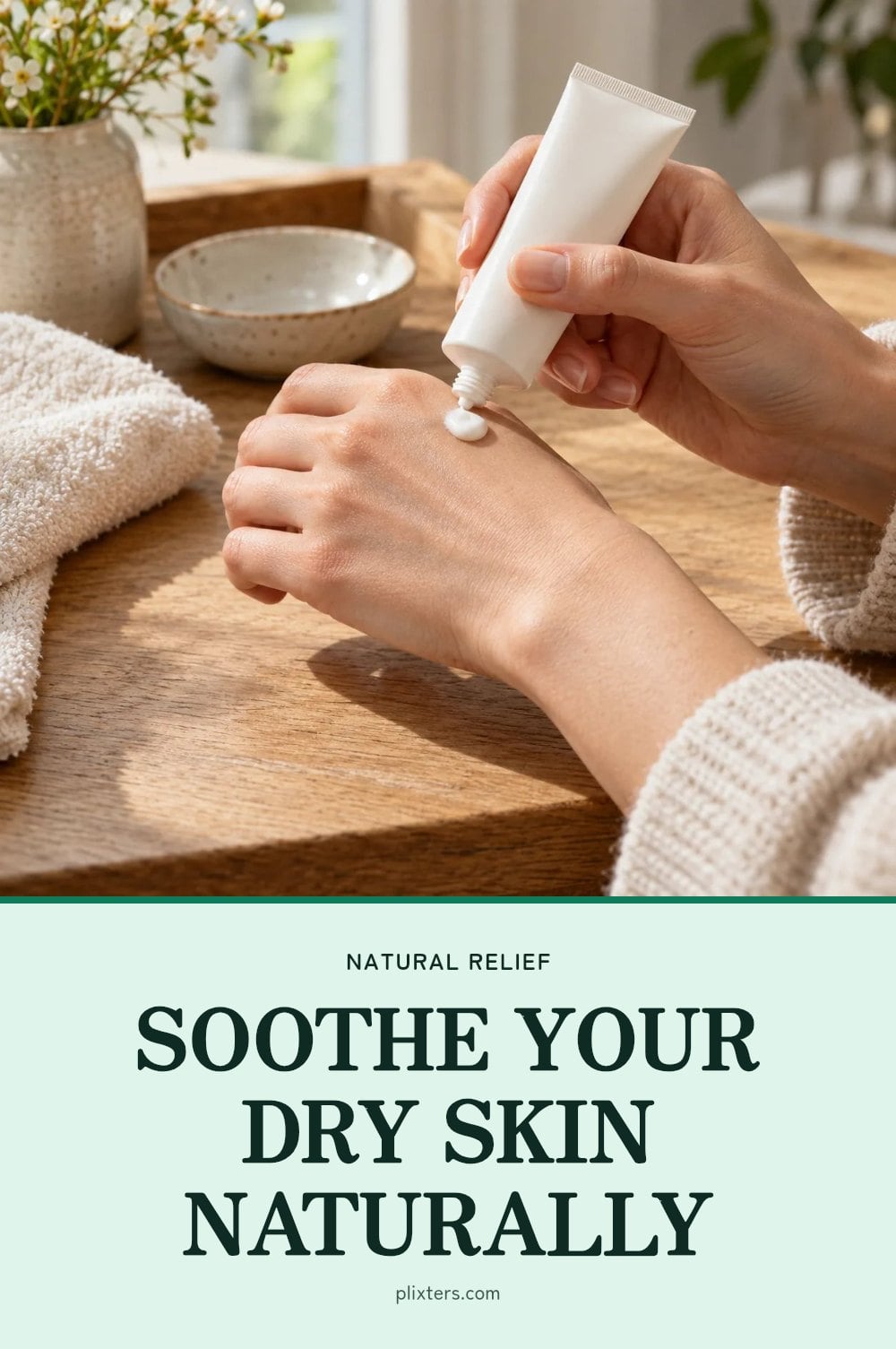
Moisturize on damp skin: After showering, pat your skin dry with a soft towel, then apply a rich moisturizer within 2 to 3 minutes. Your skin is still slightly damp, so the product traps that extra water and locks it in. Waiting longer lets moisture evaporate before you seal it.
Use barrier-mimicking oils: Jojoba oil closely resembles your skin’s natural sebum, which makes it well-tolerated and deeply hydrating. Argan oil is another good choice, as it absorbs quickly without feeling greasy. Apply a few drops to damp skin after cleansing, or mix a drop or two into your regular moisturizer. If you prefer a layered routine, apply the oil after your moisturizer to help seal it in.
Take an oatmeal bath: Colloidal oatmeal has anti-inflammatory and moisturizing properties that can calm itchy, irritated skin. Add a cup of finely ground oatmeal to lukewarm bath water and soak for 10 to 15 minutes. Keep the water lukewarm, not hot, and rinse off gently. Tip: Pat your skin dry afterward and apply moisturizer while still damp for the best effect.
Apply aloe vera gel: Pure aloe vera gel soothes redness and helps calm tight, uncomfortable skin. Look for a product with minimal ingredients, ideally just aloe and a preservative. Smooth a thin layer over dry areas and let it absorb before applying moisturizer on top. Caution: Always patch test aloe on your inner arm before using it on your face, since some people are sensitive to it.
For best results, pair these methods with a consistent routine. Apply moisturizer morning and night, and reapply after washing your hands if they tend to get dry. My tip: Keep a small bottle of jojoba oil by your sink and massage a drop into your cuticles and hands after every wash.
Your Essential Toolkit for Dry Skin Relief

Having the right items on hand makes a dry skin routine easier to stick with. Here is what I keep in my kit:
- Gentle, fragrance-free cleanser: Cleans without stripping your skin’s natural oils. Non-foaming formulas are usually milder than foaming ones.
- Rich moisturizer (cream or ointment): Creams and ointments contain more occlusive ingredients that lock in hydration better than lotions.
- Natural oils: Jojoba, argan, sunflower, or shea butter mimic your skin’s own oils and provide deep moisture.
- Humidifier: Adds moisture to dry indoor air, especially helpful in winter or in arid climates.
- Soft towel: Use it to pat your skin dry instead of rubbing, which helps retain surface moisture.
These basics cover cleansing, hydrating, and protecting your skin, so you can build a routine that actually works.
Common Dry Skin Mistakes to Avoid
Mistake: relying on water alone. Drinking enough water supports overall health, but it won’t fix surface dryness. Your skin needs topical moisture to restore its barrier, so pair hydration with a rich moisturizer.
Mistake: using harsh cleansers. Strong soaps and sulfates strip natural oils, making flakiness worse. Switch to a gentle, non-foaming cleanser that cleans without leaving your skin tight.
Mistake: skipping the damp-skin window. Moisturizer works best when applied within a few minutes after bathing, while your skin is still damp. Waiting until later lets moisture evaporate, so you lose most of the benefit.
Mistake: over-exfoliating. Scrubbing away dry flakes damages the barrier and increases water loss. Limit exfoliation to once a week and choose a mild method, not a physical scrub.
Mistake: ignoring your environment. Low humidity, hot showers, and cold wind all pull moisture from your skin. Use a humidifier, shorten your showers, and cover up in harsh weather.
Preventing Dry Skin from Returning

Once your skin is comfortable again, a few daily habits keep it from flaking back. My tip: run a humidifier in your bedroom during winter or in any room where the air feels dry. Keeping humidity above 30% makes a noticeable difference for your barrier.
- Shorten your showers: Keep them under 10 minutes and use lukewarm water, not hot. Hot water strips the natural oils your skin needs to hold moisture.
- Choose your cleanser wisely: Stick with gentle, fragrance-free formulas. Skip anything with alcohol or strong sulfates, both of which can pull moisture out of your skin.
- Pat, don’t rub: After bathing, use a soft towel to pat your skin dry. Rubbing removes the thin layer of water that your moisturizer will trap.
- Cover up outside: In cold, windy, or very dry weather, wear a scarf, gloves, and a hat to shield exposed skin from the elements.
These habits are simple to build into your day, and they target the most common triggers before dryness starts.
When to Consult a Dermatologist for Dry Skin
Most dry skin responds to a consistent moisturizing routine within a week. But some symptoms need a dermatologist’s attention. Make an appointment if you have severe itching, redness, or cracking that does not improve with home care.
Watch for signs of infection, including pus, swelling, or increasing pain. These require prompt medical evaluation.
Seek professional advice if the dryness is widespread or interferes with your daily life, or if you suspect an underlying condition or allergic reaction is contributing. A doctor can identify the cause and recommend prescription treatments.
Frequently Asked Questions
Can drinking more water alone fix very dry skin?
Drinking enough water supports overall health, but it won’t cure surface dryness on its own. Your skin needs topical moisture to restore its barrier. Pair good hydration with a rich moisturizer applied to damp skin for the best results.
How often should I moisturize if I have dry skin?
Apply moisturizer at least twice a day, and always within a few minutes after showering or washing your hands. If your skin feels tight or flaky during the day, reapply as needed. Consistency is key, so keep a moisturizer handy wherever you spend most of your time.
Are all natural oils good for dry skin?
Not all oils are equal. Jojoba oil mimics your skin’s natural sebum and is well tolerated by most people. Argan and sunflower oils are also gentle options. Avoid essential oils unless properly diluted, and always patch test a new oil on a small area first to check for sensitivity.
What ingredients should I avoid in skincare products for dry skin?
Steer clear of products with strong fragrances, sulfates, and alcohol, as these can strip your skin’s natural oils and worsen dryness. Look for gentle, fragrance-free cleansers and rich creams or ointments instead. If a product makes your skin feel tight or irritated, it’s probably not right for you.
How long does it take to see improvement in dry skin?
With consistent moisturizing and a gentle routine, many people notice improvement within a few days to a week. However, sustained results require ongoing care. If you don’t see progress after a week of home care, or if symptoms worsen, consult a dermatologist.
Final Thoughts
My tip: pick one or two changes to start with, like switching to a gentle cleanser and moisturizing on damp skin. Consistency matters more than perfection, and you can expect to see improvement within a few days to a week if you stick with it. Remember that dry skin often needs ongoing care, so keep up the good habits even after your skin feels comfortable again.
If your symptoms don’t improve with home care or you notice severe redness, cracking, or signs of infection, don’t hesitate to book an appointment with a dermatologist. Your skin is worth the extra attention.
This article is for general informational purposes only and is not a substitute for professional medical advice. If you have persistent or severe dry skin, or if you notice signs of infection, please consult a dermatologist or healthcare provider. Always patch test new products and discontinue use if irritation occurs.




