
 Save
You’ve probably seen toner in every skincare routine video, but what does it actually do? If you’re new to toners or just curious whether you need one, this article breaks down the basics: what toner is for, how to pick the right type, and how to apply it step by step.
By the end, you’ll know exactly when and how to use toner to get the most from your skincare routine.
Key Takeaways
- Toner goes on after cleansing, before serums or moisturizers.
- Choose a formula for your skin type, like hydrating for dry skin.
- Exfoliating toners need sunscreen during the day.
- Pat toner onto damp skin for better absorption.
- Skip toner if your routine works without it.
11 ideas in this post
- What Toner Actually Does for Your Skin
- Beyond Astringents: How Modern Toners Work
- Finding Your Perfect Match: Types of Toners
- Gathering Your Toner Application Essentials
- Step-by-Step: How to Apply Toner Correctly
- Pro Tips for Getting the Most Out of Your Toner
- Common Toner Mistakes and How to Avoid Them
- When to Use Toner and What to Expect
- When to Consult a Dermatologist
- Frequently Asked Questions
- Final Thoughts
What Toner Actually Does for Your Skin
Toner is a liquid skincare product you apply right after cleansing and before serums or moisturizers. Its job is to remove any leftover impurities, balance your skin’s pH, and prep your skin so the products you use next absorb better. Modern toners have come a long way from the harsh astringents of the past. Today, they offer hydration, exfoliation, or soothing benefits, so you can pick one that fits your skin’s needs.
Beyond Astringents: How Modern Toners Work
Traditional toners were often alcohol-based, designed to strip away excess oil and tighten pores. That approach left many skins feeling dry and irritated. Modern formulas skip the harsh alcohols and instead pack in beneficial ingredients like humectants, antioxidants, and mild exfoliants.
Cleansing can disrupt your skin’s natural acid mantle, that slightly acidic protective barrier. Toner helps bring your skin’s pH back into balance, creating a clean, calm canvas. This balanced state also improves how well your skin absorbs the serums and moisturizers you apply next. Think of toner as the reset button that preps your skin for everything else in your routine.
Finding Your Perfect Match: Types of Toners
Not all toners are the same, so matching the formula to your skin’s needs matters.
| Type | Key Ingredients | Best For | Watch Out For |
|---|---|---|---|
| Hydrating | Hyaluronic acid, glycerin | Dry or dehydrated skin | May feel heavy on oily skin |
| Exfoliating | AHAs, BHAs | Dull skin or clogged pores | Can irritate if overused |
| Soothing | Chamomile, aloe, niacinamide | Sensitive or red skin | Less effective for exfoliation |
| Targeted | Salicylic acid, vitamin C | Acne or hyperpigmentation | May not suit all skin types |
Gathering Your Toner Application Essentials
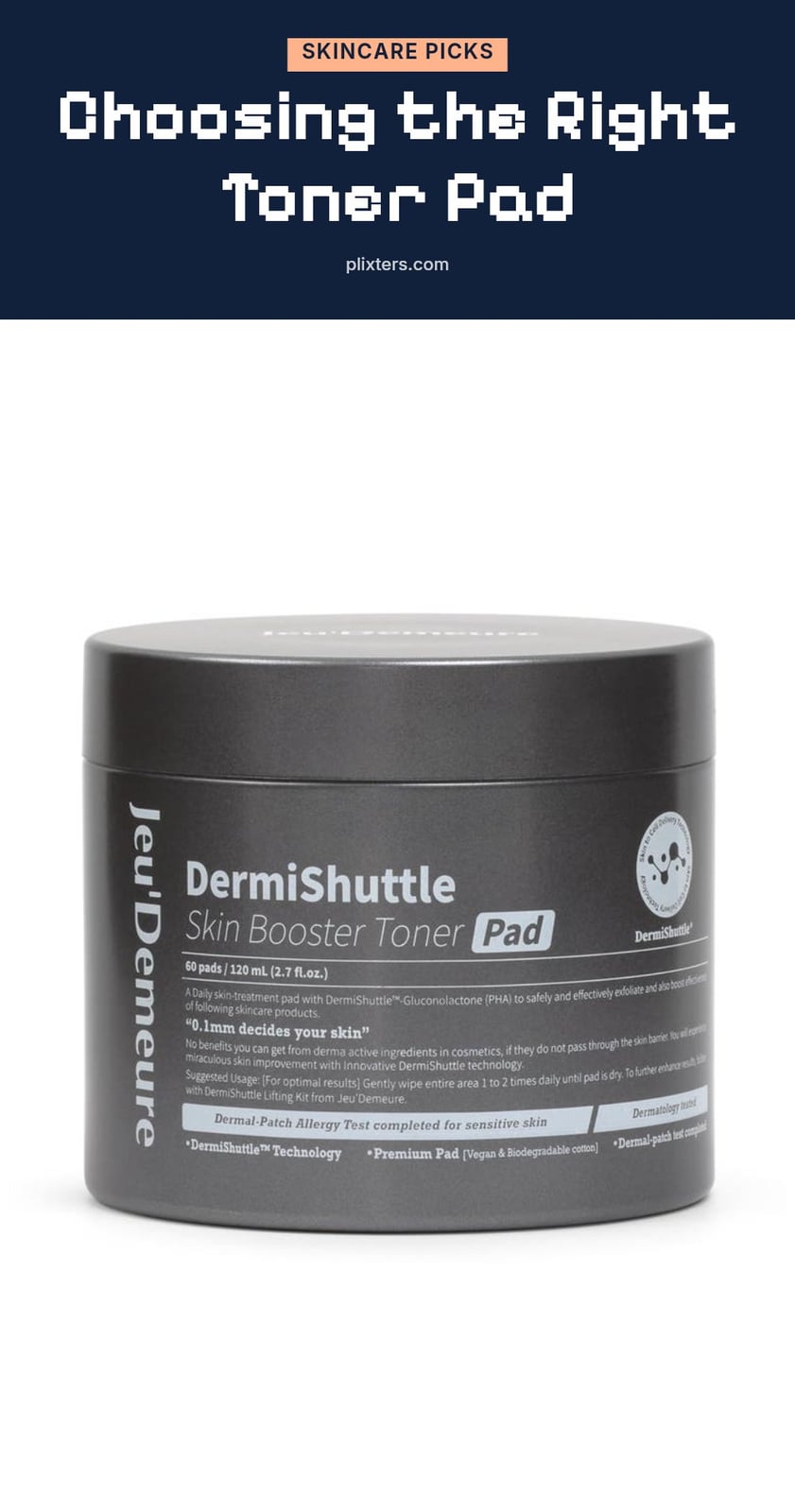
You only need a few basics to work toner into your routine.
- Toner: Pick one made for your skin type, like a hydrating formula for dry skin or an exfoliating one for dullness.
- Cotton pads (optional): Great for even distribution and a gentle swipe across your face.
- Clean hands: Patting toner on directly cuts down on product waste and works well for sensitive skin.
Step-by-Step: How to Apply Toner Correctly

Start with a clean face. Wash with your regular cleanser, then pat your skin dry with a towel, leaving it slightly damp.
- Pour the toner: Saturate a cotton pad with toner, or pour a few drops into your palm. If you have sensitive skin, the hand method gives you more control over how much product touches your face.
- Swipe or pat: With a cotton pad, gently swipe it across your face and neck in upward motions. With your hands, press the toner into your skin with light patting motions. Avoid rubbing, which can irritate the skin.
- Cover every area: Don’t forget the jawline, hairline, and sides of the nose. A quick pass over the neck helps keep the whole area balanced.
- Move to the next step: While your skin is still damp, apply serums, essences, or moisturizer. This locks in the hydration and helps the next products absorb better.
Apply toner once or twice daily, depending on the formula. Exfoliating toners often work best at night, while hydrating ones can be used morning and evening.
Pro Tips for Getting the Most Out of Your Toner
To get the most from your toner, start by reading the label. Exfoliating formulas often have specific frequency instructions, like every other day, while hydrating ones are usually safe for daily use.
- Patch test first: Apply a small amount to your jawline or behind your ear and wait 24 hours. This is especially important if you have sensitive skin.
- Adjust to your skin: If your skin feels tight or looks red, cut back to every other day or switch to a gentler formula.
- Layer correctly: Use toner before serums and moisturizers, not after. The order matters for absorption.
- Don’t skip moisturizer: Even a hydrating toner needs a moisturizer on top to seal in the benefits.
My tip: keep a travel-size toner in your gym bag for a quick refresh after a workout, just make sure it’s a gentle, alcohol-free formula.
Common Toner Mistakes and How to Avoid Them
Many people skip toner because they remember the harsh astringents of the past. That’s a missed opportunity, modern toners are diverse and can hydrate, exfoliate, or soothe.
- Mistake: choosing the wrong formula. A toner for oily skin can dry out dry skin, and a hydrating toner won’t fix acne. Match the toner to your specific concern.
- Mistake: applying to dry skin. Toner absorbs better on freshly cleansed, damp skin. Applying it to dry skin reduces its effectiveness.
- Mistake: over-exfoliating. Using an exfoliating toner daily plus a scrub or retinol can strip your skin. Alternate strong actives or use the toner every other day.
- Mistake: stopping after toner. Toner preps your skin, but it doesn’t replace serums or moisturizers. Skipping them negates the prep benefit.
Caution: if a toner contains high concentrations of denatured alcohol, skip it. It can dry and irritate your skin over time.
When to Use Toner and What to Expect
Toner fits into your routine once or twice a day, depending on the formula and your skin’s tolerance. Most people use it in the morning, at night, or both.
- Immediate results: Expect refreshed, clean-feeling skin right after application.
- Long-term benefits: Improved texture, fewer breakouts, or better hydration usually appear after a few weeks of consistent use.
- Cost range: Toners span from affordable drugstore options to luxury brands, generally between $10 and $60 or more.
Stick with it for at least two to three weeks before deciding if a toner works for you. Changing products too often can confuse your skin and delay results.
When to Consult a Dermatologist
If you notice excessive redness, burning, stinging, or peeling that lingers after using a toner, stop using it and see a dermatologist. The same goes if your skin gets worse or new breakouts, rashes, or irritation appear after you introduce a toner.
Persistent issues like severe acne or chronic irritation that toners alone aren’t fixing also warrant professional input. A dermatologist can identify the root cause and prescribe targeted treatments.
For personalized advice on adding specific active ingredients, especially if you have sensitive skin or an existing condition like eczema or rosacea, a consultation is worth it. They can help you build a routine that works without causing damage.
Frequently Asked Questions
Can I skip toner in my skincare routine?
Yes, you can. Toner is not a required step for everyone. If your skin feels clean and balanced after cleansing and your serums and moisturizers absorb well, you might not need it. However, if you want extra hydration or help with dullness, a toner can be a beneficial addition.
How often should I use exfoliating toner?
It depends on the product and your skin’s tolerance. Many exfoliating toners are meant to be used every other day or a few times a week, not daily. Always read the label for specific instructions, and start slowly to avoid over-exfoliation. If you notice irritation, cut back.
Does toner replace cleanser?
No, toner does not replace your cleanser. Cleansing removes dirt, oil, and makeup from your skin, while toner works after cleansing to remove any leftover residue and prep your skin for the next steps. You should always wash your face before applying toner.
What’s the difference between toner and essence?
Toners are typically lighter and are used right after cleansing to balance and prep the skin. Essences are usually more concentrated and target specific concerns like hydration or brightening. In a routine, you’d apply toner first, then essence, then serums and moisturizers.
Final Thoughts
My tip: pick a toner that targets your main concern, whether that’s hydration, exfoliation, or soothing. Start using it once a day, preferably in the evening, and watch how your skin responds. You’ll notice a fresh feel right away, but give it a few weeks to see changes in texture or hydration.
Remember, toner isn’t mandatory, but it can be a nice boost if you choose the right one.
This article is for general information only and is not medical or professional advice. Everyone’s skin is different, so what works for one person may not work for you. If you have a persistent skin concern or experience a serious reaction, please consult a dermatologist or healthcare professional.




