 Save
You don’t need expensive treatments to get a brighter smile. With the right approach, natural methods can help lift surface stains and reveal a more radiant look, all from the comfort of your bathroom. This article covers safe, effective home techniques and what to expect from each one.
Before you start, it’s important to understand that natural whitening works on the outside of your teeth, not on deeper discoloration. The key is consistency and using gentle ingredients that won’t harm your enamel.
Key Takeaways
- Natural methods only remove surface stains; they don’t change your teeth’s natural color.
- Use baking soda or activated charcoal gently, no more than 2-3 times per week.
- Always rinse with water after consuming stain-causing foods like coffee or red wine.
- Stop any whitening method if you experience pain, sensitivity, or gum irritation.
- Consult your dentist before whitening if you have crowns, veneers, or fillings.
9 ideas in this post
- Can You Really Whiten Your Teeth at Home Naturally?
- Why Your Teeth Get Stained: Understanding Discoloration
- Your Natural Teeth Whitening Toolkit
- Effective Natural Methods for Brighter Teeth
- Common Teeth Whitening Mistakes to Avoid
- Keeping Your Smile Bright: Stain Prevention Tips
- When to Consult Your Dentist About Whitening
- Frequently Asked Questions
- Final Thoughts
Can You Really Whiten Your Teeth at Home Naturally?
Yes, you can brighten your smile at home with natural methods, but the results are subtle and focus on surface stains. These remedies won’t change the intrinsic color of your teeth, which is determined by genetics and other factors. Consistency is key: regular use over weeks or months can help, but don’t expect dramatic whitening. Before starting any new regimen, especially if you have sensitive teeth or dental work, consult your dentist to ensure it’s safe for you.
Why Your Teeth Get Stained: Understanding Discoloration
Understanding Discoloration
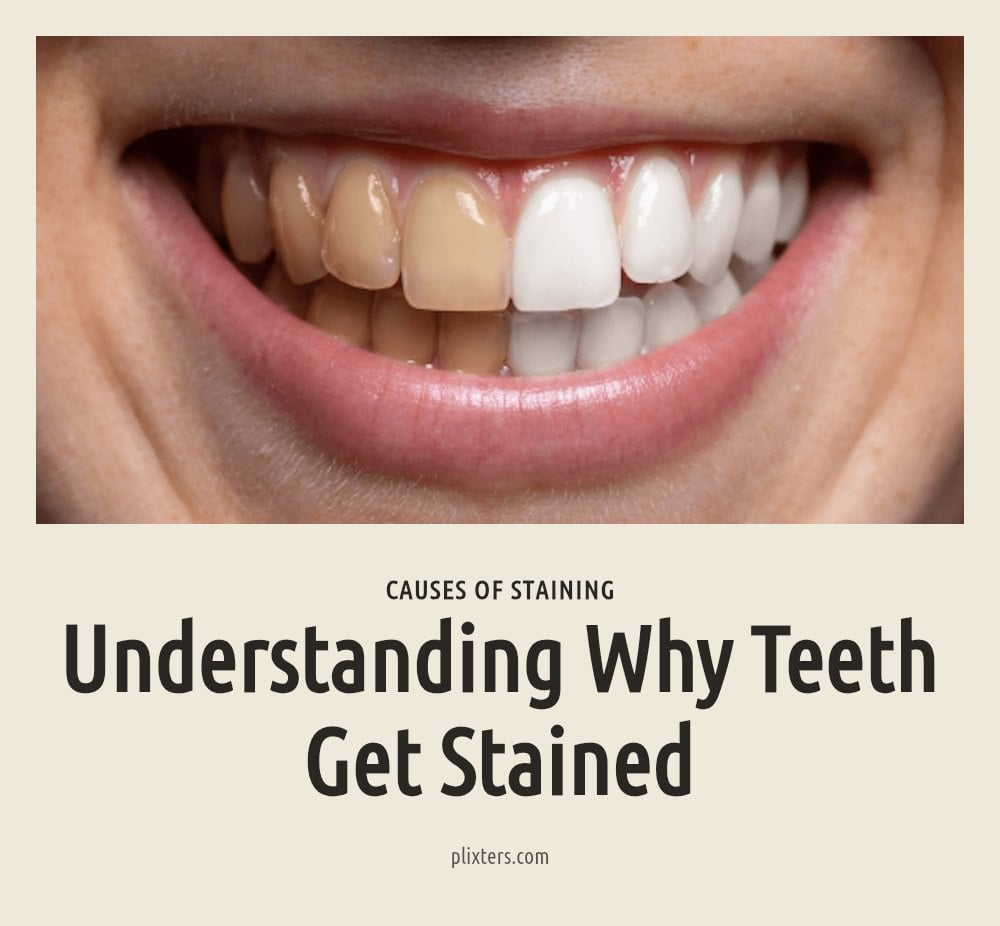
Tooth stains come in two types: extrinsic and intrinsic. Extrinsic stains sit on the enamel surface and are often caused by everyday habits. Intrinsic stains occur within the tooth structure and are harder to address.
Common causes of extrinsic stains:
- Coffee, tea, and red wine
- Tobacco use
- Certain foods like berries and soy sauce
Common causes of intrinsic stains:
- Genetics
- Aging
- Certain medications (e.g., tetracycline antibiotics)
- Trauma to the tooth
Understanding which type you have helps set realistic expectations. Natural remedies mainly tackle extrinsic stains, while intrinsic discoloration may require professional treatment.
Your Natural Teeth Whitening Toolkit
Before you start, gather these tools. Each plays a role in gently lifting surface stains or supporting oral hygiene.
- Baking soda: A mild abrasive that helps scrub away surface stains.
- Food-grade hydrogen peroxide (diluted): A bleaching agent that can lighten stains; always dilute (a 1:1 ratio with water is common) and never swallow.
- Coconut oil: Used for oil pulling; may support oral health, though evidence for whitening is limited.
- Activated charcoal (food-grade): Porous and can absorb surface stains, but it’s abrasive, so use with care.
- Soft-bristled toothbrush: Protects enamel while brushing.
- Dental floss: Removes plaque and debris that cause stains.
Effective Natural Methods for Brighter Teeth
These natural methods can help brighten your smile, but they work slowly and require patience. Here’s how to use each one safely.
Baking Soda Paste
Mix a small amount of baking soda with water to form a paste. Apply it to your toothbrush and brush gently for 2 minutes. Rinse thoroughly.
Caution: Limit to 2-3 times per week. Overuse can erode enamel.
Hydrogen Peroxide Rinse
Dilute food-grade hydrogen peroxide with equal parts water (1:1 ratio). Swish in your mouth for 30 seconds, then spit it out. Do not swallow.
Caution: Use no more than once a day. Higher concentrations can irritate gums.
Oil Pulling with Coconut Oil
Take a tablespoon of coconut oil and swish it in your mouth for 15-20 minutes. Spit it out (not in the sink, as it can clog pipes) and rinse with warm water.
Caution: This mainly improves oral health; whitening effects are subtle and slow.
Activated Charcoal
Wet your toothbrush, dip it into food-grade activated charcoal powder, and brush gently for 2 minutes. Rinse thoroughly.
Caution: Use only once a week due to abrasiveness. Avoid if you have receding gums.
Always stop any method if you experience pain or increased sensitivity.
Common Teeth Whitening Mistakes to Avoid
Over-Abrasive Use: Scrubbing hard with baking soda or activated charcoal can wear down enamel over time. Enamel doesn’t grow back, so stick to gentle pressure and limit abrasive methods to 2-3 times per week.
Expecting Instant Results: Natural methods lift surface stains slowly. You may notice a small difference after a few weeks, not overnight. Patience prevents frustration and overuse.
Ignoring Dental Issues: If you have sensitive teeth, gum problems, or dental restorations like fillings, check with your dentist first. Whitening agents can make sensitivity worse and won’t change the color of crowns or veneers.
Using Acidic Fruits: Rubbing lemon or strawberry pulp on your teeth is a bad idea. The acid erodes enamel, which can lead to increased sensitivity and more staining over time.
Believing ‘Natural’ Means ‘Harmless’: Natural ingredients still need proper handling. Overuse of any remedy can cause harm. Always follow recommended usage and stop if you notice discomfort.
Keeping Your Smile Bright: Stain Prevention Tips
Limit Stain-Causing Foods and Drinks: Coffee, tea, red wine, and dark berries are common culprits. Cutting back helps prevent new stains from forming.
Rinse After Eating/Drinking: Swish water in your mouth right after consuming staining items. This washes away pigments before they settle on enamel.
Practice Excellent Oral Hygiene: Brush twice daily with fluoride toothpaste and floss once a day. Removing plaque and food debris reduces the chance of stains sticking.
Use a Straw: Sip colored beverages like iced coffee or soda through a straw. The liquid bypasses your front teeth, limiting direct contact with staining compounds.
Regular Dental Check-ups: Professional cleanings remove surface stains that daily brushing misses. Schedule visits every six months to keep your smile bright.
When to Consult Your Dentist About Whitening
See your dentist before trying any whitening method if you have:
- Increased sensitivity or gum irritation: Whitening can worsen these issues without professional guidance.
- Existing dental work: Crowns, veneers, and fillings won’t lighten with whitening agents, so your smile may look uneven.
- Severe or persistent discoloration: Natural methods may not be enough for deep stains; a dentist can recommend appropriate options.
- Underlying dental problems: Decay or gum disease should be treated before any whitening.
A quick check-up ensures your teeth are healthy enough for whitening and helps you avoid complications.
Frequently Asked Questions
How long does it take for natural whitening methods to show results?
Results are gradual and often appear over weeks or months of regular use, if at all. Unlike peroxide-based products, natural methods lift surface stains slowly. You may notice a slight difference after a few weeks of consistent application, but don’t expect a dramatic change overnight.
Can teeth whitening damage my enamel?
Yes, if done improperly. Overusing abrasive substances like baking soda or activated charcoal can wear down enamel, which doesn’t grow back. Acids from fruits can also erode enamel. To stay safe, limit abrasive methods to 2-3 times per week and use gentle pressure. If you have concerns, ask your dentist first.
Are there any foods that naturally whiten teeth?
Some crunchy fruits and vegetables like apples, carrots, and celery can help scrub surface stains as you chew. However, they won’t change your teeth’s intrinsic color. Avoid using acidic fruits like strawberries or citrus directly on your teeth, as their acid can erode enamel over time.
What’s the difference between intrinsic and extrinsic tooth stains?
Extrinsic stains are on the enamel surface and come from foods, drinks, and tobacco. They respond well to natural whitening methods. Intrinsic stains form inside the tooth due to genetics, aging, medications, or trauma. These are harder to treat and usually require professional whitening or other dental procedures.
Can I whiten my teeth if I have crowns or fillings?
Whitening treatments do not work on crowns, veneers, or fillings. If you whiten your natural teeth, those restorations will stay their original color, creating an uneven look. Always consult your dentist before whitening if you have any dental work, so they can advise you on the best approach.
Final Thoughts
For a safe start, try the baking soda paste method once or twice a week and see how your teeth respond. Realistic results take weeks to months of consistent use, and they’ll be subtle, not dramatic. Stick with gentle habits and a solid oral hygiene routine, and you’ll keep your smile looking its best over time.
This article is for informational purposes only and does not constitute medical or dental advice. Always consult your dentist before starting any whitening regimen, especially if you have sensitive teeth, gum disease, or existing dental restorations. Stop any method that causes pain or irritation and seek professional care if problems persist.