 Save
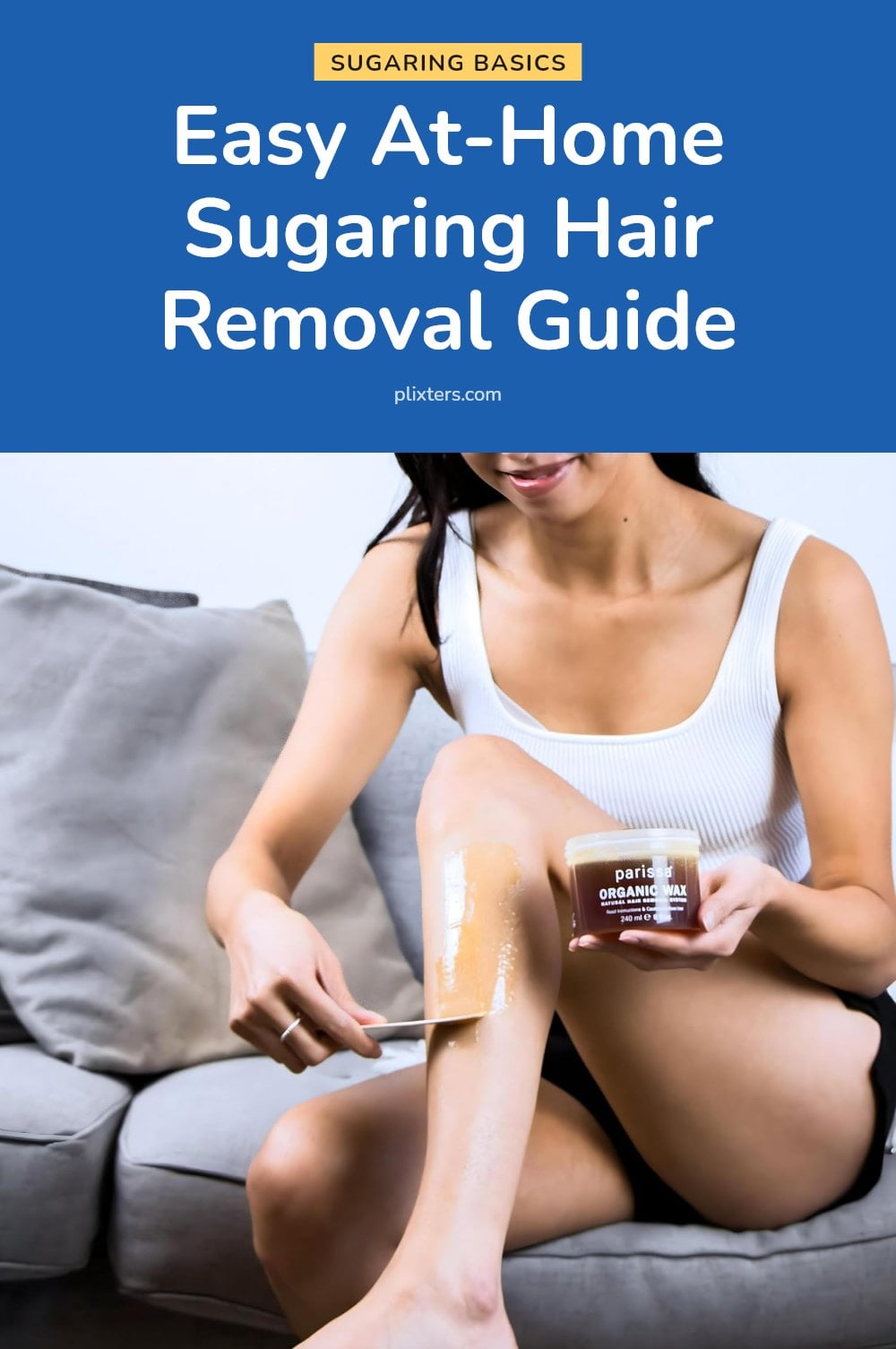
If you have ever winced through a waxing session and wished for something gentler, sugaring might be exactly what you need. This ancient method uses a simple paste made from sugar, lemon juice, and water to remove hair from the root without sticking to your live skin. In this guide, I will walk you through how to make and use sugar paste at home, share my best tips for a smooth experience, and help you avoid the most common mistakes.
Key Takeaways
- Hair should be at least 1/4 inch long for effective sugaring.
- Apply the paste against hair growth and remove it in the direction of growth.
- Exfoliate 24-48 hours before sugaring to prevent ingrown hairs.
- Results typically last 2-4 weeks, similar to waxing.
- Cleanup is easy since the paste is water-soluble.
10 ideas in this post
- Why Sugaring is My Go-To for Hair Removal
- Go-To Sugar Paste Recipe
- Step-by-Step: Making and Using Your Sugar Paste
- Best Tips for a Smooth Sugaring Experience
- Common Sugaring Mistakes to Avoid
- Post-Sugaring Care for Happy Skin
- How Long Do Sugaring Results Last?
- When to Skip DIY and See a Pro
- Frequently Asked Questions
- Final Thoughts
Why Sugaring is My Go-To for Hair Removal
Sugaring uses a simple paste of sugar, lemon, and water to remove hair from the root. The paste adheres only to hair and dead skin cells, not live skin, which often makes it gentler than traditional wax. This DIY method delivers smooth results and can be less irritating for sensitive skin.
Go-To Sugar Paste Recipe
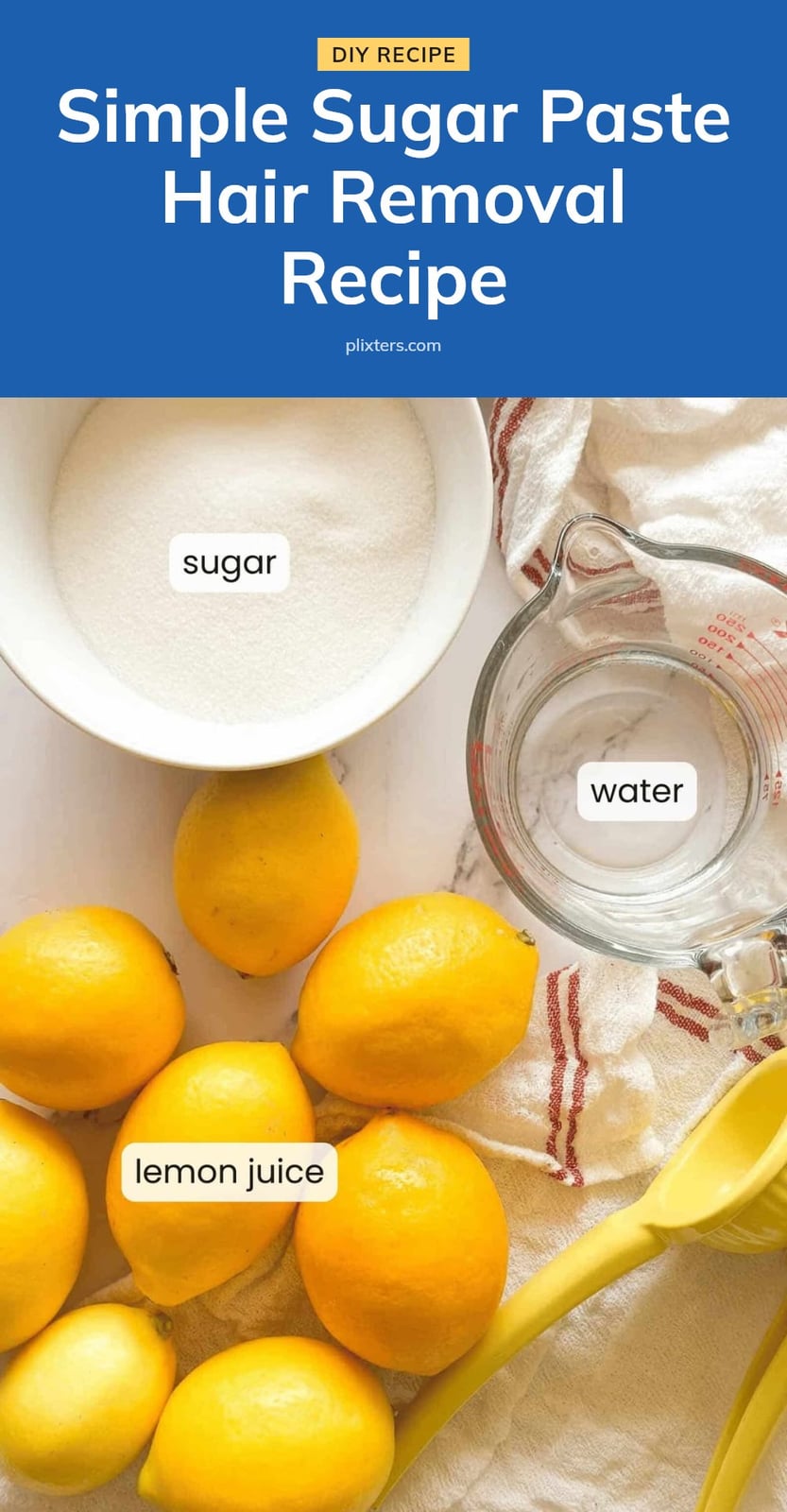
My go-to recipe uses three simple ingredients you probably already have in your kitchen.
- 1 cup granulated sugar: This is the base that grabs and lifts the hair.
- 1/4 cup lemon juice: The acid breaks down the sugar into a spreadable paste and acts as a natural preservative.
- 1/4 cup water: It thins the mixture enough to cook evenly without burning.
Combine them in a saucepan and heat until you get a thick, honey-like consistency.
Step-by-Step: Making and Using Your Sugar Paste
- Combine ingredients: Mix 1 cup sugar, 1/4 cup lemon juice, and 1/4 cup water in a saucepan.
- Heat the mixture: Cook over medium heat, stirring constantly until the sugar dissolves completely.
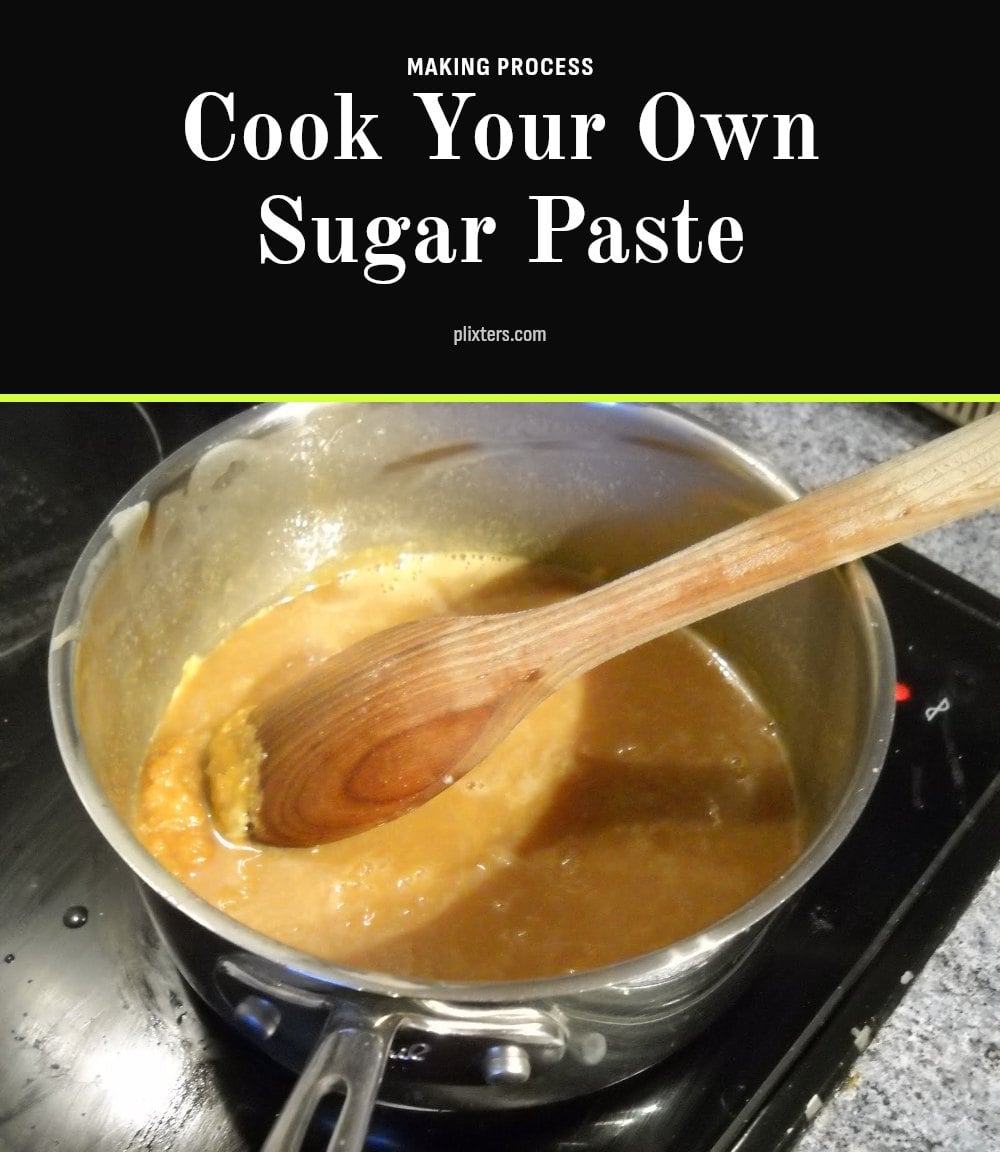
- Boil to the right stage: Let it boil until it turns an amber, honey color and reaches a thick taffy consistency (about 250°F/120°C on a candy thermometer).
- Cool the paste: Remove from heat and let it cool until it’s safe to handle but still warm and pliable.
- Prep your skin: Clean the area, dry it thoroughly, and dust with cornstarch or baby powder to remove any moisture or oil.
- Apply the paste: With a spatula or your fingers, spread a thin layer against the direction of hair growth.
- Remove the paste: Flick it off quickly in the direction of hair growth, keeping your hand parallel to the skin. You can use the hand-flicking method or press a cotton strip on top and pull it off.
- Repeat as needed: Use the same piece of paste until it loses its grip or gets too full of hair, then grab a fresh piece.
- Clean up: Rinse any leftover residue with warm water, since the paste is water-soluble.
Prefer to watch? abetweene walks through the whole method in this 8-minute video.
Best Tips for a Smooth Sugaring Experience
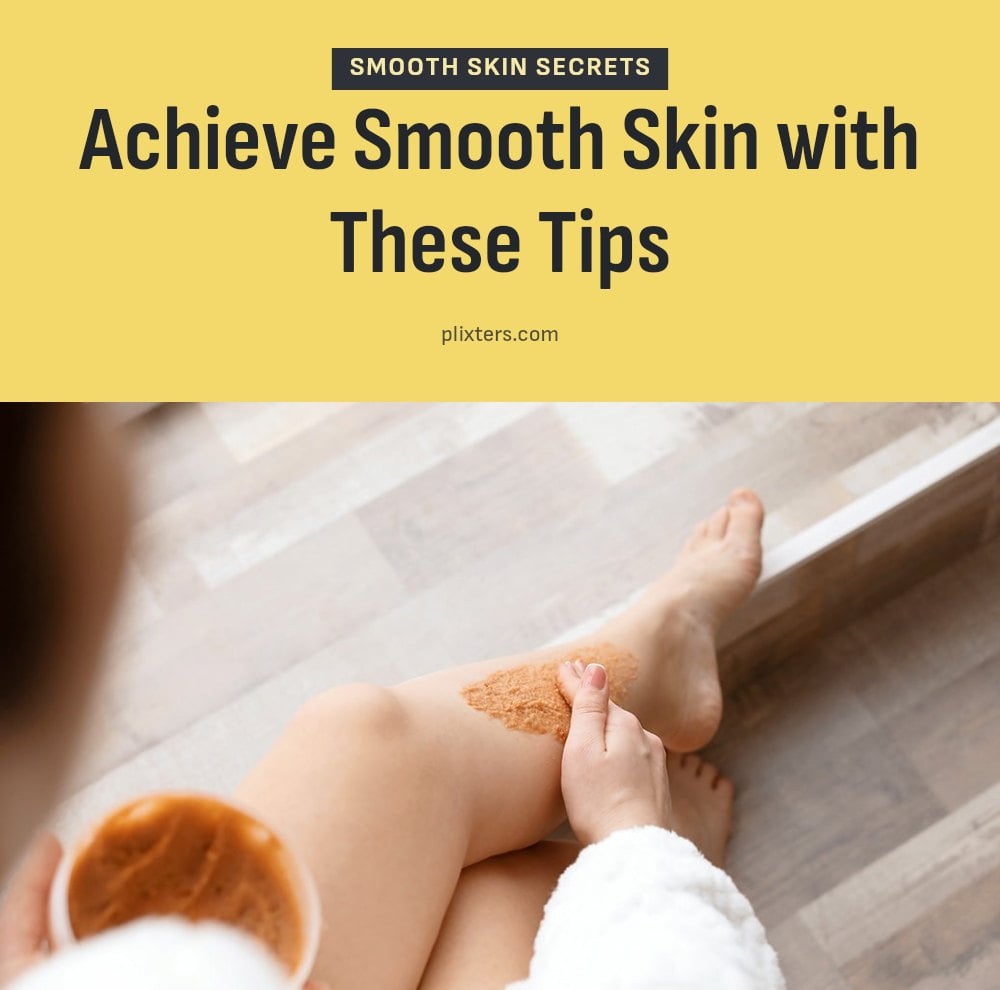
These small adjustments make a big difference in how smooth and painless your session goes.
- Exfoliate 24-48 hours before: This lifts dead skin and helps prevent ingrown hairs without irritating freshly sugared skin.
- Test the temperature: Dab a tiny bit on your wrist before applying to a larger area to avoid burns.
- Keep skin taut: Hold the skin tight with your free hand while you pull the paste off to reduce discomfort.
- Fix sticky paste: If the paste feels too tacky, dust a little more powder onto your skin before applying.
- Fix hard paste: If it stiffens up, warm it gently in the microwave for a few seconds or in a warm water bath until it softens.
Common Sugaring Mistakes to Avoid
Incorrect Hair Length: Hair should be about 1/4 inch long for best results. Too short and the paste can’t grip; too long and it’s more painful and less effective.
Wrong Paste Consistency: Aim for a thick honey or taffy-like texture. Paste that’s too sticky won’t release properly, and paste that’s too hard won’t spread evenly.
Applying Too Thick: Thin, even layers are more effective and easier to remove. A thick layer tends to break apart and leaves residue.
Pulling Upwards: Always pull the paste parallel to your skin, not straight up. Pulling upwards lifts the skin and causes more pain and irritation.
Poor Skin Prep: Ensure skin is clean, dry, and free of oils or lotions before sugaring. Any residue prevents the paste from gripping the hair.
Over-Reusing Paste: Once the paste becomes too saturated with hair or loses its grip, discard it and use a fresh piece. Reusing it too many times reduces effectiveness and can spread bacteria.
Post-Sugaring Care for Happy Skin
Apply a soothing agent like aloe vera gel immediately after sugaring to calm the skin. Avoid hot showers, baths, or vigorous exercise for 24 hours, as heat and sweat can irritate freshly treated follicles.
Wear loose, breathable clothing to prevent friction and irritation. Don’t exfoliate the sugared area for at least 48 hours. Keep the skin hydrated with a gentle, non-comedogenic moisturizer to support healing.
How Long Do Sugaring Results Last?
Sugaring results typically last 2-4 weeks, similar to waxing. With regular sugaring, you might notice hair growth becoming finer and sparser over time.
The cost of DIY sugaring is very low, as the ingredients are inexpensive pantry staples. A single batch of paste costs pennies and can be reused for multiple sessions.
When to Skip DIY and See a Pro
Stop sugaring immediately if you experience excessive redness, swelling, or persistent pain. Avoid sugaring on irritated, broken, or sunburned skin, or areas with varicose veins, moles, or warts.
Consult a healthcare professional if you have concerns about skin reactions or underlying conditions. If you’re using retinoids, AHAs, or other exfoliating treatments, your skin may be too sensitive for sugaring.
Frequently Asked Questions
Can I sugar my face?
Yes, you can use sugaring paste on your face, including areas like the upper lip and chin. Just be extra careful around the eyes and avoid any broken or irritated skin. Use a very thin layer and remove it quickly, keeping the skin taut to minimize discomfort.
What if my sugar paste is too sticky or too hard?
If your paste is too sticky, it likely needs to be cooked a little longer to reach a taffy-like consistency. If it is too hard, you may have overheated it or used too much sugar. You can try adding a teaspoon of water and gently reheating it, stirring until it softens.
Is sugaring less painful than waxing?
Many people find sugaring less painful because the paste adheres only to the hair and dead skin, not to live skin. Also, since you remove the paste in the direction of hair growth, it puts less stress on the skin. However, pain tolerance varies, so your experience may differ.
How long does sugaring last?
Sugaring results typically last between 2 and 4 weeks, which is similar to waxing. With regular sessions, you may notice that hair grows back finer and sparser over time, which can extend the time between treatments.
How do you make sugar wax at home?
Mix ione cup of granulated sugar, one quarter cup of lemon juice, and one quarter cup of water in a saucepan. Heat over medium heat, stirring constantly until the sugar dissolves and the mixture turns an amber, honey-like color. Let it cool until it reaches a thick, taffy-like consistency before using.
Final Thoughts
My recommendation is to start with a small batch and a test patch to get the hang of the consistency and technique. Expect your first few sessions to take a little longer as you learn, but the results are worth it. With regular sugaring, you may notice finer regrowth over time, making each session quicker and more comfortable.
This content is for informational purposes only and does not constitute medical or professional advice. Always perform a patch test before using any new hair removal method, and consult a dermatologist or healthcare provider if you have persistent skin concerns, allergies, or underlying conditions.