 Save
You probably want to improve your flexibility without spending hours on the floor or risking injury. The key is knowing which stretches to do, how to do them safely, and how often to practice. This article breaks down the main types of stretching, gives you a simple step-by-step routine, and helps you avoid common mistakes so you can see real progress.
Key Takeaways
- Stretch at least 2-3 times per week for consistent flexibility gains.
- Always warm up with 5 minutes of light cardio before static stretching.
- Hold static stretches for 15-30 seconds at a point of mild tension, never pain.
- Use dynamic stretching before a workout and static stretching after.
- Noticeable improvements usually appear within a few weeks to a couple of months.
10 ideas in this post
- Unlock Your Body’s Potential: Why Stretching for Flexibility Matters
- Your Flexibility Toolkit: What You’ll Need
- The Different Ways to Stretch for Flexibility
- Your Step-by-Step Guide to Effective Stretching
- Common Stretching Mistakes to Avoid
- Pro Tips for Boosting Your Flexibility Gains
- How Long Until You See Results? Your Flexibility Timeline
- When to Consult a Professional About Your Flexibility
- Frequently Asked Questions
- Final Thoughts
Unlock Your Body’s Potential: Why Stretching for Flexibility Matters
Flexibility is the absolute range of movement in your joints and the length of your muscles that cross those joints. Regular stretching improves that range, leading to better posture, reduced muscle soreness, and a lower risk of injury. To see fast improvements, focus on consistent, safe stretching, understanding different types, and listening to your body. My tip: start simple and build up gradually. Your body will thank you.
Your Flexibility Toolkit: What You’ll Need
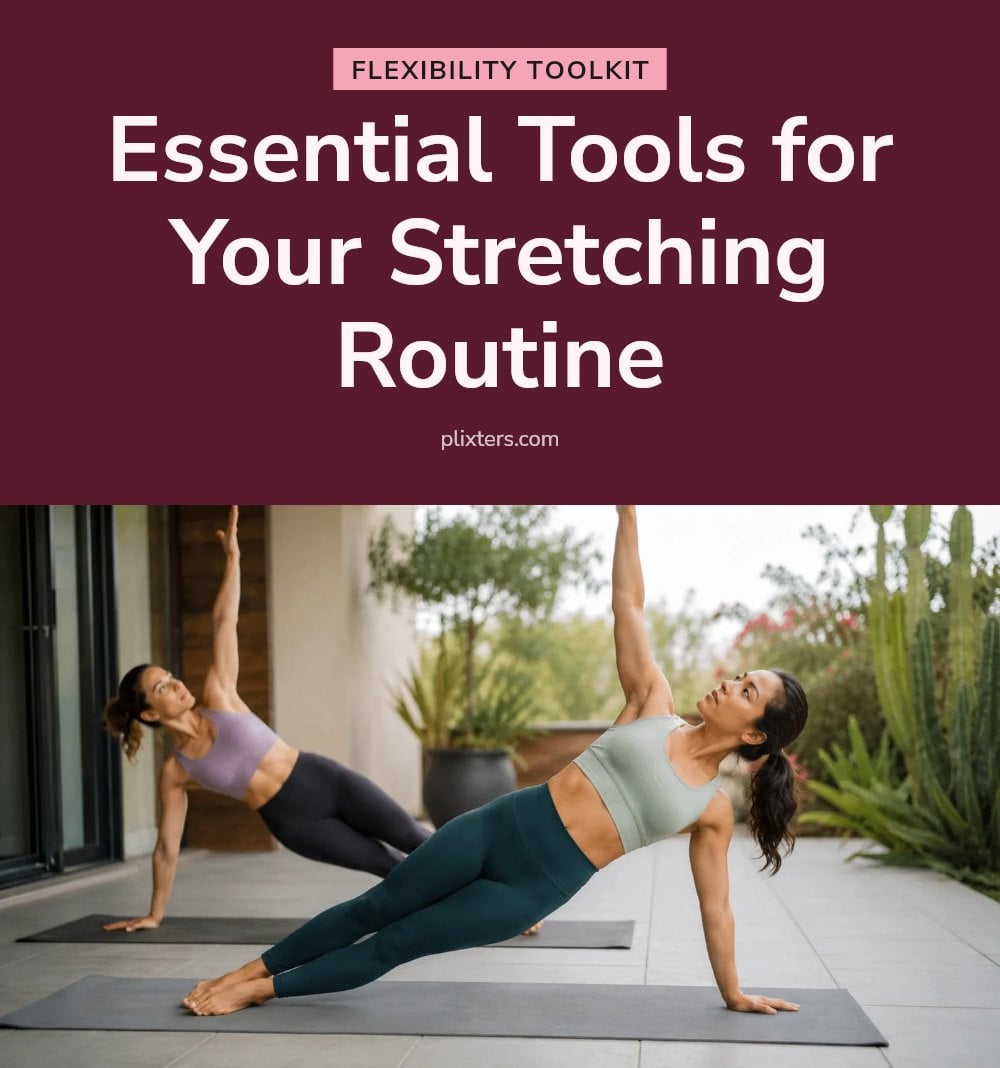
You don’t need much to start stretching for flexibility. Here’s what helps:
- Yoga mat: Provides comfort and grip during floor stretches, especially on hard surfaces.
- Comfortable clothing: Allows for a full range of motion without restriction or bunching.
- Towel or strap: Assists with deeper stretches, particularly for hamstrings, when you can’t quite reach your toes.
Most items are optional or easily substituted. A carpet works fine, and a bath towel doubles as a strap.
The Different Ways to Stretch for Flexibility
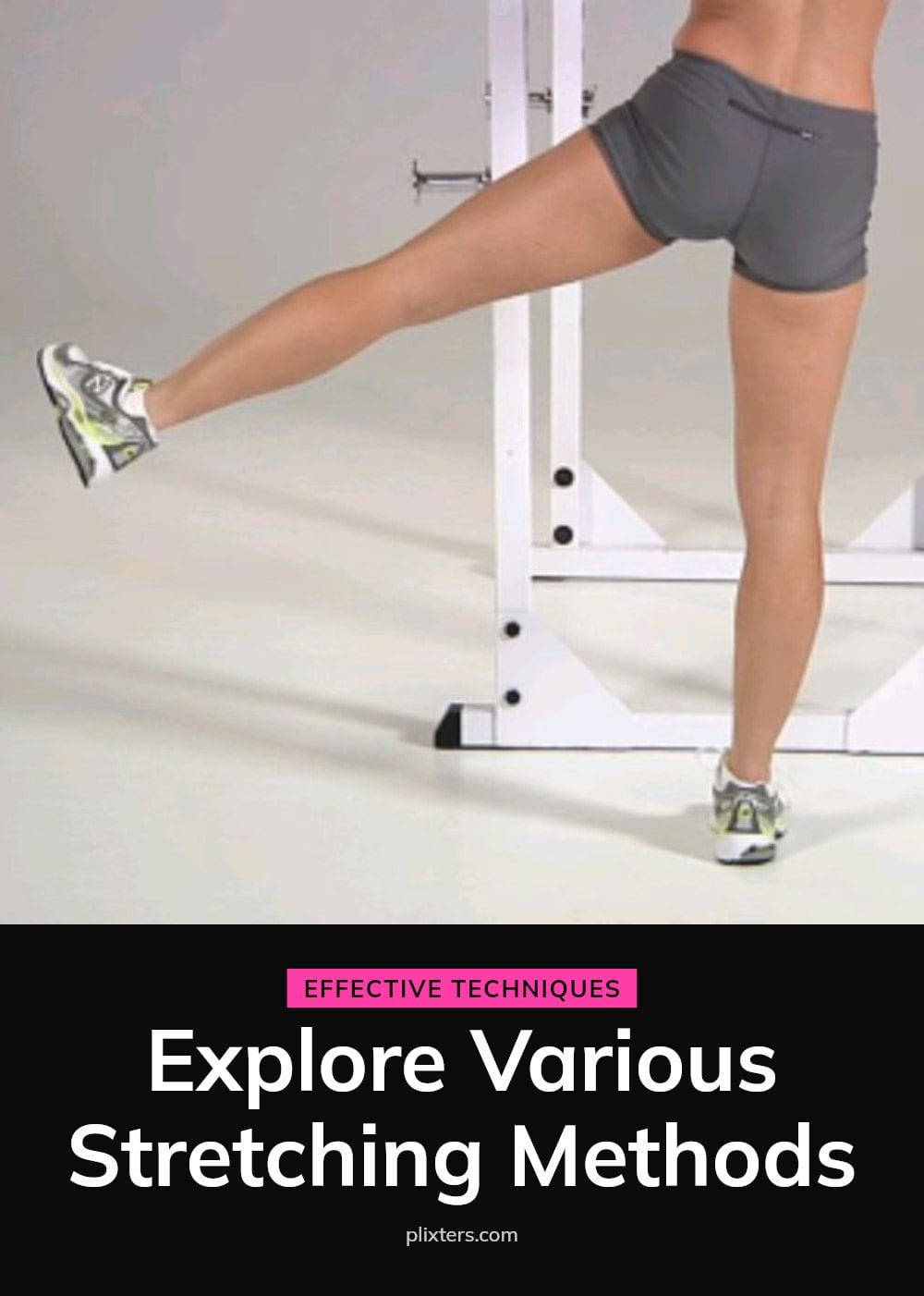
Understanding the main types of stretching helps you choose the right one for your goal.
Static stretching
You hold a stretch for 15-30 seconds at a point of mild tension, not pain. It’s most effective after your muscles are warm, such as post-workout. This method increases overall flexibility over time.
Dynamic stretching
You move a body part through its full range of motion in a controlled, repetitive way. Examples include leg swings or arm circles. Use this before exercise to prepare your muscles for activity.
PNF stretching
Proprioceptive Neuromuscular Facilitation involves contracting a muscle, then relaxing it, before stretching it further. It’s typically done with a partner for deeper gains and is common in rehab settings.
Caution: Avoid ballistic stretching, the bouncing or jerking movements that push beyond a muscle’s normal range. It increases injury risk and isn’t recommended for the average person.
Your Step-by-Step Guide to Effective Stretching
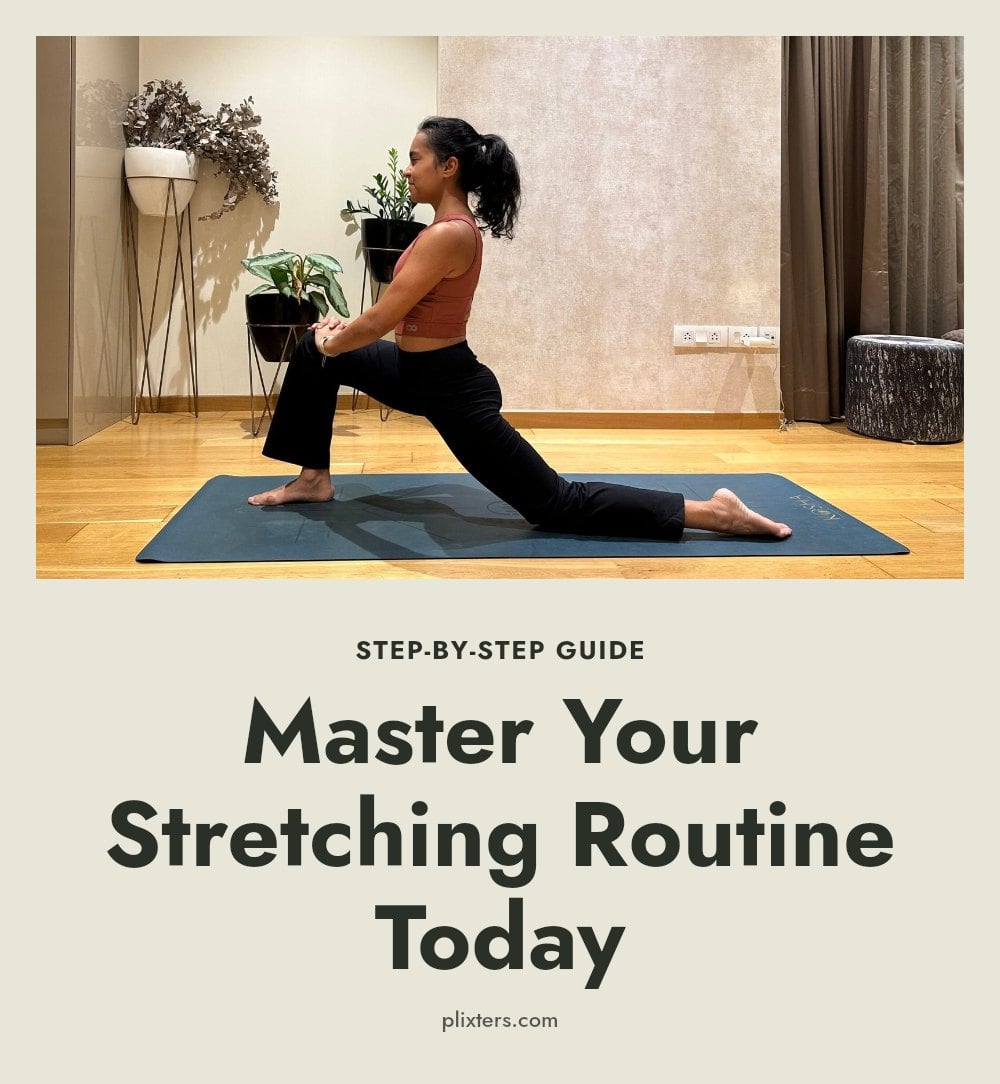
Start with a light warm-up to get blood flowing to your muscles. Try 5 minutes of brisk walking, marching in place, or easy jumping jacks. Warm muscles stretch more easily and are less likely to strain.
- Warm up first: Do light cardio like walking or jogging in place for 5 minutes. This raises your muscle temperature and prepares your body for deeper stretching.
- Move dynamically before exercise: If you are about to work out, do dynamic stretches like leg swings, arm circles, or walking lunges. These take your joints through their full range of motion and prime your muscles for activity.
- Hold static stretches after warming up: For each stretch, ease into a gentle pull and hold for 15-30 seconds. You should feel tension, not sharp pain. Breathe steadily and avoid bouncing. Repeat each stretch 2-3 times, with a brief rest between holds.
- Breathe deeply and evenly: Inhale through your nose, exhale through your mouth. Each exhale can help you relax into the stretch a little further. Never hold your breath, as it tenses your muscles.
- Cover major muscle groups: Aim for a balanced routine that includes hamstrings, hip flexors, shoulders, quadriceps, and back. Stretching only one area can create imbalances over time.
Keep your sessions around 10-15 minutes if you are short on time. Consistency matters more than duration, so even a quick daily routine beats a long one done once a week.
Common Stretching Mistakes to Avoid
Even with the best intentions, a few common mistakes can slow your progress or lead to injury. Here’s what to avoid.
- Stretching cold muscles: Always warm up with light cardio for 5-10 minutes first. Cold muscles are more prone to strains.
- Bouncing during stretches: Ballistic movements can cause micro-tears. Hold static stretches gently instead.
- Stretching to the point of pain: A gentle pull is enough. Pain signals you’re pushing too hard and risking injury.
- Neglecting major muscle groups: Focus on hamstrings, hip flexors, shoulders, and back. Imbalances can lead to poor posture and discomfort.
- Holding stretches for too short a duration: Hold each stretch for 15-30 seconds, and repeat 2-3 times with a brief rest in between holds. Shorter holds won’t effectively lengthen the muscle.
- Ignoring pain signals: Your body is telling you to stop or ease up. Sharp pain means back off immediately.
Pro Tips for Boosting Your Flexibility Gains
Small adjustments can make a big difference in your flexibility journey.
- Consistency is key: Stretch 2-3 times per week, or even daily. Regular sessions beat occasional intense ones.
- Listen to your body: Everyone’s flexibility is different. Don’t compare yourself to others; focus on your own progress.
- Deep breathing: Inhale deeply, then exhale as you ease into the stretch. Your breath helps muscles relax and allows a deeper stretch.
- Hydration helps: Drink water throughout the day. Well-hydrated muscles are more elastic and recover faster.
My tip: pair your stretching routine with a habit you already have, like stretching while watching TV or after your morning shower.
How Long Until You See Results? Your Flexibility Timeline
Realistic expectations keep you motivated. Here’s what you can expect.
- Timeline for results: Noticeable improvements typically appear within a few weeks to a couple of months of consistent effort. Don’t expect overnight changes.
- Frequency: Aim to stretch at least 2-3 times per week, or even daily, for optimal and sustained benefits.
- Cost: Improving flexibility is largely free. You need comfortable clothing and a little floor space; a mat or towel is optional.
Consistency matters more than intensity. A short daily routine often outperforms a long weekly session.
When to Consult a Professional About Your Flexibility
Stretching is safe for most people, but some situations call for professional guidance.
- Sharp or persistent pain: If you feel sharp pain during or after stretching, or if soreness lingers for days, consult a doctor or physical therapist.
- Pre-existing conditions: If you have injuries, chronic pain, or conditions like hypermobility or osteoporosis, seek professional advice before starting a new routine.
- Injured muscles or joints: Avoid stretching an injured area without professional guidance. It can worsen the damage.
Your safety comes first. When in doubt, ask a professional.
Frequently Asked Questions
How often should I stretch to improve flexibility?
Aim to stretch at least 2-3 times per week for noticeable improvements. Many people find daily stretching helps maintain gains, but even 2-3 consistent sessions per week can make a difference over time.
Can stretching help with muscle soreness?
Yes, gentle stretching can help reduce muscle soreness by increasing blood flow to the muscles and promoting relaxation. However, avoid stretching a sore or injured muscle too aggressively, and consult a professional if pain persists.
Is it bad to stretch every day?
Daily stretching is generally safe for most people, especially if you keep sessions gentle and listen to your body. Avoid pushing into pain, and consider varying your routine to give muscles time to recover.
What’s the difference between static and dynamic stretching?
Static stretching involves holding a stretch for 15-30 seconds at mild tension, best done after a workout. Dynamic stretching uses controlled, repetitive movements through a full range of motion, ideal as part of a warm-up before exercise.
What are the best stretches for overall flexibility?
A balanced routine should target major muscle groups like hamstrings, quadriceps, hip flexors, shoulders, and back. Common effective stretches include the hamstring stretch, quad stretch, hip flexor lunge, shoulder stretch, and cat-cow for the spine.
Final Thoughts
My tip: Focus on consistency over intensity. Stretch 2-3 times per week, even if it’s just 10 minutes per session, and you’ll see steady progress. Don’t expect overnight changes, but within a few weeks to a couple of months you’ll notice you can reach a little farther or hold a pose a bit longer. Keep listening to your body, and remember that every small gain counts.
This article is for general informational purposes only and does not constitute medical or professional advice. Consult a doctor, physical therapist, or qualified fitness professional before starting any new stretching routine, especially if you have pre-existing injuries or health conditions.