 Save
Starting a strength training routine can feel overwhelming, but it’s one of the best things you can do for your health and confidence. This plan covers why strength training works for women, how to build a safe and effective routine, and the common mistakes to avoid so you can get strong and feel great.
Key Takeaways
- Strength training 2-3 times per week with rest days between sessions is recommended for general fitness.
- Focus on proper form first, then gradually increase weight, reps, or sets to keep making progress.
- Include compound exercises like squats and push-ups to work multiple muscle groups efficiently.
- Women typically do not bulk up easily from strength training due to lower testosterone levels.
- Noticeable improvements in strength and muscle tone often appear within 4-8 weeks of consistent training.
10 ideas in this post
- What is Strength Training and Why is it Great for Women?
- The Science Behind Building Strength and Boosting Your Metabolism
- Essential Equipment for Your Strength Training Journey
- Your Step-by-Step Guide to Starting a Strength Training Routine
- Sample Weekly Strength Training Plan for Beginners
- Common Strength Training Mistakes and How to Avoid Them
- Top Tips for Maximizing Your Strength Training Results
- When to Consult a Professional for Your Strength Training
- Frequently Asked Questions
- Final Thoughts
What is Strength Training and Why is it Great for Women?
Strength training, also called resistance training, uses resistance, from weights, bands, or your own body, to build muscle. For women, it is especially valuable because it boosts your resting metabolism, helping you burn more calories throughout the day, and it improves bone density, which is key for long-term health. Many women worry about bulking up, but that is unlikely due to lower testosterone levels. Instead, you can expect better body composition, easier daily movements, and a mood lift without getting bulky.
The Science Behind Building Strength and Boosting Your Metabolism
How Strength Training Works for Your Body
When you lift weights or use resistance, your muscles adapt by growing stronger and slightly larger. This increase in lean muscle mass raises your resting metabolic rate, meaning you burn more calories even when you are sitting still. Over time, this shift in body composition, more muscle, less fat, supports weight management and overall health.
- Boosts metabolism: More muscle means your body burns extra calories at rest.
- Strengthens bones: Regular resistance training improves bone density, which lowers the risk of osteoporosis, especially important for women as they age.
- Improves functional fitness: Everyday tasks like carrying groceries, climbing stairs, or lifting children become easier, and your risk of injury drops.
- Enhances body composition: You replace fat with lean muscle, giving you a more toned look without needing extreme measures.
Essential Equipment for Your Strength Training Journey
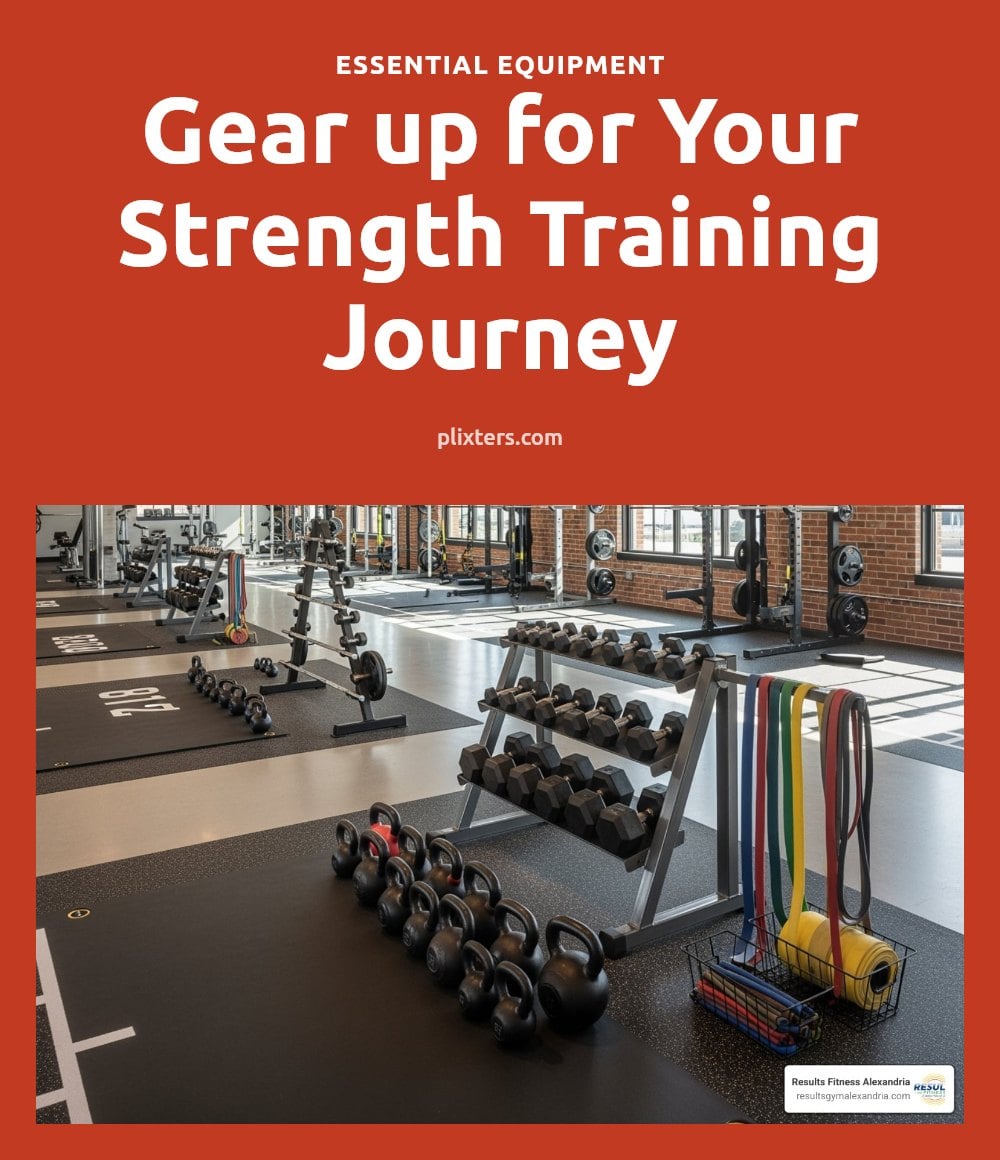
You do not need a full gym to start strength training. Here are the most common tools and what they offer:
- Dumbbells: Versatile for home or gym, they work for almost any exercise and come in various weights.
- Resistance bands: Portable and provide variable resistance. The more you stretch, the harder it gets.
- Kettlebells: Great for dynamic, swinging movements that engage your whole body.
- Weight machines: Guide your movement path, which adds safety and helps you focus on specific muscles.
- Bodyweight: Exercises like squats, push-ups, and lunges are effective and require zero equipment.
Your Step-by-Step Guide to Starting a Strength Training Routine

Starting strength training does not have to be complicated. Follow these steps to build a safe and effective routine.
- Consult your doctor: Especially if you have any health conditions, get medical clearance before beginning.
- Warm up: Spend 5-10 minutes doing light cardio (like brisk walking) and dynamic stretches to prepare your muscles.
- Master form with light weights: Use a weight that lets you complete each rep with perfect technique. Proper form prevents injury and targets the right muscles.
- Include compound exercises: Focus on movements like squats, deadlifts, bench presses, and rows. They work multiple muscle groups at once, making your workout efficient.
- Apply progressive overload: Each week, aim to slightly increase the weight, reps, or sets. This gradual challenge keeps your muscles adapting.
- Cool down and stretch: After your workout, hold static stretches for 10-15 minutes to improve flexibility and aid recovery.
- Prioritize rest and nutrition: Allow at least 48 hours before working the same muscle group again. Eat adequate protein throughout the day, including a serving within two hours after your workout, to support muscle repair.
Sample Weekly Strength Training Plan for Beginners
Aim for 2-3 strength training sessions per week, with at least one rest day between sessions for the same muscle group. Rest days are crucial for muscle repair and growth. Here is a sample plan for beginners:
| Day | Exercises | Focus |
|---|---|---|
| Session 1 | Squats, push-ups (or wall push-ups), bent-over rows, planks | Lower body, chest, back, core |
| Session 2 | Deadlifts (or hip hinges), overhead press, lunges, glute bridges | Full body, posterior chain |
| Rest | Light activity like walking or stretching | Recovery |
| Session 3 | Repeat Session 1 or 2, or try a mix with bands | Variation |
Perform 2-3 sets of 8-12 repetitions per exercise, resting 60-90 seconds between sets. Start with lighter weights to master form before adding resistance. As you get stronger, gradually increase the weight, reps, or sets within that 8-12 rep range to apply progressive overload.
Common Strength Training Mistakes and How to Avoid Them
Even small missteps can slow your progress or lead to injury. Here are common mistakes and how to avoid them:
- Not using progressive overload: Gradually increase weight, reps, or sets each week to keep challenging your muscles. Without this, you will plateau.
- Neglecting compound movements: Squats, deadlifts, and bench press work multiple muscle groups at once. Prioritize them over isolation exercises for efficiency.
- Improper form: Always prioritize form over heavy weights. Poor alignment can cause injury and reduce effectiveness. Start light and consider recording yourself.
- Insufficient rest: Muscles need 48 hours to recover between sessions for the same group. Overtraining leads to fatigue and stalled results.
- Ignoring nutrition: Protein is essential for muscle repair. Aim for a serving of protein within 2 hours after your workout.
- Comparing to others: Focus on your own progress, not someone else’s weights or pace. Consistency matters more than comparison.
Takeaway: For the most efficient results, prioritize compound movements like squats, deadlifts, and bench press over isolation exercises. They work multiple muscle groups at once, saving you time and building functional strength.
Top Tips for Maximizing Your Strength Training Results
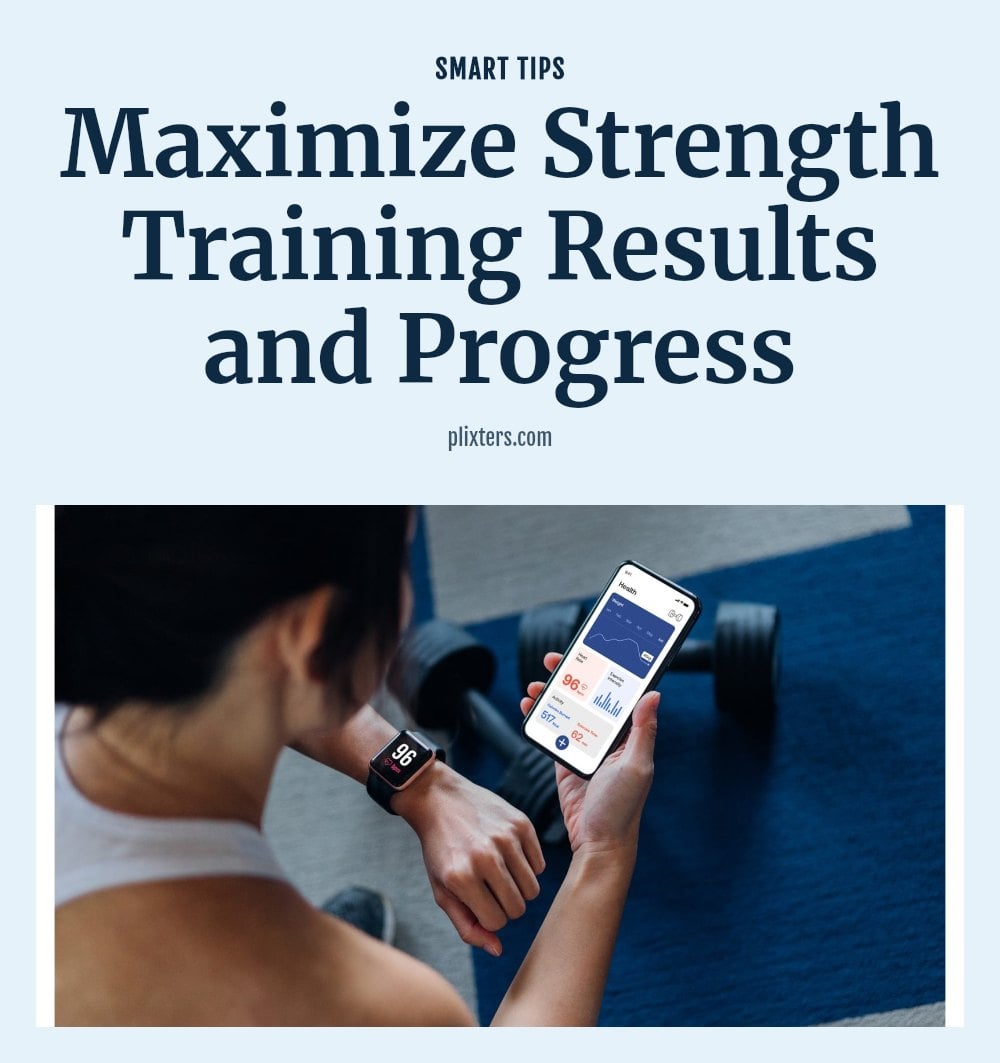
These habits can help you get the most out of your strength training:
- Stay hydrated: Drink water throughout the day, not just during your workout. Dehydration can reduce strength and endurance.
- Listen to your body: Take rest days when you feel overly sore or tired. Pushing through fatigue increases injury risk.
- Consider a personal trainer: Even 2-3 sessions with a certified trainer can teach you proper form and build a solid foundation.
- Vary your routine: Change exercises, rep ranges, or equipment every 4-6 weeks to prevent plateaus and keep muscles adapting.
- Track your progress: Write down weights, reps, and sets. Seeing improvement over time keeps you motivated and helps you plan progressive overload.
When to Consult a Professional for Your Strength Training
Knowing when to seek professional help keeps your training safe and effective:
- Consult a doctor: Before starting, especially if you have any health conditions, injuries, or are over 40.
- See a physical therapist: For persistent pain during or after exercise that does not resolve with rest.
- Work with a certified personal trainer: For personalized program design, form correction, and accountability, especially as a beginner.
- Talk to a registered dietitian: For specific nutrition guidance to support muscle growth and recovery, particularly around protein intake.
Frequently Asked Questions
How often should a woman strength train?
For general fitness, aim for two to three strength training sessions per week. Make sure you have at least one rest day between sessions that work the same muscle group to allow for proper recovery and growth.
Will strength training make me bulk up?
Women typically do not bulk up easily from strength training because they have lower testosterone levels than men. Significant muscle mass gain requires very specific training and dietary changes. Most women develop lean, toned muscle instead.
What should I eat after a strength training workout?
Adequate protein intake is important for muscle repair and growth after strength training. A balanced meal with protein and carbohydrates within a couple of hours after your workout can help support recovery.
How long until I see results from strength training?
With consistent training 2-3 times per week, you may notice improvements in strength and muscle tone within 4-8 weeks. More significant changes in body composition typically become visible after 3-6 months of regular training.
Can I do strength training if I have joint pain?
If you have joint pain, consult a doctor or physical therapist before starting strength training. They can help you choose safe exercises and modifications. Stop immediately if you experience sharp pain during any movement.
Final Thoughts
Start with lighter weights and prioritize form over how much you lift. Be patient with yourself, as significant body composition changes usually take 3-6 months of consistent effort. Remember, strength training is a journey, not a race, so stick with it and enjoy getting stronger every week.
This article provides general information about strength training and is not a substitute for professional medical advice. Always consult your doctor before starting a new exercise program, especially if you have pre-existing health conditions or injuries. See a qualified professional for persistent pain or concerns.