 Save
You know that heavy, bitter feeling that lingers long after a disagreement or a betrayal? That’s resentment, and it can quietly drain your energy and happiness. This article breaks down what resentment really is, how it affects your health and relationships, and most importantly, gives you practical steps to process it and find your peace again.
Key Takeaways
- Acknowledge your resentment without judgment; suppressing it only makes it stronger.
- Forgiveness is about your own freedom, not condoning the other person’s actions.
- Set clear boundaries to protect your emotional energy and prevent future resentment.
- Focus on what you can control: your reactions and your future actions.
- Seek professional help if resentment is overwhelming or impacting your daily life.
9 ideas in this post
- What is Resentment and Why Does It Stick Around?
- The Hidden Costs of Holding Onto Resentment
- Effective Strategies to Process Resentment
- Common Pitfalls When Trying to Let Go of Resentment
- Setting Boundaries to Prevent Future Resentment
- Additional Tips for Cultivating Inner Peace
- When to Seek Professional Help for Resentment
- Frequently Asked Questions
- Final Thoughts
What is Resentment and Why Does It Stick Around?
Resentment is that chronic, low-grade anger or bitterness that sticks around long after a perceived unfair treatment, betrayal, or unmet expectation. It doesn’t just sit in your mind; it can actually increase your stress levels, raise your blood pressure, and weaken your immune function over time. Psychologically, it often leads to anxiety, depression, and trouble sleeping as you replay the past event over and over. The key to moving past it is to acknowledge the feeling without judgment, understand what triggered it, and then actively work on processing the experience so it stops draining your energy.
The Hidden Costs of Holding Onto Resentment
The Physical and Mental Toll
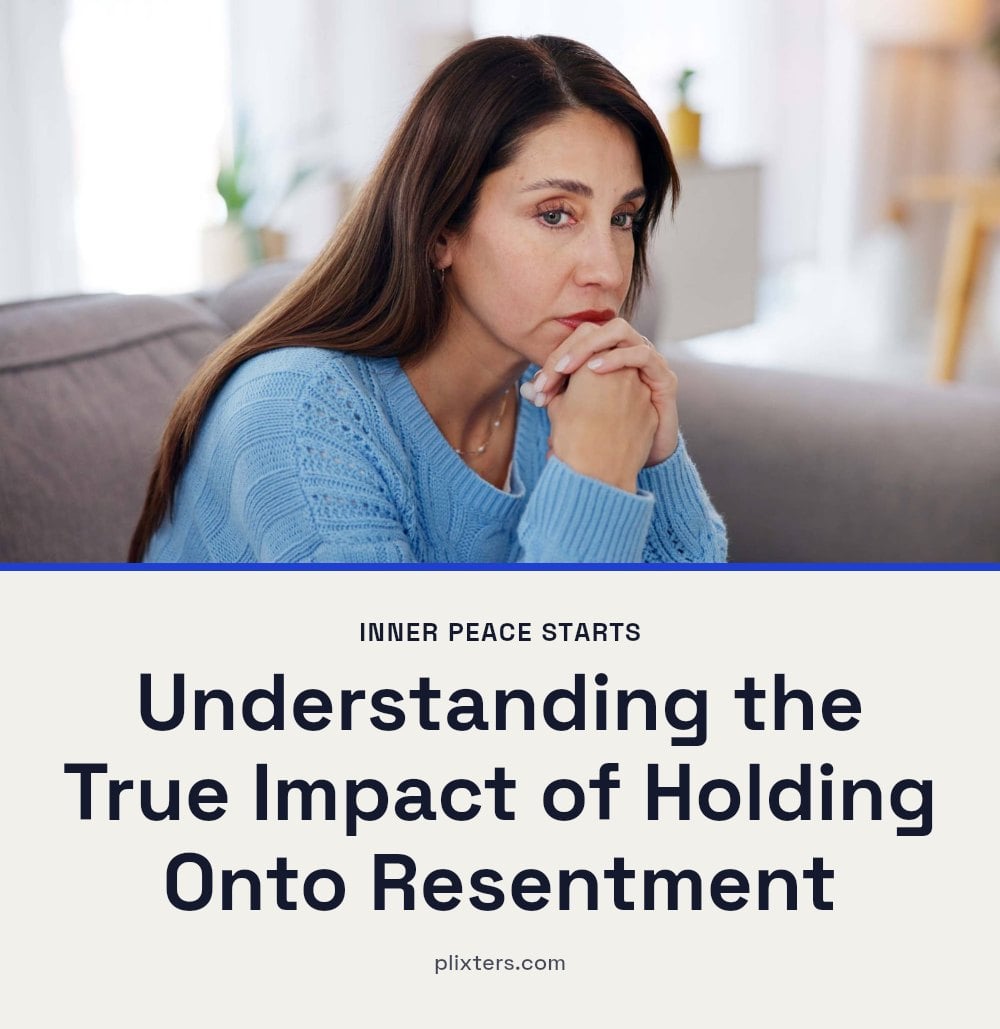
Holding onto resentment doesn’t just feel bad; it can harm your body. Research shows it may contribute to increased stress, high blood pressure, and a weakened immune system. Psychologically, it fuels anxiety, depression, difficulty sleeping, and constant rumination where you replay the perceived wrong again and again.
How It Shows Up in Relationships
Resentment often leaks out in passive-aggressive comments, avoidance, or outright hostility, which can damage even your closest relationships. It usually starts when a situation violates an underlying need or value you hold, like fairness or respect. Recognizing that pattern is the first step to stopping it from controlling your interactions.
Effective Strategies to Process Resentment
Acknowledge and Validate Your Feelings
Start by admitting to yourself that you feel resentful, without judging it as wrong. Suppressing the emotion only makes it stronger, so let yourself feel it fully for a moment. My tip: Say it out loud, even to yourself: “I feel resentful because…” Naming the feeling reduces its power.
Identify the Specific Trigger
Pinpoint the exact event or pattern of events that caused the resentment. Was it one big betrayal or a series of small disappointments? Understanding the root makes it easier to address.
Communicate Calmly and Clearly
If the person is still in your life and it’s safe to talk, share your feelings using “I” statements. For example, “I felt hurt when you canceled last minute” instead of “You always ruin plans.” This keeps the conversation productive, not accusatory.
Practice Forgiveness for Your Own Peace
Forgiveness is not about excusing what happened or saying it was okay. It’s about releasing the hold the resentment has on you so you can move forward. You can forgive someone without ever reconciling with them.
Use Journaling to Process Emotions
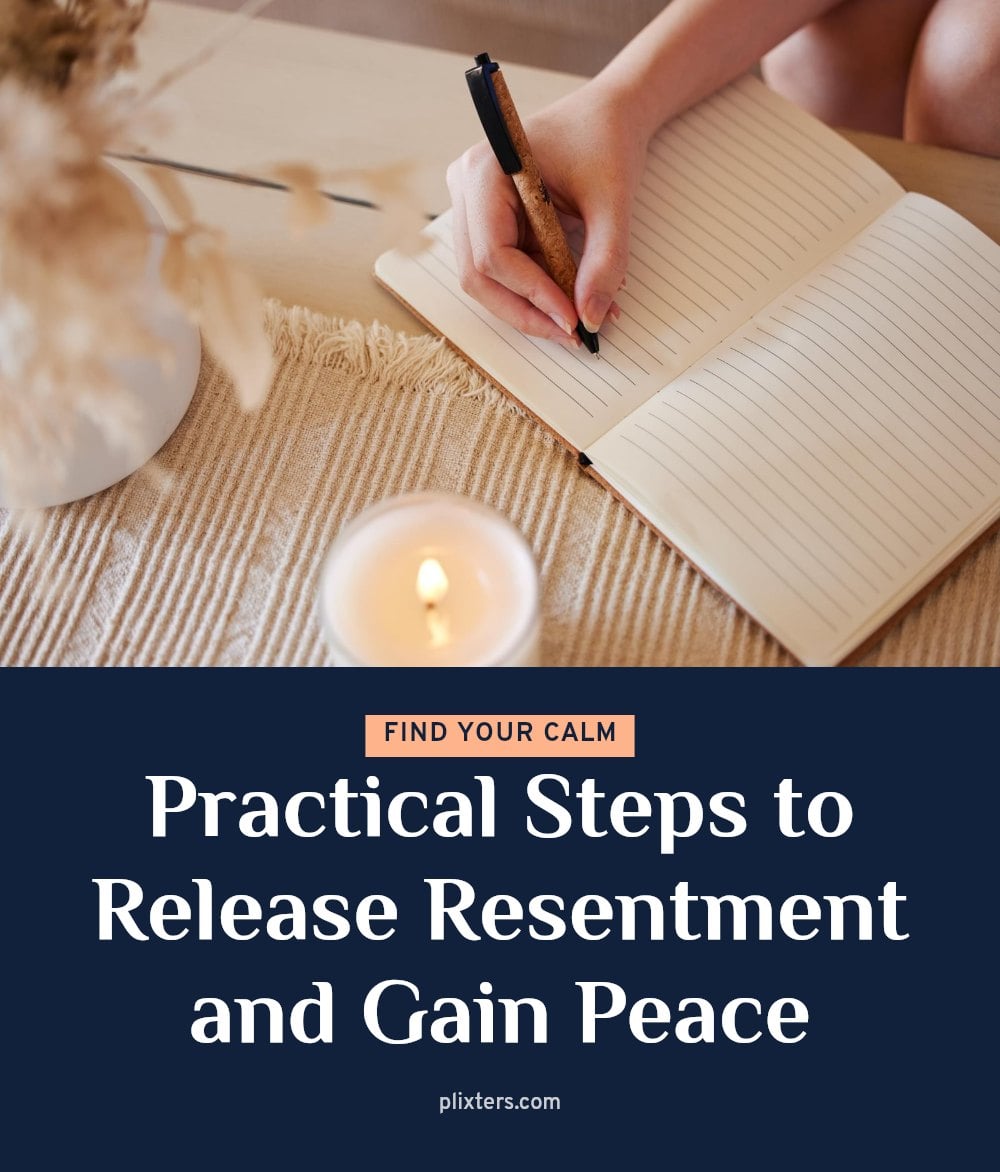
Write down everything you feel about the situation, without editing. Journaling helps you untangle complex emotions and spot patterns you might miss in your head. My tip: Set a timer for 10 minutes and write nonstop, then close the notebook and step away.
Practice Mindfulness to Detach
Mindfulness helps you notice resentful thoughts as they arise without getting swept away by them. When you catch yourself ruminating, take three deep breaths and gently redirect your focus to the present moment, like the feel of your feet on the floor.
Common Pitfalls When Trying to Let Go of Resentment
Many people believe forgiving someone means condoning their actions, but forgiveness is about your own freedom, not excusing their behavior. Another common trap is waiting for an apology before you can move on; your peace shouldn’t depend on someone else’s actions. Resentment is also often confused with simple anger, but it’s chronic and requires deeper processing than a fleeting emotion. Letting go is not a sign of weakness; it’s a strong act of self-care. Don’t expect resentment to vanish overnight; it takes time and consistent effort. Finally, avoid blaming yourself entirely for the situation. Acknowledge your role, but don’t take all the blame for someone else’s actions.
Setting Boundaries to Prevent Future Resentment
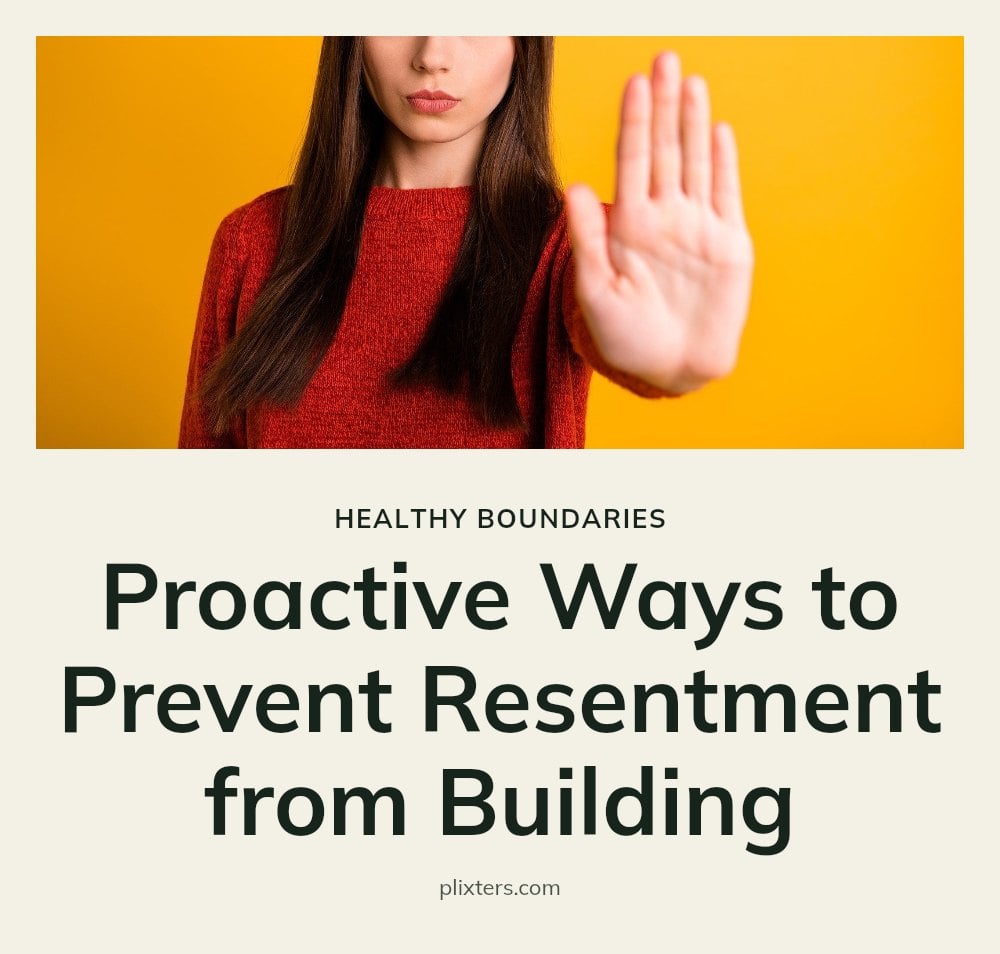
Setting clear and healthy boundaries is one of the most effective ways to prevent resentment from building in the first place. Boundaries define what behavior you will and won’t accept, and they protect your emotional energy. Focus on what you can control: your own reactions and your future actions, not the other person’s choices. Engaging in regular self-care activities, like exercise or quiet time alone, helps maintain emotional balance. Tip: Take a few minutes to identify the underlying need or value that was violated in a past situation. Understanding that root cause makes it easier to set a boundary that truly addresses the issue.
Additional Tips for Cultivating Inner Peace
Seeking support from trusted friends, family, or a support group can give you perspective and emotional relief when resentment feels heavy. Practice self-compassion by allowing yourself to acknowledge the pain without adding self-blame. Focusing on gratitude for the positive parts of your life can help shift your attention away from resentful thoughts. Good to know: The process of letting go is highly individual and takes time. There is no set timeline, so be patient with yourself as you work through it.
When to Seek Professional Help for Resentment
If feelings of resentment are overwhelming, persistent, or lead to thoughts of self-harm or harm to others, seek immediate professional help. A therapist or counselor can provide guidance if resentment is deeply entrenched or significantly impacting your daily life, relationships, or well-being. If confronting the person who caused the resentment could put you in physical or emotional danger, prioritize your safety. In that case, process your feelings through therapy or journaling instead of direct confrontation.
Frequently Asked Questions
Can resentment ever be a good thing?
Resentment itself is not helpful, but it can be a signal that something is wrong. It may point to unmet needs, violated boundaries, or a situation that requires change. Use it as a clue to examine your feelings, but don’t let it settle in long term.
How do I know if I’m holding onto resentment?
You might notice a chronic, low-grade bitterness or anger that pops up when you think about a specific person or event. Signs include ruminating on the past, feeling tense around that person, or engaging in passive-aggressive behaviors. If it feels like a weight you carry daily, it’s likely resentment.
Is it possible to forgive someone who isn’t sorry?
Yes, forgiveness is about your own healing, not about the other person’s remorse. You can choose to let go of the anger and bitterness for your own peace, even if they never apologize or acknowledge what happened. Your freedom doesn’t depend on their actions.
What if the person I resent is no longer in my life?
You can still process and release the resentment without their involvement. Journaling, therapy, or practicing self-compassion can help you work through the feelings on your own. The goal is to find closure within yourself, not from them.
How can I prevent resentment from building up again?
Set clear boundaries early in relationships and communicate your needs openly. Practice addressing small grievances before they grow into bigger resentments. Regularly check in with yourself to notice if any feelings of bitterness are starting to surface, and address them promptly.
Final Thoughts
Letting go of resentment is a personal journey that takes time, often weeks or months, and it’s not about the other person changing. Your goal is your own peace, not their apology. Start with one small step, like naming the feeling or writing it down, and be patient with yourself. You deserve to feel lighter.
This article is for informational purposes only and does not constitute medical or professional advice. If you are experiencing overwhelming resentment, thoughts of self-harm, or harm to others, please seek immediate help from a therapist, counselor, or other qualified professional.