 Save
You’ve probably stood in front of your bathroom mirror, holding a serum and a moisturizer, wondering which goes on first. The answer is simpler than you think: apply products from thinnest to thickest. This guide walks you through the exact order for morning and evening, explains why layering matters, and helps you avoid common mistakes that can sabotage your routine.
Key Takeaways
- Cleanse, treat, moisturize, and protect: that’s the core of any routine.
- Apply products from thinnest to thickest, water-based before oil-based.
- Always finish your morning routine with sunscreen, SPF 30 or higher.
- Allow each product to absorb for one to two minutes before the next.
- Patch test new active ingredients for a few days before full-face use.
10 ideas in this post
- The Core Skin Care Routine: Morning and Night
- Your Essential Skincare Arsenal: What You’ll Need
- Step-by-Step: Your Morning Skincare Routine
- Step-by-Step: Your Evening Skincare Routine
- Understanding Product Layering: Thinnest to Thickest
- Common Skincare Routine Mistakes to Avoid
- Pro Tips for a Healthier Skincare Routine
- When to Consult a Dermatologist
- Frequently Asked Questions
- Final Thoughts
The Core Skin Care Routine: Morning and Night
A basic skin care routine rests on four pillars: cleanse, treat, moisturize, and protect. The order you apply products matters because each layer prepares the skin for the next. The general rule is to go from thinnest to thickest consistency and from water-based to oil-based formulas. Your morning routine focuses on protection, with sunscreen as the non-negotiable final step. Your evening routine shifts to treatment and repair, so active ingredients like serums or retinoids go on after cleansing and before moisturizer.
Your Essential Skincare Arsenal: What You’ll Need
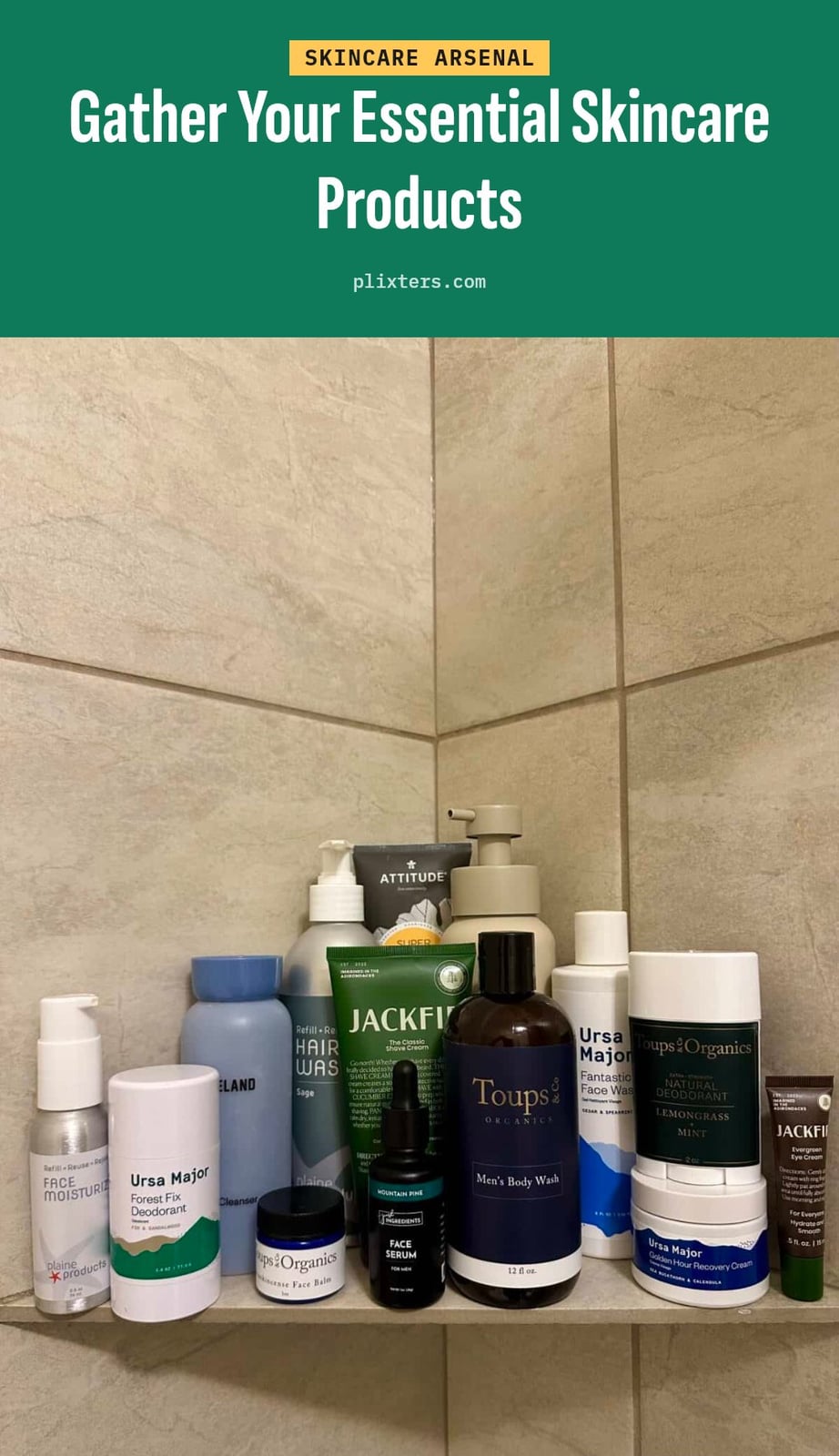
You don’t need every product on this list for a basic routine, but here are the ones that can make a difference:
- Cleanser: Removes dirt, oil, and makeup, prepping your skin for everything that follows.
- Toner: Balances skin pH and can deliver extra benefits like hydration or gentle exfoliation.
- Serum: A concentrated treatment targeting specific concerns such as fine lines, hyperpigmentation, or dehydration.
- Eye cream: Formulated for the delicate skin around your eyes, applied before heavier moisturizers.
- Spot treatment: Targets individual blemishes directly after serums but before moisturizer.
- Moisturizer: Hydrates and locks in all the previous layers.
- Sunscreen: Provides crucial UV protection and is the final step in your morning routine.
Step-by-Step: Your Morning Skincare Routine

Your morning routine sets you up for the day ahead. Follow these steps in order:
- Cleanse your face: Use a gentle cleanser to remove sweat, oil, and any residue from overnight products. This preps your skin for the layers to come.
- Apply toner: Pat toner onto clean skin with your hands or a cotton pad. It balances pH and helps the next products absorb better.
- Smooth on a serum: Choose a serum that targets your main concern, such as vitamin C for brightness or hyaluronic acid for hydration. A few drops are enough.
- Gently tap eye cream: Use your ring finger to pat a small amount around the eye area. This avoids pulling the delicate skin.
- Apply a lightweight moisturizer: A gel or lotion formula works well in the morning. It hydrates without feeling heavy under makeup or sunscreen.
- Finish with broad-spectrum sunscreen: This is your most important step. Use SPF 30 or higher and apply it as the final layer to protect your skin from UV damage.
Step-by-Step: Your Evening Skincare Routine

Your evening routine focuses on cleansing the day away and delivering treatment ingredients. Here is the order:
- Double cleanse: Start with an oil-based cleanser to dissolve makeup and sunscreen, then follow with a water-based cleanser to remove any remaining impurities. This ensures a clean canvas.
- Apply toner: Use toner to rebalance your skin’s pH after cleansing and to prepare it for active ingredients.
- Use active serums or retinoids: Apply treatment products here. Retinoids, for example, are best used at night because they can increase sun sensitivity. Let each product absorb for a minute or two.
- Apply spot treatment: Dab a small amount directly onto individual blemishes. This allows the ingredients to penetrate effectively before moisturizer seals everything in.
- Gently apply eye cream: Pat a pea-sized amount around the eye area using your ring finger. This step goes after treatments but before heavier creams.
- Finish with a nourishing moisturizer: Choose a richer formula at night to support your skin’s natural repair process. It locks in all the previous layers and keeps hydration from evaporating.
Understanding Product Layering: Thinnest to Thickest
The logic behind layering is simple: a product can only work if it reaches your skin. Thicker, oil-based formulas create a barrier that blocks thinner, water-based ones from penetrating. Apply water-based products first, then oil-based ones. Start with the most fluid product (a toner or serum) and end with the richest (a cream or balm).
My tip: Give each layer about a minute to sink in before adding the next. Rushing layers can dilute ingredients and reduce effectiveness. If a product feels tacky or sits on the surface, wait a little longer before moving on.
Common Skincare Routine Mistakes to Avoid
Even a well-chosen routine can fail if you make these common mistakes. Applying products in the wrong order blocks thinner layers from working, always go thinnest to thickest. Not letting each product absorb for a minute or two dilutes the next layer and reduces its impact.
Using too many active ingredients at once, like a retinol and an AHA, can cause irritation. Skip sunscreen when using actives, and you increase sun sensitivity. Not cleansing properly, especially in the evening, leaves behind makeup and impurities that clog pores.
Expecting immediate results is the fastest way to get discouraged. Consistency over weeks and months delivers the real changes.
Pro Tips for a Healthier Skincare Routine
These small habits can make a big difference in how your skin responds. Patch test new products, especially active ingredients, on a small area behind your ear or on your jawline for a few days before full-face use.
Adjust your routine as your skin changes, more hydration in winter, lighter formulas in summer. Extend your cleanser, serum, and moisturizer down your neck and onto your décolletage, where skin ages just as quickly.
Cleanse thoroughly in the morning and again in the evening to keep pores clear and products effective. Skipping a wash, even once, can leave residue that interferes with the next steps.
When to Consult a Dermatologist
If you experience persistent redness, burning, itching, or excessive dryness, stop using the product and consult a dermatologist. For severe acne, chronic conditions like rosacea or eczema, or concerns about suspicious moles, professional medical advice is essential.
A dermatologist can provide personalized recommendations and prescriptions that over-the-counter products cannot match. Do not try to diagnose or treat serious skin issues on your own.
Frequently Asked Questions
How long should I wait between skincare steps?
Give each product about one to two minutes to absorb before applying the next layer. This prevents dilution and helps each product work effectively. If your skin feels sticky, you can wait a bit longer, but don’t rush the process.
Can I skip steps in my skincare routine?
Yes, you can skip steps based on your skin’s needs. A basic routine only requires cleanser, moisturizer, and sunscreen in the morning. Toner, serum, and eye cream are optional additions. The key is consistency with the steps you do choose.
What’s the difference between a serum and a moisturizer?
Serums are concentrated treatments that target specific concerns like fine lines or dullness, while moisturizers hydrate and lock in all the layers beneath. You apply serum first, then moisturizer to seal everything in.
When should I use a face mask?
Use a face mask one to three times a week, after cleansing and before your treatment steps like serums. This allows the mask’s ingredients to penetrate effectively. Follow the product’s instructions for how long to leave it on.
How often should I exfoliate?
Exfoliate one to three times a week, depending on your skin type and the product’s strength. Start with once a week and increase if your skin tolerates it. Over-exfoliating can cause irritation, so listen to your skin.
Can I use Vitamin C and Retinol together?
Yes, you can, but it’s best to use them at different times. Vitamin C in the morning and retinol in the evening is a common approach. This avoids potential irritation from combining them at once and allows each to work effectively.
Final Thoughts
Stick to the simple rule of thinnest to thickest, and you’ll get the most out of every product. Start with a basic routine of cleanser, moisturizer, and sunscreen, then add treatments like serums or retinoids as needed. Give your skin four to twelve weeks of consistent use before judging results. If irritation or persistent issues arise, see a dermatologist.
This article provides general information and is not a substitute for professional medical advice. If you have persistent skin issues, severe reactions, or underlying conditions, consult a dermatologist or healthcare provider. Always patch test new products and follow product instructions.