
 Save
Do you often feel drained, resentful, or like you’re always saying yes when you want to say no? You might be struggling with a lack of boundaries. This guide covers what boundaries are, why they matter for your mental and emotional health, and practical steps to start setting them today.
Key Takeaways
- Boundaries are personal rules that protect your well-being and define how you expect to be treated.
- Communicate boundaries clearly using ‘I’ statements and avoid over-explaining or apologizing.
- Start with smaller, easier boundaries and gradually work up to more challenging ones.
- Be firm and consistent in enforcing boundaries, even when others initially resist or test them.
- Seek professional help if setting boundaries leads to increased conflict, emotional abuse, or threats.
9 ideas in this post
- What Are Boundaries and Why Do They Matter?
- Tools for Your Boundary-Setting Journey
- Step-by-Step: How to Set Healthy Boundaries
- Understanding Different Types of Boundaries
- Common Mistakes When Setting Boundaries and How to Avoid Them
- Practical Tips for Maintaining Your Boundaries
- When to Seek Professional Help for Boundary Challenges
- Frequently Asked Questions
- Final Thoughts
What Are Boundaries and Why Do They Matter?
Boundaries are the personal limits you set to protect your well-being and integrity. They define what you are comfortable with and how you expect to be treated. These limits are essential for mental and emotional health, helping to reduce stress and foster mutual respect in relationships. Setting boundaries is an act of self-care: it teaches others how to treat you and ensures your energy is spent where it matters. Without them, resentment and burnout often follow.
Tools for Your Boundary-Setting Journey

Before you start setting boundaries, gather a few soft tools that make the process easier.
- Journal: Use it to identify your personal limits and reflect on past interactions where you felt uncomfortable or taken advantage of.
- Communication resources: Books or articles on assertive communication can help you phrase your needs clearly and respectfully.
- Emotional support: A trusted friend, family member, or therapist can offer encouragement and perspective when you’re navigating tricky conversations.
These tools aren’t physical, but they build the confidence you need to speak up.
Step-by-Step: How to Set Healthy Boundaries
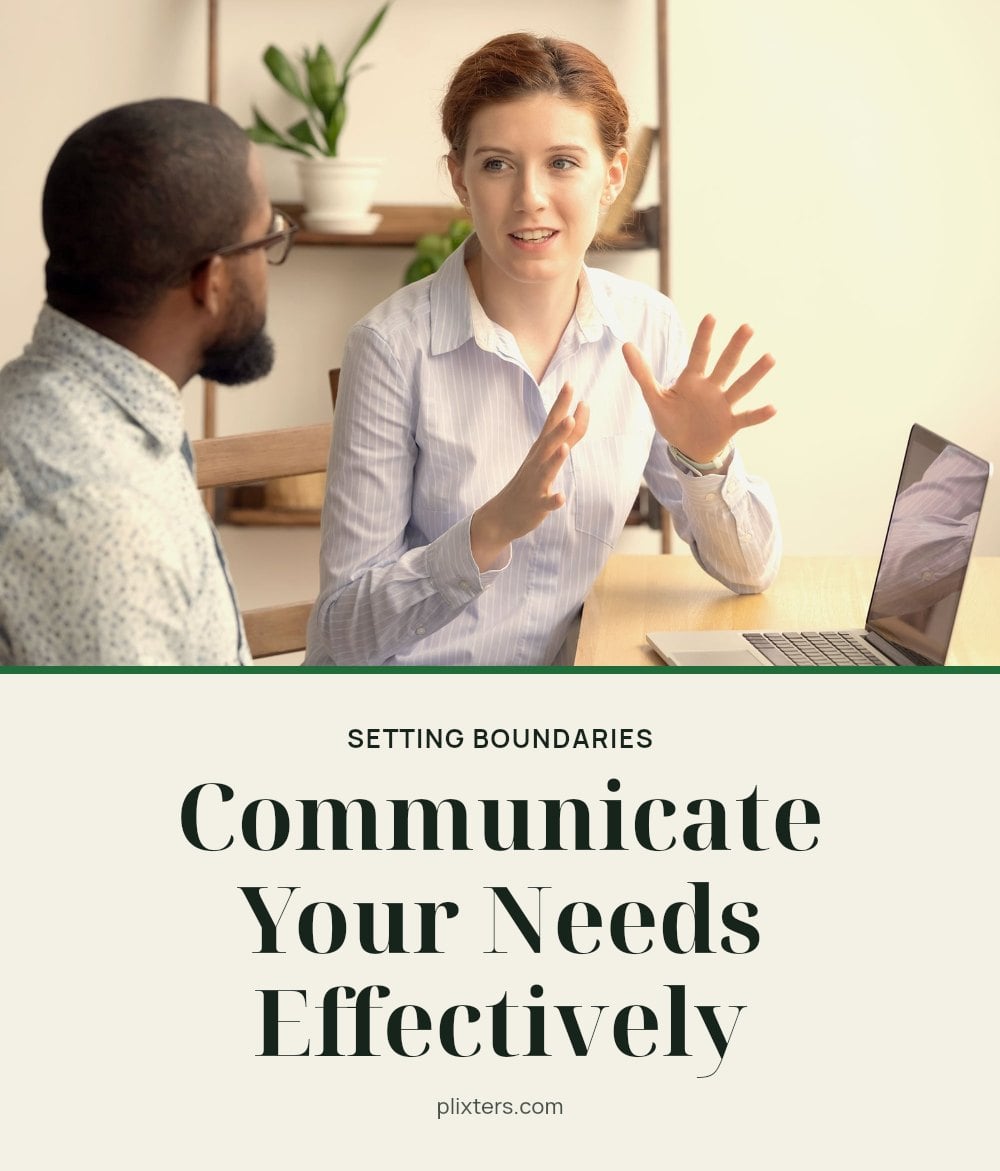
Setting boundaries takes practice, but a clear process makes it manageable. Here’s a step-by-step approach that works.
- Identify your limits: Think about situations that drain you or make you feel disrespected. What do you need to feel safe and respected? Write these down.
- Communicate with ‘I’ statements: State your boundary directly and calmly. For example, “I feel overwhelmed when I get calls after 9 PM, so I won’t answer them then.” Avoid blaming or accusing.
- Start small: Begin with a low-stakes boundary, like telling a friend you can’t chat during work hours. Success here builds confidence for bigger issues.
- Practice saying ‘no’: You don’t need a long explanation. A simple “No, that doesn’t work for me” is enough. Resist the urge to over-explain or apologize.
- Be firm and consistent: Enforce your boundary every time, even if someone pushes back. Mixed signals undermine your efforts.
- Prepare for reactions: Expect some resistance. Stay calm, reiterate your boundary, and remind yourself that your well-being matters. If a relationship becomes harmful, prioritize your safety and seek support.
Understanding Different Types of Boundaries
Boundaries come in several forms, and understanding them helps you set the right ones for each situation.
Physical
These relate to personal space and touch. For example, you might prefer a handshake over a hug, or you need your desk space respected.
Emotional
These protect your feelings. You can decline to listen to a friend’s constant venting or refuse to take on someone else’s anxiety as your own.
Mental
These involve respecting different thoughts and opinions. You can agree to disagree without judgment or debate.
Time
These define how you allocate your hours. You might set a rule that you don’t check work emails after 6 PM or that Saturdays are family-only.
Material and financial
These protect your possessions and money. You can say no to lending your car or money, or you can set limits on what you share.
Common Mistakes When Setting Boundaries and How to Avoid Them
Even with good intentions, common mistakes can trip you up. Here is how to avoid them.
- Assuming others should know your boundaries: Communicate proactively. Do not expect mind-reading; clearly state your limits.
- Being inconsistent in enforcing boundaries: Be firm and follow through. Mixed signals confuse others and undermine your efforts.
- Feeling guilty and retracting boundaries: Prioritize your well-being. Guilt is common, but do not let it undo your progress.
- Communicating boundaries indirectly or passively: Use ‘I’ statements directly. Avoid hints or passive aggression.
- Expecting immediate acceptance from everyone: Be patient but persistent. Resistance is common, but your boundaries are valid regardless.
Practical Tips for Maintaining Your Boundaries

Maintaining boundaries is an ongoing practice. These tips help you stay consistent.
- Rehearse your boundary statements: Practice makes perfect. Mentally or verbally practice what you will say before a conversation.
- Be prepared for pushback: Expect initial resistance. Others might test your new limits; stay calm and reiterate your boundary.
- Seek support: Lean on your support system. Talk to a trusted friend, family member, or therapist for encouragement.
- Review and adjust: Boundaries can evolve. Regularly check in with yourself to ensure your boundaries still meet your needs.
- Celebrate small victories: Acknowledge your progress. Every time you successfully uphold a boundary, it is a win.
When to Seek Professional Help for Boundary Challenges
Most boundary challenges improve with practice, but some situations require professional help. Seek support immediately if setting boundaries leads to increased conflict, emotional abuse, or physical threats. In cases of domestic violence or abuse, prioritize your physical safety and contact domestic violence resources. If you consistently struggle to set or maintain boundaries despite your best efforts, a therapist or counselor can provide valuable strategies. Professional guidance can also help if relationships become severely strained or irreparable due to boundary issues.
Frequently Asked Questions
How do I deal with guilt after setting a boundary?
Guilt is a common first reaction, especially if you are not used to putting your needs first. Remind yourself that setting boundaries is an act of self-care, not selfishness. With practice, the guilt typically fades as you experience the benefits of reduced stress and more respectful relationships.
Is it ever too late to set boundaries?
It is never too late. Even in long-standing relationships, you can introduce new limits at any time. The other person may need time to adjust, but your well-being matters at every stage. Start with a clear, direct conversation and be patient as the new dynamic takes shape.
What if someone gets angry when I set a boundary?
Anger is a common reaction, especially from someone used to you not having limits. Stay calm, repeat your boundary if needed, and avoid getting drawn into an argument. Their anger is not your responsibility. If the anger escalates to threats or abuse, prioritize your safety and seek professional support.
Can boundaries improve self-esteem?
Yes, many people find that consistently setting and enforcing boundaries boosts their self-esteem. Each time you honor your own needs, you reinforce the message that you are worthy of respect. Over time, this practice can help you feel more confident and in control of your life.
How do I maintain boundaries over time?
Maintaining boundaries takes ongoing effort. Rehearse what you will say before conversations, be prepared for occasional pushback, and revisit your limits as your needs change. Journaling can help you stay aware of what is working and where you need to reinforce a boundary.
Final Thoughts
Setting boundaries is an ongoing practice that gets easier with time. Start small, stay consistent, and prioritize your own well-being over others’ reactions. Expect some initial pushback, but remember that every clear boundary you set is an act of self-respect that can lead to healthier, more balanced relationships over weeks to months.
This article is for general informational purposes only and does not constitute medical, therapeutic, or professional advice. If you are experiencing significant distress, conflict, or safety concerns related to boundaries, please consult a qualified therapist or counselor.




