 Save
If you’re dealing with hair thinning or a dry, irritated scalp, rosemary water might be the gentle, natural boost your routine needs. This simple herbal infusion has been used for centuries, and many people find it helps support scalp health and hair growth when used consistently. In this article, I’ll walk you through how to make rosemary water at home, the best ways to apply it, and what results you can realistically expect.
Key Takeaways
- Steep 2-3 tablespoons of dried rosemary per cup of hot water for 30-60 minutes.
- Strain thoroughly with a fine-mesh sieve to avoid residue in hair.
- Apply daily or every other day for 3-6 months to see potential benefits.
- Store homemade rosemary water in the refrigerator and use within 1-2 weeks.
- Always patch test on your inner arm before applying to your scalp.
10 ideas in this post
- What Is Rosemary Water and How Does It Help Hair?
- Gather Your Materials for Making Rosemary Water
- Step-by-Step: Making Your Own Rosemary Water
- Ways to Apply Rosemary Water to Your Hair and Scalp
- Common Mistakes to Avoid When Using Rosemary Water
- What to Expect: Timeline for Results and Usage Frequency
- Smart Tips for Maximizing Rosemary Water Benefits
- When to Consult a Professional About Hair Concerns
- Frequently Asked Questions
- Final Thoughts
What Is Rosemary Water and How Does It Help Hair?

Rosemary water is an herbal infusion made by steeping fresh or dried rosemary in hot water. It’s a simple, natural hair care staple that many people use to support scalp health and hair growth. The herb is believed to stimulate circulation to the scalp, which may help nourish hair follicles, and it has anti-inflammatory properties that can soothe the scalp. While results vary, consistent use may contribute to stronger, healthier-looking hair over time.
Gather Your Materials for Making Rosemary Water

Before you start brewing, gather these simple items. Most are probably already in your kitchen, and the whole process takes less than an hour.
- Fresh rosemary sprigs or dried leaves: Use about 2-3 tablespoons of dried or a handful of fresh sprigs per cup of water.
- Distilled or filtered water: This helps avoid chlorine and minerals that can affect the infusion.
- Saucepan or heat-safe bowl: For heating and steeping the rosemary.
- Strainer or fine-mesh sieve: To remove all plant material completely.
- Airtight spray bottle or container: For storing the finished water in the fridge.
Step-by-Step: Making Your Own Rosemary Water
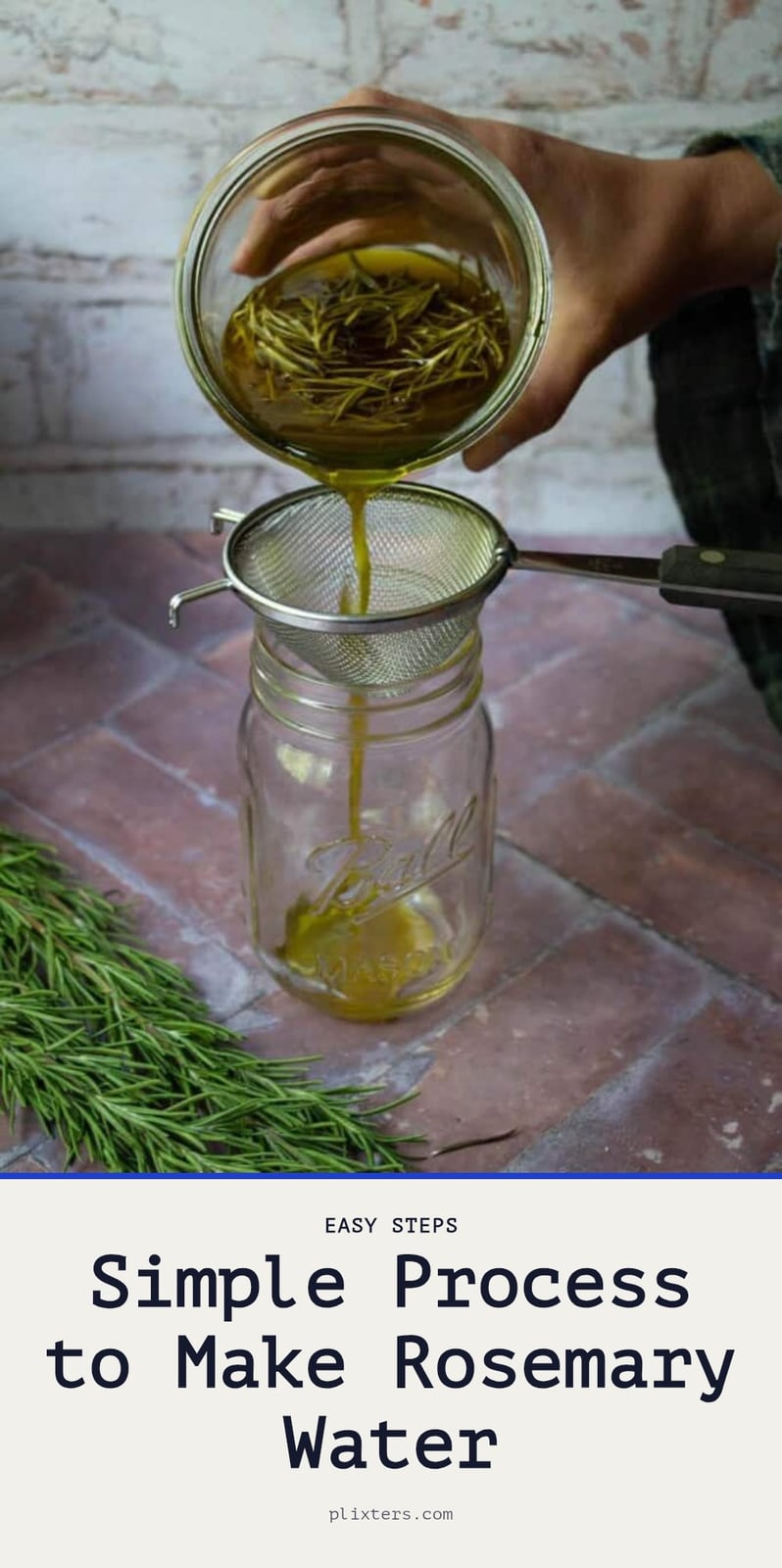
Making rosemary water at home takes about 40 minutes, most of it hands-off steeping time. Here’s the process I use every time.
- Measure your rosemary: Use 2-3 tablespoons of dried rosemary or a large handful of fresh sprigs. Fresh leaves have more moisture, so you can use a bit more.
- Heat the water: Bring 1 cup of distilled or filtered water to a gentle simmer in a saucepan. Avoid a rolling boil, as very hot water may degrade some of the beneficial compounds.
- Steep the rosemary: Turn off the heat, add the rosemary, and cover the pan. Let it steep for 30-60 minutes, or until the water has cooled to room temperature. The longer end of that range can draw out more of the water-soluble compounds.
- Strain completely: Pour the liquid through a fine-mesh sieve or cheesecloth into a clean bowl. Press on the leaves to extract all the liquid, but make sure no small pieces remain, as they can leave residue in your hair.
- Store properly: Transfer the rosemary water to an airtight spray bottle or container and refrigerate. It will keep for about 1-2 weeks. Discard if it develops an off smell or cloudiness.
That’s it. You now have a fresh batch ready to use.
Ways to Apply Rosemary Water to Your Hair and Scalp

There are several ways to incorporate rosemary water into your hair routine, depending on your preference and schedule. Choose one or mix them up.
Scalp Tonic on Clean Hair
After washing and towel-drying your hair, spray the rosemary water directly onto your scalp. Gently massage with your fingertips for 1-2 minutes to help stimulate circulation. Leave it in and style as usual.
My tip: Use this method in the morning, so the scent fades before you head out.
Final Rinse After Shampooing
Use rosemary water as the last step after conditioning. Pour it over your scalp and hair, then gently massage. Don’t rinse it out, just towel-dry as normal. This method is great if you prefer a more thorough application.
My tip: Keep a bottle in the shower and use it every time you wash your hair.
Leave-In Spray for Daily Use
Fill a spray bottle with rosemary water and keep it on your bathroom counter. Spray your scalp and hair lightly each morning or every other day. This works well for refreshing your scalp between washes.
Tip: Store the spray bottle in the fridge and use it cold for an extra refreshing feel on warm days.
Whichever method you choose, always massage your scalp gently after applying to encourage blood flow, which may support hair follicle health.
Common Mistakes to Avoid When Using Rosemary Water
Not straining leaves properly: If you skip a fine-mesh sieve or cheesecloth, rosemary bits get stuck in your hair and can be a pain to brush out. Always strain twice if needed.
Expecting immediate results: Hair growth cycles are slow. You likely won’t see changes in a week. Consistency over 3-6 months is what matters.
Using too much: More rosemary doesn’t mean faster results. A strong infusion can irritate a sensitive scalp. Stick to the recommended ratio of 2-3 tablespoons per cup of water.
Improper storage: Homemade rosemary water spoils quickly at room temperature. Keep it in the fridge and use it within 1-2 weeks.
Confusing rosemary water with essential oil: Rosemary essential oil is far more concentrated and must be diluted with a carrier oil. Water is safe to use as is.
What to Expect: Timeline for Results and Usage Frequency
Most people who see benefits notice them after 3-6 months of consistent use. Hair grows slowly, so patience is key.
Apply rosemary water daily or every other day for the best potential results. A quick spritz after washing or as a morning refresh is enough.
The cost is minimal. A few sprigs of rosemary and tap water (or distilled, if you prefer) cost pennies per batch compared to store-bought hair treatments.
Smart Tips for Maximizing Rosemary Water Benefits

Perform a patch test: Before you spray your whole scalp, dab a little rosemary water on your inner arm or behind your ear. Wait 24 hours to check for redness or itching.
Store in the refrigerator: Homemade rosemary water stays fresh for 1-2 weeks when chilled. Discard it if it smells off or looks cloudy.
Combine with gentle scalp massage: After applying, use your fingertips to massage your scalp in small circles for 2-3 minutes. This may help improve circulation where the rosemary water touches.
Use distilled water for brewing: Distilled water is free of chlorine and minerals that could interfere with the infusion or irritate your scalp. It also extends the shelf life slightly.
When to Consult a Professional About Hair Concerns
If irritation occurs: Stop using rosemary water immediately. If redness, itching, or burning persists, see a doctor or dermatologist.
If you are pregnant or breastfeeding: Consult your healthcare provider before adding any herbal remedy to your routine.
For persistent hair loss or scalp issues: A dermatologist can identify underlying causes like hormonal changes, nutrient deficiencies, or medical conditions that rosemary water won’t address.
For severe allergic reactions: Seek professional medical help right away if you experience swelling, difficulty breathing, or hives after using rosemary water.
Frequently Asked Questions
How often should I use rosemary water?
For best results, use rosemary water daily or every other day. A light spritz on your scalp after washing or as a morning refresh is enough. Consistency is key, so find a frequency that fits your routine and stick with it for several months to see any potential changes.
Can I leave rosemary water in my hair?
Yes, you can leave rosemary water in your hair as a leave-in treatment. It’s lightweight and won’t weigh hair down. Just make sure your hair is clean and the rosemary water is fully strained to avoid residue. Spray it on your scalp and massage gently, then style as usual.
Is rosemary water safe for all hair types?
Rosemary water is generally safe for all hair types, but individual sensitivities vary. If you have a known allergy to rosemary or sensitive skin, do a patch test first. If you experience redness, itching, or burning, stop use and consult a dermatologist.
What are the benefits of rosemary water for hair?
Rosemary water may help support scalp circulation, which is believed to promote hair follicle health. It also has anti-inflammatory properties that can soothe the scalp. Some users report improved hair strength and shine with regular use, though results take time.
How long does homemade rosemary water last?
Homemade rosemary water typically lasts 1-2 weeks when stored in a clean, airtight container in the refrigerator. Discard it if you notice any cloudiness, off smell, or mold. Always use a clean spray bottle to avoid introducing bacteria.
Final Thoughts
My tip: start with a simple batch and make it a habit. Apply rosemary water as a leave-in spray or rinse after washing, and massage your scalp gently each time. Consistency matters more than quantity.
Expect to wait at least 3 months before judging results, since hair growth cycles are slow. If you notice any irritation, stop use and consult a dermatologist. With patience and proper storage, rosemary water can be a lovely addition to your natural hair care routine.
This article is for general informational purposes only and is not a substitute for professional medical advice. Always consult a doctor or dermatologist before starting any new hair care routine, especially if you are pregnant, breastfeeding, or have underlying health conditions. If you experience persistent irritation or hair loss, seek professional guidance.