 Save
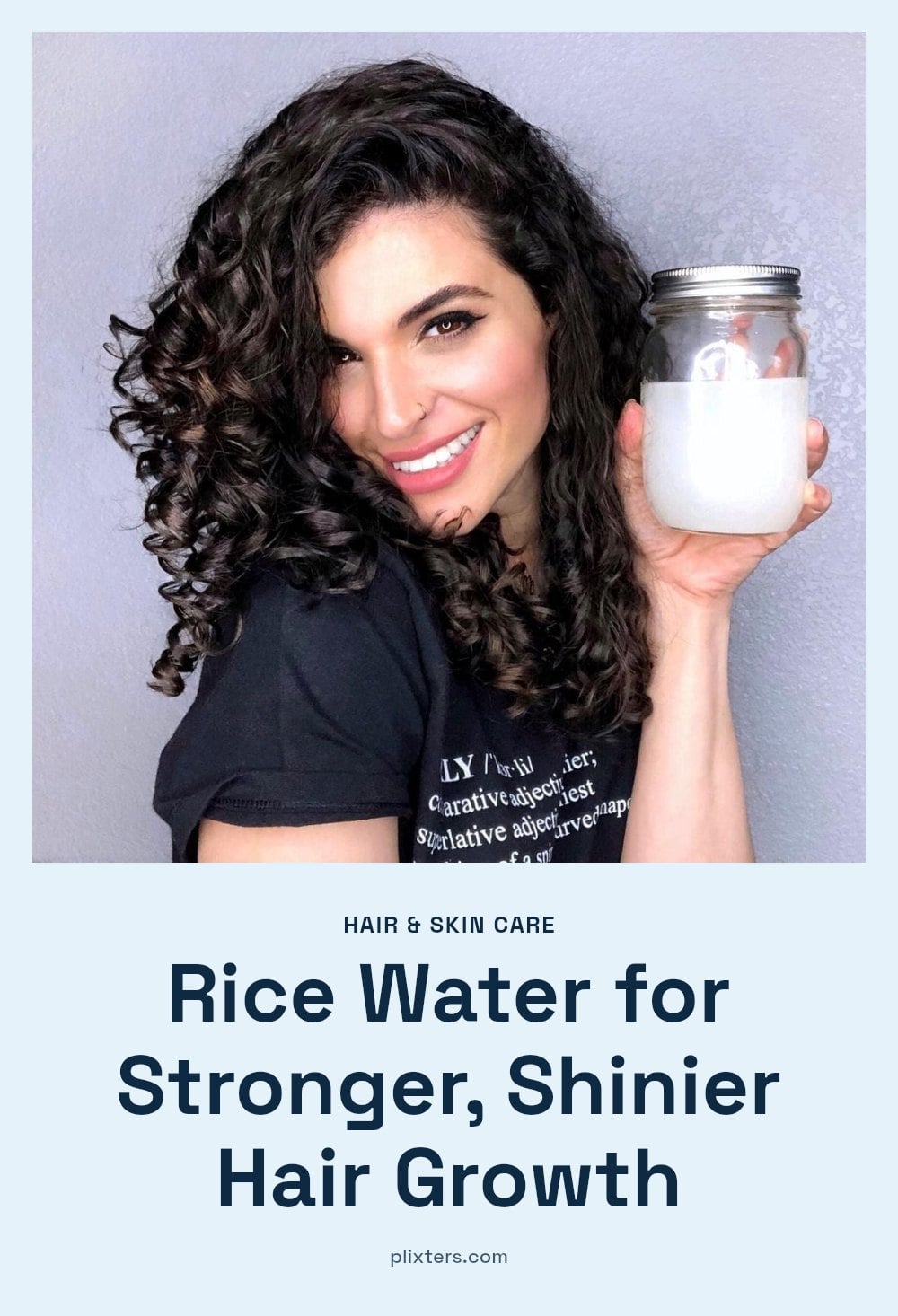
You’ve probably heard about the traditional beauty secret of rice water, used for centuries in East Asian cultures for long, healthy hair and glowing skin. It’s simply the starchy water left over from soaking or boiling rice, packed with nutrients like inositol, amino acids, and vitamins. This article covers what rice water can do for your hair and skin, how to make and use it safely, and what results you can realistically expect.
Key Takeaways
- Use rice water 1-2 times per week for several weeks to months before expecting noticeable results.
- Always rinse hair thoroughly with cool water after applying rice water to prevent residue and stiffness.
- Dilute fermented rice water with plain water before first use to avoid irritation.
- Store rice water in the refrigerator and use it within 5-7 days to prevent bacterial growth.
- Perform a patch test on skin or a strand of hair 24 hours before full application.
10 ideas in this post
- What is Rice Water and How Does It Benefit Hair and Skin?
- The Science Behind Rice Water: Why It Works
- Gathering Your Supplies for Making Rice Water
- Step-by-Step: How to Make and Use Rice Water
- Common Rice Water Mistakes to Avoid
- Expert Tips for Using Rice Water Effectively
- How Long Until You See Results and What to Expect
- When to Consult a Professional About Hair or Skin Issues
- Frequently Asked Questions
- Final Thoughts
What is Rice Water and How Does It Benefit Hair and Skin?
Rice water is simply the starchy liquid left over after rinsing or boiling rice. For centuries, it has been a staple in East Asian beauty routines, particularly for hair and skin health. The liquid contains nutrients like inositol, amino acids, and vitamins that may help make hair shinier and smoother, while also brightening and soothing skin. While anecdotal reports are abundant, robust scientific evidence is still emerging, so it’s best to approach it as a supportive treatment rather than a miracle cure.
The Science Behind Rice Water: Why It Works
What Makes Rice Water Work
Rice water is packed with beneficial components. It contains inositol, a carbohydrate that some claim can penetrate damaged hair and stay there even after rinsing, potentially repairing it from the inside. Amino acids help strengthen hair and add shine, while B vitamins, vitamin E, and antioxidants support overall hair and skin health. For skin, the starch in rice water can soothe irritation and act as a mild astringent, which may help refine pores.
Fermentation makes a difference: Fermented rice water has a lower pH, typically closer to the natural pH of human hair and skin (around 4.5-5.5). This can be more gentle and potentially more beneficial. The practice of using rice water for hair dates back to ancient Japan, specifically among Heian period court ladies known for their long, healthy hair.
Gathering Your Supplies for Making Rice Water
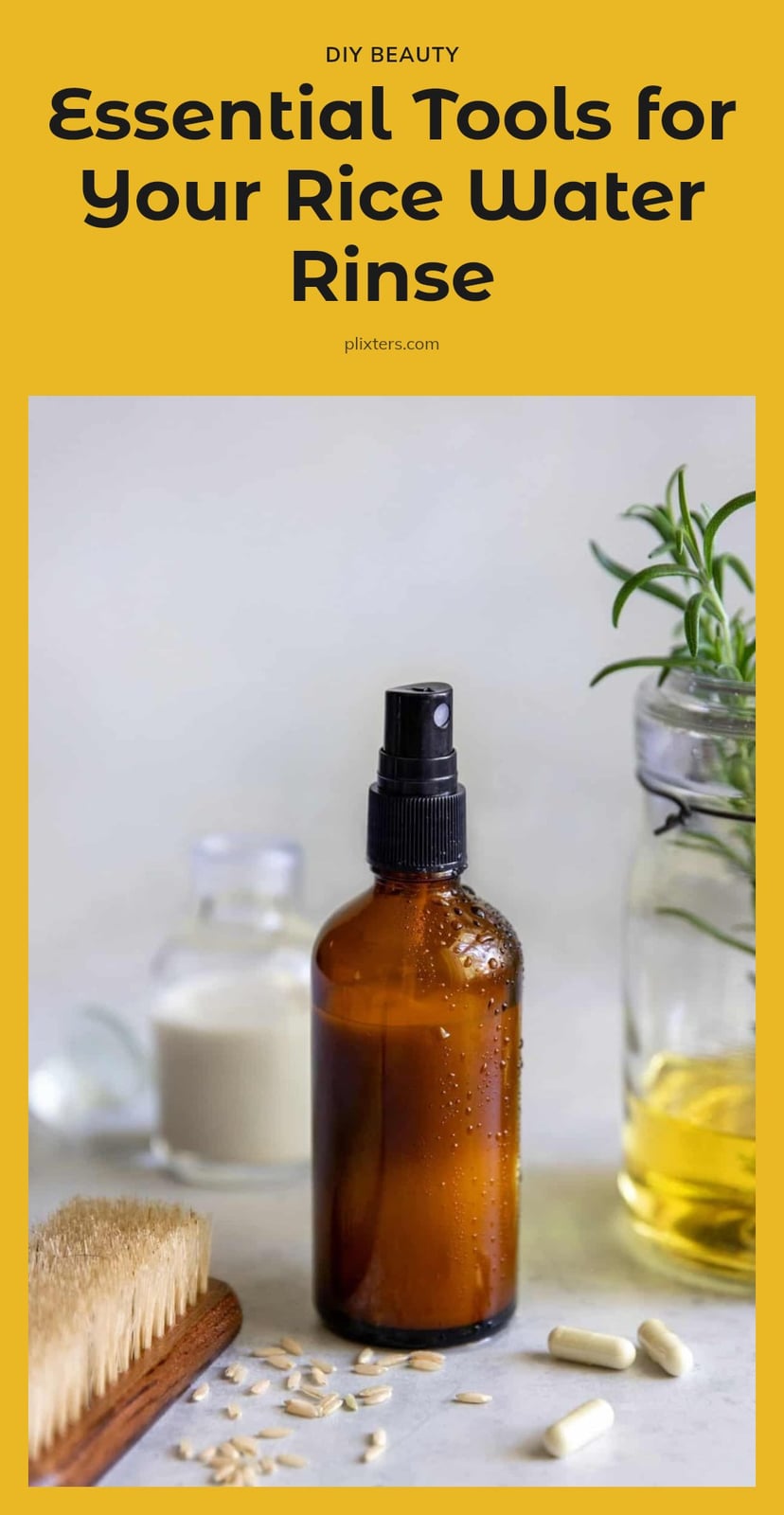
To make rice water at home, you need just a few basic items:
- Rice: Organic white, brown, or jasmine rice is recommended to avoid contaminants.
- Water: Clean, filtered water is essential for the best results.
- Strainer: A fine-mesh strainer separates the rice from the liquid.
- Spray bottle: Ideal for applying the rice water evenly to hair or skin.
- Bowl or jar: For soaking or fermenting the rice water.
Step-by-Step: How to Make and Use Rice Water

- Rinse the rice: Start by rinsing ½ cup of rice under cool water to remove dust and excess starch.
- Soak or boil: For the soaking method, cover the rice with 2 cups of water and let it sit for 30 minutes. For a quicker version, boil the rice in 2 cups of water until soft, then strain.
- Strain and cool: Pour the liquid through a strainer into a bowl or jar. Let it cool completely if you boiled the rice.
- Ferment (optional): For fermented rice water, let the strained liquid sit at room temperature for 12-24 hours. It will develop a slightly sour smell. Always dilute fermented rice water with an equal part of plain water before use.
- Apply to hair: After shampooing, pour or spray the rice water onto clean, damp hair. Massage it into your scalp and through your strands. Leave it on for 5-20 minutes, then rinse thoroughly with plain water. For skin, apply it with a cotton pad as a toner or use it as a face mask for 10 minutes.
- Rinse well: Rinse your hair thoroughly to prevent any residue from making it stiff or dry.
Common Rice Water Mistakes to Avoid
Not rinsing hair thoroughly: Leftover starch can make hair feel stiff and leave a white residue. Rinse with cool water until the water runs clear after each application.
Using rice water too often: For low-porosity hair especially, overuse can lead to protein overload, making hair brittle and prone to breakage. Stick to 1-2 times per week and watch how your hair responds.
Improper fermentation: Letting rice water sit too long or at room temperature for more than 24 hours can cause bacterial growth or a less beneficial pH. If it smells sour or looks cloudy, discard it.
Using spoiled rice water: Spoiled rice water can cause scalp irritation, itching, or flaking. Always store it in the fridge and use within 5-7 days.
Expecting instant results: Rice water is not a quick fix. Natural remedies take consistent use over weeks or months to show subtle changes. Manage your expectations.
Expert Tips for Using Rice Water Effectively
Patch test first: Apply a small amount to a patch of skin or a strand of hair 24 hours before full use to check for any reaction.
Store properly: Keep rice water in a sealed container in the refrigerator. Use it within 5-7 days, and never use it if you see mold or smell an off odor.
Start with diluted fermented rice water: Fermented rice water has a lower pH, which is closer to your hair and skin’s natural pH. Dilute it with equal parts plain water for your first few uses.
Listen to your hair and skin: If your hair feels dry or stiff after using rice water, reduce frequency. If your skin reacts, stop use and adjust.
Be consistent: Use rice water 1-2 times per week for at least a month before judging results. Natural remedies work gradually.
How Long Until You See Results and What to Expect
Results vary from person to person. Most people need consistent use 1-2 times per week for several weeks or months to notice any difference in shine, strength, or texture.
Rice water is one of the cheapest DIY remedies you can make at home, costing just pennies per batch. But it is not a miracle cure. It may help improve hair and skin over time, but it will not reverse severe damage or treat medical conditions.
Be patient and keep your routine simple.
When to Consult a Professional About Hair or Skin Issues
Scalp reactions: Stop using rice water if you notice scalp irritation, dryness, flaking, or excessive hair shedding. These can be signs of an allergic reaction or protein overload.
Skin reactions: Discontinue use if you see redness, itching, or breakouts after applying rice water to your face or body.
Persistent issues: If your hair or skin condition does not improve or worsens, consult a dermatologist or doctor. They can help diagnose underlying issues like seborrheic dermatitis or low-porosity hair protein overload.
Protein overload suspicion: If your hair feels stiff, brittle, or breaks easily after using rice water, a professional can recommend a proper treatment plan.
Frequently Asked Questions
How often should I use rice water for best results?
Most people see the best results when they use rice water 1-2 times per week. Using it more frequently, especially on low-porosity hair, can lead to protein overload, making hair feel stiff and brittle. Consistency over several weeks or months is more important than daily use.
Can rice water cause hair loss?
Rice water itself is not known to cause hair loss, but improper use can lead to issues. If you leave it on too long or use it too often, protein overload may make hair brittle and prone to breakage. If you notice excessive shedding or scalp irritation, stop use and see a dermatologist.
Is fermented rice water better than unfermented?
Many people believe fermented rice water offers more benefits because its pH is closer to that of human skin and hair, around 4.5-5.5. This lower pH may be gentler and more nourishing. However, unfermented rice water can still be effective, and fermentation requires extra time and careful storage to avoid spoilage.
Can rice water be used on all hair types?
Yes, rice water can be used on all hair types, but results and reactions vary. Those with low-porosity hair should be especially careful not to overuse it, as protein buildup can cause stiffness and dryness. A patch test on a small strand of hair is a good idea before full application.
How long does rice water last?
Rice water should be stored in a sealed container in the refrigerator and used within 5-7 days. If you notice any signs of mold, a foul odor, or cloudiness, discard it immediately. For longer storage, you can freeze rice water in ice cube trays and thaw as needed.
Final Thoughts
For a simple, low-cost addition to your routine, try using rice water once or twice a week on clean, damp hair. Keep in mind that natural remedies take time; consistent use over several weeks or months is key before you might notice shinier, smoother hair or improved skin texture. If you experience any irritation or discomfort, stop using it and consult a professional.
This article is for informational purposes only and is not a substitute for professional medical or dermatological advice. Results from natural remedies vary, and individual reactions are possible. If you have a persistent skin or scalp condition, or if you experience irritation or hair loss, consult a doctor or dermatologist.