
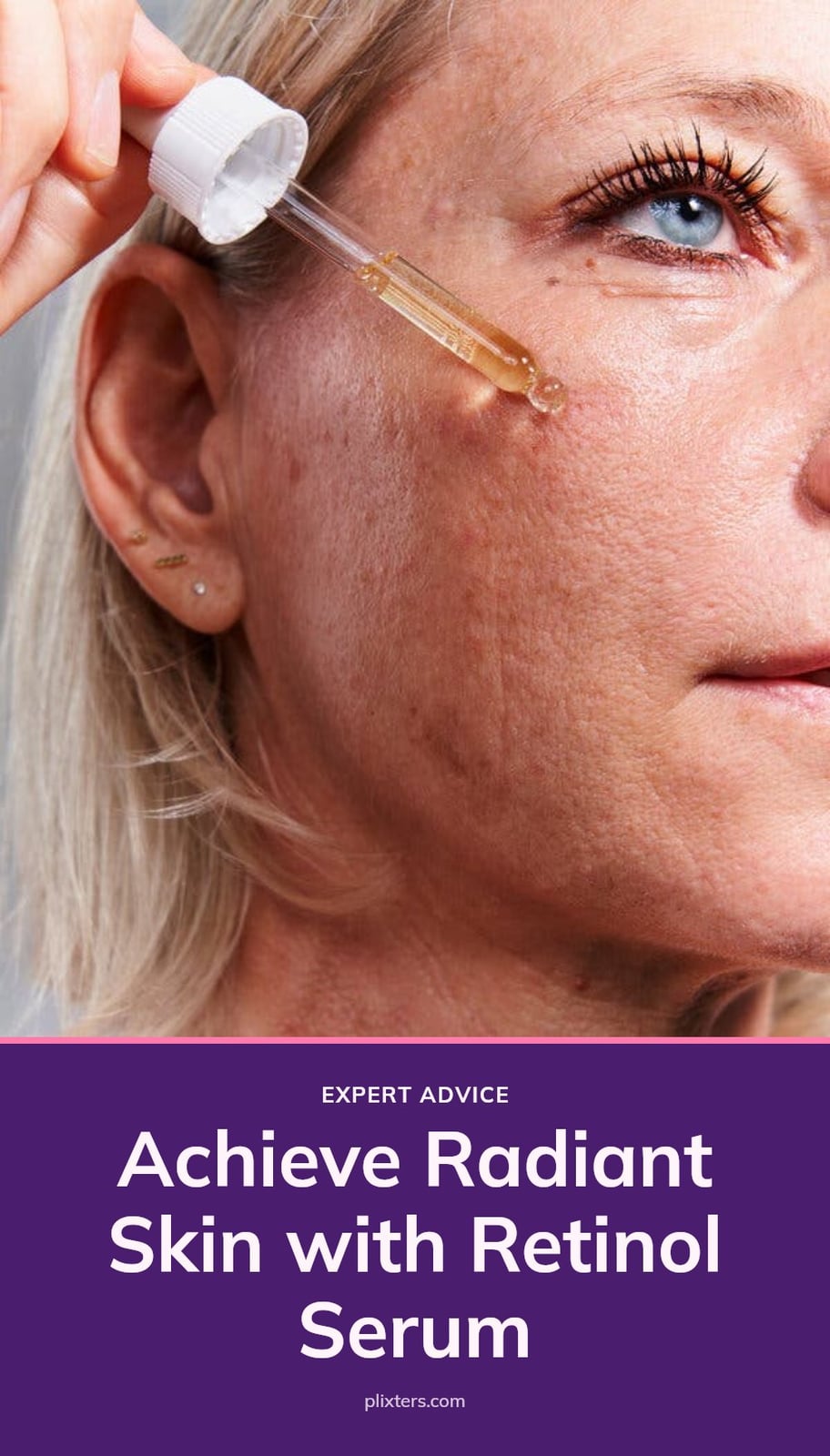
 Save
Starting retinol can feel like a minefield of redness, peeling, and confusion. The truth is, a few simple habits make all the difference between irritated skin and the glowing results you are after. This article covers the essential dos and don’ts, from picking the right concentration to building a routine that protects your skin barrier.
Key Takeaways
- Start with a low concentration like 0.1% or 0.25% and apply it only two to three times a week.
- Always apply retinol to completely dry skin and wait 15-20 minutes after cleansing.
- Use a pea-sized amount for your entire face, no more.
- Apply retinol at night and follow with a hydrating moisturizer.
- Wear broad-spectrum sunscreen with at least SPF 30 every morning without exception.
15 ideas in this post
- Mastering Retinol for Glowing Skin
- 1. Start Low and Go Slow
- 2. Apply to Completely Dry Skin
- 3. Use a Pea-Sized Amount
- 4. Apply Retinol at Night
- 5. Follow with a Hydrating Moisturizer
- 6. Commit to Daily Sunscreen
- 7. Avoid Other Harsh Actives
- 8. Be Patient and Consistent
- 9. Store Retinol Properly
- 10. Know When to Consult a Professional
- 11. Avoid During Pregnancy or Breastfeeding
- Common Retinol Mistakes to Avoid
- Frequently Asked Questions
- Final Thoughts
Mastering Retinol for Glowing Skin
Retinol is a vitamin A derivative that speeds cell turnover and boosts collagen, which can smooth fine lines and improve texture. To use it safely, start with a low concentration, apply it only to dry skin at night, and wear sunscreen every morning. Initial redness or peeling is common but manageable. Results usually show after several weeks to months of consistent use.
1. Start Low and Go Slow
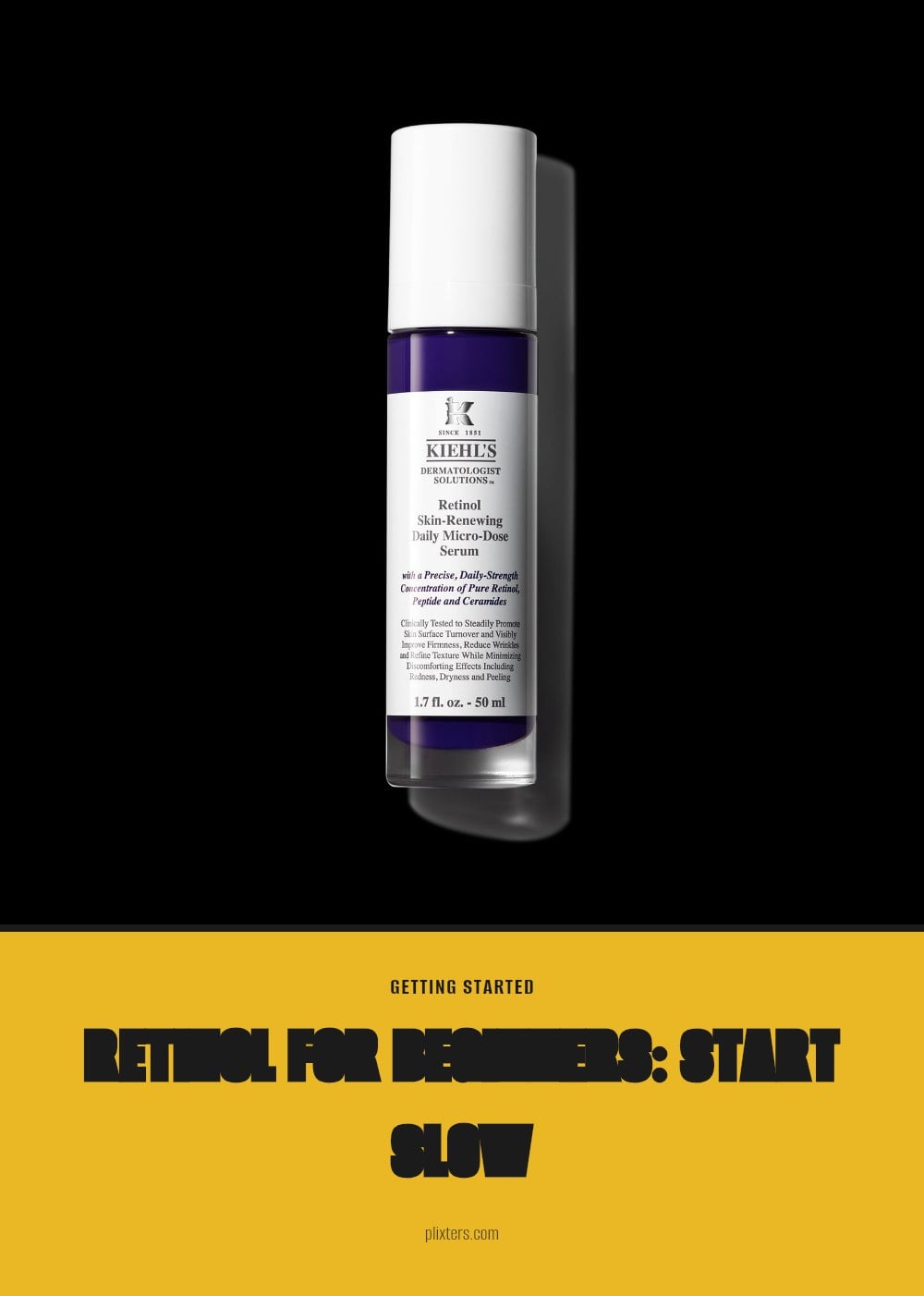
Begin with a low concentration, such as 0.1% or 0.25%, so your skin can adapt without getting overwhelmed. Apply it only two to three times a week at first, then slowly increase frequency as your skin tolerates it.
- My tip: If you notice significant irritation, cut back on how often you use it or switch to a lower strength. You can also try the ‘sandwich method’, moisturizer, retinol, then another layer of moisturizer, to buffer the product.
2. Apply to Completely Dry Skin

After you cleanse, wait a full 15-20 minutes before applying retinol. Your skin needs to be bone-dry, damp skin increases absorption significantly, which can lead to more redness, peeling, and irritation.
My tip: Use this wait time to brush your teeth or put on pajamas. Pat your face dry with a clean towel and let it air-dry completely. That simple pause makes a huge difference in how your skin handles retinol.
3. Use a Pea-Sized Amount
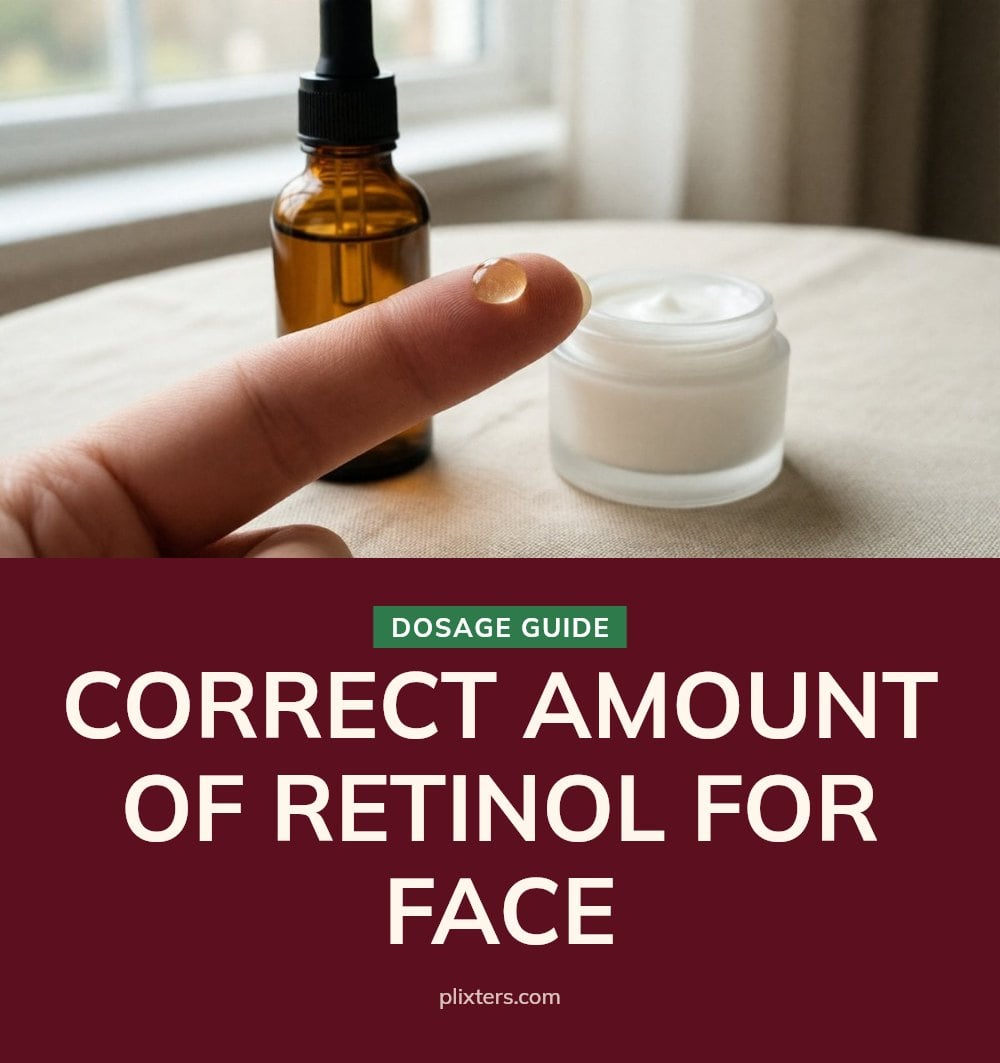
A pea-sized drop is all your entire face needs. That is roughly the size of a small green pea or a single pump from most serums. Using more does not speed up results, it only increases the chance of redness, peeling, and barrier damage. Consistent application with the right amount works better than heavy application once a week.
4. Apply Retinol at Night
Retinol can break down when exposed to sunlight, and it makes your skin more sensitive to UV rays. Applying it at night lets the ingredient work without competing with sun exposure. Make retinol the centerpiece of your evening routine, after cleansing and before moisturizer.
5. Follow with a Hydrating Moisturizer
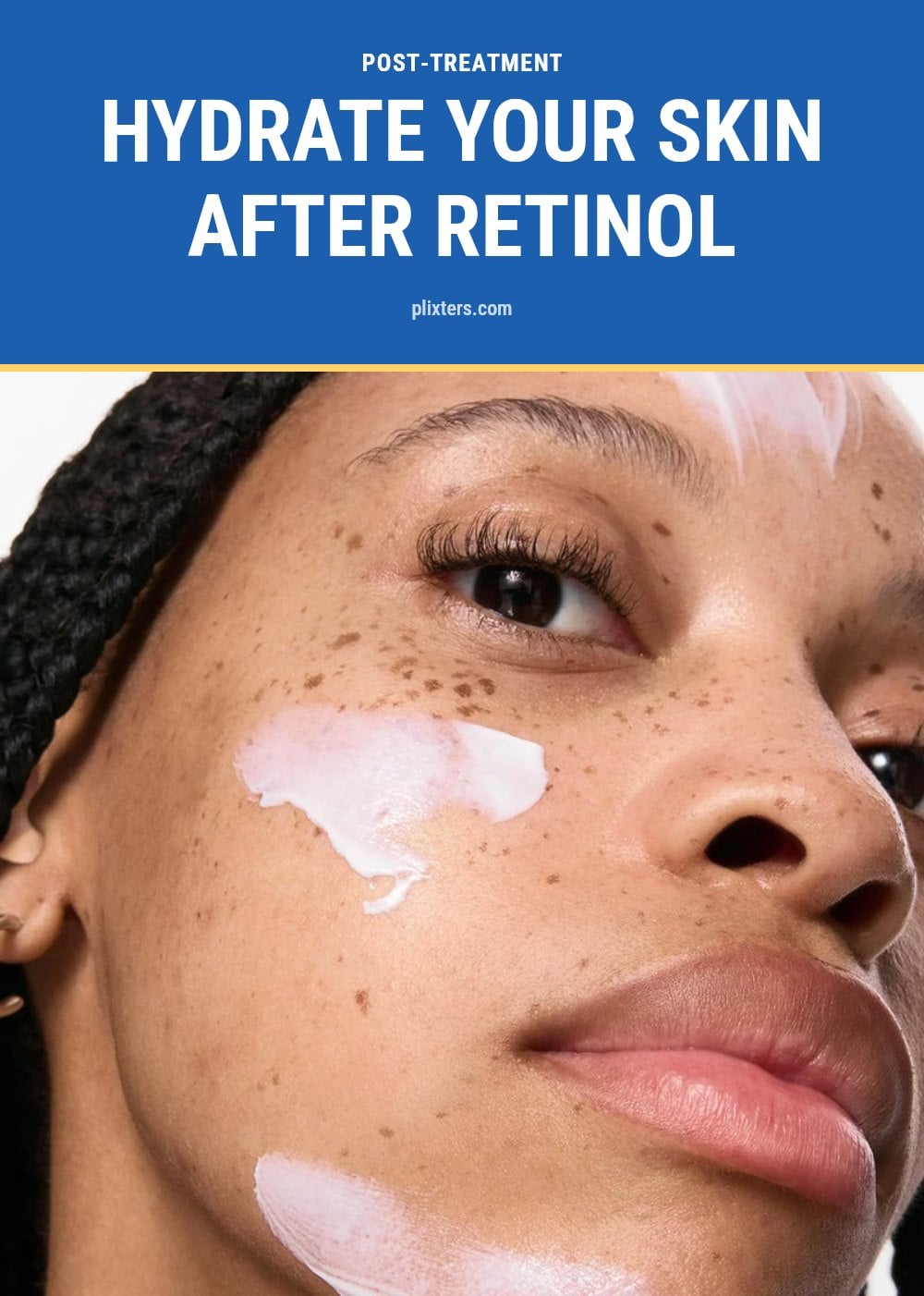
Retinol can leave skin dry and flaky, so always seal it in with a rich moisturizer. For sensitive skin or beginners, try the sandwich method: apply a layer of moisturizer, then retinol, then another layer of moisturizer. This creates a buffer that reduces the chance of irritation while still letting the retinol do its job.
6. Commit to Daily Sunscreen
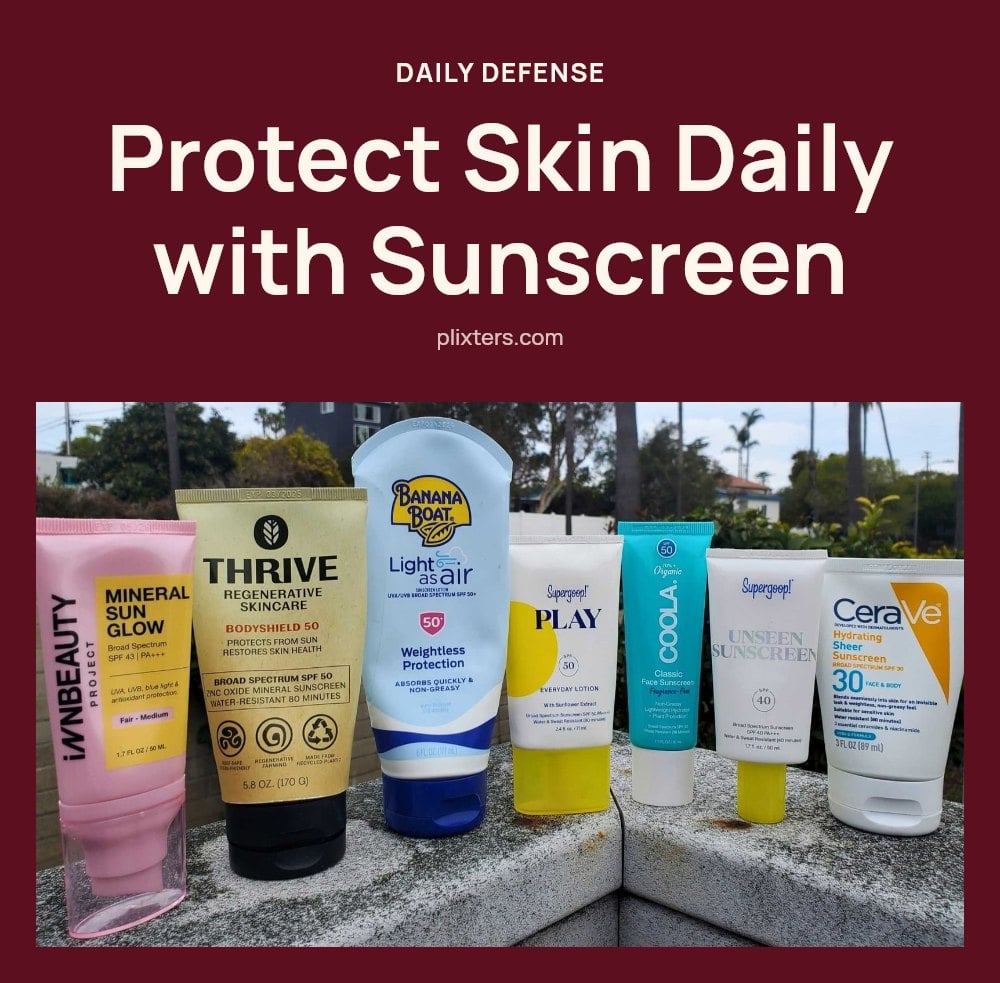
Retinol increases your skin’s sensitivity to the sun, so daily broad-spectrum sunscreen with at least SPF 30 is non-negotiable. Skipping it can undo your progress and lead to sun damage or hyperpigmentation. Tip: make sunscreen the last step of your morning routine, every single day, even when it’s cloudy or you’re staying indoors.
7. Avoid Other Harsh Actives
Avoid combining retinol with other strong exfoliating acids, like AHAs (glycolic, lactic) or BHAs (salicylic acid), especially at first. Using them together can over-exfoliate your skin, causing redness, peeling, and a compromised moisture barrier. Once your skin is fully acclimated to retinol after several months, you might cautiously introduce other actives on alternate nights, but always listen to your skin.
8. Be Patient and Consistent
Think of retinol as a long-term investment, not a quick fix. Visible improvements in texture and tone typically appear after 8-12 weeks of consistent use, with significant anti-aging benefits taking 6-12 months to fully develop. Consistency is what matters most; skipping applications or giving up during the initial adjustment period will slow your progress. Your skin needs time to build tolerance and respond to the increased cell turnover, so trust the process and stick with your routine.
9. Store Retinol Properly
Retinol can degrade quickly when exposed to light and heat, which reduces its effectiveness. Store your retinol products in a cool, dark place away from direct sunlight and humidity. A bathroom cabinet works well, but keep the bottle off the counter and out of any sunny windowsill. This simple habit ensures the ingredient stays potent for its entire shelf life.
10. Know When to Consult a Professional
If you experience severe redness, persistent burning, blistering, or extreme irritation that does not subside, stop using the product immediately. These signs may indicate an adverse reaction or that the concentration is too strong for your skin. A dermatologist can assess your skin’s condition and recommend a gentler alternative or, if appropriate, a prescription-strength retinoid. Do not push through serious discomfort.
11. Avoid During Pregnancy or Breastfeeding
Retinoids, including over-the-counter retinol, are generally not recommended during pregnancy or while breastfeeding due to potential risks to the fetus or infant. Even topical application can lead to absorption that may be harmful. If you are pregnant or nursing, err on the side of caution and avoid retinol entirely. Always check with your doctor before adding any new skincare product during this time.
Common Retinol Mistakes to Avoid
Starting too strong is the fastest way to ruin your retinol experience. Do not jump straight to a high concentration or daily use. Begin with a low percentage, such as 0.25%, and apply it every other night or twice a week.
Skipping sunscreen is a major mistake that can undo all your hard work. Never neglect daily broad-spectrum SPF 30+ sunscreen. Make it a non-negotiable part of your morning routine.
Applying retinol to damp skin dramatically increases irritation. Avoid putting it on right after washing your face. Wait until your skin is completely dry, about 15-20 minutes.
Using too much product does not speed up results. Do not think more is better. Use only a pea-sized amount for your entire face.
Giving up too soon is common but discouraging. Do not expect instant results or stop at the first sign of purging. Be patient and consistent; visible improvements take 8-12 weeks.
Combining retinol with other harsh actives can over-exfoliate your skin. Avoid layering it with strong exfoliants like AHAs or BHAs initially. Simplify your routine and, if your skin tolerates it, introduce other actives much later on alternate nights.
Frequently Asked Questions
How long does it take to see results from retinol?
Visible improvements in skin texture and tone typically appear after 8-12 weeks of consistent use. More significant anti-aging benefits, like reduced fine lines and increased firmness, often take 6-12 months to fully develop. Patience is key.
Can I use retinol every night?
Not at first. Start by applying retinol two to three times a week. Once your skin tolerates that well for a few weeks, you can gradually increase frequency. Some people with sensitive skin may never tolerate nightly use, and that is perfectly fine.
What is the difference between retinol and tretinoin?
Retinol is an over-the-counter retinoid that converts to retinoic acid in the skin, making it gentler. Tretinoin is a prescription-strength retinoid that is already in its active form, so it works faster but can cause more irritation. A dermatologist can help you decide which is right for you.
Can I use Vitamin C with retinol?
Yes, but not at the same time. Use vitamin C in your morning routine for antioxidant protection and retinol at night. Combining them in the same step can increase irritation. If your skin is sensitive, start by alternating days until you know how it reacts.
Why is my skin peeling after using retinol?
Peeling is a common initial side effect as retinol speeds up cell turnover. It usually subsides within 2-4 weeks as your skin adapts. To reduce peeling, try the sandwich method (moisturizer, retinol, moisturizer) and make sure you are not applying retinol to damp skin.
How much retinol should I apply?
A pea-sized amount is enough for your entire face. That is roughly the size of a small green pea or a single pump from most serums. Using more does not speed up results and only increases the risk of redness, peeling, and irritation.
Final Thoughts
My tip: pick one retinol product with a low concentration and stick with it for at least eight weeks before judging results. Expect visible improvements in texture and tone after 8-12 weeks, with more significant anti-aging benefits taking 6-12 months. Consistency and patience are your best allies for radiant skin.
This information is for general informational purposes only and does not constitute medical or dermatological advice. Retinol can cause skin irritation and increased sun sensitivity. If you experience severe redness, burning, or persistent irritation, or if you are pregnant or breastfeeding, consult a healthcare professional or dermatologist.




