
 Save
You’ve been running on empty for too long, and it’s taking a toll on your body, mind, and spirit. Burnout is more than just a rough week; it’s a state of deep exhaustion that can leave you feeling detached and cynical. The good news is that recovery is possible with the right approach. This article walks you through the signs of burnout, practical steps to reclaim your energy, and strategies to prevent it from returning.
Key Takeaways
- Recognize burnout as more than stress; it’s exhaustion, cynicism, and ineffectiveness.
- Prioritize 7-9 hours of sleep nightly for physical and mental recovery.
- Set firm boundaries between work and personal life to prevent relapse.
- Engage in regular physical activity you enjoy to reduce stress.
- Seek professional help if you experience hopelessness or thoughts of self-harm.
10 ideas in this post
- What is Burnout and Why Does It Happen?
- Recognizing the Signs of Burnout
- Practical Steps to Begin Your Burnout Recovery
- Common Burnout Recovery Mistakes to Avoid
- Essential Tools and Resources for Your Recovery Journey
- Strategies to Prevent Burnout From Returning
- Understanding the Timeline for Burnout Recovery
- When to Seek Professional Help for Burnout
- Frequently Asked Questions
- Final Thoughts
What is Burnout and Why Does It Happen?
Burnout is more than just being tired. It’s a state of emotional, physical, and mental exhaustion caused by prolonged or excessive stress. You might feel completely drained, detached from your responsibilities, cynical about your work, and as if nothing you do makes a difference. The World Health Organization classifies burnout as an occupational phenomenon, not a medical condition, meaning it results from chronic workplace stress that hasn’t been managed. But it doesn’t only come from a job. Caregiving, academic pressure, or any long-term stressor can trigger it. The core experience is the same: overwhelming exhaustion, a sense of ineffectiveness, and feeling disconnected from what you once cared about.
Recognizing the Signs of Burnout
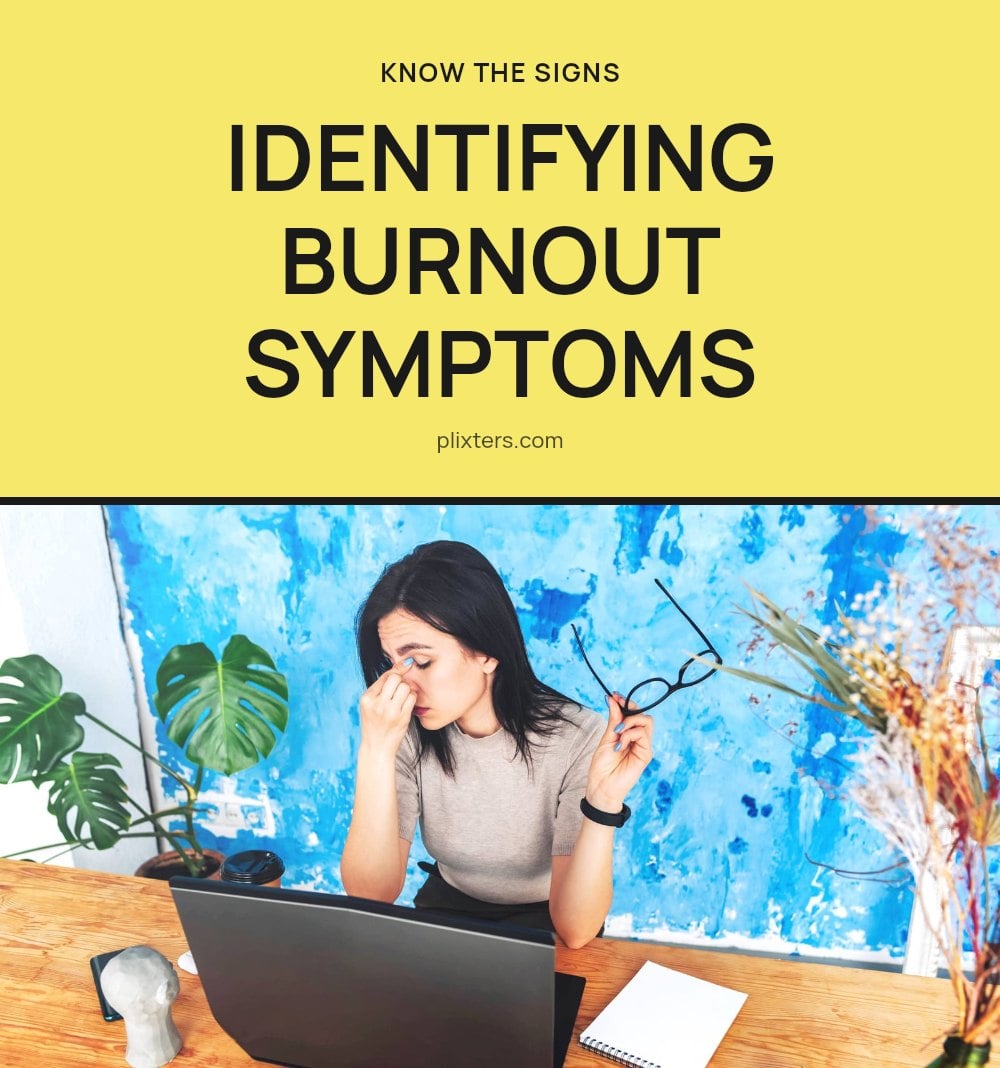
Physical Signs
- Chronic fatigue and insomnia: You feel exhausted even after sleeping, or you can’t fall or stay asleep.
- Frequent headaches or muscle pain: Ongoing tension shows up as physical discomfort.
- Decreased immunity: You get sick more often than usual.
- Loss of appetite: You skip meals or have no interest in food.
Emotional and Mental Signs
- Irritability and anxiety: Small things set you off, or you feel on edge constantly.
- Feelings of detachment or cynicism: You feel numb toward your responsibilities or the people around you.
- Depression: You experience persistent sadness or hopelessness.
- Sense of ineffectiveness: You feel like your efforts don’t matter or you’re not accomplishing anything.
Practical Steps to Begin Your Burnout Recovery
Recovering from burnout requires a multi-faceted approach. You can’t just rest for a weekend and expect to feel better. Start with these strategies.
- Prioritize genuine rest and sleep: Aim for 7-9 hours per night. Your body needs deep recovery, so make sleep a non-negotiable part of your routine.
- Set firm boundaries: Create clear separation between work and personal time. Turn off notifications after a certain hour. My tip: Use a physical timer to remind yourself to stop checking email in the evening.
- Engage in physical activity you enjoy: Exercise reduces stress hormones and boosts mood. It doesn’t have to be intense. A 20-minute walk, yoga, or dancing in your living room counts.
- Practice mindfulness or meditation: Even five minutes of deep breathing can calm your nervous system. Apps with guided sessions make it easy to start.
- Reconnect with hobbies that bring joy: Do something unrelated to your stressor. Reading, gardening, painting, or playing an instrument can restore your energy.
- Seek support: Talk to a trusted friend, family member, or therapist. You don’t have to figure this out alone.
- Delegate tasks and learn to say ‘no’: You can’t do everything. Hand off what you can and decline new commitments until you feel stable.
- Eat nutritious, balanced meals: Whole foods support your brain and body. Focus on protein, vegetables, and healthy fats to stabilize your energy.
Common Burnout Recovery Mistakes to Avoid
- Ignoring the signs: Don’t confuse burnout with simple stress. It won’t just disappear on its own. Address it early.
- Trying to ‘power through’: Pushing harder without making changes will only deepen the exhaustion. Fundamental lifestyle adjustments are necessary.
- Expecting a quick fix: A short vacation or a few days off won’t cure underlying causes. Recovery is a gradual process.
- Neglecting self-care: Prioritizing your well-being isn’t selfish. Skipping sleep, meals, or downtime prolongs the cycle.
- Failing to communicate: Keep your feelings to yourself and you miss out on support. Tell your employer, partner, or friends what you’re experiencing.
- Not seeking professional help: If symptoms are severe or persistent, a doctor or therapist can provide guidance you can’t get on your own.
Essential Tools and Resources for Your Recovery Journey
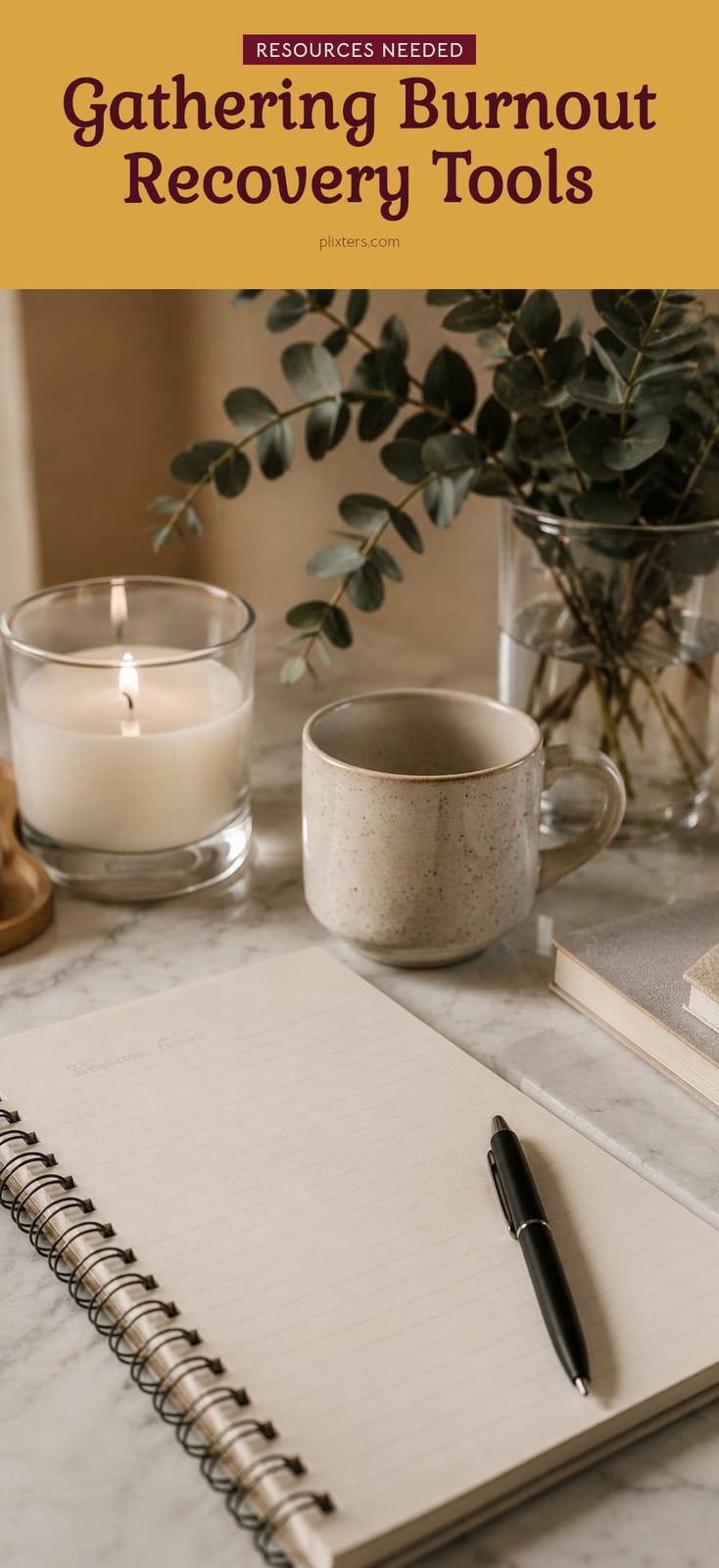
Having the right tools on hand makes the recovery process feel more manageable. A journal or planner helps you track your mood, spot patterns, and organize daily priorities. Meditation apps or audio guides give you a structured way to practice mindfulness without needing a teacher. Comfortable walking shoes remove the friction for getting outside and moving your body. Stock your kitchen with healthy meal ingredients like vegetables, whole grains, and lean protein to support your energy levels without extra effort. Books, craft supplies, or other hobby materials reconnect you with activities that bring genuine enjoyment. A therapist or counselor provides professional guidance when you need tailored support.
Strategies to Prevent Burnout From Returning

Once you feel better, the goal is to stay that way. These habits help you catch stress early and keep burnout from creeping back.
- Set boundaries consistently: Keep work hours separate from personal time. Log off at a set time and avoid checking emails after hours.
- Assess your workload regularly: Every few weeks, review what is on your plate. Delegate tasks that drain you and say no to new commitments that don’t align with your priorities.
- Maintain a self-care routine: Protect your sleep schedule (7-9 hours), move your body daily, and eat balanced meals even when things get busy.
- Cultivate a support system: Stay connected with friends, family, or trusted colleagues who listen without judgment.
- Engage in joyful activities: Schedule time for hobbies that have nothing to do with work or obligations.
- Monitor your stress level: Notice early warning signs like irritability, tension, or fatigue and address them with a short break or a conversation.
Understanding the Timeline for Burnout Recovery
Burnout recovery is not a linear process with a fixed deadline. For some people, noticeable improvement comes in a few weeks of focused rest and boundary-setting. For others, especially those with severe or long-standing burnout, it can take several months or longer. The key factors are the severity of your exhaustion and how consistently you implement lifestyle changes. Costs also vary widely. Journaling, walking, and home-cooked meals cost little to nothing. Therapy sessions or professional coaching add financial investment but can speed progress for many people.
When to Seek Professional Help for Burnout
Most burnout can be managed with rest, boundaries, and support, but some situations require a professional. Seek immediate help if you experience persistent hopelessness, severe anxiety, or thoughts of self-harm. Call a crisis line or visit an emergency room. Schedule a doctor’s appointment to rule out underlying medical conditions like thyroid disorders or vitamin deficiencies, since burnout symptoms can mimic these. A mental health professional is recommended if your symptoms are severe, last for months, or interfere with your ability to function at work or home. Be alert to increasing reliance on alcohol, caffeine, or sedatives to get through the day; this pattern is a clear signal to seek professional guidance.
Frequently Asked Questions
How long does it typically take to recover from burnout?
Recovery time varies widely. Some people see improvement within a few weeks of focused rest and boundary-setting, while others, especially those with severe or long-standing burnout, may need several months or longer. The key is to be patient and consistent with your recovery strategies.
Can burnout lead to serious health problems?
Yes, chronic burnout can affect your physical health. It may weaken your immune system, increase the risk of frequent illnesses, and contribute to headaches, muscle pain, and sleep disturbances. Over time, unmanaged stress can also raise the risk of more serious conditions, so it’s important to address burnout early.
Is burnout the same as depression?
No, they are different. Burnout is an occupational phenomenon resulting from chronic workplace stress, while depression is a medical condition that affects mood, thoughts, and daily functioning. However, burnout can mimic or coexist with depression, so if you’re unsure, consult a healthcare professional for an accurate assessment.
What is the first step to addressing burnout?
The first step is to acknowledge that you’re experiencing burnout, not just ordinary stress. Then, take a step back to rest and create space from the source of stress. This might mean taking time off work, delegating responsibilities, or setting immediate boundaries to reduce your load.
Can I prevent burnout from happening again?
Yes, prevention is possible with consistent habits. Set clear boundaries between work and personal life, log off at a set time, and avoid checking emails after hours. Regularly engage in physical activity, practice mindfulness, and reconnect with hobbies that bring you joy. These habits help you catch stress early and maintain resilience.
What if my job is the main cause of my burnout?
If your job is the primary source, you may need to consider changes at work. This could include discussing your workload with your employer, requesting flexible hours, or exploring other roles. In some cases, a career change might be necessary. While you decide, focus on self-care and seek support from a therapist to navigate this transition.
Final Thoughts
Recovery from burnout is a gradual process that requires patience and self-compassion. Start by prioritizing rest, setting boundaries, and reconnecting with activities that bring you joy. Don’t expect overnight results; noticeable improvement can take weeks, and full recovery may take several months. If symptoms persist or worsen, don’t hesitate to consult a doctor or mental health professional. Your well-being is worth the effort.
This article is for general information only and is not a substitute for professional medical or mental health advice. If you are experiencing persistent or severe symptoms, or if you have thoughts of self-harm, please consult a doctor or mental health professional.




