 Save
Waking up with a puffy face is frustrating, but it’s usually just fluid retention or inflammation from last night’s dinner or how you slept. The good news is that simple at-home tricks can bring the swelling down fast. This article covers 10 quick, effective ways to depuff your face in the morning and what lifestyle habits can help prevent it from happening again.
Key Takeaways
- Use a cold compress or ice roller for 5 to 10 minutes to constrict blood vessels and reduce swelling.
- Gently massage your face with upward and outward strokes to stimulate lymphatic drainage.
- Start your morning with a full glass of water to help flush out excess sodium.
- Elevate your head 4 to 6 inches during sleep to prevent fluid pooling in your face.
- See a doctor if puffiness is persistent, sudden, or accompanied by pain or difficulty breathing.
13 ideas in this post
- Why Your Face Gets Puffy and How to Fix It Fast
- 1. Apply a Cold Compress or Ice Roller
- 2. Try Gentle Facial Massage
- 3. Hydrate with Plenty of Water
- 4. Elevate Your Head During Sleep
- 5. Incorporate a Facial Roller or Gua Sha
- 6. Watch Your Sodium Intake
- 7. Limit Alcohol Consumption
- 8. Ensure Adequate Sleep
- 9. Consider Allergy Triggers
- When to Consult a Doctor About Facial Puffiness
- Frequently Asked Questions
- Final Thoughts
Why Your Face Gets Puffy and How to Fix It Fast
Waking up with a puffy face is usually caused by fluid retention, inflammation, or lifestyle factors like what you ate and how you slept. When you lie flat, fluid can pool in your facial tissues, especially if you had a salty meal or alcohol the night before. Quick fixes like a cold compress, gentle massage, and drinking water can reduce swelling by constricting blood vessels and improving circulation. For long-term prevention, focus on lowering sodium intake and getting consistent, quality sleep.
1. Apply a Cold Compress or Ice Roller

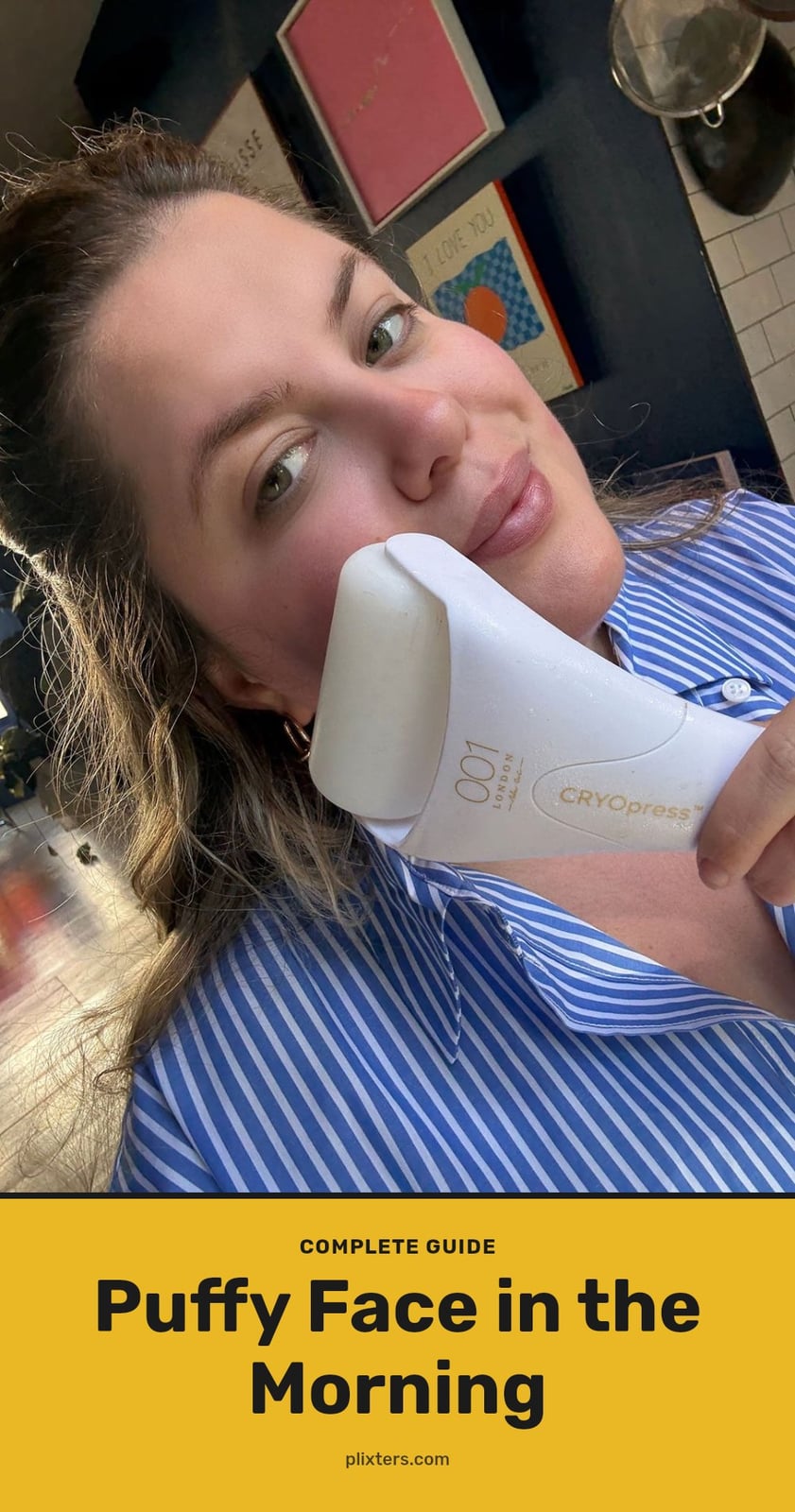
A cold compress or ice roller constricts blood vessels on contact, which reduces swelling and numbs the area for immediate relief. My tip: Gently roll or press the cold tool across your face for 5 to 10 minutes, moving from the center outward. If you use ice directly, always wrap it in a thin cloth to prevent ice burn. You can also use chilled cucumber slices or refrigerated tea bags as a gentler alternative.
2. Try Gentle Facial Massage

Gentle facial massage stimulates your lymphatic system, which helps drain the excess fluid that causes puffiness. Use your fingertips or a facial roller to make slow, upward and outward strokes along your jawline, cheeks, and under your eyes. Tip: Always move from the center of your face toward your ears and down your neck to follow the natural lymph flow. Avoid pressing too hard to prevent bruising or irritation.
3. Hydrate with Plenty of Water
Drinking more water may seem like it would add to puffiness, but it actually helps your body flush out excess sodium that holds onto fluid. My tip: Start your morning with a full glass of water to kickstart your system, then sip water consistently throughout the day. Aim for at least 8 glasses daily, and increase intake if you had a salty meal or alcohol the night before.
4. Elevate Your Head During Sleep
Adding an extra pillow or using a wedge pillow keeps your head slightly elevated while you sleep. This position lets gravity prevent fluid from pooling in your face overnight. A 4- to 6-inch elevation is usually enough to make a difference.
5. Incorporate a Facial Roller or Gua Sha
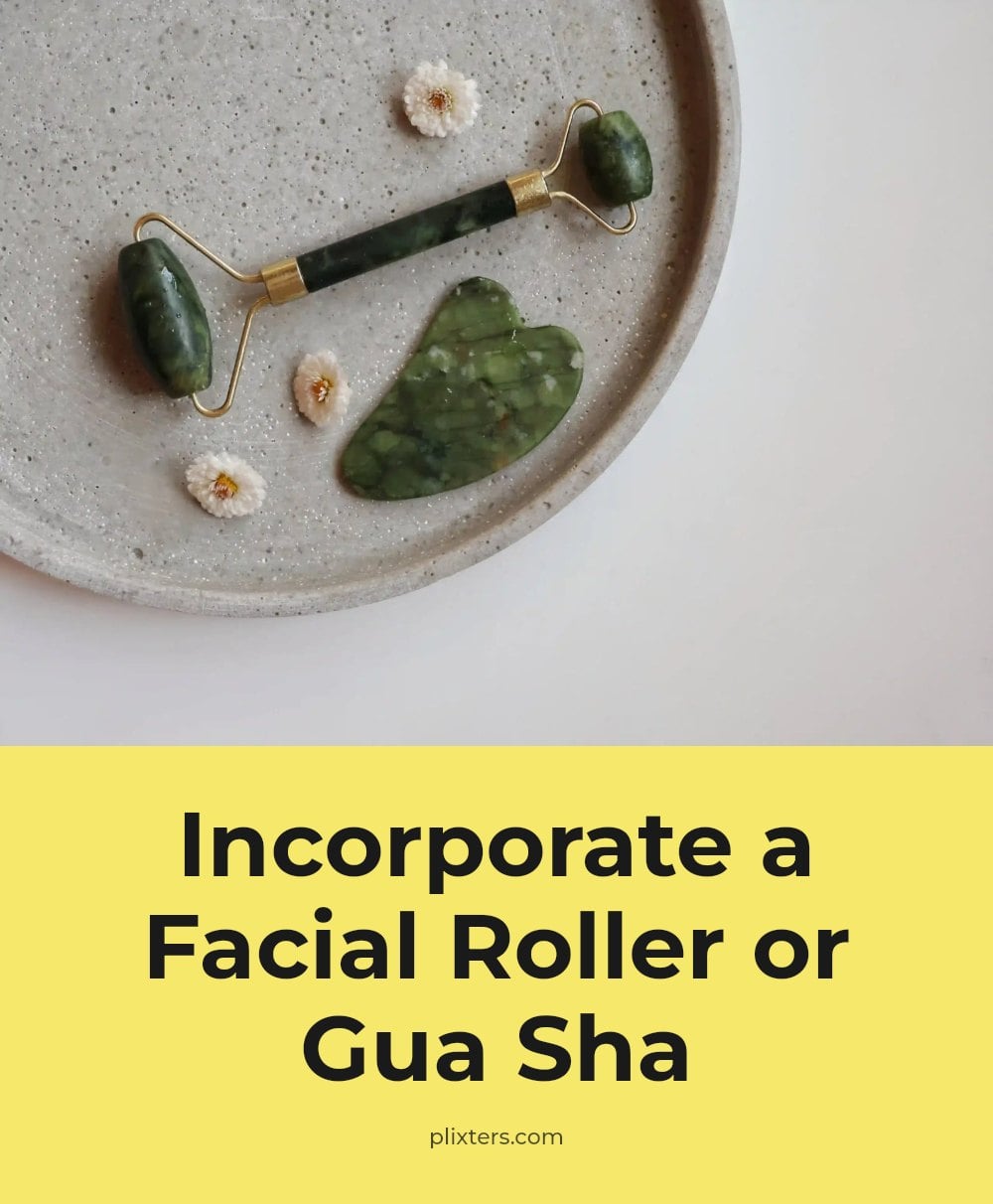
A facial roller or gua sha tool works like manual massage but adds a cooling benefit if you store them in the fridge. The cold helps constrict blood vessels while the rolling or scraping motion encourages lymphatic drainage. Technique: Start at the center of your face and move outward and upward in gentle strokes. Repeat each stroke 3-5 times per area.
6. Watch Your Sodium Intake
High sodium intake makes your body hold onto water, and that fluid often shows up as facial puffiness. Tip: Pay attention to salty snacks, processed meats, and restaurant meals, especially in the evening. Cutting back on sodium at dinner can significantly reduce swelling by morning.
7. Limit Alcohol Consumption
Alcohol dehydrates you, and in response your body may retain fluid to compensate, a paradox that leaves your face looking puffy. Tip: If you drink, do so earlier in the evening and pair each alcoholic beverage with a glass of water. Reducing alcohol intake, especially before bed, helps prevent this fluid shift.
8. Ensure Adequate Sleep
Poor sleep quality or not getting enough sleep can impair your circulation and slow down lymphatic drainage, both of which help clear excess fluid from your face. When those systems aren’t working efficiently, puffiness becomes more noticeable. Aim for 7-9 hours of quality sleep each night. Consistent sleep helps your body regulate fluids and reduces the chance of waking up with a swollen face.
9. Consider Allergy Triggers
Allergies, whether seasonal or from food, can cause inflammation that leads to facial swelling. If you notice puffiness that comes and goes with certain exposures, an allergy might be the trigger. Identifying and avoiding the allergen can help. For some, over-the-counter antihistamines may reduce the reaction, but check with a doctor before starting any new medication.
When to Consult a Doctor About Facial Puffiness
Most facial puffiness is temporary and harmless, but some cases need a doctor’s attention. See a healthcare professional if your puffiness is persistent, gets worse, appears suddenly without a clear cause, or is accompanied by pain, redness, itching, fever, or difficulty breathing. These symptoms could point to an underlying condition like kidney issues, thyroid problems, severe allergies, or an infection that requires proper diagnosis and treatment. Do not try to self-diagnose.
Frequently Asked Questions
Why is my face suddenly puffy?
Sudden puffiness is often linked to what you ate or drank the night before, like a high-sodium meal or alcohol. It can also be triggered by allergies, poor sleep, or sleeping face down. If it appears out of nowhere and is severe or painful, it’s best to check with a doctor.
Can drinking more water make my face less puffy?
Yes, staying well-hydrated helps your body flush out excess sodium, which reduces fluid retention. It may seem counterintuitive, but drinking enough water actually helps prevent puffiness rather than causing it. Start your day with a glass of water and sip consistently throughout the day.
Does sleep position affect facial puffiness?
Yes, sleeping flat on your back or face down allows fluid to pool in your facial tissues overnight. Elevating your head with an extra pillow or a wedge pillow by 4 to 6 inches uses gravity to keep fluid from settling in your face, which can noticeably reduce morning puffiness.
How long does it take for facial puffiness to go away?
Quick remedies like a cold compress or facial massage can show visible results within 10 to 30 minutes. However, if puffiness is caused by a salty meal or alcohol, it may take a few hours for your body to naturally rebalance. Consistent lifestyle changes are needed to prevent it from recurring.
Can allergies cause a puffy face?
Yes, seasonal or food allergies can trigger inflammation that leads to facial swelling. If you notice puffiness that comes and goes with certain exposures, an allergy might be the cause. Identifying and avoiding the allergen can help, and some people find relief with over-the-counter antihistamines.
Final Thoughts
For the fastest results, reach for a cold compress or ice roller first thing, then follow up with a gentle facial massage. Keep in mind that while these quick fixes can visibly reduce puffiness in 10 to 30 minutes, long-term prevention comes from consistent habits like staying hydrated, limiting sodium and alcohol, and getting quality sleep. A few small changes can make a big difference in how your face looks each morning.
This article is for general informational purposes only and does not constitute medical advice. If you have persistent, severe, or sudden facial puffiness, or if it is accompanied by pain, redness, or difficulty breathing, consult a healthcare professional for a proper evaluation.