
 Save
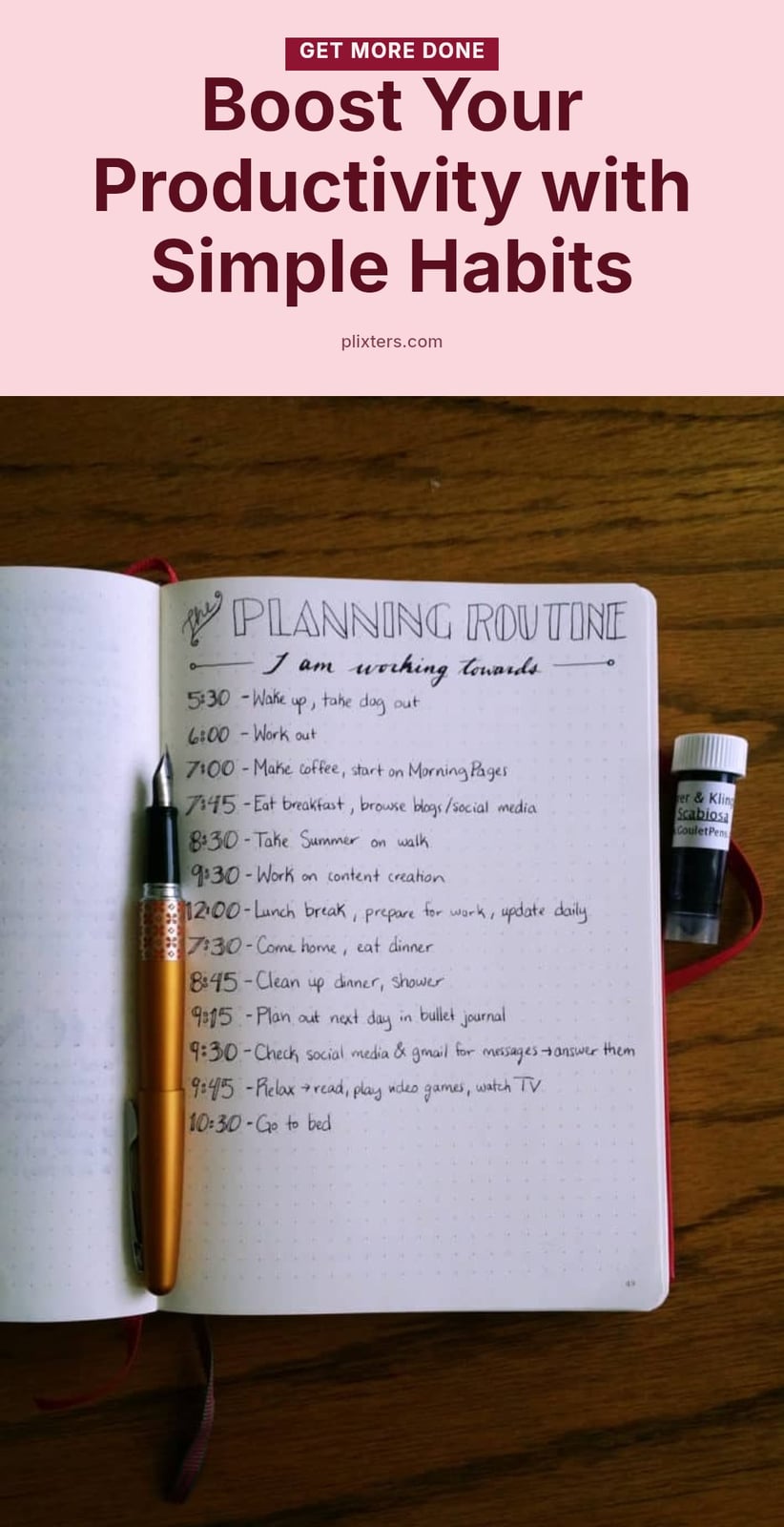
If you often feel overwhelmed by your to-do list and struggle to get through the day, you’re not alone. The secret isn’t working more hours, it’s working smarter with a few intentional habits. This article covers 15 simple, science-backed ways to plan your time, stay focused, and protect your energy so you can actually accomplish what matters most.
Key Takeaways
- Plan your top three priorities the night before to reduce decision fatigue.
- Use the Pomodoro Technique: 25 minutes of focused work followed by a 5-minute break.
- Turn off digital notifications to avoid interruptions during deep work sessions.
- Tackle your Most Important Tasks (MITs) first thing in the morning.
- Get 7-9 hours of sleep and stay hydrated to support cognitive function.
18 ideas in this post
- What is Productivity, Really?
- 1. Plan Your Day the Night Before
- 2. Identify Your Most Important Tasks (MITs)
- 3. Use the Pomodoro Technique
- 4. Create a Dedicated Workspace
- 5. Batch Similar Tasks Together
- 6. Minimize Digital Notifications
- 7. Practice the ‘Two-Minute Rule’
- 8. Set SMART Goals
- 9. Take Regular Short Breaks
- 10. Prioritize Sleep and Hydration
- 11. Incorporate Physical Activity
- 12. Eat Balanced Meals
- 13. Delegate When Appropriate
- 14. Review Your Progress Regularly
- Common Productivity Mistakes to Avoid
- Frequently Asked Questions
- Final Thoughts
What is Productivity, Really?
Productivity is about working smarter, not harder, to actually reach your goals. It comes down to intentional habits like planning your day, managing your time, and prioritizing what truly matters. My goal is to optimize my daily output without burning out, so I feel a real sense of accomplishment at the end of the day, not just exhaustion.
1. Plan Your Day the Night Before
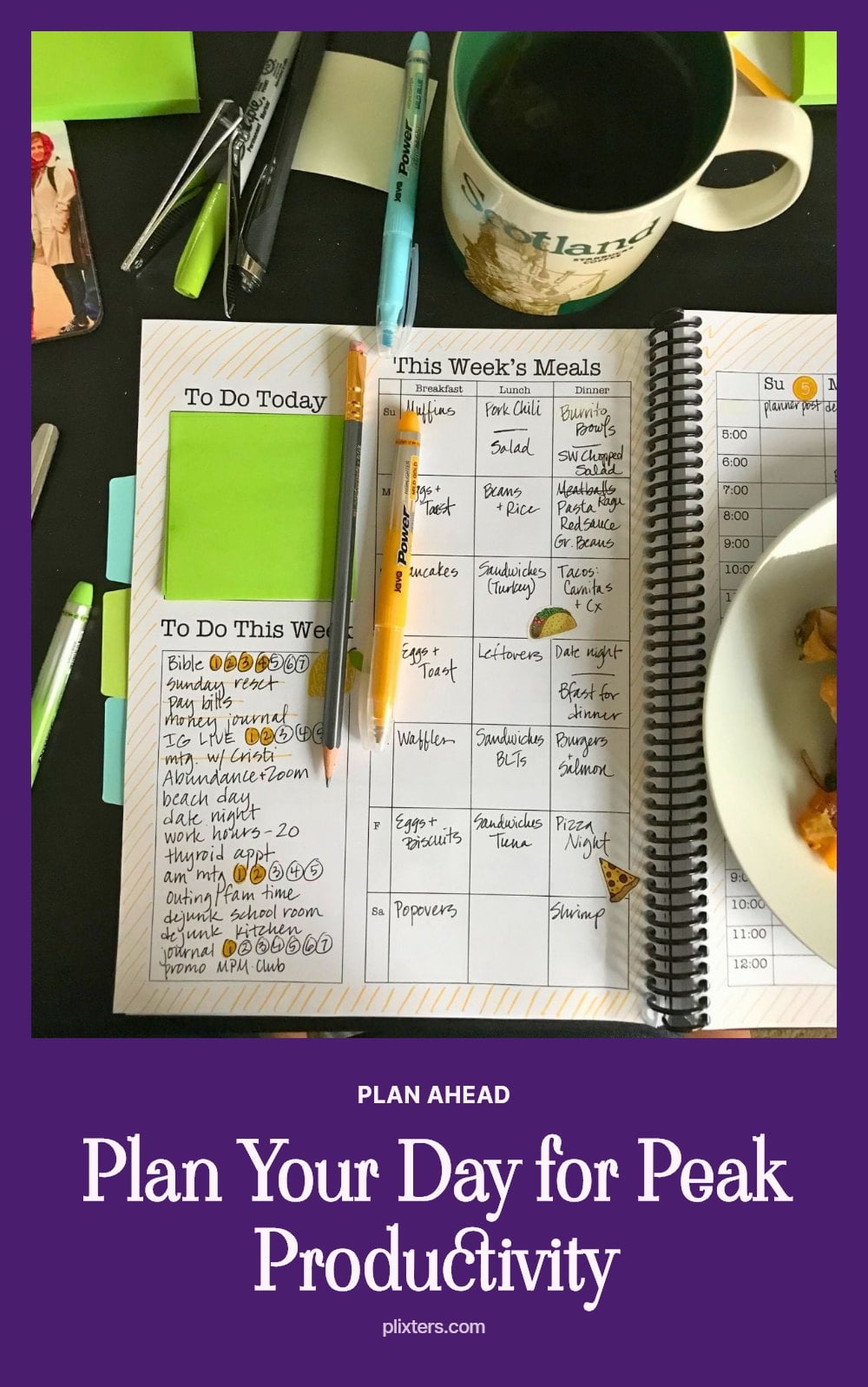
Before you close your laptop for the night, spend five minutes writing down your top three priorities for tomorrow. This simple habit sets a clear intention and cuts down on decision fatigue when you start your day.
My tip: I always feel more in control when I know what’s coming. Keep the list on your nightstand or in a planner so it’s the first thing you see.
2. Identify Your Most Important Tasks (MITs)
Pick one to three tasks that will make the biggest difference in your day or week. These are your Most Important Tasks (MITs). Tackle them first, when your energy and focus are at their highest.
The Eisenhower Matrix (urgent/important) helps you decide which tasks belong here. Draw a simple grid and sort your to-dos, then start with the quadrant that says “urgent and important.”
3. Use the Pomodoro Technique

Set a timer for 25 minutes and work on a single task with no interruptions. When the timer rings, take a five-minute break. This is the Pomodoro Technique, and it keeps your brain fresh by breaking work into short, manageable chunks.
My tip: Pomodoro helps you stay on track by maintaining concentration and preventing burnout. After four cycles, take a longer break of 15-30 minutes to recharge.
4. Create a Dedicated Workspace

Set up one spot in your home that you use only for work. Keep it clear of clutter, papers, and anything unrelated to your task. A tidy environment helps you think more clearly and focus better. Your brain learns to associate that space with concentration, so when you sit down, you’re ready to work.
5. Batch Similar Tasks Together
Group similar activities like answering emails, returning calls, or scheduling appointments into one block of time. Switching between different types of tasks forces your brain to constantly refocus, which drains mental energy and slows you down. Tip: I dedicate specific blocks of time just for emails, and it’s a game-changer. You’ll finish faster and feel less scattered.
6. Minimize Digital Notifications

Turn off notifications from apps, social media, and email on your phone and computer. Every ping or pop-up pulls your attention away from what you’re doing, and it can take several minutes to fully refocus. Use ‘Do Not Disturb’ mode during deep work sessions so you control when you check messages, not the other way around.
7. Practice the ‘Two-Minute Rule’
If a task will take less than two minutes, do it right away. Respond to a quick text, file a document, or wipe down a counter. This prevents small chores from piling up into a mountain that feels overwhelming. Each quick win clears mental space and keeps your to-do list manageable.
8. Set SMART Goals
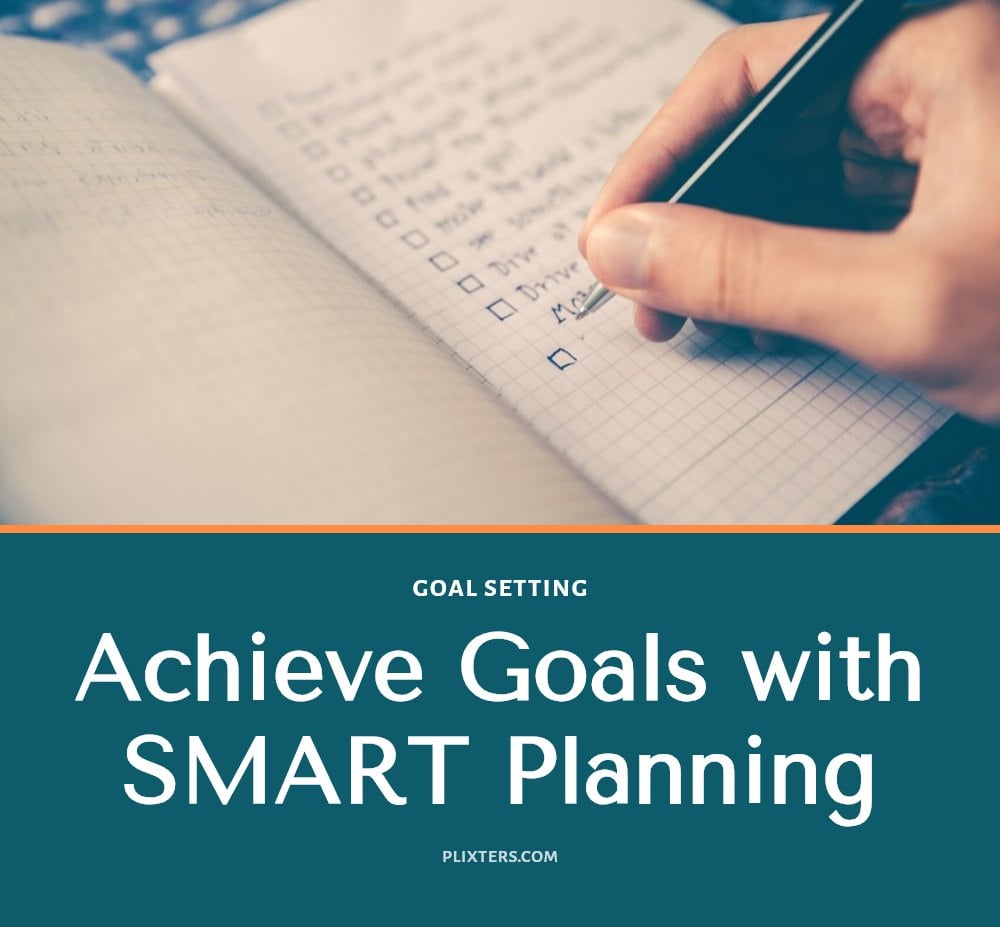
Set goals that are Specific, Measurable, Achievable, Relevant, and Time-bound. A vague goal like “get organized” is harder to tackle than “clear my desk and file all papers by Friday.” This framework gives you a clear target and a deadline, making it easier to prioritize and stay motivated.
- Specific: Define exactly what you want to accomplish.
- Measurable: Track your progress with a concrete metric.
- Achievable: Keep it realistic given your current resources.
- Relevant: Align it with your broader priorities.
- Time-bound: Set a deadline to create urgency.
9. Take Regular Short Breaks

Step away from your work every 25 minutes using the Pomodoro Technique, or take a short break every hour as a general guideline. A brief pause prevents mental fatigue and helps you return with better focus. Without these pauses, your concentration drops and burnout creeps in.
Good to know: A quick stretch or a walk to grab water does wonders. Set a timer if you tend to lose track of time during breaks.
10. Prioritize Sleep and Hydration
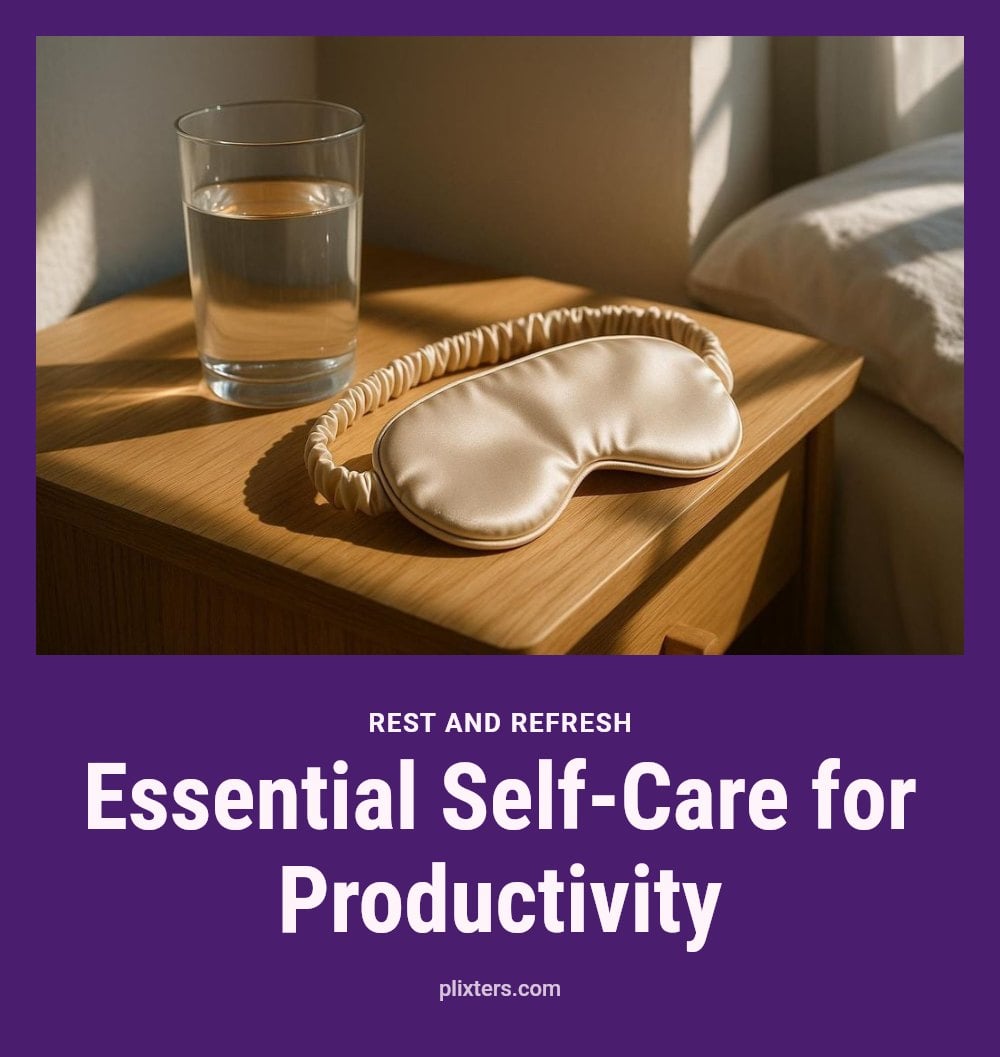
Aim for 7-9 hours of sleep each night to keep your brain sharp and your concentration high. Even mild dehydration can impair focus and slow you down, so drink water consistently throughout the day. These two habits are the foundation for sustained energy and productivity, without them, other strategies fall flat.
11. Incorporate Physical Activity
Regular exercise boosts your energy, lowers stress, and clears your mind. You don’t need a long workout, even a 20-minute walk can sharpen your cognitive function and help you tackle tasks more effectively.
Pro move: I try to get at least 20 minutes of movement in daily, it makes a huge difference. Schedule it like any other priority.
12. Eat Balanced Meals
Fuel your body with balanced meals to keep your energy steady throughout the day. A mix of protein, healthy fats, and complex carbs (like eggs with avocado toast or a quinoa bowl) provides lasting fuel. Sugary snacks and too much caffeine give you a quick spike, then a crash that leaves you foggy and unfocused.
- Include protein at every meal to stabilize blood sugar.
- Pair carbs with fat or protein to slow digestion.
- Drink water with meals, hydration also affects concentration.
13. Delegate When Appropriate
Look at your to-do list and ask which tasks someone else could handle. Delegating isn’t about avoiding work, it’s about putting your energy where it matters most. Handing off routine reports, scheduling, or research frees you to focus on high-impact responsibilities that only you can do.
- Be clear about what you need and set a deadline.
- Trust the person to complete it, avoid micromanaging.
- Start with one small task to build confidence in the process.
14. Review Your Progress Regularly
At the end of each day or week, pause to look at what you actually finished. This review shows you what worked, what didn’t, and where to adjust your plan for tomorrow. It also gives you a sense of closure, which keeps you motivated to keep going.
Quick tip: Celebrating small wins, like finishing a tough task or sticking to your schedule, keeps me going. Even a mental note of “I did that” builds momentum for the next day.
Common Productivity Mistakes to Avoid
Working Longer Hours Isn’t Always More Productive: Quality beats quantity. Focus on completing high-impact tasks efficiently rather than just clocking more time at your desk.
Confusing Busyness with Productivity: Being constantly busy doesn’t mean you’re making progress. Prioritize meaningful work over filling your day with low-value tasks.
Skipping Breaks Leads to Burnout: Regular short breaks are essential for maintaining focus and preventing mental fatigue. Don’t push through without them, step away for a few minutes.
Multitasking Reduces Efficiency for Complex Tasks: Focus on one complex task at a time. Context switching wastes time and lowers quality, but combining a low-cognitive task (like folding laundry) with a routine physical activity (like listening to a podcast) can be acceptable. For focused work, finish one thing before starting another.
Neglecting Self-Care: Sleep, nutrition, and exercise aren’t optional extras. They are foundational for sustained energy and clear thinking, so prioritize them daily.
Overscheduling Your Day: Leave buffer time for unexpected tasks or deep work. A packed schedule leaves no room for flexibility or focused effort.
Frequently Asked Questions
What is the best way to start a productive day?
The best way is to plan your top three priorities the evening before so you wake up with a clear direction. Then tackle your most important task first, when your energy and focus are highest.
How can I maintain focus throughout the day?
Use the Pomodoro Technique to work in short, focused intervals, and take regular breaks to prevent mental fatigue. Also, minimize digital notifications and create a dedicated workspace to reduce distractions.
Is multitasking ever a good idea?
No, multitasking usually reduces efficiency because switching between tasks costs mental energy and time. It’s better to focus on one task at a time, especially for high-priority work.
How do I prioritize tasks effectively?
Use the Eisenhower Matrix to sort tasks by urgency and importance, then identify your Most Important Tasks (MITs) for the day. Focus your energy on the tasks that have the biggest impact on your goals.
What role does self-care play in productivity?
Self-care is foundational. Adequate sleep (7-9 hours), balanced meals, regular physical activity, and staying hydrated directly support your brain’s ability to concentrate, manage stress, and sustain energy throughout the day.
Final Thoughts
Start with just one or two habits that feel easiest to you, like planning your day the night before or taking short breaks using the Pomodoro Technique. Over several weeks of consistent practice, you’ll likely notice a real shift in how much you get done and how you feel at the end of the day. The key is to keep it simple and build from there.




