
 Save
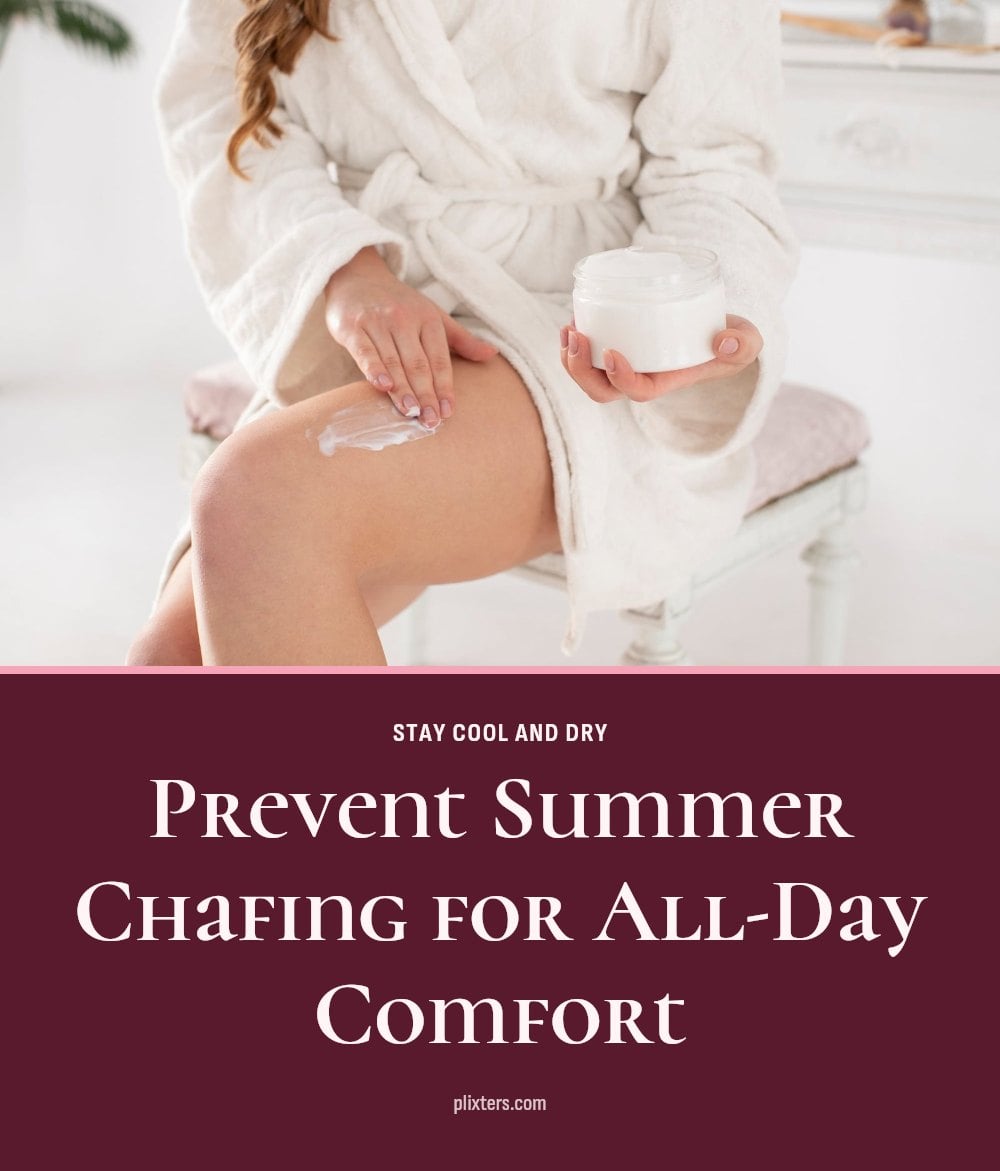
Nothing ruins a summer day like that familiar sting of chafed skin. Whether it’s from a long walk, a day at the beach, or just the humidity, that raw, irritated feeling is something you want to avoid. This article covers what causes chafing, how to prevent it with the right products and clothing choices, and what to do if you’re already dealing with it.
Key Takeaways
- Apply a protective barrier like anti-chafing balm or petroleum jelly before activity.
- Wear moisture-wicking synthetic fabrics instead of cotton during exercise.
- Use cornstarch or talcum powder to absorb moisture in prone areas.
- Address early signs of redness or stinging immediately to prevent worsening.
- Consult a doctor if chafing leads to open sores, bleeding, or signs of infection.
9 ideas in this post
What is Chafing and Why Does it Happen?
Chafing is skin irritation caused by repetitive friction, and moisture or heat makes it worse. You’ll notice it most where skin rubs against skin or clothing, like the inner thighs or underarms. The key to prevention is reducing friction and managing moisture before it starts.
Understanding the Causes of Chafing
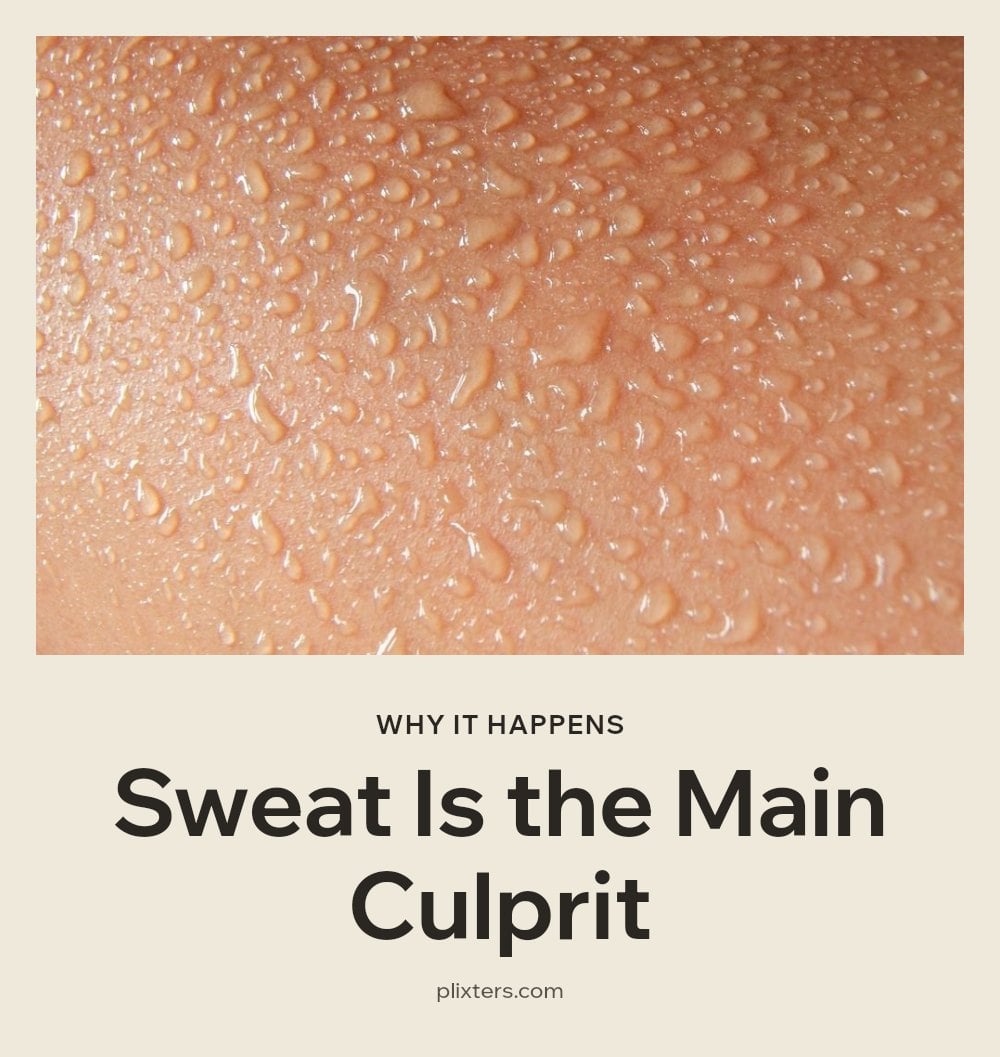
Understanding the Causes of Chafing
Sweat and humidity strip the skin of its natural lubrication, which allows friction to build up faster. Rough or ill-fitting clothing rubs against the skin repeatedly, making that friction worse. Activities like running or cycling increase both sweat and movement, creating the perfect setup for irritation. Certain areas are especially vulnerable because skin presses against skin: the inner thighs, groin, underarms, nipples, and beneath bra lines are all common spots.
Your Essential Anti-Chafing Toolkit
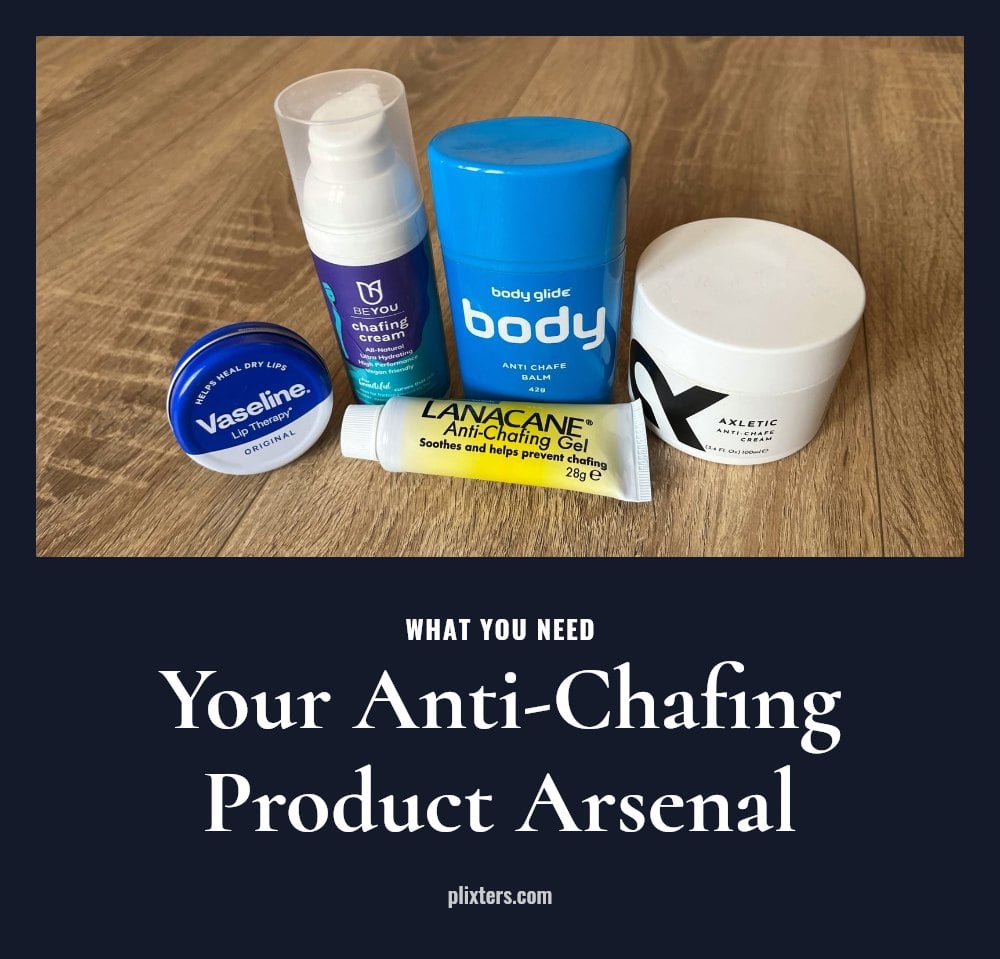
Your Essential Anti-Chafing Toolkit
- Anti-chafing balms or sticks create a protective barrier that stops friction before it starts.
- Petroleum jelly reduces friction and gives a smooth glide on prone areas.
- Cornstarch or talcum powder absorbs moisture and keeps skin dry.
- Moisture-wicking fabrics pull sweat away from the skin instead of holding it.
- Compression shorts or bike shorts prevent skin-on-skin rubbing during activity.
Effective Methods to Prevent Chafing
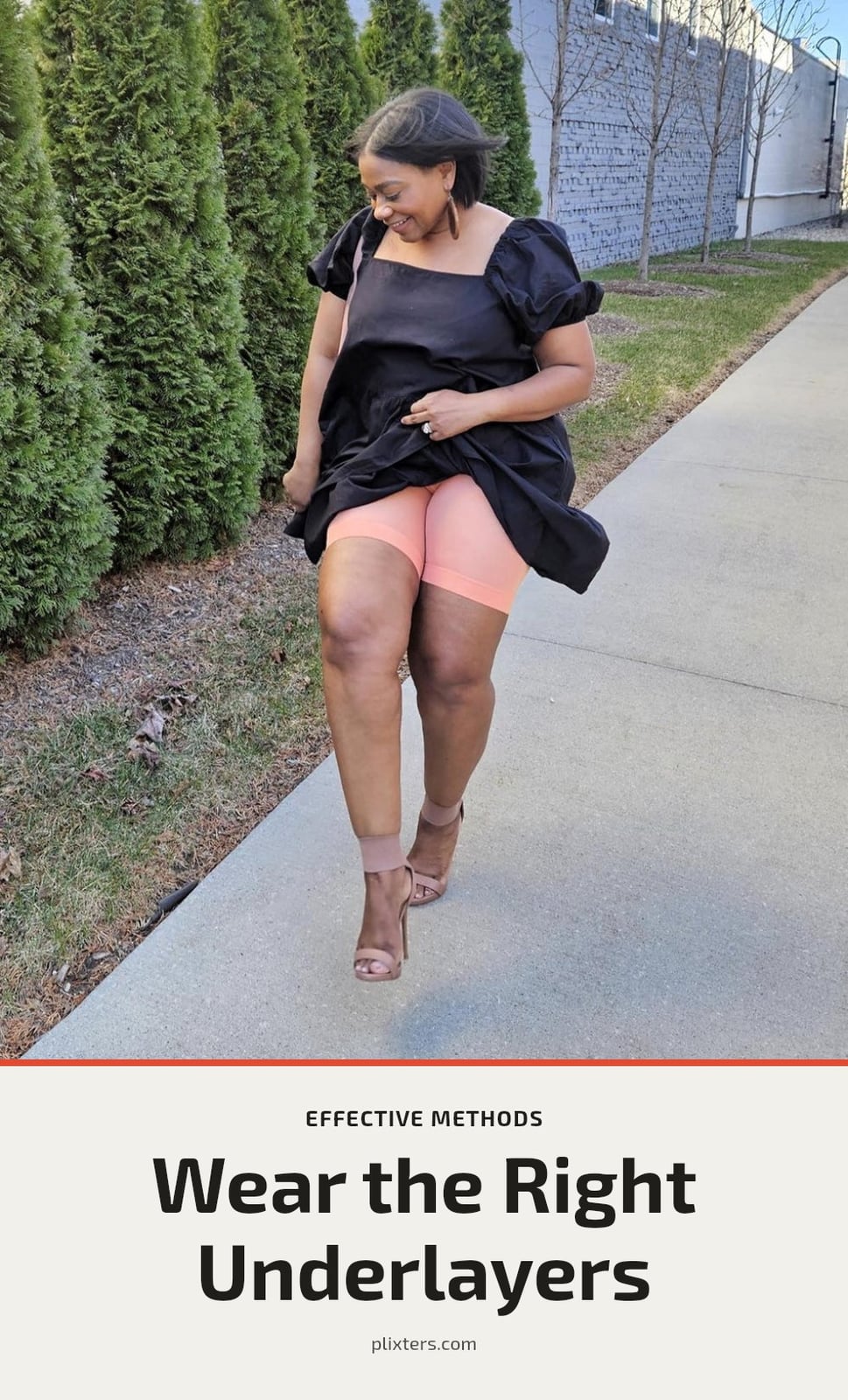
Effective Methods to Prevent Chafing
Apply a protective barrier before activity: Use an anti-chafing balm, stick, or petroleum jelly on areas where you know friction happens. Do this before you dress or head out, so the product has time to set.
Choose moisture-wicking fabrics: Synthetic blends pull sweat away from your skin. Save cotton for lounging, not for exercise or hot days, because cotton traps moisture and increases rubbing.
Wear appropriate clothing: Compression shorts or bike shorts under skirts or shorts stop skin-on-skin contact. Seamless garments also reduce irritation from rough stitching. Tip: Avoid anything too loose, since extra fabric can move and rub more.
Keep skin clean and dry: Wash prone areas with mild soap and pat them dry before applying any product. Focus on skin folds where moisture collects.
Use powders to absorb moisture: Cornstarch or talcum powder can be dusted on dry skin to keep it from getting slick. Caution: Do not use powders on broken skin, as they can cause further irritation.
Common Chafing Mistakes to Avoid
Mistake: Wearing cotton for physical activity traps moisture against your skin, which increases friction and irritation. Choose moisture-wicking fabrics instead. Mistake: Ignoring early signs of redness or stinging allows chafing to worsen. Address it as soon as you notice it. Mistake: Using non-specialized lotions for prevention provides inadequate protection. Stick to anti-chafing balms or petroleum jelly. Mistake: Assuming all tight clothing prevents chafing. Seams on tight garments can rub and cause irritation, so look for seamless options. Mistake: Applying occlusive products to broken skin can trap bacteria and delay healing. Use only gentle creams on irritated skin.
Soothing and Healing Already Chafed Skin
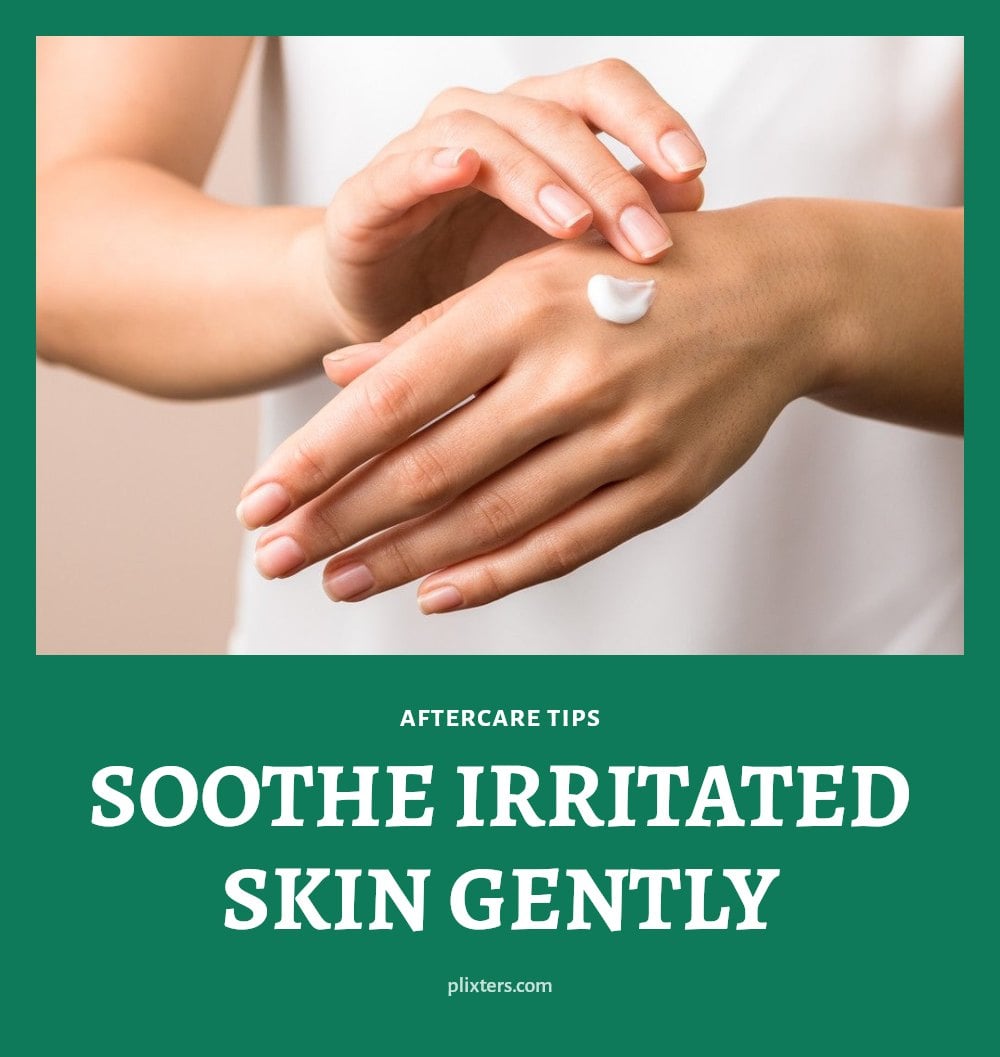
Gently clean the affected area with mild soap and pat dry with a soft towel. Apply a soothing, non-greasy cream or balm to aid healing. Avoid further friction by wearing loose, soft clothing that doesn’t rub. Let the skin air out when possible to promote recovery. Monitor for signs of infection such as pus, increased redness, or warmth. If these appear, consult a doctor.
When to Consult a Doctor for Chafing
Seek medical advice if chafing leads to open sores, bleeding, or persistent pain. Consult a doctor if you notice signs of infection, including pus, increased redness, warmth, or fever. If chafing is severe, persistent, or doesn’t improve with home remedies, a healthcare professional can offer diagnosis and treatment. Discontinue any product that causes increased irritation or an allergic reaction.
Frequently Asked Questions
Can chafing cause scarring?
Chafing itself typically does not cause permanent scarring. However, if the skin becomes severely damaged, develops open sores, or gets infected, there is a higher chance of scarring. Proper care and avoiding further irritation can help minimize this risk.
Is chafing a sign of poor hygiene?
No, chafing is not a sign of poor hygiene. It is caused by repetitive friction, moisture, and heat, which can happen to anyone regardless of cleanliness. Keeping skin clean and dry can help prevent it, but chafing is a mechanical issue, not a cleanliness one.
Can diet affect chafing?
There is no direct link between diet and chafing. However, staying well hydrated may help maintain overall skin health and elasticity, which could indirectly reduce the risk. Some people find that certain foods affect their sweat composition, but this is not a proven prevention strategy.
How long does chafing take to heal?
Mild chafing usually heals within a few days to a week with proper care. Keeping the area clean, dry, and protected from further friction is key. If the skin is more damaged or if you continue the activity that caused it, healing may take longer.
Are natural remedies effective for chafing prevention?
Some natural options like cornstarch can help absorb moisture and reduce friction. Aloe vera gel may soothe irritated skin after it occurs. However, for reliable prevention, products specifically designed as anti-chafing balms or petroleum jelly are generally more effective and long-lasting.
Final Thoughts
My tip for staying comfortable all summer is to make prevention a habit before you head out the door. Apply a balm or powder to your most prone areas, and choose moisture-wicking clothing for any activity that makes you sweat. Healing existing chafing usually takes a few days to a week, so be patient and let the skin rest. With a little prep, you can enjoy your summer without the sting.
This article is for informational purposes only and is not a substitute for professional medical advice. If you have persistent, severe chafing or signs of infection such as pus, fever, or increased redness, consult a doctor or dermatologist.




