
 Save
If you have ever felt like you are eating healthy but still not seeing the results you want, the problem might not be what you eat but how much of it you eat. Portioning is a straightforward way to take control of your meals without following a strict diet or cutting out foods you love. This article breaks down the difference between serving sizes and portion sizes, gives you simple visual cues to estimate portions, and shares practical tips to help you eat more mindfully every day.
Key Takeaways
- A serving size is a fixed amount on a label; your portion is what you actually eat.
- Use your hand as a guide: protein is the size of your palm, carbs fit in a cupped hand.
- Fill half your plate with non-starchy vegetables to naturally lower calorie density.
- Eating slowly for about 20 minutes helps your body register fullness.
- Pre-portion snacks into individual bags instead of eating from a large package.
10 ideas in this post
- What Is Portioning and Why Does It Matter?
- Tools for Mastering Your Portions
- Your Step-by-Step Guide to Smart Portioning
- Decoding Serving Sizes with Visual Cues
- Common Portioning Mistakes and How to Fix Them
- Smart Tips for Consistent Portion Control
- When to Consult a Professional for Diet Advice
- How Long Does It Take to Master Portioning?
- Frequently Asked Questions
- Final Thoughts
What Is Portioning and Why Does It Matter?
Portioning means deciding how much food you eat at one time. It is a simple way to manage your weight and make sure you get balanced nutrition without overloading on calories. The idea is to understand standard serving sizes and then learn to estimate those amounts by sight, so you don’t have to measure everything forever.
Tools for Mastering Your Portions
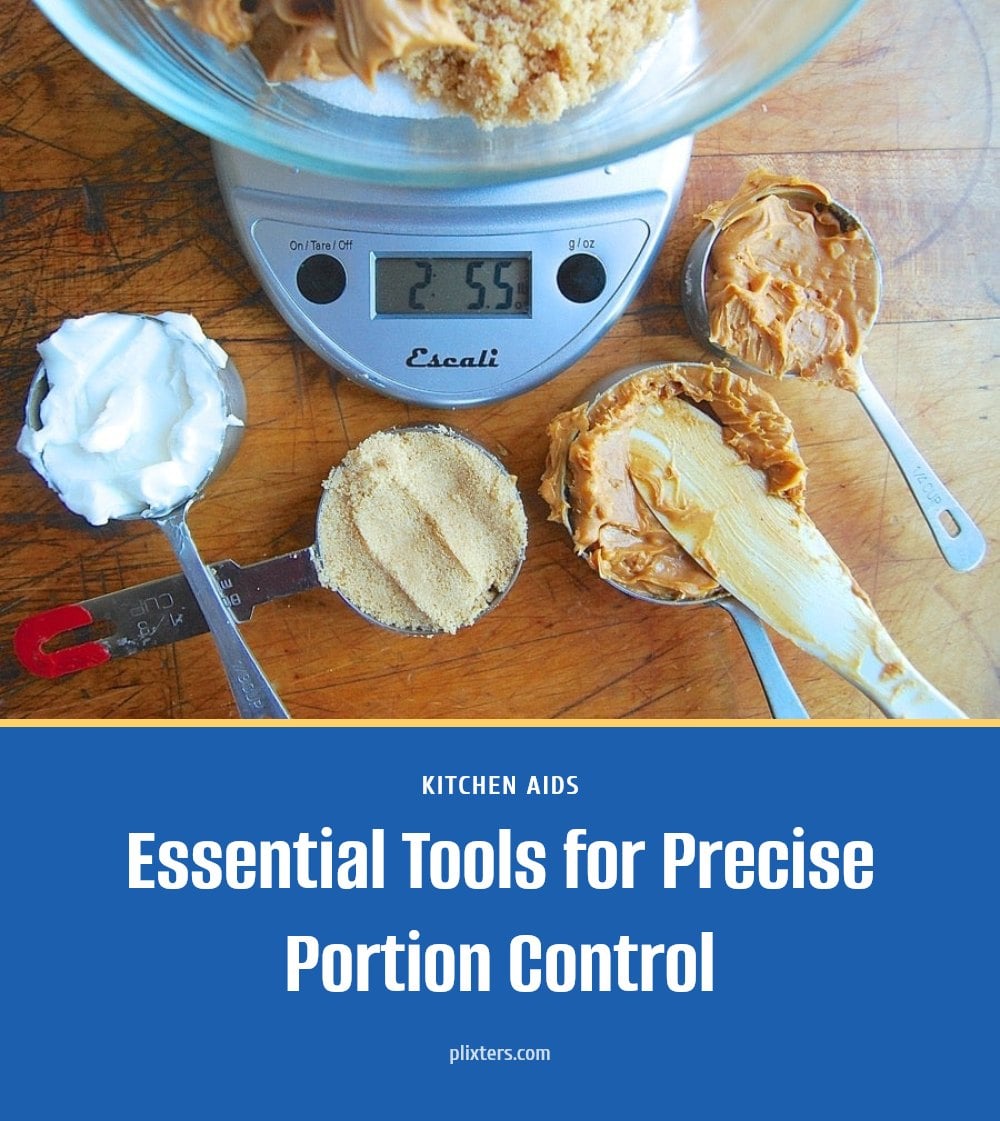
Having a few tools on hand makes portion control much easier. Here is what I keep in my kitchen:
- Measuring cups and spoons: Use these for grains, liquids, and dressings until you can eyeball amounts.
- Food scale: Great for protein, nuts, and cheese when you want exact numbers.
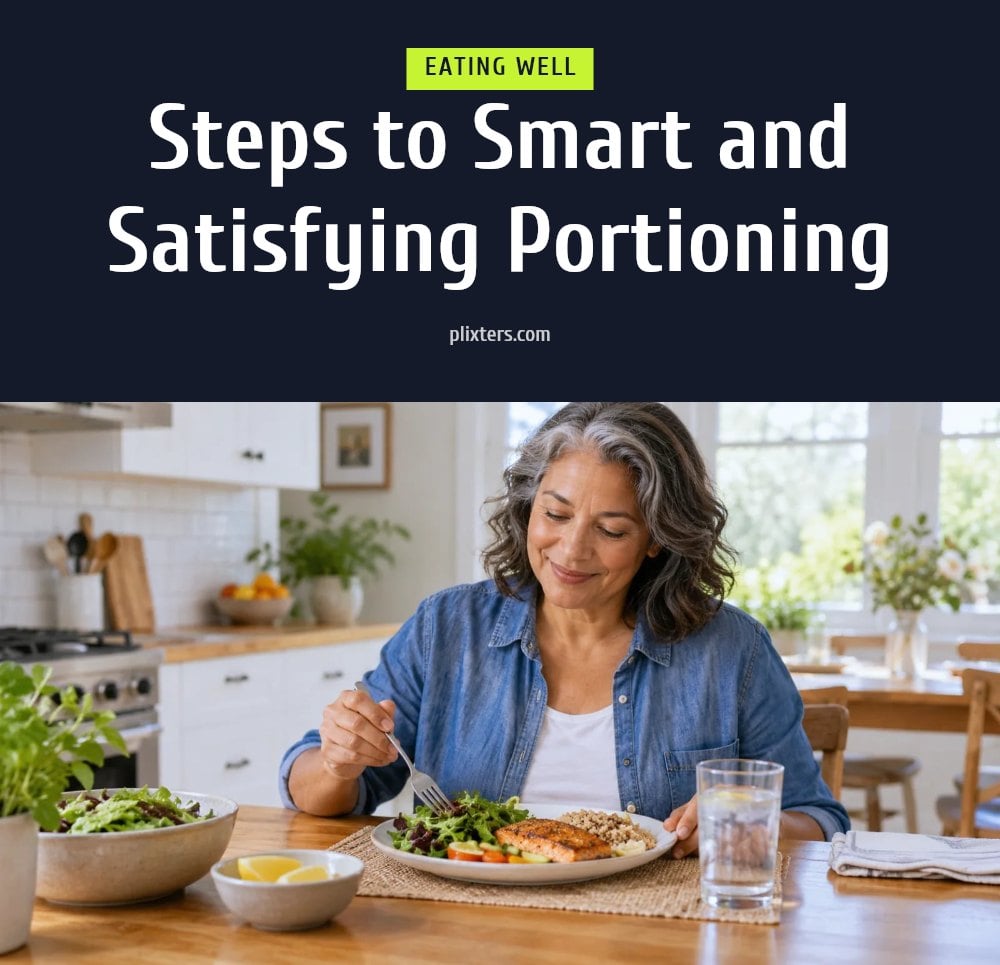
- Smaller plates and bowls: A 9-inch plate makes a normal portion look generous.
- Food storage containers: Pre-portion snacks and leftovers so you grab a single serving.
Your Step-by-Step Guide to Smart Portioning
Start with nutrition labels: Flip the package and look at the serving size at the top. Everything else on the label, calories, fat, sodium, is based on that single serving. If you eat twice the listed amount, double every number. This is the foundation for all portioning.
- Learn hand-based visual cues: Your hand is always with you and works as a reliable portion guide. Protein (meat, fish, tofu): a serving is the size of your palm or a deck of cards. Carbohydrates (rice, pasta, potatoes): a serving fits in your cupped hand, roughly the size of a light bulb. Cheese: two thumbs or a pair of dice. Healthy fats (nuts, seeds, avocado): the size of your thumb. Fruits and vegetables: a serving is about the size of your fist.
- Use smaller plates and bowls: A standard dinner plate is 10 to 12 inches wide. Switch to a 9-inch plate or a salad plate. The same portion of food looks larger on a smaller surface, which can help you feel satisfied with less. I do this for every dinner and it makes a noticeable difference.
- Practice mindful eating: Put your fork down between bites and chew slowly. It takes about 20 minutes for your brain to register that your stomach is full. If you finish your plate in 10 minutes, you are likely to eat past fullness. Savor each bite and check in with your hunger level halfway through.
- Pre-portion snacks: Never eat chips, nuts, or crackers straight from the bag. You will almost certainly eat more than one serving. Instead, portion single servings into small bowls or reusable bags right after you buy them. That way you grab one portion, not the whole container.
- Fill half your plate with non-starchy vegetables: Vegetables like broccoli, spinach, bell peppers, and zucchini are low in calories and high in volume. By filling half your plate with them, you automatically leave less room for higher-calorie foods. This is the single easiest change I have made for portion control.
Decoding Serving Sizes with Visual Cues
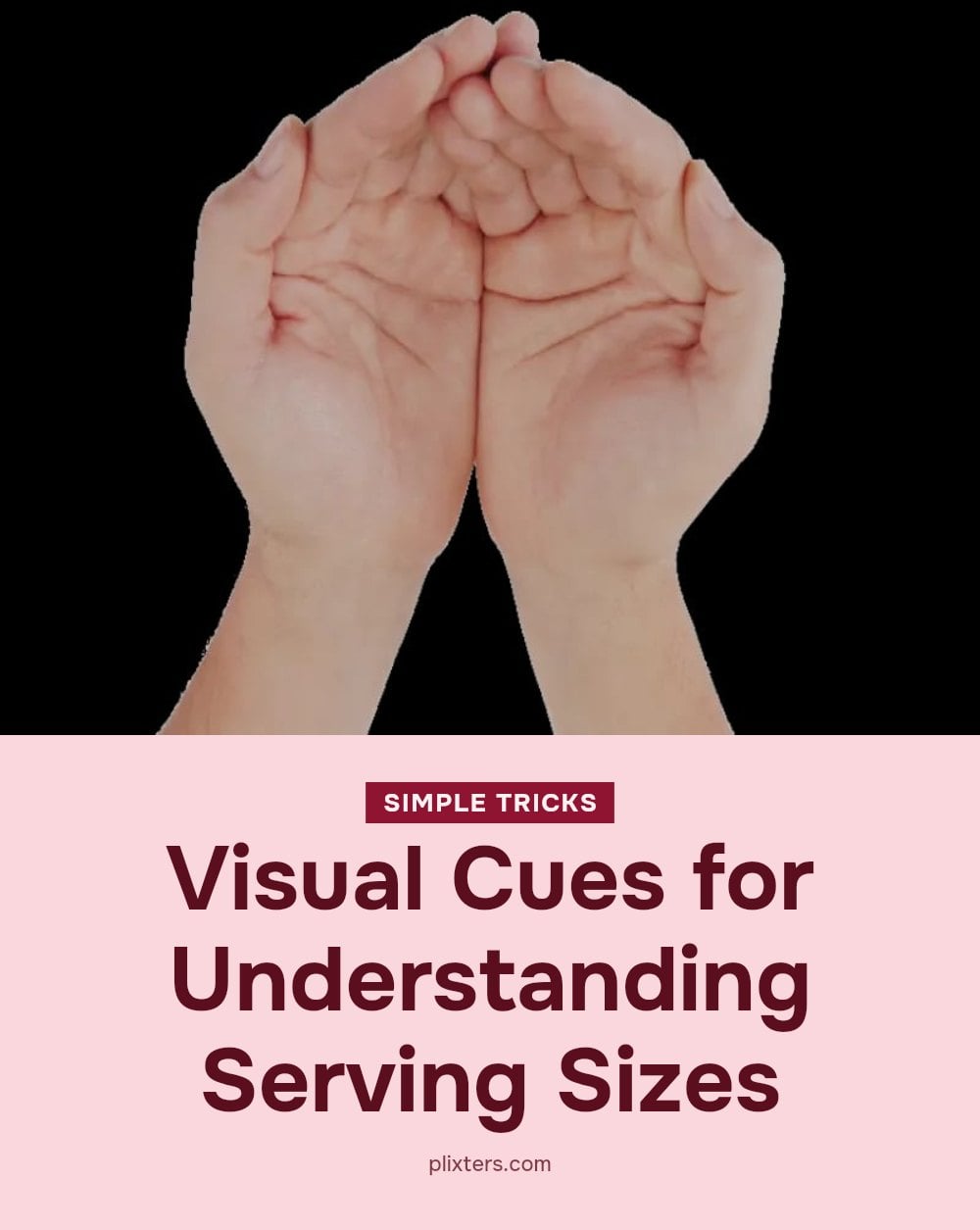
A standard serving size on a label is a fixed amount used for comparison. Your portion size is what you actually eat, and it can be bigger or smaller. Use these hand cues to match your portion to a serving:
- Protein: Size of a deck of cards or your palm.
- Carbohydrates: Size of a cupped hand or a light bulb.
- Cheese: Size of two thumbs or a pair of dice.
- Healthy Fats: Size of your thumb.
- Fruits and Vegetables: Size of your fist.
These visuals help you estimate without any tools.
Common Portioning Mistakes and How to Fix Them
Confusing serving size with portion size: A serving size on a label is a fixed amount for comparison. Your portion is what you actually eat, which can be much larger. Check the label and measure once to see how your usual portion stacks up.
Underestimating calorie density: Foods high in fat or sugar pack more calories per bite. A small handful of nuts has a different calorie count than the same volume of vegetables. Be mindful of these dense foods.
Eating too quickly: It takes about 20 minutes for your brain to register fullness. If you finish your plate in five, you may miss that signal. Slow down, chew thoroughly, and put your fork down between bites.
Ignoring internal hunger cues: Eating because the clock says so or because your plate is clean overrides your body’s signals. Pause mid-meal and ask yourself how full you really feel.
Forgetting calorie-rich beverages: Coffee drinks, juice, soda, and alcohol can add hundreds of calories without making you feel full. Count them as part of your daily intake.
Assuming ‘healthy’ means unlimited: Even nutritious foods like quinoa, avocado, and dried fruit contain calories. Portion them the same way you would any other food.
Smart Tips for Consistent Portion Control
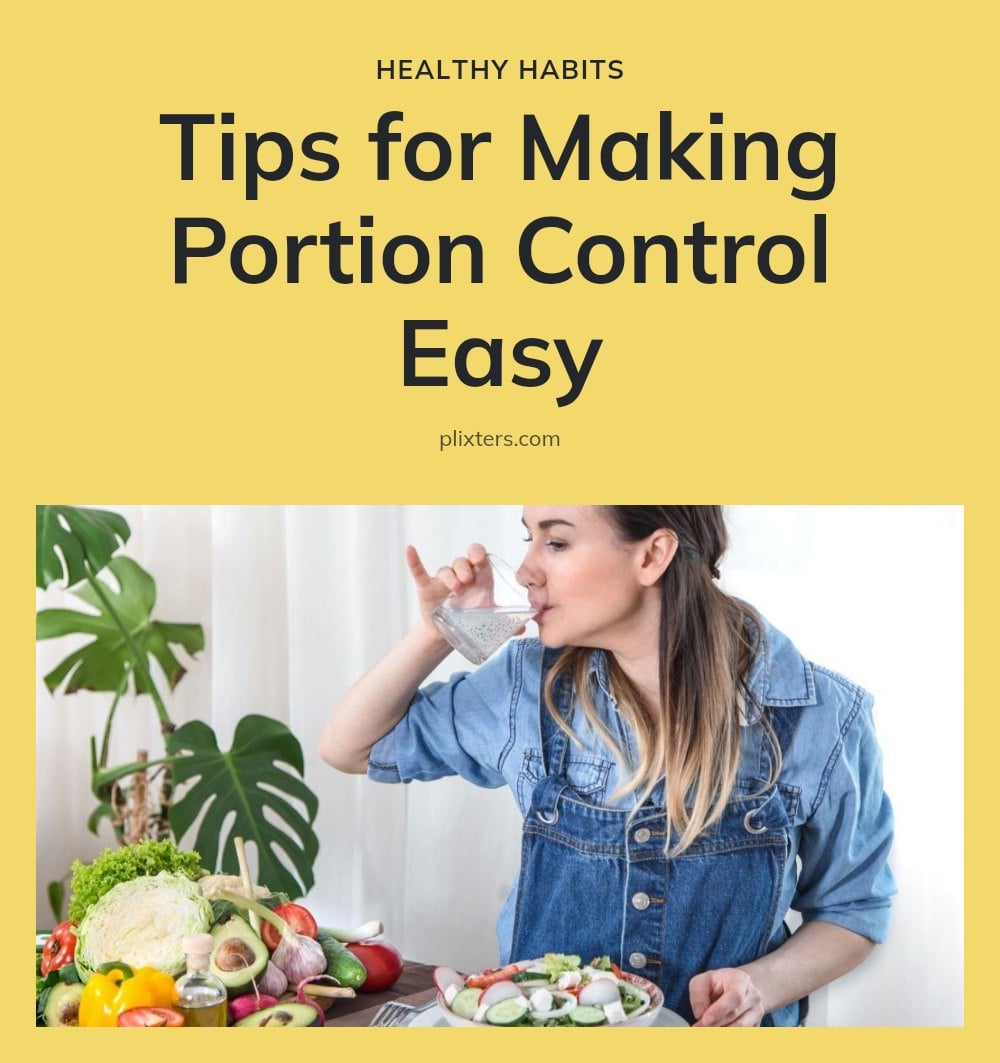
Drink water before and during meals: A glass of water 20 minutes before you eat can help you feel fuller and prevent overeating.
Avoid eating directly from large packages: It is too easy to lose track of how much you have had. Portion out one serving into a bowl or plate and put the package away.
Be wary of restaurant portion sizes: They are often two to three times larger than a standard serving. Ask for a half portion or box up half the meal before you start eating.
Don’t skip meals: Skipping often leads to extreme hunger later, which makes portion control much harder. Stick to regular meals and snacks.
Focus on consistency over perfection: Occasional overeating is normal. One large meal does not undo your progress. Get back on track at the next meal without guilt.
When to Consult a Professional for Diet Advice
If you have specific dietary needs or a medical condition such as diabetes, heart disease, or a digestive disorder, consult a registered dietitian or healthcare provider before changing your diet. The same applies if you are pregnant or breastfeeding. If you notice patterns of restrictive eating, binge eating, or constant guilt around food, seek professional support. A dietitian can give you personalized guidance and help you avoid extreme restriction, which may lead to nutrient deficiencies or disordered eating.
How Long Does It Take to Master Portioning?
You may notice improved awareness of what and how much you eat within the first few days. Building consistent habits that feel automatic usually takes several weeks to a few months of regular practice. The tools you need are inexpensive and last a long time: a set of measuring cups and spoons costs a few dollars, and a basic food scale is a one-time purchase under $20.
Frequently Asked Questions
Can I still eat my favorite foods while portioning?
Yes, absolutely. Portioning is not about cutting out foods you enjoy; it is about eating them in amounts that fit your overall nutrition goals. You can include treats, pasta, or cheese as long as you pay attention to the serving size and balance them with vegetables and lean protein.
Do I need to measure everything I eat?
Not forever. Measuring cups and a food scale are helpful when you are first learning what a serving looks like. Once you get comfortable using visual cues like your hand or a deck of cards, you can rely less on tools and still keep your portions in check.
What are some common calorie-dense foods to watch out for?
Foods high in fats and sugars are often more calorie-dense than you might expect. Nuts, seeds, cheese, oils, dressings, and dried fruit pack a lot of calories into a small volume. Even healthy foods like avocado and nut butter should be portioned carefully if you are watching your calorie intake.
How long does it take to get used to portioning food?
You may notice better awareness of how much you eat within the first few days. Building habits that feel automatic typically takes several weeks to a few months of regular practice. The key is consistency, not perfection, so keep at it even if you slip up occasionally.
What is the difference between a serving size and a portion size?
A serving size is a standardized amount used on nutrition labels to help compare similar foods. A portion size is the amount you actually choose to eat, which can be larger or smaller than one serving. Checking the label helps you see how your portion compares to the listed serving.
Final Thoughts
Start with one simple change: use a smaller plate at dinner tonight. It is an easy way to make your portion look satisfying while actually eating less. You may notice improved awareness within a few days, and consistent practice over several weeks will help the habits feel automatic. Remember, consistency matters more than perfection, so give yourself grace as you learn.
This article is for general informational purposes only and is not a substitute for professional medical or dietary advice. If you have a medical condition, are pregnant, or need personalized guidance, consult a registered dietitian or healthcare provider before making significant changes to your diet.




