
 Save
You have probably heard that planks are a great move for your core, but you might be wondering which variations are worth your time and how to do them properly. This article breaks down the best plank variations, shows you how to nail the basic form, and helps you avoid the mistakes that can lead to injury. Whether you are just starting out or looking to level up, you will find practical tips to make planks work for you.
Key Takeaways
- Keep a straight line from head to heels, engaging glutes and core.
- Hold for 20-60 seconds per set, prioritizing form over duration.
- Add side planks and hip dips to target obliques more intensely.
- Stop immediately if you feel sharp pain in your back, shoulders, or neck.
- Aim for 2-3 sets, 3-5 times a week, with rest days in between.
9 ideas in this post
- Why Planks Are Your Core’s Best Friend
- Gear Up: What You’ll Need for Planking
- Mastering the Basic Plank: Step-by-Step
- Plank Variations to Boost Your Core Strength
- Common Plank Mistakes and How to Fix Them
- How Long Until You See Results?
- When to Consult a Professional
- Frequently Asked Questions
- Final Thoughts
Why Planks Are Your Core’s Best Friend
Planks work more than just your abs. They target the rectus abdominis, obliques, and transverse abdominis while also engaging your shoulders, back, glutes, and legs. That full-body activation makes them one of the most efficient exercises you can do. The best part is that you can scale them up with variations like side planks or mountain climbers to keep challenging your muscles and avoid hitting a plateau.
Gear Up: What You’ll Need for Planking
You do not need much to start planking. Here is what I recommend having on hand:
- Exercise mat: Provides cushioning for your elbows and forearms and keeps you from slipping on a hard floor.
- Timer: A phone timer or a stopwatch lets you track hold durations without guessing.
Mastering the Basic Plank: Step-by-Step
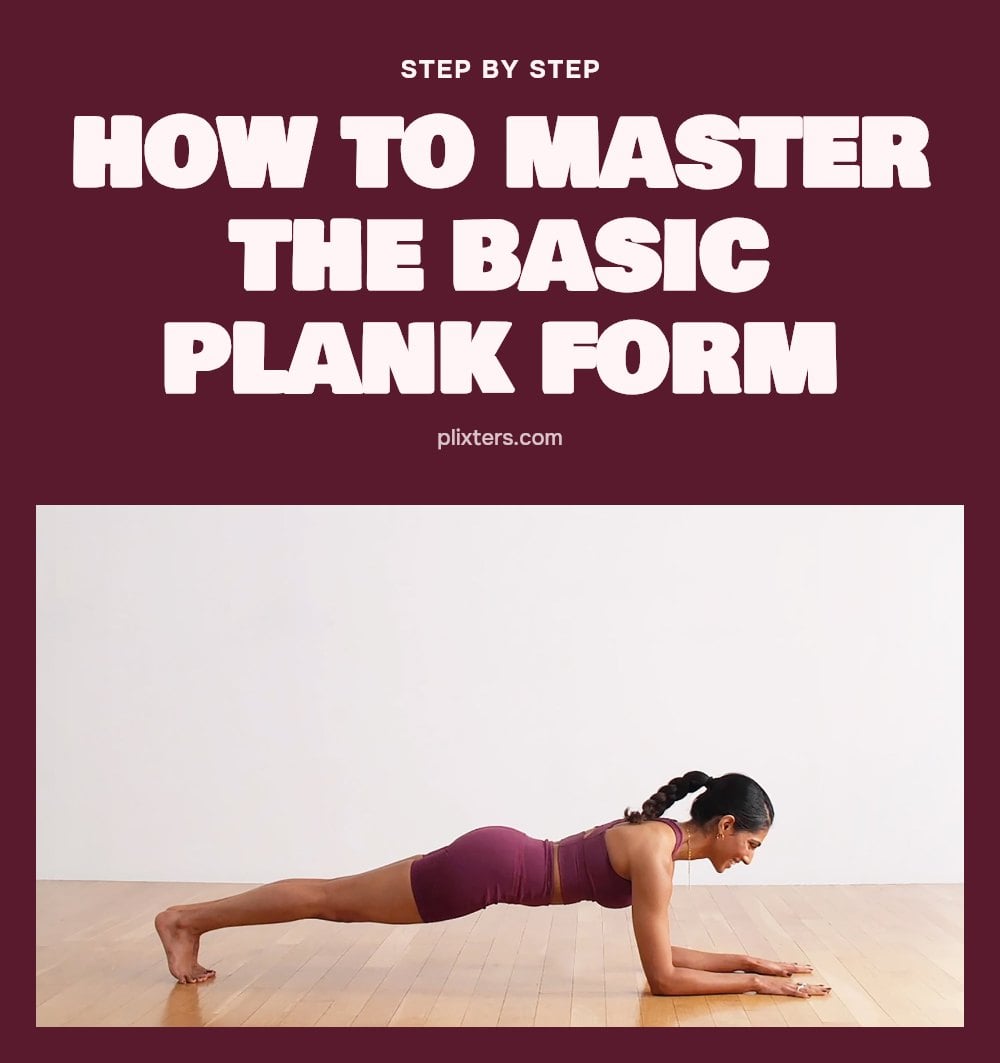
- Start in a push-up position: Place your hands directly under your shoulders with arms extended.
- Lower onto your forearms: Bring your elbows directly under your shoulders, keeping your forearms flat on the mat.
- Form a straight line: Your body should run in a straight line from the top of your head to your heels. No sagging or piking.
- Engage your core: Draw your belly button toward your spine. This locks your torso in place.
- Set your neck: Keep your gaze on the floor about a foot in front of your hands. A neutral neck prevents strain.
- Breathe steadily: Inhale and exhale deeply throughout the hold. Holding your breath reduces oxygen flow and makes the exercise harder.
- Activate your glutes and quads: Squeeze your glutes and tense your quadriceps. This stabilizes your pelvis and takes pressure off your lower back.
My tip: Start with a 20-second hold and focus entirely on form. A shorter plank with perfect alignment builds strength faster than a long, sloppy one.
Plank Variations to Boost Your Core Strength

Side Plank
Lie on your side with your elbow directly under your shoulder. Stack your feet or stagger them for more stability. Lift your hips until your body forms a straight line. This variation zeroes in on your obliques.
Plank with Hip Dips
Start in a standard forearm plank. Slowly rotate your hips to one side, dipping them toward the floor without touching it, then return to center and repeat on the other side. The dynamic movement intensifies oblique engagement.
Plank Jacks
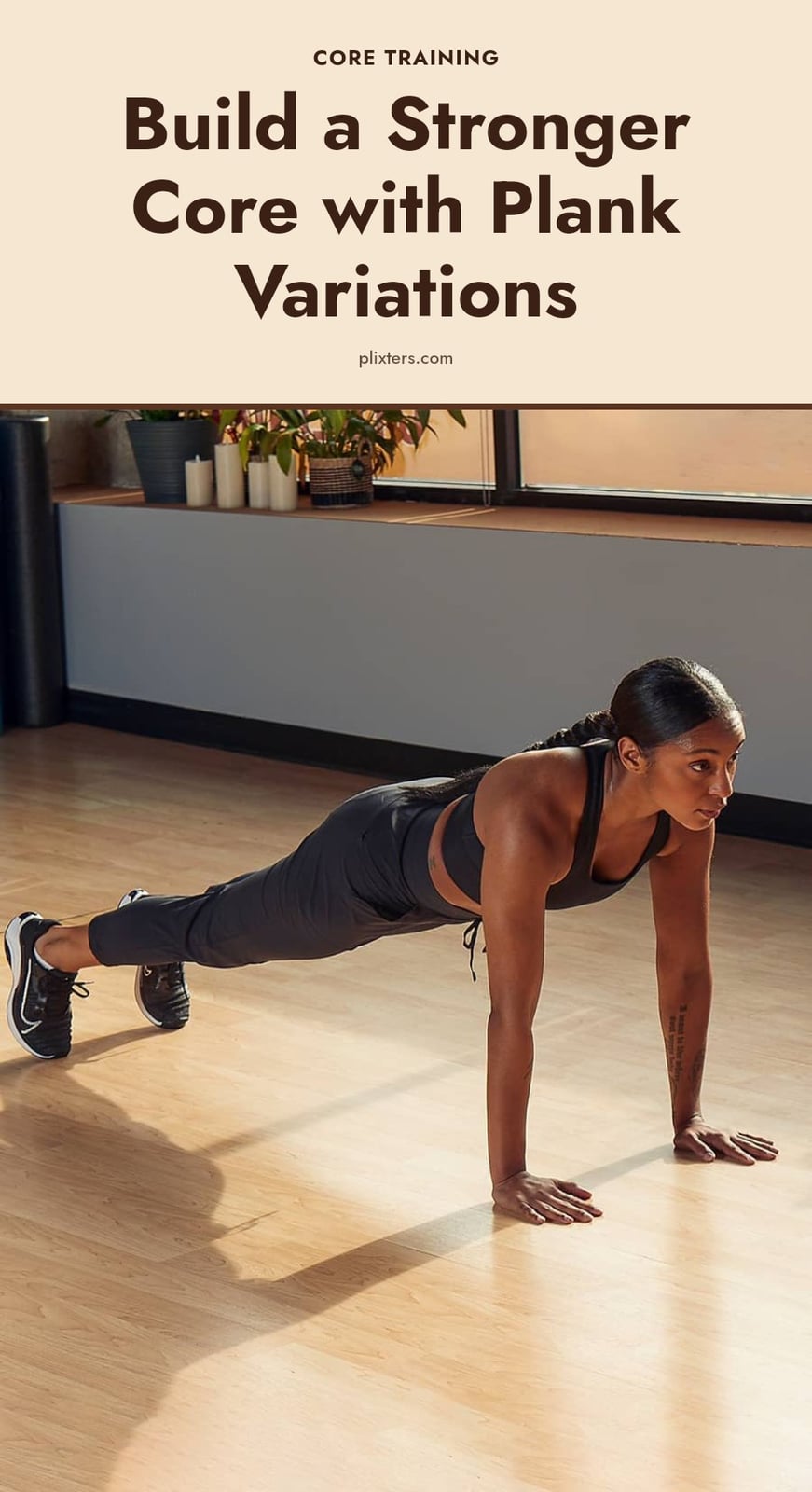
From a high plank position (hands under shoulders, arms extended), jump your feet wide and then back together. Keep your core tight and your hips level. This adds a cardio burst while your core works to stabilize the motion.
Mountain Climbers
In a high plank, drive one knee toward your chest, then quickly switch legs as if running in place. Maintain a flat back and steady breathing. Mountain climbers challenge your cardiovascular system and your core at the same time.
Reverse Plank
Sit with your legs extended and your hands behind your hips, fingers pointing toward your feet. Press through your hands and heels to lift your hips until your body forms a straight line from shoulders to ankles. Reverse planks strengthen your posterior chain, glutes, hamstrings, and lower back.
Plank with Leg Lifts
Start in a forearm plank. Lift one leg a few inches off the floor, keeping it straight, then lower it slowly. Repeat on the other side. The single-leg lift increases the load on your glutes and lower back while forcing your core to fight rotation.
Pro move: Add one new variation per workout rather than trying all six at once. Your muscles need time to adapt to the different demands.
Common Plank Mistakes and How to Fix Them
Sagging Hips: If your lower back dips toward the floor, you are losing core engagement. Squeeze your glutes and pull your belly button toward your spine to lift your hips back to neutral.
Glutes Too High: A pike position shifts the work away from your abs. Lower your hips until your body forms a straight line from head to heels, even if that means shortening your hold.
Holding Breath: Breath holding can raise blood pressure and make the hold feel harder. Practice inhaling through your nose and exhaling through your mouth in a steady rhythm.
Straining Neck: Looking forward or up puts tension on your cervical spine. Keep your neck neutral and gaze at the floor about a foot in front of you.
Rounding Back: A curved spine reduces core activation and can lead to discomfort. Flatten your back by tucking your pelvis slightly and imagining a straight line from your head to your heels.
Elbows or Hands Misplaced: In a forearm plank, elbows belong directly under your shoulders. In a high plank, wrists go under your shoulders. Slide them into position before you start the timer.
How Long Until You See Results?
For results, aim for 2-3 sets of 20-60 seconds per plank variation, focusing on proper form over longer holds. A shorter plank done correctly builds more strength than a shaky minute-long one. Perform planks 3-5 times a week, giving your core a day of rest between sessions.
With consistent practice, you can typically see visible improvements in core strength and definition within 4-8 weeks. That timeline holds whether you stick to the basic plank or rotate through variations. The only cost is an optional exercise mat, so there is no financial barrier to starting.
My tip: Track your hold times in a simple note on your phone. Watching the seconds creep up each week keeps you motivated and shows progress before your mirror does.
When to Consult a Professional
Planks are generally safe, but you should stop immediately if you feel sharp pain in your lower back, shoulders, or neck. That kind of pain is different from the muscle fatigue you feel during a normal hold, and pushing through it can make things worse.
If you already have wrist or shoulder injuries, check with a doctor or physical therapist before attempting planks. The same goes for existing back conditions: ask about modifications that keep you comfortable. Pregnant individuals should also consult their doctor before planking, especially as pregnancy progresses.
Caution: When in doubt, skip the plank and get professional advice first. A few minutes of guidance can save you weeks of recovery.
Frequently Asked Questions
How long should I hold a plank?
For most people, holding a plank for 20-60 seconds per set is a solid target. The key is to maintain proper form throughout. If your hips start to sag or your back rounds, that is a sign to stop and reset. Shorter holds with good form build more strength than longer, sloppy ones.
Can planks help with back pain?
Planks can help strengthen the core muscles that support your lower back, which may reduce discomfort for some people. However, if you have a pre-existing back condition or experience sharp pain during a plank, stop and consult a doctor or physical therapist. They can advise on safe modifications or alternative exercises.
What’s the difference between a high plank and a forearm plank?
A high plank is done on your hands with your arms extended and wrists directly under your shoulders, like the top of a push-up. A forearm plank has your elbows under your shoulders and forearms flat on the floor. Both work the core, but the forearm plank may be easier on your wrists, while the high plank adds more shoulder engagement.
What are the best plank variations for abs?
The standard forearm plank targets the rectus abdominis, obliques, and transverse abdominis. For your obliques, try a side plank or add hip dips. For dynamic core engagement and a cardio boost, plank jacks or mountain climbers are great choices. Rotate these variations to keep your routine challenging.
Final Thoughts
My tip: start with the basic forearm plank and only move to variations once you can hold it for 30 seconds with perfect form. Consistency matters more than intensity, so plan to practice 3-5 times a week. You can expect to feel more core stability within a few weeks, and visible definition may appear in 4-8 weeks with regular effort. Keep your holds honest, breathe steadily, and your core will thank you.
This article is for general information only and is not a substitute for professional medical advice. If you have a health condition, injury, or are pregnant, consult a doctor or physical therapist before starting a plank routine. Stop immediately if you feel sharp pain, and seek professional guidance for persistent or serious issues.




