 Save
You have a perfume you love, but sometimes you want it to last longer, smell a little different, or feel more uniquely yours. Perfume layering lets you combine two or more scents to create a custom fragrance that’s all your own. This article walks you through the simple steps and tips to start layering like a pro, from choosing compatible notes to applying in the right order.
Key Takeaways
- Apply the heaviest fragrance first, then layer lighter scents on top.
- Start with clean, moisturized skin using an unscented lotion to extend wear time.
- Stick with 2 to 3 complementary scents to avoid an overwhelming blend.
- Test new combinations on a blotter or small skin area before full application.
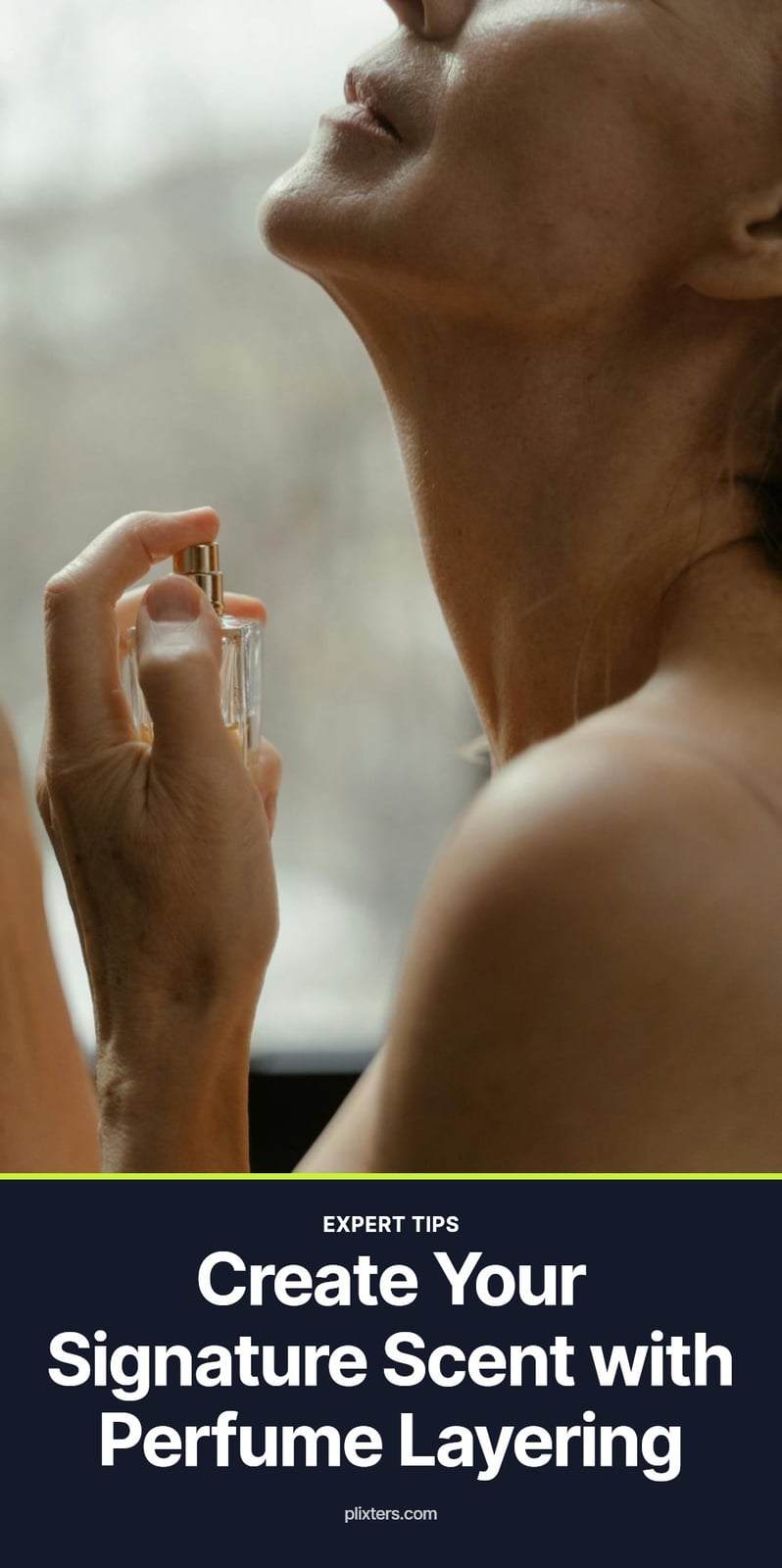
- Do not rub your wrists together after spraying, as it breaks down scent molecules.
15 ideas in this post
- What is Perfume Layering?
- 1. Start with a Clean Base
- 2. Apply Heaviest Scent First
- 3. Allow Each Layer to Dry
- 4. Layer Similar Fragrance Families
- 5. Experiment with Complementary Notes
- 6. Use Scented Body Products
- 7. Apply to Pulse Points
- 8. Test Combinations First
- 9. Consider Fragrance Longevity
- 10. Don’t Overdo It
- 11. Avoid Rubbing Wrists
- Common Perfume Layering Mistakes
- Frequently Asked Questions
- Final Thoughts
What is Perfume Layering?
Perfume layering is the technique of applying two or more fragrances to your skin, one after another, to build a custom scent. It lets you personalize a store-bought perfume, make it last longer, or shift its character for a different mood or season. The goal is a balanced, complex aroma that no single bottle can deliver on its own.
1. Start with a Clean Base
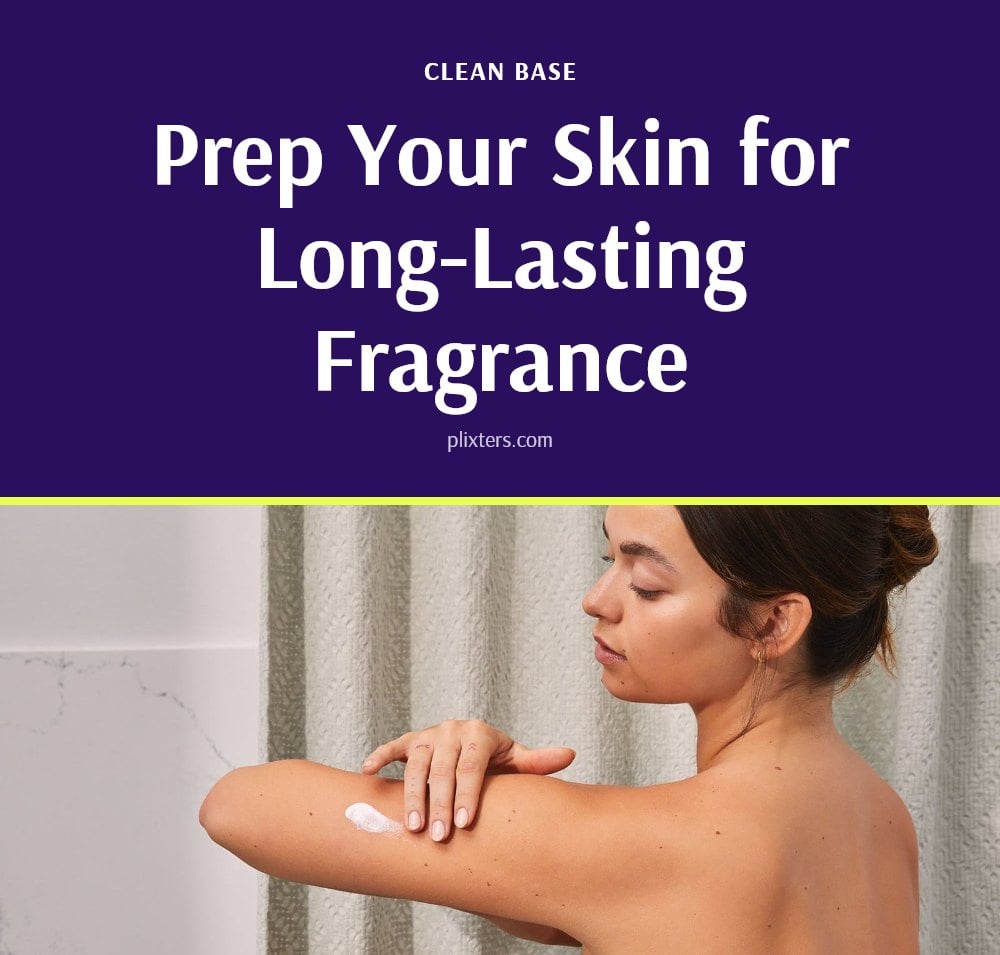
Start with clean, moisturized skin. An unscented lotion or body oil gives the fragrance a smooth, hydrated surface to cling to, which directly extends wear time.
My tip: This single step can add hours to how long your custom blend lasts. Skip it and the alcohol in perfume evaporates faster, taking the scent with it.
2. Apply Heaviest Scent First
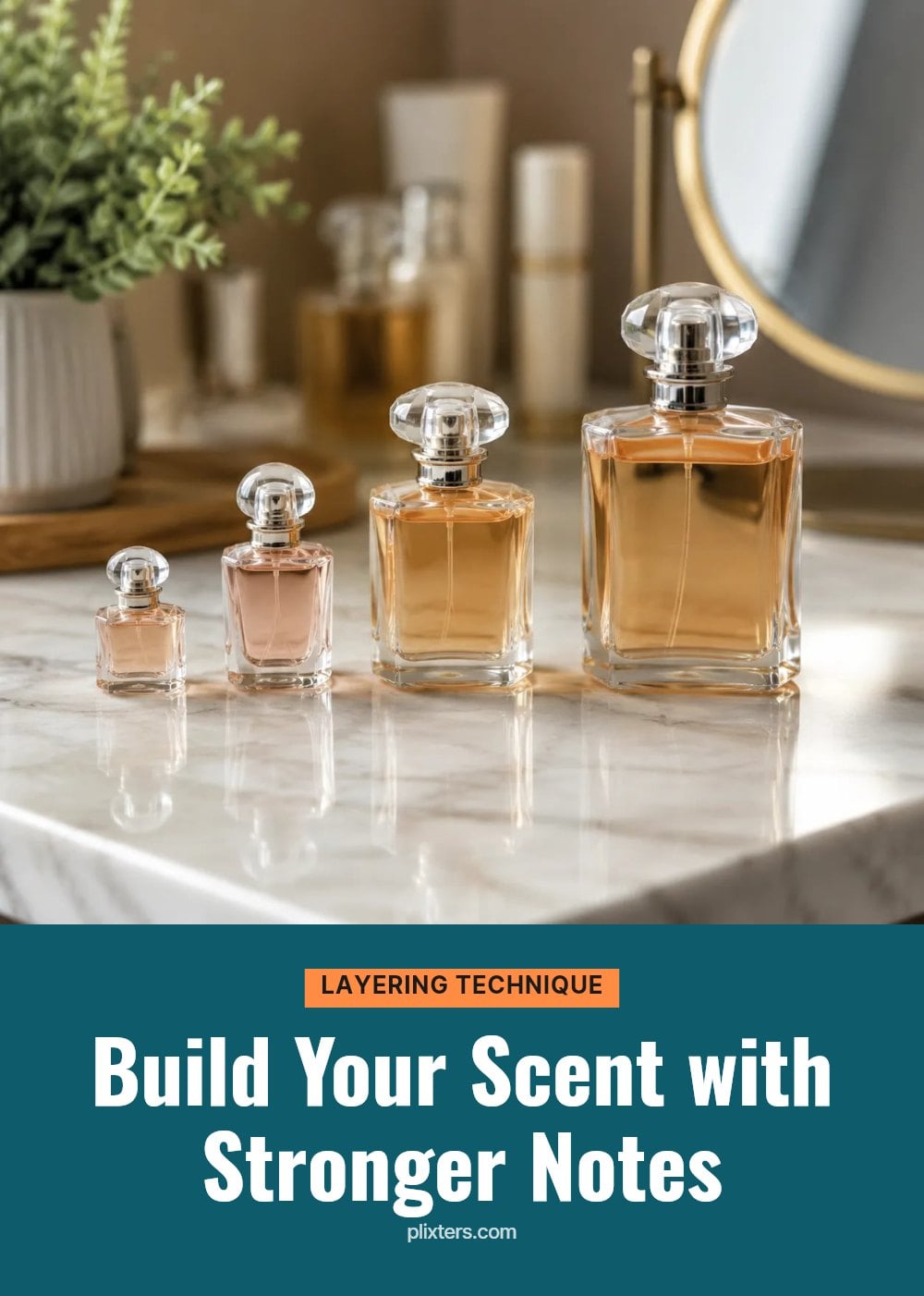
Reach for your most intense perfume first. The general rule is to apply the heaviest fragrance before any lighter ones. This lets the stronger base notes anchor themselves on your skin without being drowned out.
Think of it as building a house: you set the foundation first, then layer on lighter, more delicate scents. A woody or amber perfume goes on before a floral or citrus one.
3. Allow Each Layer to Dry
Wait a few seconds between each spray. Let the first layer dry and settle before you apply the next one.
This pause prevents the scents from merging into a muddled blur on your skin. Each layer needs a moment to develop its own character.
My tip: A few seconds is usually enough, just don’t rush it. The result is a clearer, more defined blend.
4. Layer Similar Fragrance Families
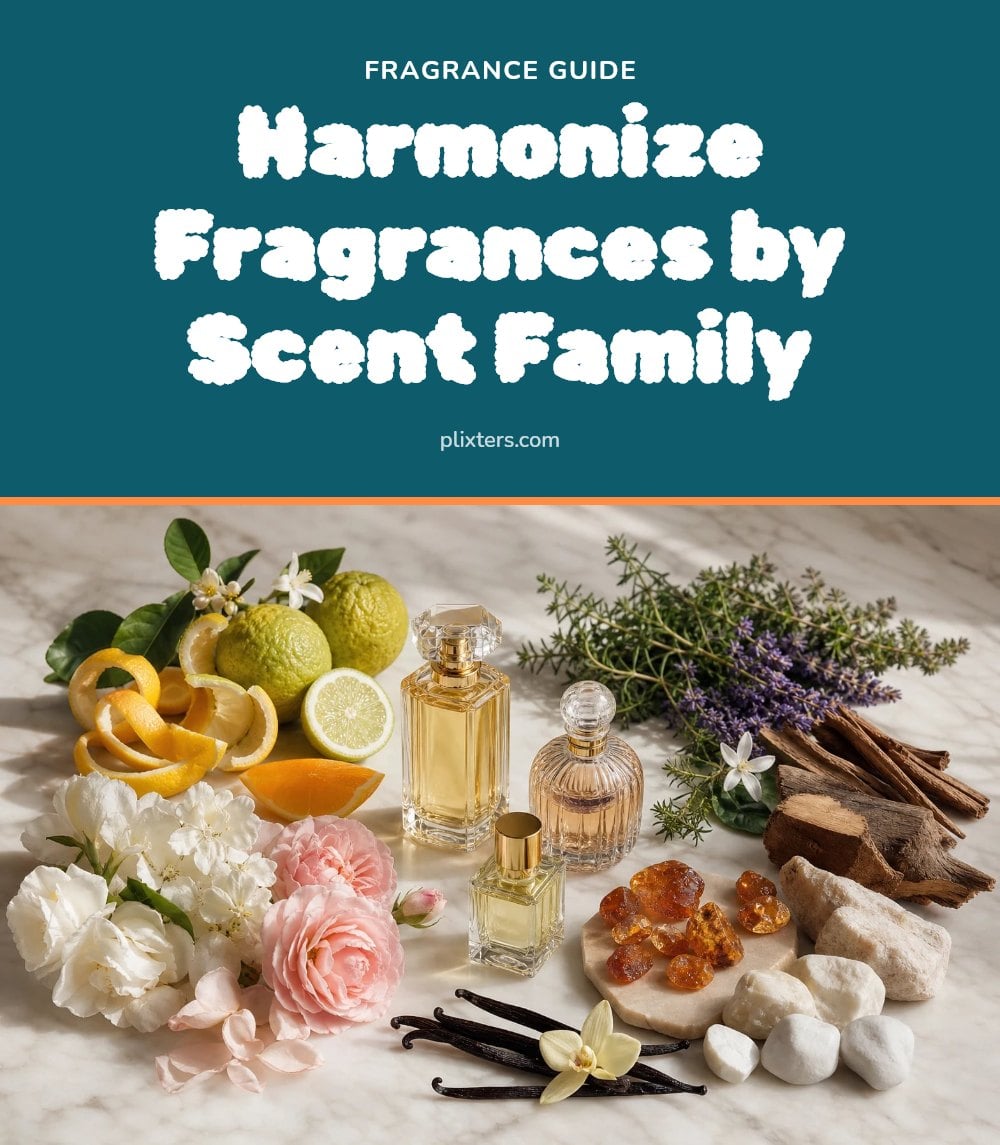
The easiest way to start layering is to stick with one fragrance family. Combine a floral perfume with another floral, or an oriental with an oriental. This creates a harmonious, intensified version of that scent profile without clashing. It is a safe bet for beginners and often yields beautiful, complex results.
Good to know: Monochromatic layering, using different products (lotion, oil, perfume) from the same fragrance line, is a foolproof version of this. You get a richer, longer-lasting version of a scent you already love.
5. Experiment with Complementary Notes
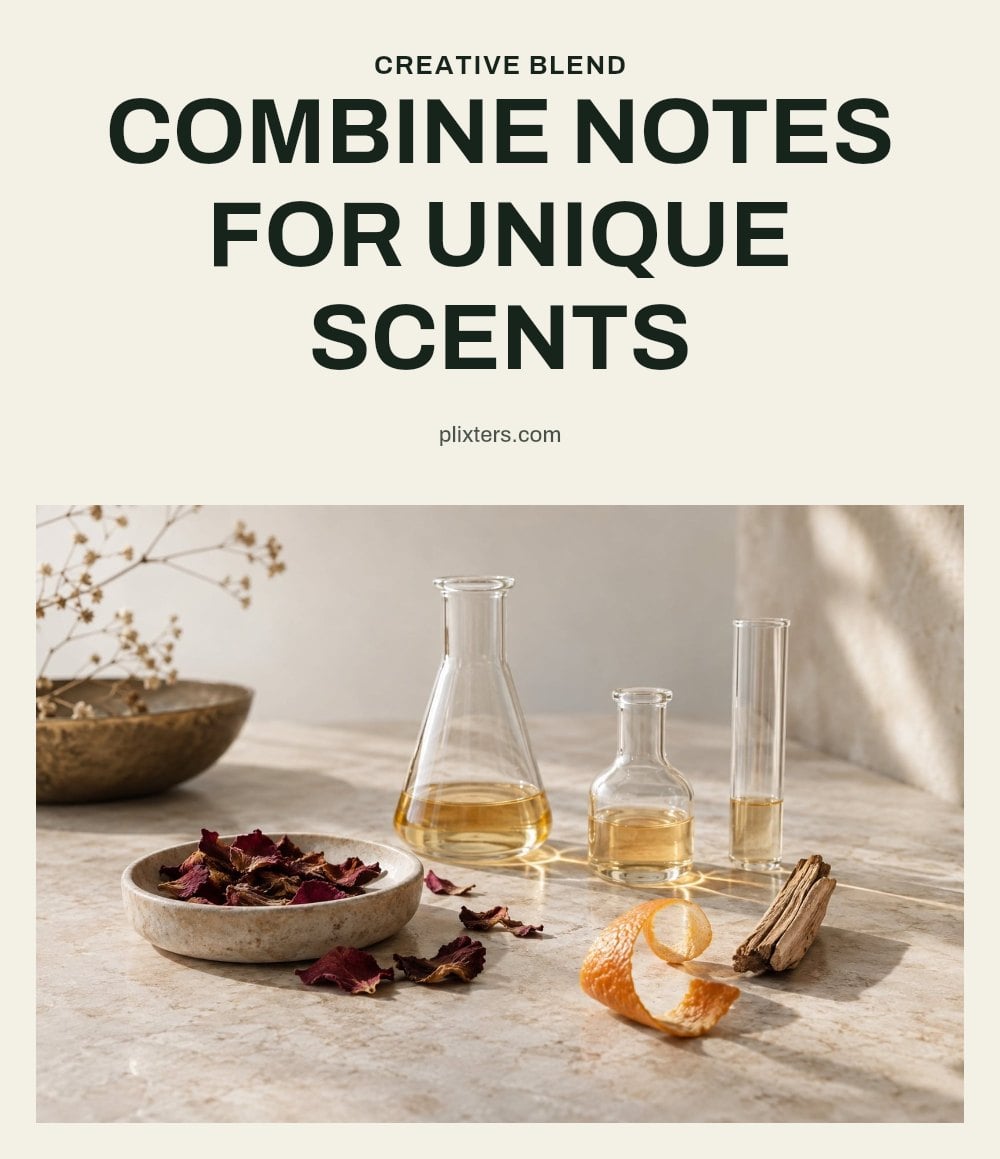
Once you feel confident with same-family layering, branch out into complementary notes from different fragrance families. Vanilla pairs beautifully with citrus, and rose can be stunning with oud. These pairings work because the contrasting notes balance each other, creating a more complex and intriguing scent profile than sticking to one family.
Start with a light hand: spray the heavier base scent first, then add just one spritz of the complementary note. Let it settle for a few seconds and check how it develops on your skin before adding more.
6. Use Scented Body Products
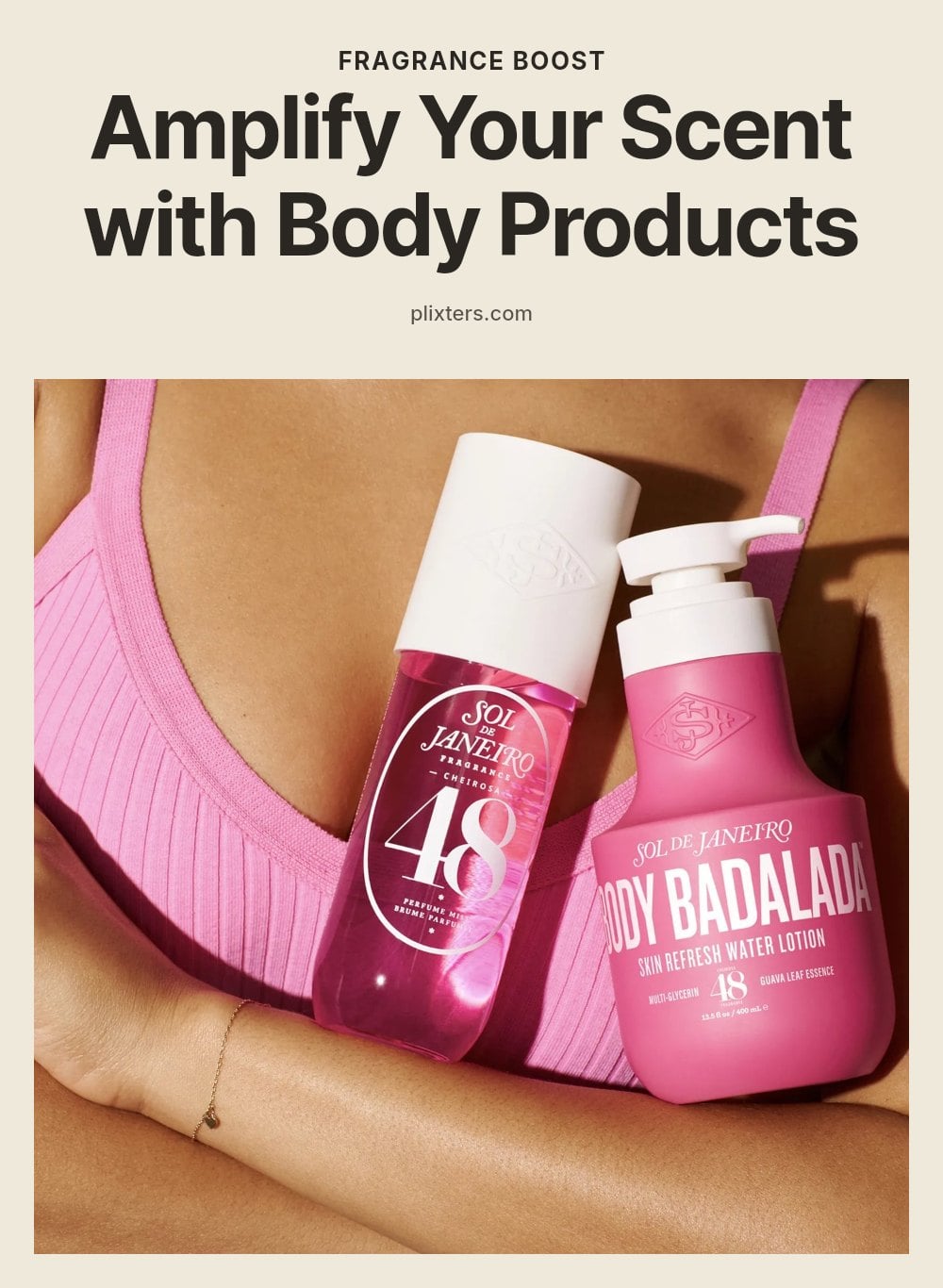
Scented body lotions, oils, and mists are an underused first layer. A scented lotion or oil from the same fragrance line as your perfume creates monochromatic layering: it intensifies the scent and helps it last longer because the base product clings to the skin and releases the fragrance slowly over hours.
If you don’t have a matching line, choose a subtly scented lotion that complements your main perfume. A light vanilla lotion under a floral perfume, for example, adds warmth without competing. Tip: Apply the lotion or oil first, let it absorb for 30 seconds, then spray your perfume on top for a richer, longer-lasting result.
7. Apply to Pulse Points

Apply your layered scents to pulse points: wrists, neck, behind the ears, and décolletage. The warmth from these areas activates the fragrance and helps it project throughout the day. Tip: A light spray on your hair can also help the scent linger, just be mindful of alcohol content.
8. Test Combinations First
Always test a new combination before you commit to a full wear. Spray each fragrance on a paper blotter or a small, inconspicuous area of skin like your inner elbow. This step lets you see how the scents blend and develop with your unique skin chemistry without wasting product or risking a clash.
9. Consider Fragrance Longevity
Not all notes last the same amount of time. Citrus and fresh notes fade quickly, while woody, amber, and musk notes linger for hours. Use this to your advantage: apply your long-lasting base notes first, then layer lighter, more fleeting top notes on top. This strategy helps your custom scent evolve throughout the day rather than disappearing after an hour.
10. Don’t Overdo It
Layering is about building complexity, but more is not better. Applying too many different fragrances at once can quickly become overwhelming or create a clashing aroma. My tip: stick to 2-3 complementary scents to avoid a muddled, confusing result. A focused combination gives you depth without turning into a perfume soup.
11. Avoid Rubbing Wrists
After you spray perfume on your wrists, do not rub them together. The friction breaks down the delicate scent molecules, which changes how the fragrance develops and shortens its lifespan. Just spritz and let the perfume air dry naturally for the intended effect.
Common Perfume Layering Mistakes
Applying Too Many Strong Scents: Using multiple heavy fragrances at once often creates an overpowering aroma. Balance one potent scent with one or two lighter, complementary ones.
Ignoring Application Order: Putting lighter scents before heavier ones causes the delicate notes to disappear. Always apply the most potent fragrance first to let it anchor the blend.
Rubbing Perfume In: Rubbing your wrists together breaks down the fragrance molecules, reducing complexity and longevity. Let your perfume air dry naturally.
Not Testing Compatibility: Layering without testing can lead to clashing scents. Always test new combinations on a blotter or a small skin area first.
Forgetting Scented Bases: Only using sprays and ignoring scented lotions or oils means missing a key longevity booster. Use a complementary scented base for a richer, longer-lasting effect.
Frequently Asked Questions
Can I layer different types of fragrances, like EDP and body mist?
Yes, you can layer different forms of fragrance, such as eau de parfum, eau de toilette, body mist, and scented oils. Just follow the same order: apply the heaviest or most intense product first, then layer lighter ones on top. Allow each layer to dry slightly before adding the next for the best blend.
How do I know if two perfumes will layer well together?
The easiest way is to check if they share similar base notes or belong to the same fragrance family, like florals with florals or orientals with orientals. You can also try complementary pairings, such as vanilla with citrus or rose with oud. Always test on a blotter or small skin area before committing to a full wear.
What are some good beginner-friendly fragrance combinations?
Start with monochromatic layering: use a scented body lotion and a perfume from the same fragrance line. For complementary pairings, try vanilla with a fresh citrus scent, or a light floral with a woody base. Stick to two scents at first to keep the blend balanced and avoid overwhelming your senses.
How can I make my layered perfume last longer?
Apply an unscented body lotion or oil to clean, moisturized skin before any fragrance. This gives the scent a hydrated base to cling to, which can add hours of wear. Also, apply to pulse points like wrists and neck, and avoid rubbing the skin after spraying to preserve the scent molecules.
Final Thoughts
Start simple: pick one of your favorite perfumes and layer a scented body lotion from the same fragrance line underneath. This monochromatic approach is foolproof and instantly boosts longevity. Expect your custom blend to last several hours, especially if you apply to pulse points and avoid rubbing. The beauty of layering is that you can tweak it seasonally or for different moods, so have fun experimenting until you find your signature scent.
This article is for general informational purposes only and does not constitute medical or professional advice. Fragrance reactions can vary by individual. If you experience skin irritation, redness, or any other adverse reaction, discontinue use and consult a dermatologist or healthcare professional.