
 Save
If you are constantly battling shine and enlarged pores, you know the struggle of oily skin firsthand. The key is not to strip your skin dry but to find a routine that balances oil production without causing irritation. This article breaks down exactly why your skin gets oily and gives you a clear, step-by-step routine to manage it for a clearer, more comfortable complexion.
Key Takeaways
- Cleanse twice daily with a gentle foaming or gel cleanser to avoid stripping your skin.
- Always use a lightweight, oil-free, non-comedogenic moisturizer to prevent a rebound oil surge.
- Incorporate a salicylic acid (BHA) exfoliant 2-3 times a week to unclog pores.
- Apply an oil-free, broad-spectrum sunscreen every day to protect your skin.
- Use a clay mask once or twice a week to absorb excess surface oil.
10 ideas in this post
- Why Your Skin Gets Oily
- Your Essential Skincare Arsenal for Oily Skin
- Your Daily Routine for Balanced Oily Skin
- Targeted Treatments for Oily Skin Concerns
- Common Oily Skin Mistakes to Avoid
- Keeping Oil at Bay: Long-Term Strategies
- What to Expect: Timeline and Investment for Oily Skin Care
- When to Consult a Dermatologist for Oily Skin
- Frequently Asked Questions
- Final Thoughts
Why Your Skin Gets Oily
Oily skin happens when your sebaceous glands produce too much sebum, the natural oil that keeps your skin lubricated and protected. That extra sebum can clog pores, leading to blackheads, whiteheads, and acne. Genetics often sets your skin type, but hormones during puberty, your period, or pregnancy can ramp up oil production. Humidity and heat also play a role, making shine worse in warmer months.
Your Essential Skincare Arsenal for Oily Skin

Building a routine for oily skin starts with the right products. Here is what I keep in my arsenal:
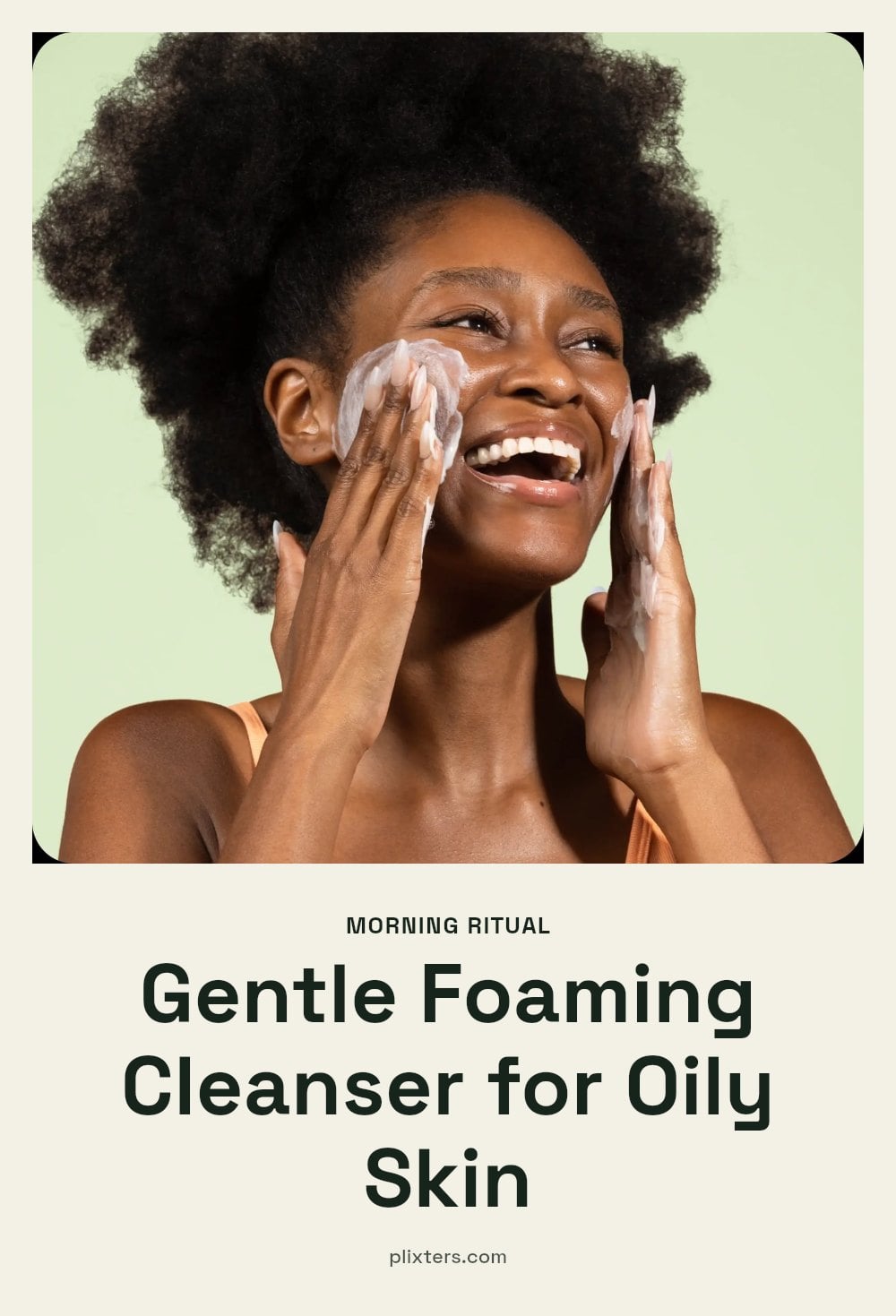
- Gentle foaming or gel cleanser: Removes excess oil without stripping your skin’s barrier.
- Oil-free, non-comedogenic moisturizer: Hydrates without clogging pores.
- Salicylic acid (BHA) serum or toner: Exfoliates inside pores and helps reduce breakouts.
- Oil-free, broad-spectrum sunscreen: Protects from sun damage without adding grease.
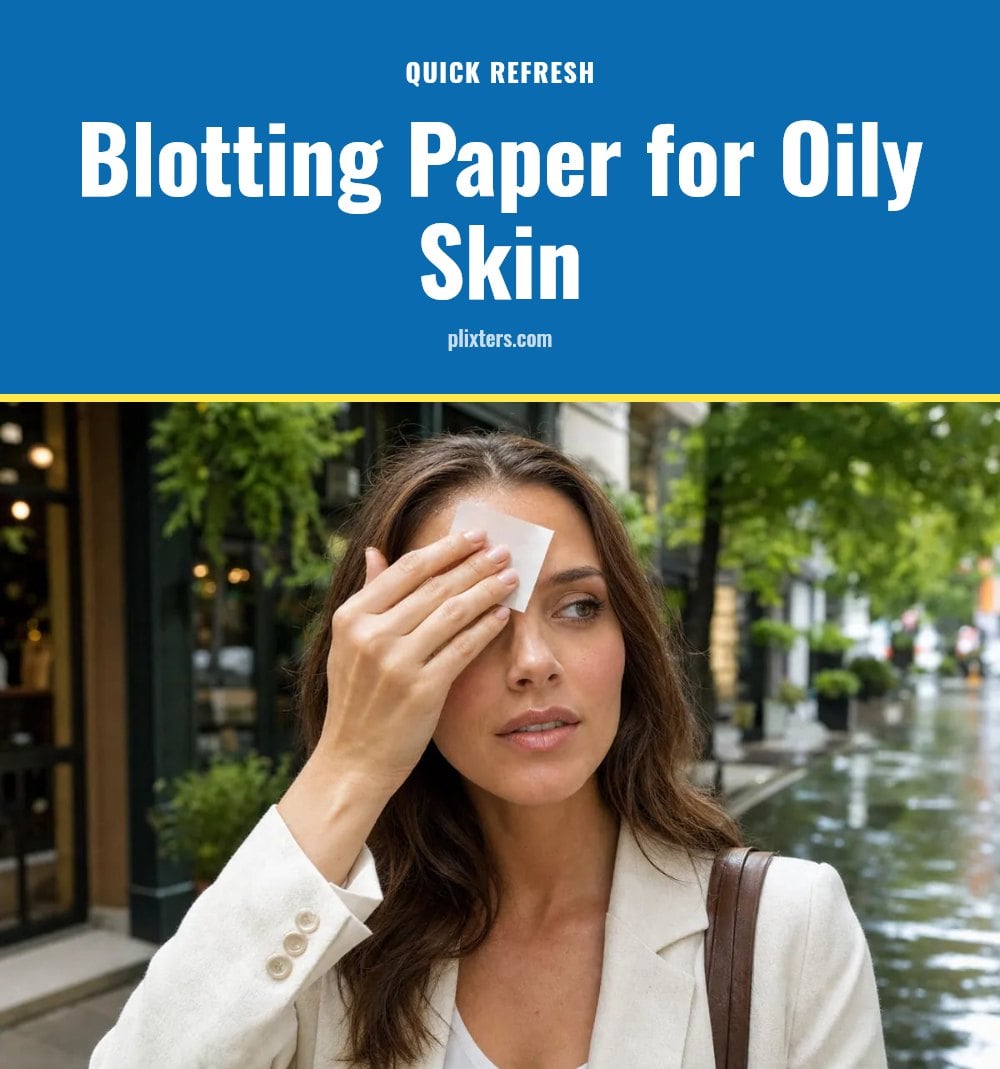
- Blotting papers: Absorb shine quickly throughout the day, even over makeup.
- Clay mask: Temporarily draws out surface oil and purifies pores when used weekly.
- Niacinamide serum: Helps regulate sebum production and strengthens the skin barrier.
- Benzoyl peroxide spot treatment (optional): Targets stubborn breakouts directly.
Your Daily Routine for Balanced Oily Skin

Consistency is key for balanced skin. Here is my daily routine:
- Cleanse twice daily: Use a gentle foaming or gel cleanser in the morning and evening to remove oil and impurities without over-drying.
- Moisturize every time: Apply a lightweight, oil-free, non-comedogenic moisturizer right after cleansing to keep your skin hydrated and prevent rebound oil production.
- Exfoliate with BHA: Incorporate a salicylic acid exfoliant 2-3 times a week, not daily, to unclog pores and smooth texture.
- Apply sunscreen: Finish your morning routine with a broad-spectrum, oil-free sunscreen. This protects your skin and prevents sun damage that can worsen oiliness.
- Wash after sweating: Cleanse your face right after exercise or heavy sweating to stop sweat and oil from clogging pores.
Targeted Treatments for Oily Skin Concerns
Beyond your daily routine, targeted treatments can give oily skin extra help. Here is how I use each one:
Clay Masks
Use a clay mask once or twice a week to absorb surface oil and pull out impurities from pores. Leave it on for 10-15 minutes, then rinse with warm water. Do not overuse it, as too much can dry out your skin.
Niacinamide
Incorporate a niacinamide serum into your morning or evening routine. It helps regulate sebum production over time and improves skin texture. A few drops after cleansing and before moisturizing work well.
Salicylic Acid
Use a BHA exfoliant with salicylic acid 2-3 times a week. It penetrates deep into pores to clear out oil and prevent breakouts. Apply it after cleansing and let it absorb before your moisturizer.
Blotting Papers
Keep blotting papers in your bag for midday shine. Gently press them against oily areas, like your T-zone, to absorb excess oil without disturbing your makeup.
Benzoyl Peroxide
For active acne breakouts, apply a benzoyl peroxide spot treatment directly to the blemish. Use it only on the spot, not all over, and start with a low concentration to avoid irritation.
Common Oily Skin Mistakes to Avoid
One of the biggest mistakes I see is skipping moisturizer because your skin feels greasy. Without hydration, your skin can actually produce more oil to compensate. Harsh alcohol-based toners and cleansers do the same thing. They strip your skin, triggering a rebound effect that makes oiliness worse.
Over-exfoliating is another trap. Scrubbing or using acids too often irritates your skin and can ramp up oil production. Stick to exfoliating 2-3 times a week at most. And never sleep in your makeup; clogged pores lead to breakouts. Finally, check labels: products not labeled non-comedogenic can block pores and make oiliness and acne worse.
Keeping Oil at Bay: Long-Term Strategies
Keeping oil under control long-term comes down to habits you can stick with. A consistent routine of gentle cleansing and moisturizing every day is the foundation. Choose non-comedogenic makeup and skincare so nothing clogs your pores.
Sun protection matters too, sun damage can worsen oiliness and other skin issues. Wear an oil-free, broad-spectrum sunscreen daily. Manage stress when you can, since stress hormones can trigger more oil production. And always wash your face after sweating, whether from exercise or a hot day, to prevent pores from clogging.
What to Expect: Timeline and Investment for Oily Skin Care
With a consistent routine, you can expect to see noticeable improvements in oil control and skin clarity within 2-4 weeks. Optimal results usually take 8-12 weeks to fully show up, so patience pays off.
As for cost, skincare ranges widely. Drugstore options with key ingredients like salicylic acid and niacinamide can be very effective without a big price tag. Higher-end dermatologist-recommended brands are also available if you prefer them. The key is investing in the right actives, not the price point.
When to Consult a Dermatologist for Oily Skin
If you have severe acne or persistent oiliness that doesn’t improve with a consistent at-home routine, it’s time to see a dermatologist. Also seek professional help if over-the-counter products cause excessive redness, burning, itching, or peeling.
Consult a dermatologist if you suspect your oiliness is linked to a medical condition or hormonal imbalance. They can provide personalized advice, prescription-strength treatments, or advanced procedures like chemical peels that aren’t available over the counter.
Frequently Asked Questions
Can diet affect oily skin?
While diet is not a direct cause of oily skin, some people find that high-glycemic foods or dairy can influence their skin’s oiliness and breakouts. Staying hydrated and eating a balanced diet may support overall skin health, but it is not a substitute for a consistent skincare routine.
How often should I use a clay mask for oily skin?
You can use a clay mask once or twice a week to absorb surface oil and draw impurities from your pores. Leave it on for 10-15 minutes, then rinse. Overusing it can dry out your skin, so stick to that frequency for the best results.
Is it bad to use blotting papers?
No, blotting papers are a safe and effective way to remove excess oil from your skin’s surface throughout the day without disturbing your makeup or skincare. Gently press the paper against shiny areas, do not rub, and use as needed.
Can stress make my skin more oily?
Yes, stress can trigger hormonal fluctuations that may increase sebum production. While managing stress alone won’t cure oily skin, incorporating stress-reducing habits like adequate sleep and relaxation can support your overall skincare efforts.
What’s the difference between oily skin and combination skin?
Oily skin produces excess sebum all over your face, leading to a consistently shiny complexion and enlarged pores. Combination skin has both oily areas (usually the T-zone: forehead, nose, and chin) and dry or normal areas on the cheeks and jawline.
Are there specific ingredients to avoid if I have oily skin?
Yes, avoid heavy, pore-clogging ingredients like coconut oil, cocoa butter, and lanolin. Also steer clear of harsh alcohol-based toners and cleansers that strip your skin, as they can trigger more oil production. Look for products labeled non-comedogenic instead.
Final Thoughts
My best advice is to stick with a consistent daily routine of gentle cleansing, lightweight moisturizing, and daily sun protection. You can expect to see noticeable improvements in oil control and skin clarity within 2-4 weeks, with optimal results showing up after 8-12 weeks of consistent care. Patience and the right products make all the difference for balanced, healthy-looking skin.
This article is for general informational purposes only and does not constitute medical or dermatological advice. Individual results may vary, and you should consult a qualified dermatologist or healthcare professional for persistent or severe skin concerns, including acne or excessive oiliness.




