 Save
Dealing with flakes and an itchy scalp can be frustrating, but you don’t always need a prescription to find relief. Dandruff is a common scalp condition caused by a yeast-like fungus that feeds on natural oils, and many effective solutions start right in your kitchen. This article covers the most effective natural remedies you can try at home, along with tips for long-term management and when to see a dermatologist.
Key Takeaways
- Dandruff is caused by an overgrowth of Malassezia fungus, not poor hygiene alone.
- Dilute 5-10 drops of tea tree oil in a carrier oil before applying to your scalp.
- Use natural remedies consistently 2-3 times a week for several weeks to see results.
- Avoid scratching, hot water, and heavy oily products on your scalp.
- Consult a dermatologist if dandruff is severe, persistent, or includes redness or swelling.
9 ideas in this post
- What Causes Dandruff and How Natural Remedies Help
- Effective Natural Remedies to Treat Dandruff
- Supplies for Your DIY Dandruff Treatments
- Common Dandruff Treatment Mistakes to Avoid
- Keeping Dandruff Away: Long-Term Prevention Tips
- How Long Until You See Results and What to Expect
- When to Consult a Dermatologist for Dandruff
- Frequently Asked Questions
- Final Thoughts
What Causes Dandruff and How Natural Remedies Help
Dandruff is a common scalp condition, a mild form of seborrheic dermatitis, caused by an overgrowth of a yeast-like fungus called Malassezia globosa. This yeast feeds on the natural oils on your scalp, leading to irritation and flaky skin. Natural remedies can help by reducing fungal growth, soothing inflammation, and moisturizing the scalp, offering a gentle alternative to harsh chemicals.
Effective Natural Remedies to Treat Dandruff
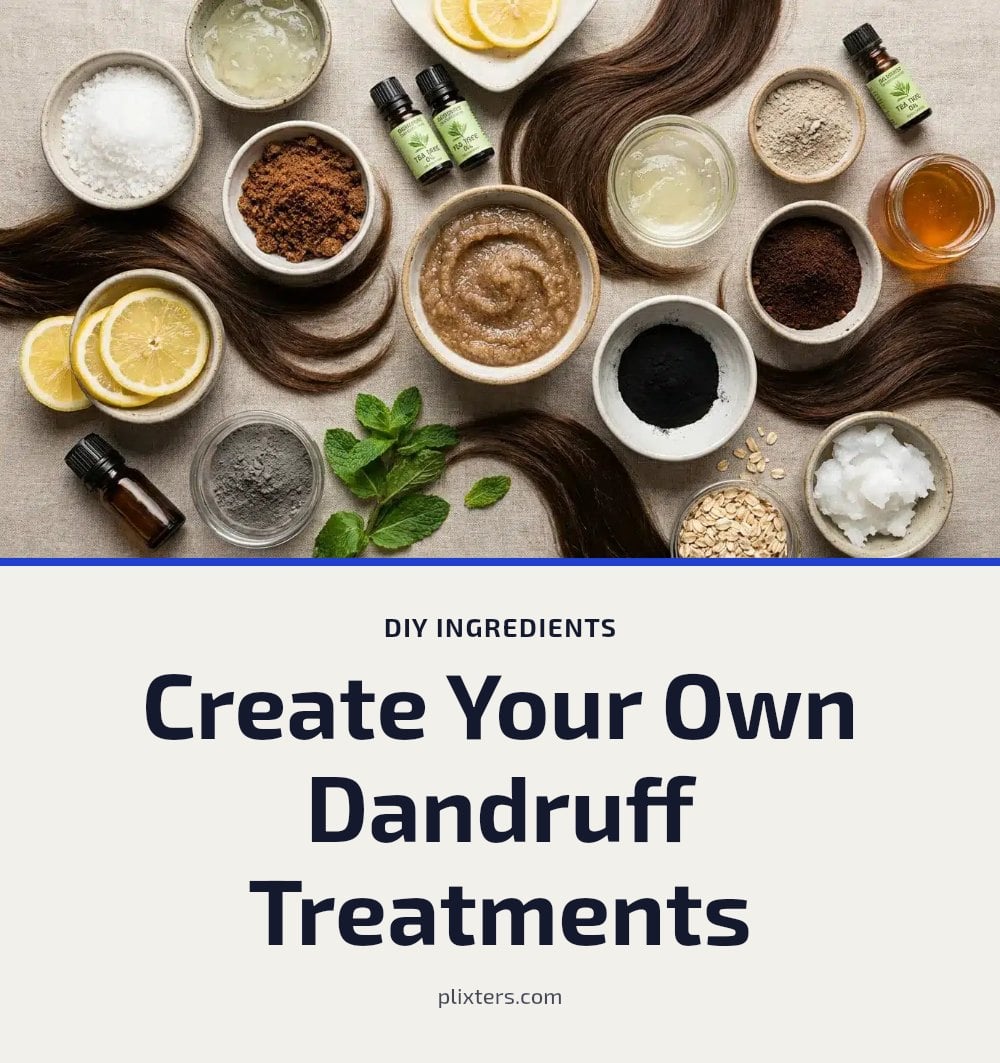
Tea Tree Oil
Tea tree oil has antifungal and antiseptic properties that may help reduce Malassezia on the scalp. Mix 5-10 drops of tea tree oil with 2 tablespoons of a carrier oil like jojoba or almond. Massage into your scalp, leave for 10-15 minutes, then rinse thoroughly. Always do a patch test on your inner arm before applying to your scalp.
Apple Cider Vinegar
Apple cider vinegar can help balance scalp pH and inhibit fungal growth, though scientific evidence is limited. Dilute one part vinegar with three parts water in a spray bottle. Spray onto your scalp, leave for 5-10 minutes, then rinse. Caution: Avoid getting it in your eyes, and don’t use it on broken skin.
Aloe Vera
Aloe vera has anti-inflammatory properties that can soothe an irritated scalp. Apply pure aloe vera gel directly to your scalp, leave it on for 10-15 minutes, then rinse with cool or lukewarm water. It can help reduce redness and itching.
Coconut Oil
Coconut oil moisturizes the scalp and may have antimicrobial effects. Warm a small amount of coconut oil in your hands and massage it into your scalp. Leave it on for 30 minutes or overnight, then wash with a gentle shampoo. Tip: Use it once a week to avoid buildup.
Aspirin
Aspirin contains salicylic acid, a common ingredient in medicated dandruff shampoos that helps exfoliate flakes. Crush 2 uncoated aspirin tablets into a fine powder, mix with a small amount of your regular shampoo. Massage into your scalp, leave for 2-3 minutes, then rinse thoroughly.
Supplies for Your DIY Dandruff Treatments
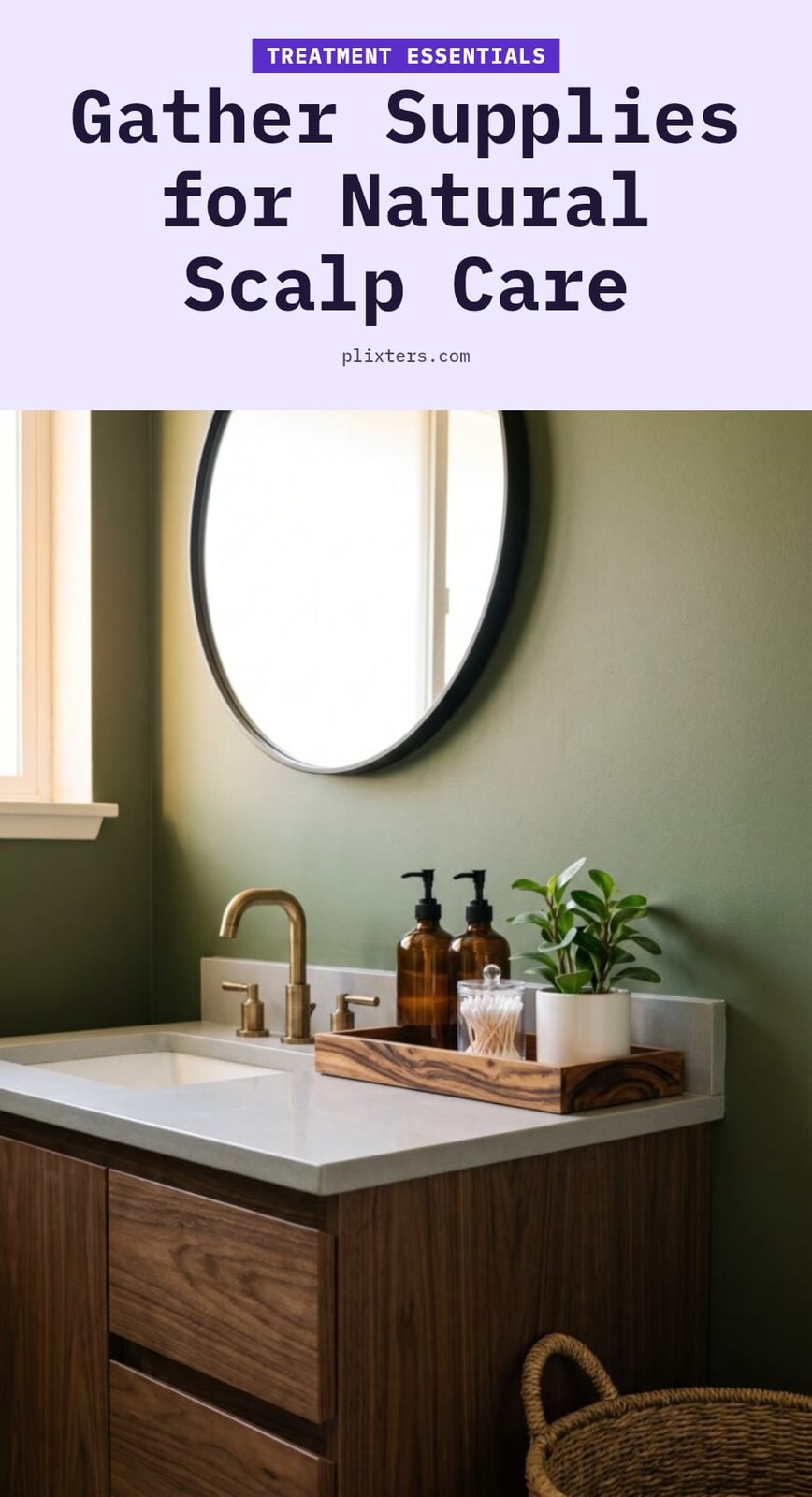
Before you start any DIY dandruff treatment, gather these supplies. Most are household staples or inexpensive to buy.
- Tea tree oil: for its antifungal properties.
- Apple cider vinegar: to balance scalp pH.
- Aloe vera gel: for soothing and anti-inflammatory effects.
- Coconut oil: for moisturizing and potential antimicrobial benefits.
- Uncoated aspirin: contains salicylic acid for exfoliation.
- Gentle shampoo: for regular washing.
- Carrier oil (e.g., jojoba, almond): for diluting essential oils.
- Spray bottle and cotton balls: for easy application.
Common Dandruff Treatment Mistakes to Avoid
Many people unknowingly make these mistakes that worsen dandruff. Avoid them for better results.
- Believing poor hygiene is the only cause: Dandruff is more complex than just not washing enough. Overwashing or using harsh products can irritate the scalp.
- Using harsh shampoos: These strip natural oils, leading to more irritation and flaking. Choose a gentle cleanser instead.
- Stopping treatment too soon: Consistency is key to preventing recurrence. Keep up your routine even after symptoms improve.
- Applying undiluted essential oils: Always dilute tea tree oil or other essential oils with a carrier oil to prevent irritation.
- Assuming all flakes are dandruff: Dry scalp has different needs. If your flakes are small and dry, you may need moisturizing, not anti-fungal treatment.
Keeping Dandruff Away: Long-Term Prevention Tips
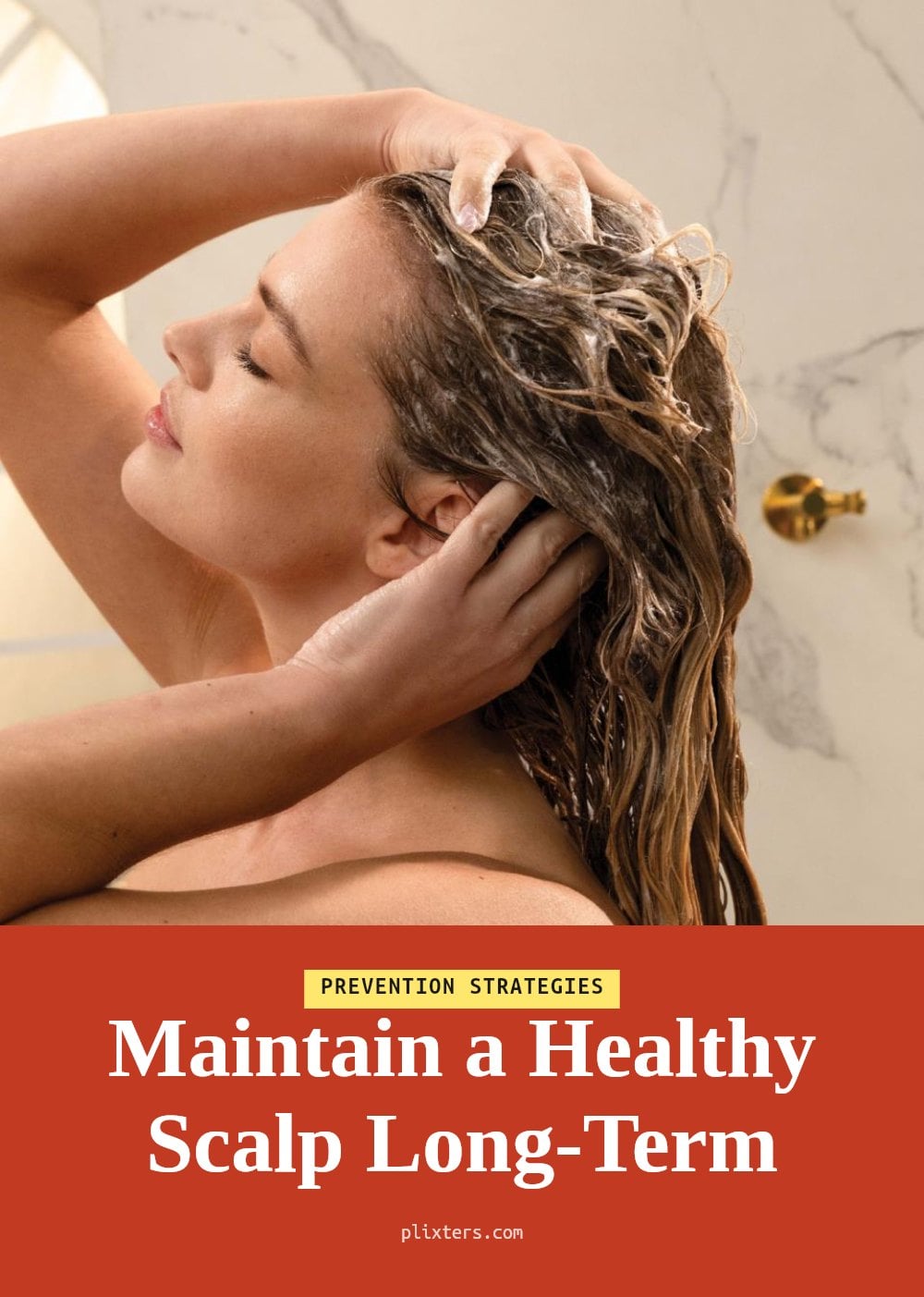
Shampoo regularly with a gentle cleanser to prevent oil buildup. Gently massage your scalp when you wash to loosen flakes and improve circulation. A diet rich in zinc, B vitamins, and healthy fats may support scalp health. Stress can significantly worsen dandruff symptoms, so finding ways to manage it helps. Moderate sun exposure on your scalp may suppress fungal growth, but avoid burning.
How Long Until You See Results and What to Expect
Consistent application of home remedies 2-3 times a week is often needed. Expect to see initial improvements within several weeks of regular use. Dandruff management is typically ongoing, requiring maintenance rather than a one-time fix. Natural remedies are generally low-cost, using common household ingredients or inexpensive oils.
When to Consult a Dermatologist for Dandruff
Consult a dermatologist if your dandruff is severe, persistent, or doesn’t improve with home remedies. Seek medical advice if you experience redness, swelling, or signs of infection on your scalp. Pain or sores on the scalp also warrant a professional opinion. If you’re unsure whether your flakes are dandruff or another scalp condition, a doctor can help.
Frequently Asked Questions
How often should I use natural dandruff remedies?
Most natural remedies work best when applied consistently 2-3 times a week. Overusing them, especially acidic ingredients like apple cider vinegar or abrasive ones like baking soda, can dry out your scalp or disrupt its pH balance. Stick to a gentle routine and adjust based on how your scalp responds.
Can stress make my dandruff worse?
Yes, stress can worsen dandruff symptoms. It can trigger inflammation and increase oil production on your scalp, which feeds the Malassezia fungus. Managing stress through relaxation techniques, exercise, or adequate sleep may help reduce flare-ups alongside your topical treatments.
Is dandruff contagious?
No, dandruff is not contagious. It is a common scalp condition caused by a fungus that naturally lives on most people’s scalps. You cannot catch dandruff from someone else or spread it to others, though it’s still good hygiene to avoid sharing combs, brushes, and hats.
What’s the difference between dandruff and dry scalp?
Dandruff flakes are usually larger, oily, and yellowish, often accompanied by an itchy scalp. Dry scalp flakes are smaller, white, and dry, and the scalp may feel tight or dry. Dry scalp is typically caused by lack of moisture, while dandruff is linked to fungal overgrowth and oil buildup. A dermatologist can help you tell them apart.
Can diet affect dandruff?
A diet rich in zinc, B vitamins, and healthy fats like omega-3s may support scalp health and reduce inflammation. Some people find that cutting back on sugar and processed foods helps manage dandruff, though diet alone is rarely a cure. It’s best used as part of a broader scalp care routine.
Final Thoughts
For most people, a consistent routine with diluted tea tree oil or aloe vera can make a real difference in managing flakes and itch. Remember that dandruff often requires ongoing maintenance rather than a one-time cure, so stick with your chosen remedy for at least a few weeks. If your symptoms don’t improve or worsen, it’s time to get professional advice from a dermatologist.
This article is for informational purposes only and does not constitute medical advice. Dandruff symptoms can vary, and what works for one person may not work for another. If you have a persistent, severe, or painful scalp condition, or if you are unsure about your symptoms, please consult a dermatologist or healthcare professional.