
 Save
You want strong, healthy nails without spending hours or a fortune at the salon. The secret is a simple, consistent routine you can do at home. This article covers the essential tools, a step-by-step routine, common mistakes to avoid, and tips for keeping your nails in top shape between trims.
Key Takeaways
- Trim nails straight across and file in one direction to prevent splitting.
- Moisturize cuticles and nails daily, especially after washing hands.
- Wear gloves for household chores to protect nails from chemicals and water.
- Use a non-acetone nail polish remover to avoid drying out your nails.
- See a doctor if you notice persistent pain, swelling, or changes in nail color.
9 ideas in this post
- Why a Simple Nail Care Routine Matters
- Essential Tools for Your Nail Care Kit
- Your Step-by-Step Nail Care Routine
- Common Nail Care Mistakes and How to Avoid Them
- Smart Tips for Stronger, Healthier Nails
- Maintaining Your Nails: Beyond the Routine
- When to Consult a Doctor or Dermatologist
- Frequently Asked Questions
- Final Thoughts
Why a Simple Nail Care Routine Matters
A consistent, gentle nail care routine is the foundation for strong, healthy nails and cuticles. It focuses on three simple actions: gentle cleaning, proper shaping, and regular moisturizing. This approach prevents common problems like breakage, dryness, and infections before they start. Regular at-home maintenance also protects your nails from daily wear and tear, helping them look and feel their best without harsh treatments.
Essential Tools for Your Nail Care Kit
To build a solid nail care routine, you need a few basic tools. Each one has a specific job:
- Nail clippers for trimming length to a manageable size.
- A nail file (glass or emery board) for shaping edges smoothly.
- A cuticle pusher (wood or rubber tipped) for gentle cuticle care.
- A soft nail brush for cleaning under and around nails.
- Hand cream or cuticle oil for daily moisturizing.
- Gentle, non-acetone nail polish remover to avoid excessive dryness.
- Protective gloves for household chores that expose nails to chemicals or water.
Your Step-by-Step Nail Care Routine
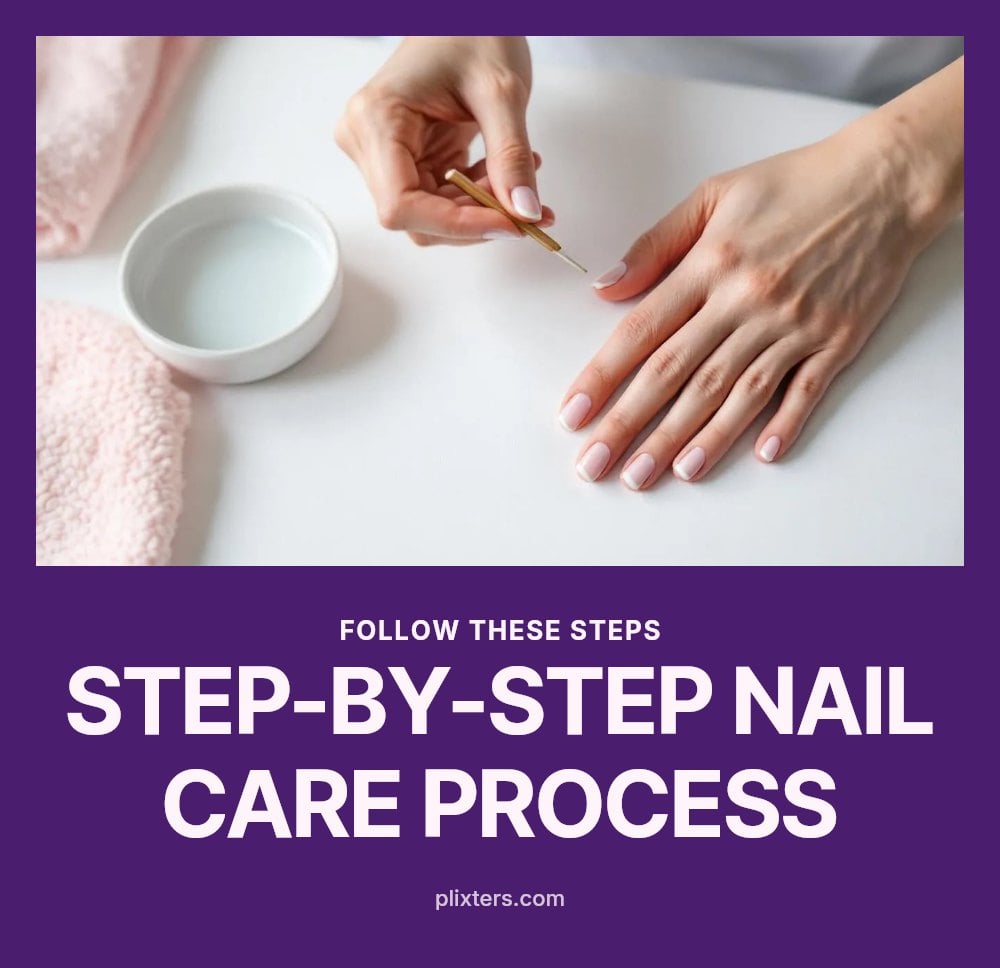
- Clean your nails: Use a soft nail brush with soap and warm water to gently remove dirt and debris from under and around your nails.
- Trim regularly: Cut nails straight across to a manageable length using nail clippers, which helps prevent snagging and breakage.
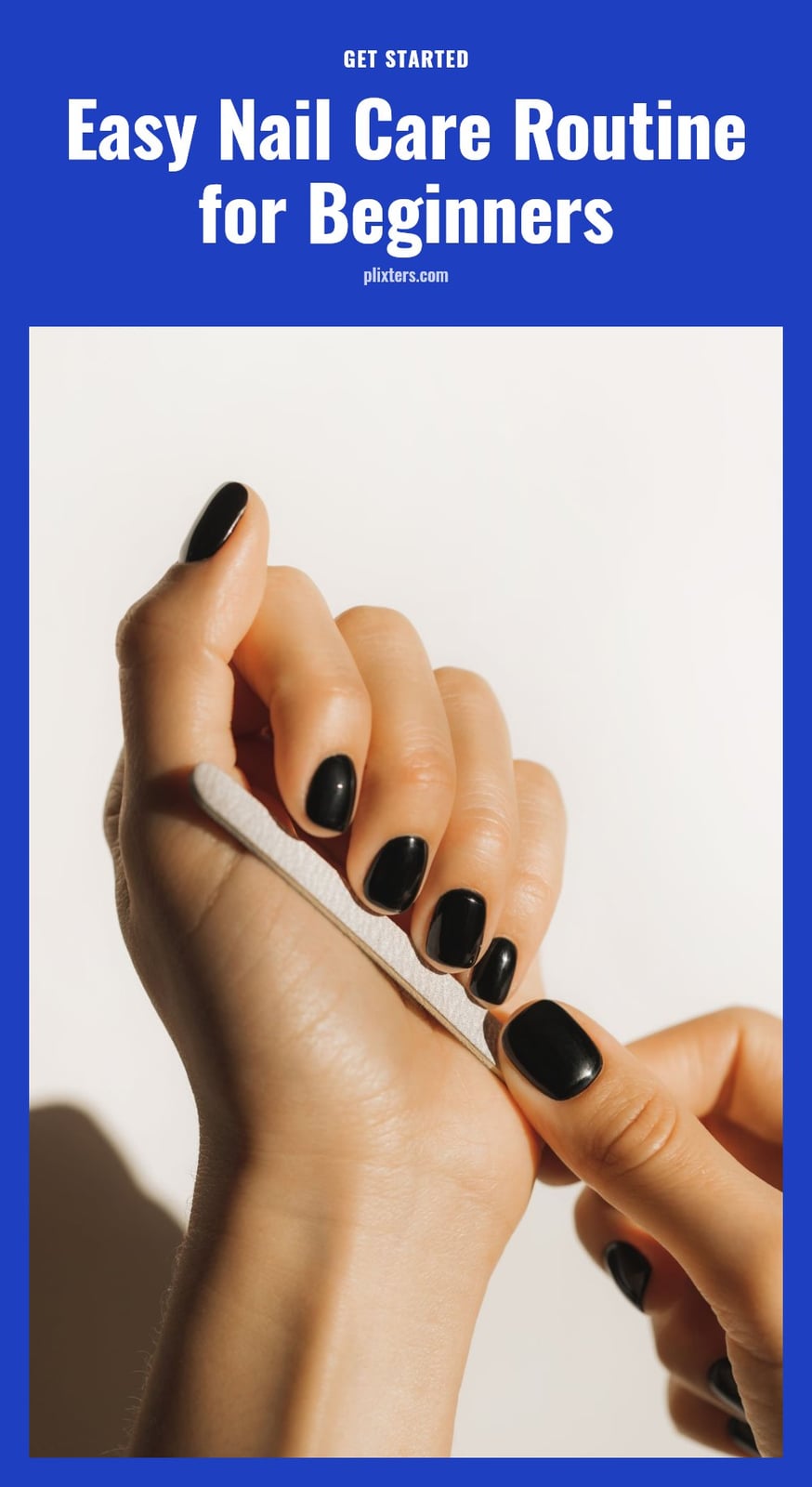
- File in one direction: Use a nail file to shape the edges, always filing from the side toward the center in one direction to avoid splitting.
- Push back cuticles gently: After a shower when cuticles are soft, use a cuticle pusher to gently nudge them back. Do not cut them, as the cuticle acts as a protective barrier against bacteria.
- Moisturize daily: Apply hand cream or cuticle oil to your nails and cuticles every day to improve flexibility and prevent dryness.
- Apply a base coat: Before adding nail polish, use a base coat to prevent staining and help polish adhere better.
Common Nail Care Mistakes and How to Avoid Them
Even a good routine can be undermined by common mistakes. Here is what to avoid and what to do instead:
- Cutting cuticles: This can lead to infection. Gently push them back after a shower instead.
- Filing aggressively back and forth: This causes damage and splitting. Always file in one direction.
- Skipping moisturizing: Dry, brittle nails and cuticles result from lack of moisture. Use cream or oil daily.
- Using harsh, acetone-based polish removers too often: These dry out nails. Switch to a non-acetone remover.
- Not wearing gloves during chores: Household chemicals and water weaken nails. Wear protective gloves.
- Ignoring changes in nail color or texture: This can delay addressing potential issues. If something looks unusual, consult a doctor or dermatologist.
Smart Tips for Stronger, Healthier Nails
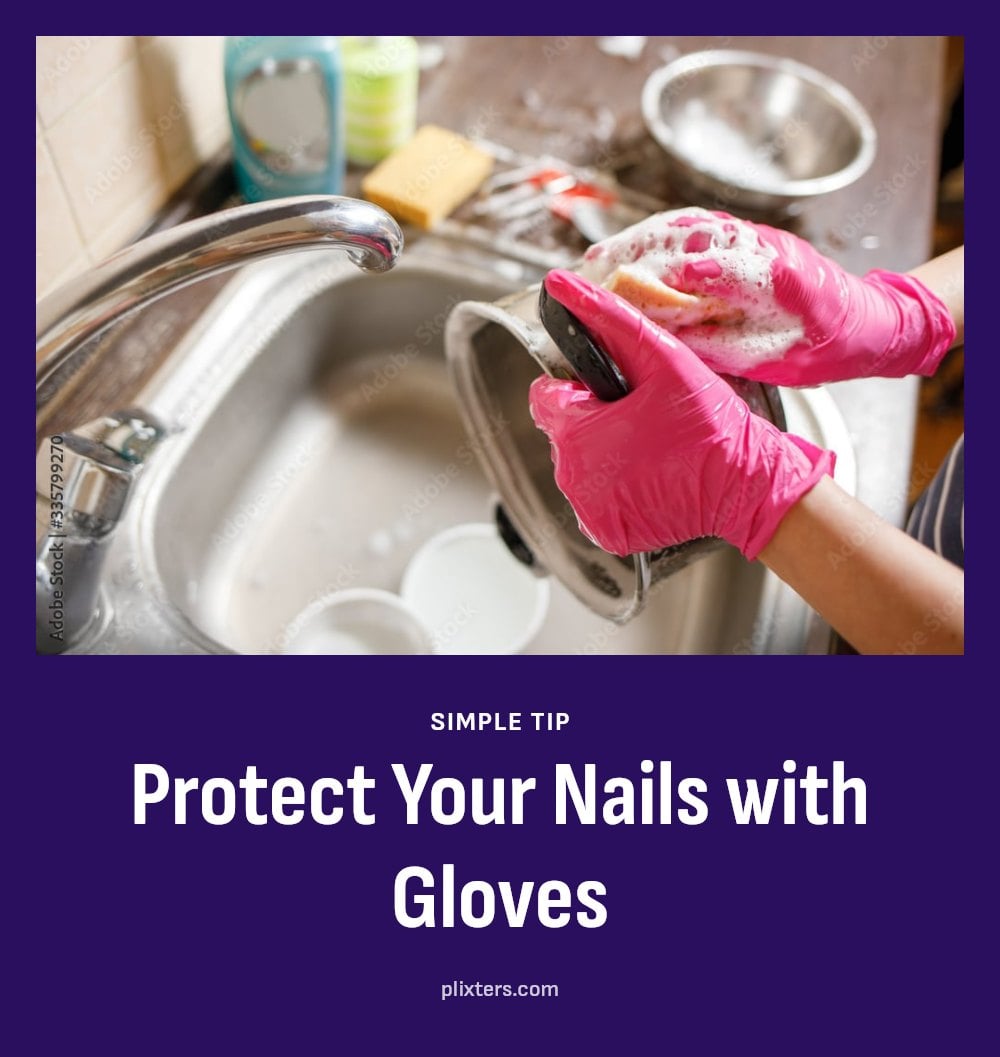
Wear gloves for household chores. Chemicals and prolonged water exposure weaken nails and dry out cuticles. A pair of rubber gloves makes a real difference.
Switch to a non-acetone nail polish remover. Acetone strips natural oils, leaving nails brittle. Non-acetone formulas are gentler and less drying.
A balanced diet supports nail strength from the inside. Protein, biotin, and zinc all play a role. You do not need a special supplement; whole foods work.
Avoid using your nails as tools. Opening cans or scraping stickers puts stress on the nail plate and can cause breakage. Use a proper tool instead.
Buff nails gently for a smooth surface and natural shine. Over-buffing thins the nail, so limit it to once a week or less.
Keep nails clean and dry to prevent fungal infections. Dry thoroughly after washing, especially under the tips.
Maintaining Your Nails: Beyond the Routine
Moisturize your hands and cuticles daily, even on days you skip the full routine. A quick dab of hand cream after each hand wash keeps dryness at bay.
Reapply cuticle oil throughout the day, especially after washing hands. It seeps into the nail bed and keeps the cuticle flexible.
Wear gloves in harsh environments, cold air, cleaning products, or gardening. They protect the nail barrier from damage.
Pay attention to changes in your nail health. Discoloration, ridges, or peeling that persists for weeks may signal an issue.
Nails grow about 2 to 3 millimeters per month. Consistency in your daily habits is what leads to visible improvement over time.
When to Consult a Doctor or Dermatologist
Consult a doctor or dermatologist if you notice persistent pain, swelling, or redness around your nails. These can be signs of infection.
Seek medical advice if pus or other discharge appears. Do not try to drain it yourself.
Significant changes in nail color, texture, or shape that do not resolve after a few weeks warrant a professional evaluation.
Severe or unexplained nail trauma, like a nail lifting from the bed or a deep cut, also needs medical attention. These symptoms may indicate an underlying health issue that requires proper diagnosis.
Frequently Asked Questions
How often should I do a full nail care routine?
For most people, a full routine of trimming and filing once a week is enough. Moisturize your cuticles and hands daily, even on days you skip the rest. Adjust based on how fast your nails grow (about 2-3 millimeters per month).
Can diet really affect my nail health?
Yes, a balanced diet contributes to overall nail health. Nutrients like biotin, zinc, and protein help nails grow stronger. While it is not a quick fix, eating well supports the nail bed and can reduce brittleness over time.
Is it better to cut or file nails?
Both have a role. Use clippers to shorten nails to a manageable length, which prevents snagging. Then use a file to smooth the edges and shape them. Filing alone is fine for maintaining length, but clipping is more efficient for major shortening.
What’s the difference between acetone and non-acetone removers?
Acetone removers are stronger and work faster, but they strip natural oils from nails and cuticles, leaving them dry and brittle. Non-acetone formulas are gentler and less drying, making them a better choice for regular use, especially if you have weak nails.
Final Thoughts
Stick with the basics: trim, file, moisturize, and protect. That weekly routine plus daily hand cream is enough for most people. Don’t expect overnight changes, but with consistent care, you will see fewer breaks and healthier cuticles over a few months. Keep it simple and your nails will thank you.
This article provides general information and is not a substitute for professional medical advice. If you have persistent pain, swelling, or changes in your nails or skin, consult a doctor or dermatologist for a proper diagnosis and treatment plan.




