 Save
Building muscle as a woman might feel like a mystery, but it really comes down to three things: lifting weights, eating enough protein, and letting your body rest. If you’ve been avoiding the dumbbells because you’re worried about getting bulky, here’s the good news: that fear is mostly unfounded. This article walks you through the simple, proven steps to build strength, change your body composition, and feel more confident in your own skin.
Key Takeaways
- Lift weights, use bands, or do bodyweight exercises to trigger muscle growth.
- Gradually increase weight, reps, or sets to keep making progress.
- Aim for 0.7 to 1.0 grams of protein per pound of body weight daily.
- Get 7 to 9 hours of sleep and include rest days each week.
- Noticeable strength changes can appear in weeks, but visible muscle takes months.
15 ideas in this post
- Unlock Your Strength: How Women Build Muscle
- 1. Prioritize Resistance Training
- 2. Embrace Progressive Overload
- 3. Eat Enough Protein
- 4. Consider a Caloric Surplus
- 5. Prioritize Rest and Recovery
- 6. Get Enough Quality Sleep
- 7. Stay Hydrated
- 8. Don’t Fear ‘Bulking Up’
- 9. Track Your Progress
- 10. Be Patient and Consistent
- 11. Consult a Professional
- Common Muscle Gain Mistakes to Avoid
- Frequently Asked Questions
- Final Thoughts
Unlock Your Strength: How Women Build Muscle
Building muscle as a woman, what trainers call hypertrophy, comes down to three things: consistent resistance training, enough protein, and real rest. The process works the same as it does for men, but the fear of “bulking up” is mostly unfounded because our bodies naturally have lower testosterone levels. Focus on getting stronger, lifting progressively heavier, and feeding your muscles, and you’ll see leaner, more defined results without turning into a bodybuilder.
1. Prioritize Resistance Training
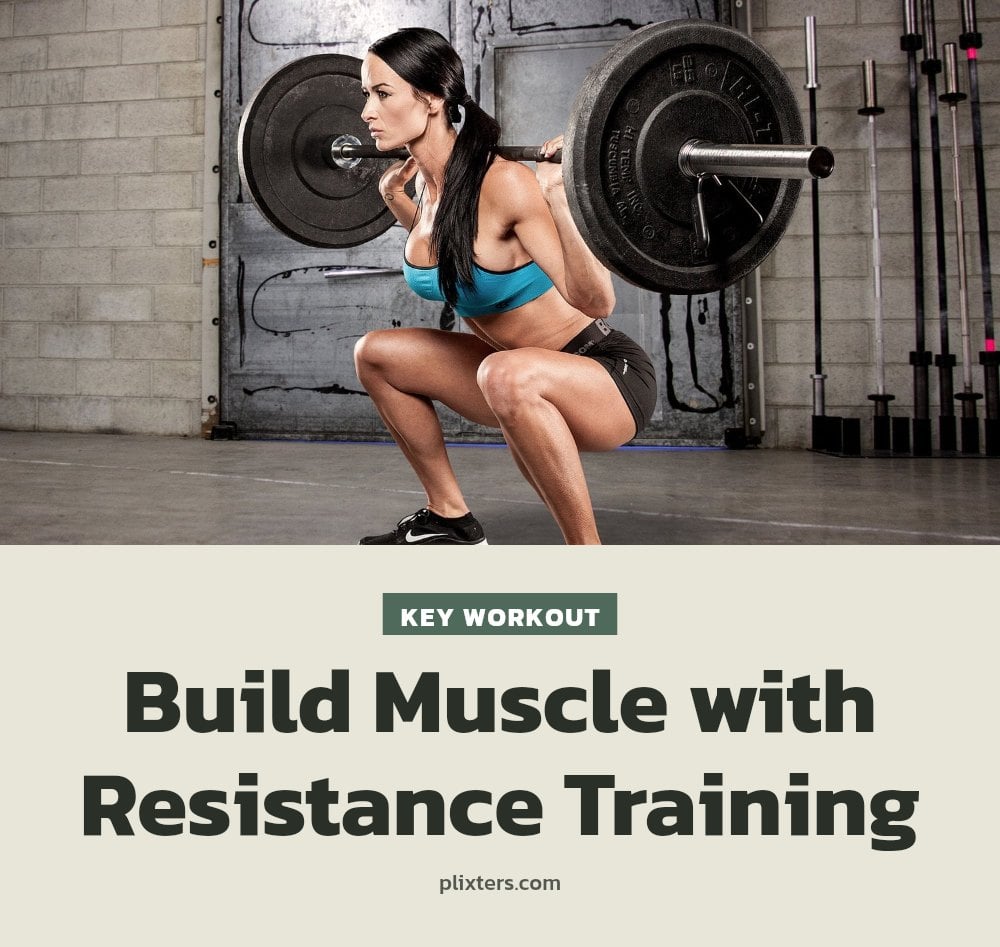
Resistance training is the number one trigger for muscle growth. That means lifting weights, using resistance bands, or working with your own bodyweight. The goal is to challenge your muscles enough to create micro-tears, which then repair and grow back stronger. I’ve tried them all, and consistent weight training gives the clearest results.
Focus on compound exercises that work multiple muscle groups at once:
- Squats target legs, glutes, and core
- Deadlifts engage your entire posterior chain
- Bench presses build chest, shoulders, and triceps
- Rows strengthen your back and biceps
My tip: start with a weight you can control with good form for 8-12 repetitions. Proper form prevents injury and makes every rep count.
2. Embrace Progressive Overload
To keep building muscle, you can’t do the same workout forever. Progressive overload means gradually increasing the demands on your muscles over time. You can lift heavier weights, do more repetitions or sets, or even shorten your rest periods between sets. Your muscles need a reason to adapt, and that reason is constant challenge.
Without progressive overload, your muscles have no stimulus to get stronger or bigger. My tip: keep a workout journal. It’s super motivating to look back and see how much stronger you’ve become each week.
3. Eat Enough Protein

Protein is the building block your muscles need to repair and grow. When you work out, you create tiny tears in your muscle fibers, and protein provides the amino acids that rebuild them stronger. Aim for about 0.7 to 1.0 grams of protein per pound of your body weight each day. Spread that intake across all your meals and snacks so your body has a steady supply.
My tip: protein powder can be a convenient way to hit your targets, especially after a workout when your muscles are ready to absorb nutrients.
4. Consider a Caloric Surplus
For optimal muscle gain, especially when you are starting out, you generally need to consume slightly more calories than you burn. This caloric surplus gives your body the extra energy it needs to fuel intense workouts and build new muscle tissue. It does not mean eating everything in sight, but being mindful of your intake.
Caution: Do not drastically cut calories if your goal is muscle gain. That can actually hinder your progress. My tip: focus on nutrient-dense foods rather than empty calories when increasing your intake.
5. Prioritize Rest and Recovery
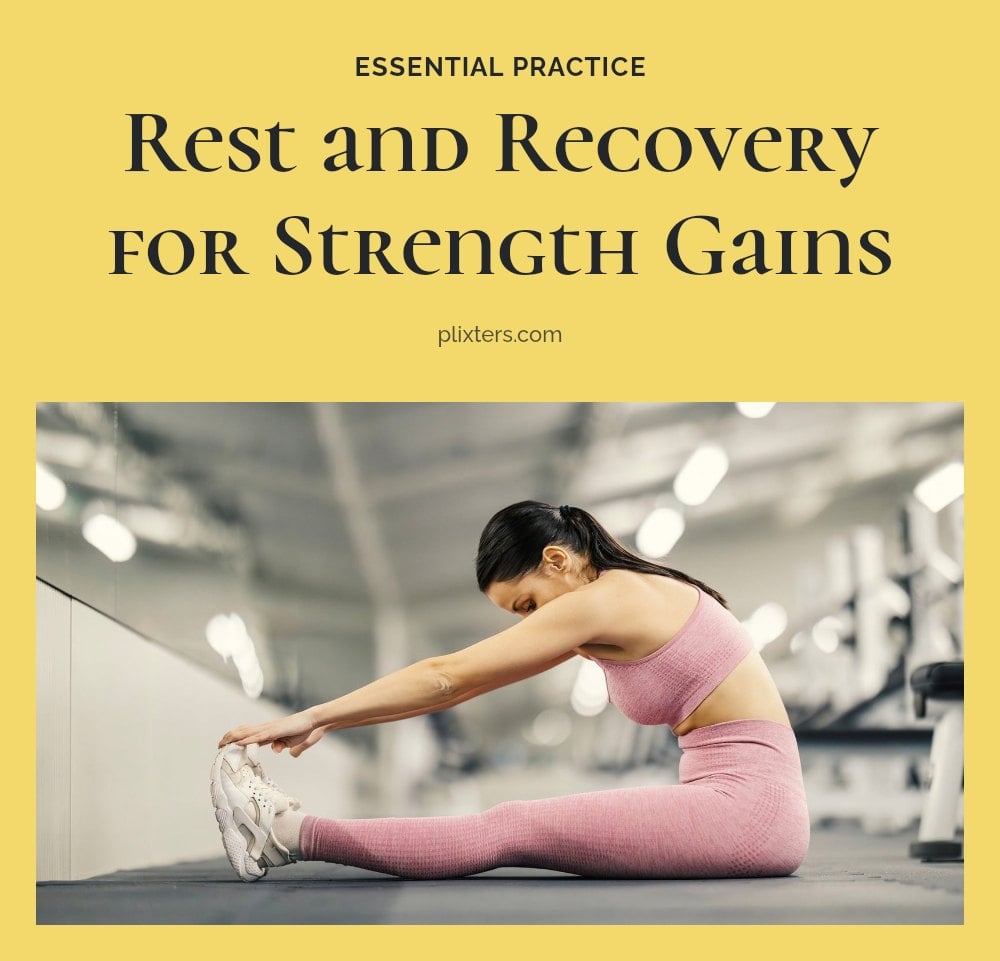
Training is only half the battle. Muscle repair and growth primarily happen when you are resting. This means you need to incorporate rest days into your weekly routine and listen to your body. Overtraining can lead to fatigue, injury, and actually slow down your progress.
My tip: active recovery, like a gentle walk or stretching, can sometimes be beneficial on rest days. It promotes blood flow without stressing your muscles too much.
6. Get Enough Quality Sleep
Sleep is a superpower for muscle gain. It plays a vital role in muscle recovery and hormone regulation, both of which directly impact your ability to build muscle. Aim for 7 to 9 hours of quality sleep each night. This is when your body does its best work repairing and rebuilding.
Tip: create a consistent bedtime routine to help improve your sleep quality. Dim lights, avoid screens, and relax before bed.
7. Stay Hydrated

Drinking enough water is often overlooked but it is crucial for overall health and muscle function. Dehydration can impair your performance in the gym and hinder recovery. Your muscles are largely made of water, so keeping them hydrated is key for optimal function and growth.
Good to know: carry a reusable water bottle with you throughout the day to remind yourself to sip regularly.
8. Don’t Fear ‘Bulking Up’
I’ve heard it countless times: ‘I don’t want to get bulky.’ But here’s the reality: women typically have much lower levels of testosterone than men, which is the primary hormone responsible for significant muscle mass. Building large amounts of muscle is incredibly difficult without intentional heavy lifting and a major caloric surplus.
You’ll get stronger, more toned, and improve your body composition, but it’s highly unlikely you’ll ‘bulk up’ unintentionally. Pro move: focus on how strong and capable you feel, not just the number on the scale or the size of your muscles.
9. Track Your Progress
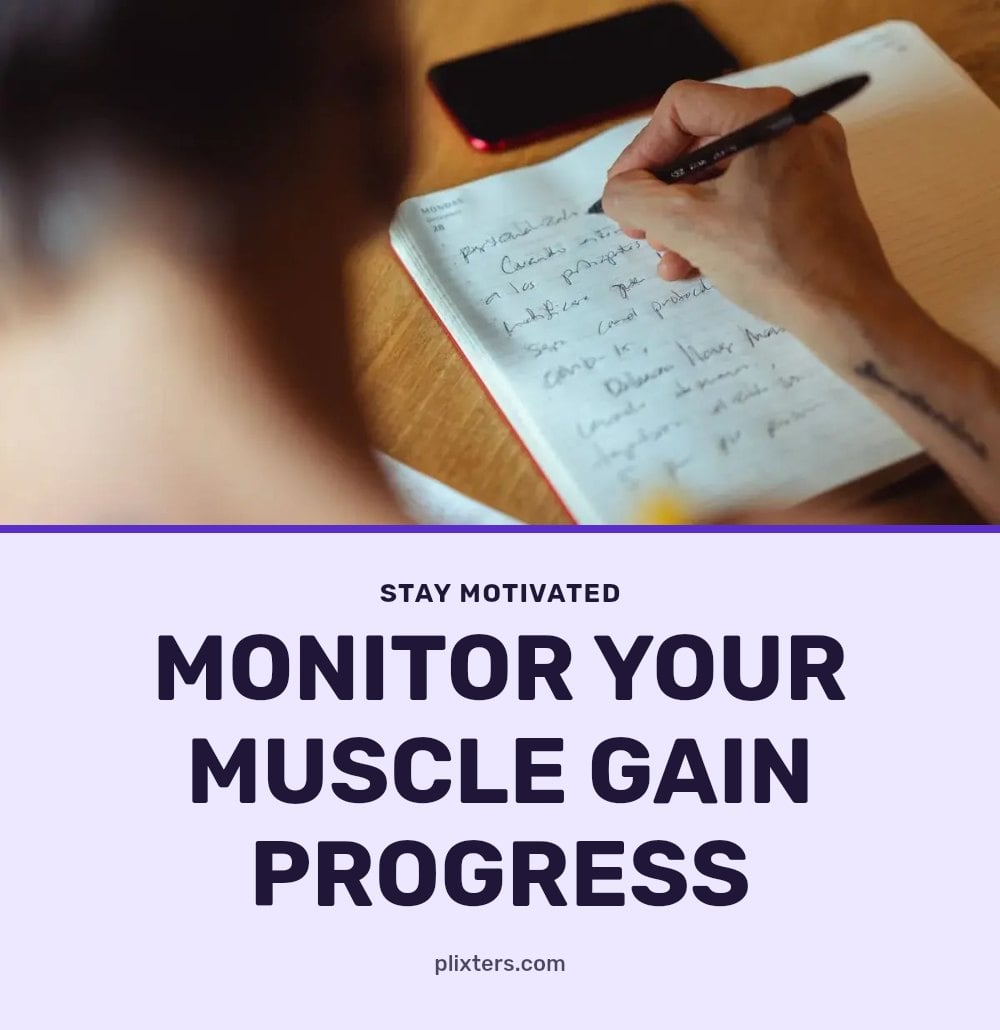
Monitoring your food intake and workouts can be incredibly motivating and help you identify what’s working and what isn’t. Tracking your lifts allows you to ensure progressive overload, and tracking your nutrition helps you hit your protein and calorie targets. You can use an app or a simple notebook.
Quick tip: focus on small, consistent improvements rather than drastic changes. Celebrate every personal best.
10. Be Patient and Consistent
Muscle gain is not an overnight process. You’ll likely notice changes in your strength within a few weeks, but visible muscle gain typically takes several months of consistent effort. It’s a marathon, not a sprint.
Consistency in both your training schedule and nutrition habits is the most important factor for seeing results. Don’t compare your progress to others; everyone’s journey is unique. Tip: find a workout routine you genuinely enjoy so it’s easier to stick with it long-term.
11. Consult a Professional

Before starting any new exercise program, especially if you have pre-existing health conditions, it’s always a good idea to consult a healthcare professional or doctor. They can ensure you’re healthy enough for vigorous activity and provide personalized advice.
Additionally, if you’re unsure about proper lifting form or nutrition strategies, consider working with a certified personal trainer or a registered dietitian. They can provide tailored guidance to help you reach your goals safely and effectively. Good to know: investing in a few sessions with a trainer can save you time and prevent injuries.
Common Muscle Gain Mistakes to Avoid
Not eating enough protein: This is a big one. Your muscles need protein to repair and grow, so make sure you are hitting your daily targets of 0.7 to 1.0 grams per pound of body weight.
Failing to progressively overload: If you always lift the same weight for the same reps, your muscles have no reason to get stronger. Challenge yourself by adding a little more weight or an extra rep each week.
Neglecting rest and recovery: Muscle is not built in the gym; it is built during rest. Prioritize sleep and rest days to let your body repair.
Focusing too much on isolation exercises: Isolation moves have their place, but compound exercises like squats and deadlifts work multiple muscle groups at once and give you more results per minute.
Fearing ‘bulking up’ and not lifting heavy enough: As we covered, it is tough for women to bulk up unintentionally. Do not be afraid to lift weights that feel challenging.
Inconsistent training and nutrition: Sporadic efforts will not yield results. Consistency in both your workouts and your eating habits is the real key to long-term muscle gain.
Frequently Asked Questions
How long does it take for women to see muscle gain?
You might notice strength improvements within a few weeks, but visible muscle gain usually takes several months of consistent training and proper nutrition. Everyone’s timeline is different, so focus on your own progress rather than comparing to others.
Can women build muscle without supplements?
Yes, absolutely. Whole foods like chicken, fish, eggs, beans, and dairy provide all the protein you need to support muscle growth. Supplements like protein powder are convenient but not necessary. Focus on a balanced diet first and consider supplements only if you struggle to meet your protein goals.
What are the best exercises for women to build muscle?
Compound exercises that work multiple muscle groups at once are highly effective. Think squats, deadlifts, bench presses, rows, and lunges. These moves give you the most bang for your buck and are great for building overall strength.
Is it possible to lose fat and gain muscle at the same time?
Yes, especially for beginners. This is often called body recomposition. It usually requires a slight caloric surplus or maintenance, combined with resistance training and adequate protein. It takes patience, but it’s a realistic goal for many women.
How often should women lift weights to gain muscle?
Aim for at least two to three resistance training sessions per week, with rest days in between. This gives your muscles time to repair and grow. Consistency matters more than frequency, so find a schedule you can stick with.
Final Thoughts
My tip: start with compound moves like squats, deadlifts, and push-ups, and add a little more weight each week. Expect to feel stronger within a few weeks, but give yourself several months to see visible changes. Stay consistent, eat your protein, and don’t skip sleep. You’ve got this.
This article is for general information only and is not medical or professional advice. Always consult a doctor or qualified fitness professional before starting a new exercise program, especially if you have health conditions. If you experience pain or persistent issues, seek professional guidance.