
 Save
If you’re feeling overwhelmed, stressed, or just disconnected from the moment, you’re not alone. Mindfulness is a simple way to bring your attention back to the present, without needing to clear your mind or sit still for hours. This article covers what mindfulness is, how to start a daily practice, and several easy exercises you can try today to feel calmer and more focused.
Key Takeaways
- Start with just 5 to 10 minutes of mindfulness practice daily for gradual benefits.
- Focus on your breath as an anchor to bring your attention back to the present moment.
- Observe thoughts without judgment and let them pass like clouds.
- Explore different exercises like body scans or mindful walking to find what works for you.
- Be patient with yourself; a wandering mind is normal and part of the practice.
8 ideas in this post
- What is Mindfulness and Why Should You Try It?
- Essentials for Starting Your Mindfulness Practice
- How to Practice Mindfulness in Your Daily Life
- Different Mindfulness Exercises to Explore
- Common Mindfulness Mistakes and How to Avoid Them
- When to Consult a Professional About Mindfulness
- Frequently Asked Questions
- Final Thoughts
What is Mindfulness and Why Should You Try It?
Mindfulness means paying attention to the present moment on purpose and without judgment. It is a practice, not a destination, and many people find it helps reduce stress and improve focus. You do not need to clear your mind; the goal is simply to observe what is happening right now, your breath, sounds, or sensations, without getting caught up in them.
Essentials for Starting Your Mindfulness Practice
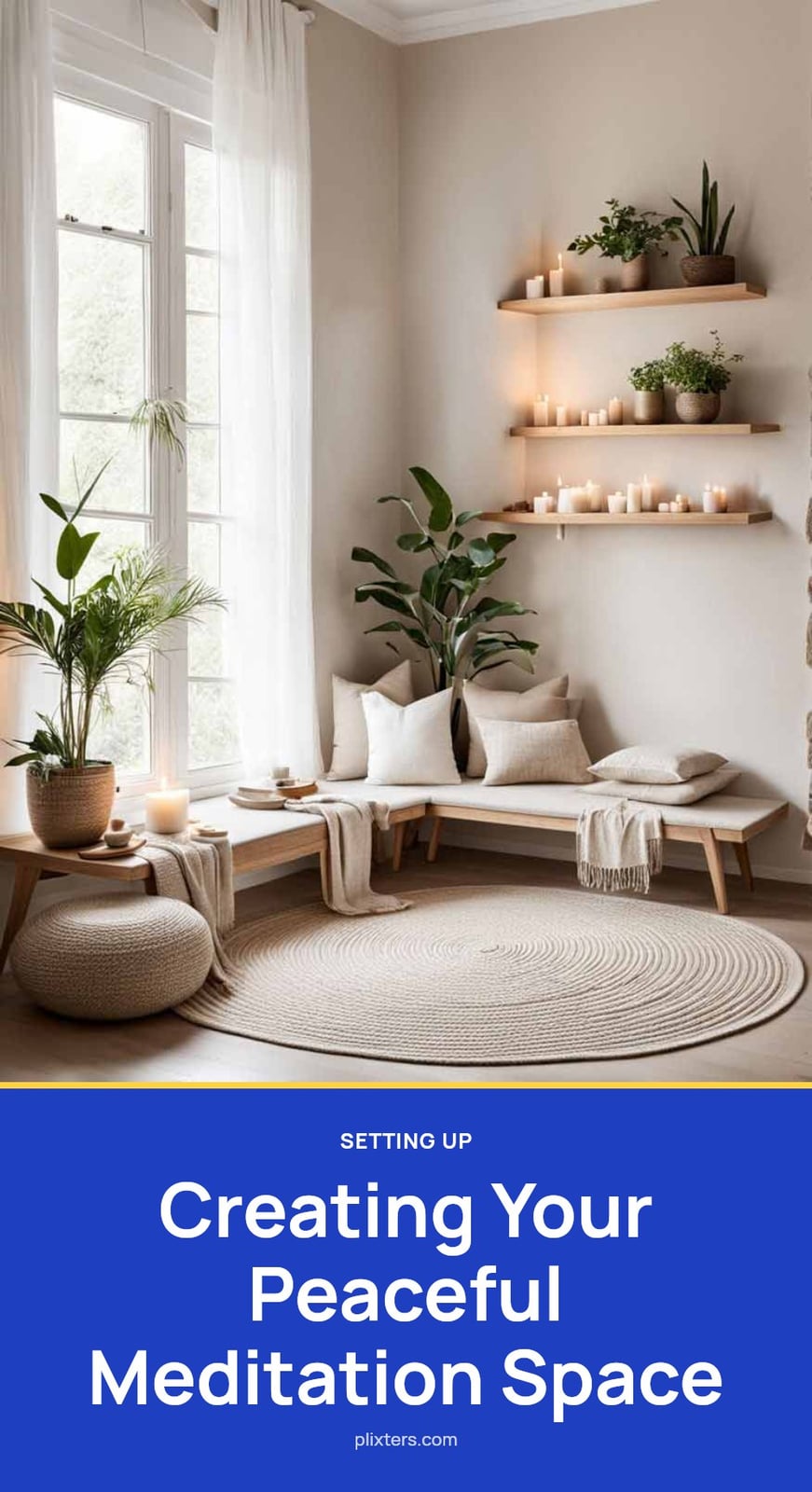
You do not need much to start. Here is what helps:
- Comfortable clothing: Wear something that does not restrict movement or distract you.
- A quiet space: Choose a spot with few distractions, especially when you are new to the practice.
- Optional tools: A cushion or chair for support and a timer to track your session. Most tools are optional; mindfulness is accessible anywhere.
How to Practice Mindfulness in Your Daily Life
- Find a comfortable posture: Sit on a chair, cushion, or lie down. Keep your back straight but relaxed. Bring your attention to your breath, notice the sensation of air moving in and out. Use the breath as an anchor to the present moment.
- Observe without judgment: Thoughts and feelings will arise. Do not try to push them away. Simply notice them, label them as “thinking” if helpful, and let them pass. Gently redirect your attention back to your breath each time your mind wanders.
- Extend mindfulness to daily activities: You can practice while eating, walking, or washing dishes. Pay full attention to the experience, the taste of food, the feeling of your feet on the ground, the warmth of the water. This turns ordinary moments into opportunities for mindfulness.
- Start short and build: Begin with 5-10 minutes a day. Consistency matters more than duration. Gradually increase the time as the practice feels more natural.
Different Mindfulness Exercises to Explore
Explore these exercises to find what works for you:
Focused Breathing
Sit comfortably and bring your attention to your breath. Notice the rise and fall of your chest or the air passing through your nostrils. When your mind wanders, gently return to the breath. My tip: Start with 5-10 minutes and use a timer so you are not checking the clock.
Body Scan
Lie down or sit. Bring your attention to your toes, then slowly move up through your feet, legs, torso, arms, and head. Notice any sensations, warmth, pressure, tingling, without trying to change them. Caution: If you feel discomfort, adjust your position rather than forcing yourself to stay still.
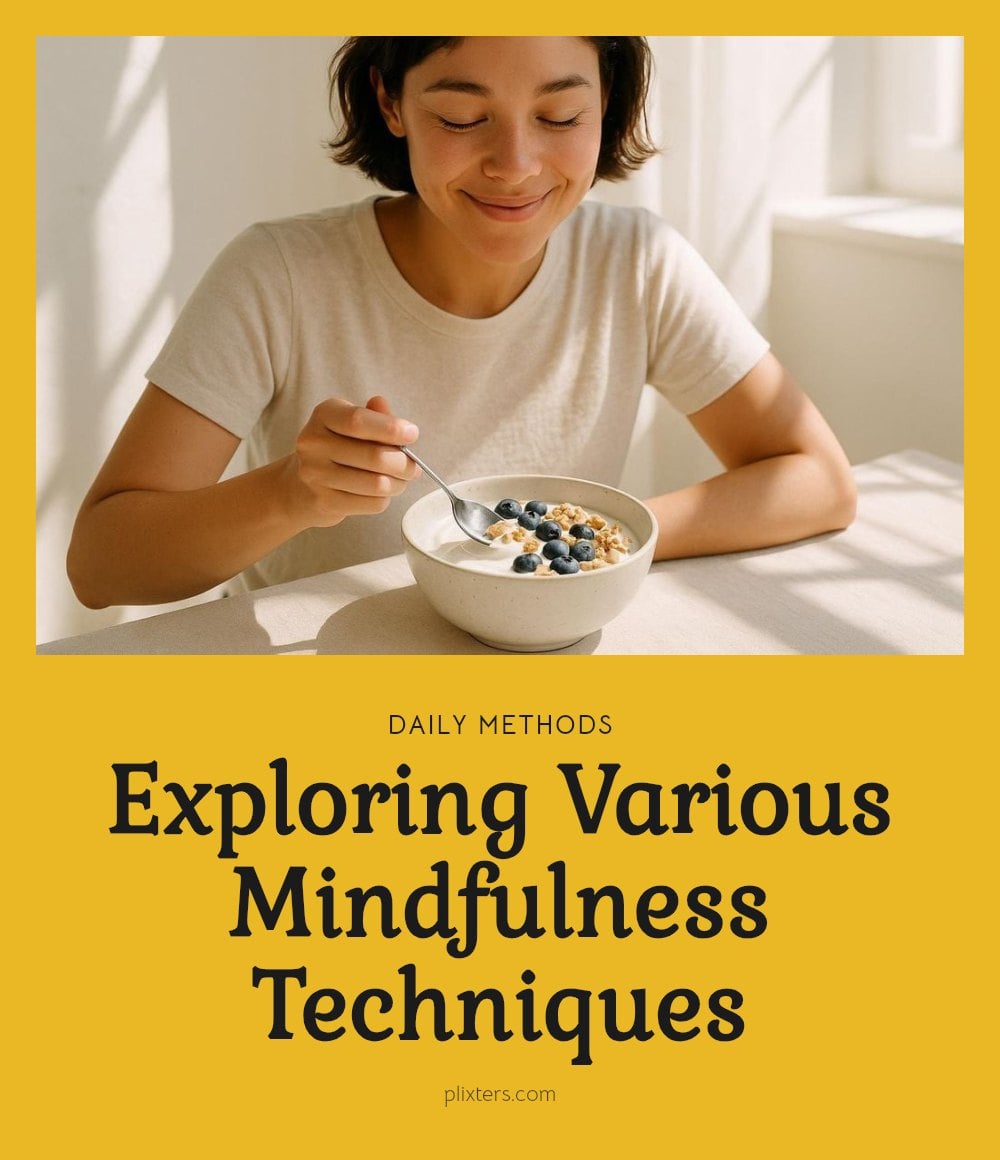
Mindful Eating
Choose a small piece of food, like a raisin or a slice of apple. Look at it, smell it, then place it in your mouth. Chew slowly, noticing the texture and taste. Engage all your senses in the experience. Good to know: This exercise can help you eat more slowly and enjoy food more fully.
Mindful Walking
Walk at a natural pace, indoors or outside. Focus on the sensation of your feet touching the ground, the movement of your legs, and the air on your skin. If your mind wanders, bring it back to the physical experience of walking. Pro move: Try this for 5-10 minutes on your lunch break to reset your focus.
Common Mindfulness Mistakes and How to Avoid Them
Mistake: Trying to empty your mind: Mindfulness is not about stopping thoughts. The goal is to observe thoughts as they come and go without getting caught up in them. Let them pass like clouds.
Mistake: Judging yourself for distractions: Your mind will wander, and that is normal. When you notice it, simply and gently redirect your attention back to your breath or your chosen anchor. No criticism needed.
Mistake: Expecting instant results: Mindfulness is a gradual practice. Benefits like reduced stress or improved focus typically build over weeks of consistent, short sessions. Patience is part of the process.
Mistake: Using mindfulness to suppress emotions: Mindfulness means acknowledging difficult feelings, not pushing them away. Observe the emotion without judgment, then let it move through you.
When to Consult a Professional About Mindfulness
Caution: Mindfulness is generally safe, but if you have a severe mental health condition (like PTSD or major depression), consult a healthcare professional before starting a regular practice. It can sometimes intensify certain experiences.
Stop and seek help if: you feel significant distress, anxiety, or discomfort during or after mindfulness exercises. Discontinue the practice and talk to a therapist or doctor.
Remember: Mindfulness is a complementary tool, not a replacement for professional medical or psychological treatment. Use it alongside, not instead of, expert care.
Frequently Asked Questions
How long should I practice mindfulness each day?
Even short sessions of 5 to 10 minutes daily can be beneficial. It is better to practice for a few minutes consistently than to aim for longer sessions that feel overwhelming. As you get comfortable, you can gradually extend your practice time.
Can mindfulness help with anxiety?
Many people find that mindfulness helps reduce stress and improve emotional regulation, which can be helpful for managing feelings of anxiety. However, if you have a diagnosed anxiety disorder or experience severe symptoms, it is important to consult a healthcare professional before starting a regular practice.
Is mindfulness the same as meditation?
Mindfulness is a broader concept of paying attention to the present moment without judgment, while meditation is one formal way to practice it. You can practice mindfulness informally throughout the day, like during eating or walking, without sitting in formal meditation.
What if my mind keeps wandering during mindfulness?
That is completely normal and part of the practice. When you notice your mind has wandered, gently bring your attention back to your breath or the exercise you are doing. The act of noticing and returning is where the real benefit lies.
Are there free resources for learning mindfulness?
Yes, there are many free guided meditations available through apps and online resources. You do not need to spend money on courses or apps to start a mindfulness practice. A simple timer and a quiet space are often enough.
Final Thoughts
Start small by choosing one exercise from the article, such as focused breathing for five minutes each morning. Real change is gradual; many people notice less stress and better focus after a few weeks of consistent daily practice. The key is to be kind to yourself and simply begin where you are.
This article is for general informational purposes only and does not constitute medical or professional advice. Mindfulness practices are not a substitute for professional mental health treatment. If you have a severe mental health condition or experience significant distress, consult a qualified healthcare provider.




