 Save
Getting toned legs is a common goal, and it’s all about working the major muscle groups with the right moves. Whether you want to strengthen your quads, hamstrings, glutes, or calves, a balanced leg workout that combines compound and isolation exercises can help you see results. This article covers the best exercises for toned legs, how to structure your weekly routine, and key tips to avoid common mistakes.
Key Takeaways
- Focus on compound exercises like squats and lunges to work multiple leg muscles at once.
- Perform 2-3 leg workouts per week with at least one rest day between sessions for recovery.
- Use proper form to prevent injury and maximize muscle engagement during each exercise.
- Gradually increase resistance or repetitions over time to continue challenging your muscles.
- Include a dynamic warm-up and cool-down stretches to reduce injury risk and soreness.
12 ideas in this post
1. Dynamic Warm-Up: Leg Swings
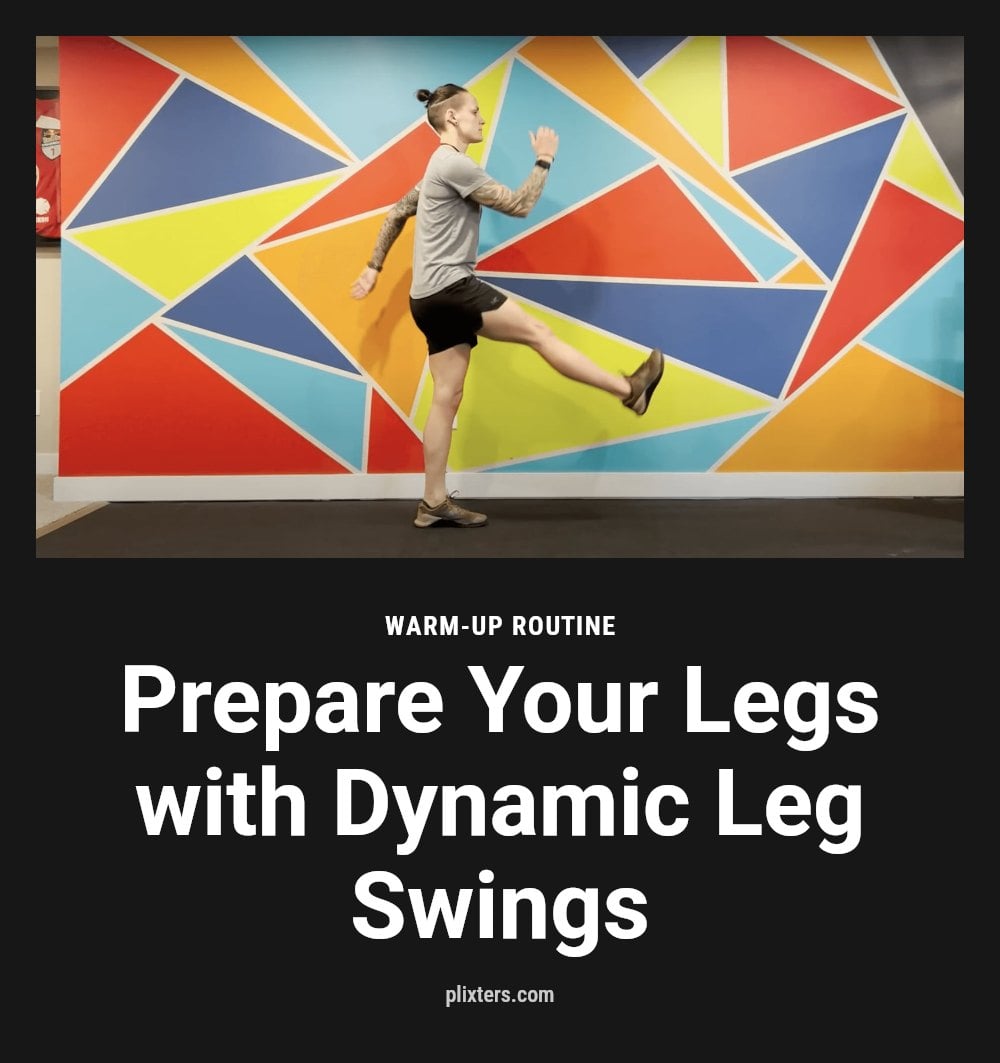
Stand tall next to a wall or chair and hold on for balance. Swing one leg forward and backward in a controlled motion, letting the range increase gradually as you get comfortable. This dynamic move warms up your hip joints and leg muscles, which can lower your injury risk before heavier work.
- Sets and reps: 10-15 swings per leg, then switch sides.
- Form cue: Keep your torso upright and avoid leaning back as you swing.
- Make it easier or harder: Hold the support with both hands if you’re new, or release it once you feel steady.
2. Barbell Back Squats
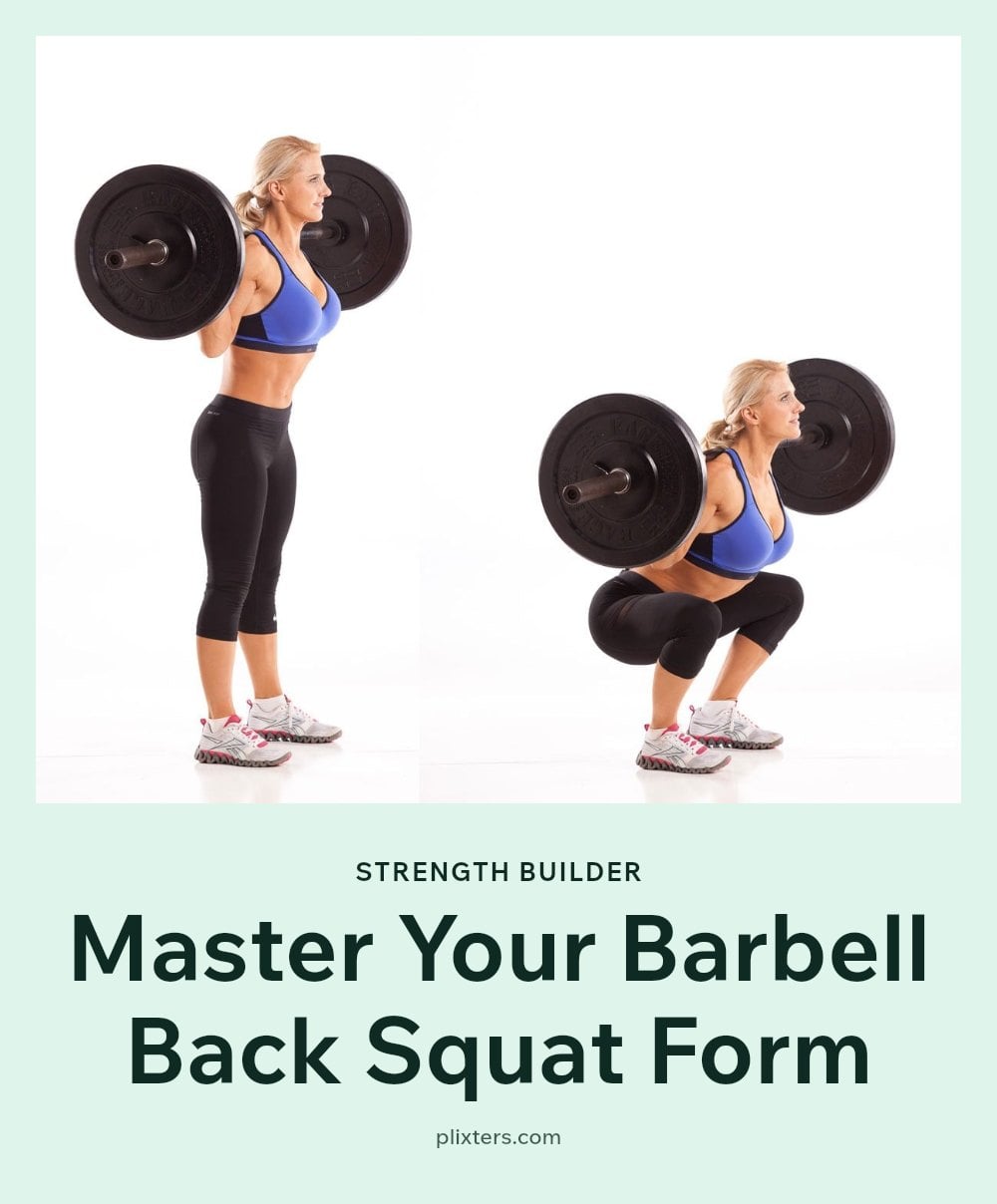
Set the barbell across your upper back, just below your neck, with hands wider than shoulder-width. Stand with feet shoulder-width apart and toes slightly out. Brace your core, then push your hips back and bend your knees as if sitting into a chair. Lower as deep as you can while keeping your spine neutral, then press through your heels to stand back up.
- Sets and reps: 3 sets of 8-12 repetitions.
- Form cue: Keep your chest up and your knees tracking in line with your toes.
- Make it easier or harder: Use just the bar to master the pattern, or add weight once your form is solid.
My tip: proper form matters more than heavy weight here. Squats recruit your quads, hamstrings, and glutes, so a controlled rep beats a sloppy one every time.
3. Dumbbell Lunges
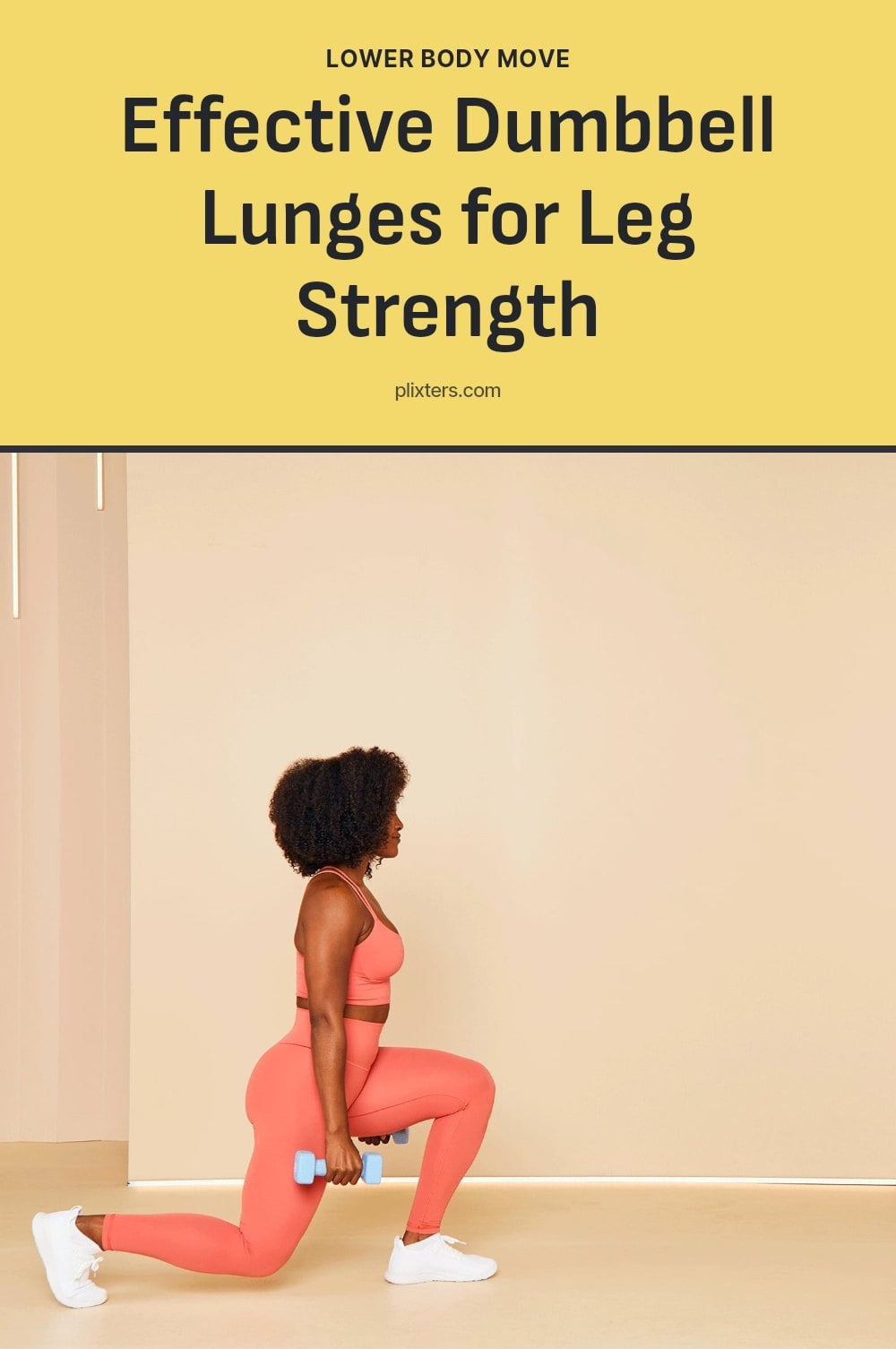
Hold a dumbbell in each hand with your arms relaxed at your sides. Step forward with one leg and lower your hips until both knees bend to about 90 degrees. Your front knee should sit directly above your ankle, and your back knee should hover just above the floor. Push off your front foot to return to standing, then alternate legs or finish one side before switching.
- Sets and reps: 3 sets of 10-12 reps per leg.
- Form cue: Keep your torso tall and your front heel grounded.
- Make it easier or harder: Do bodyweight lunges first, or add heavier dumbbells as you progress.
Working one leg at a time helps correct imbalances and really fires up your quads, glutes, and hamstrings.
4. Romanian Deadlifts (RDLs)
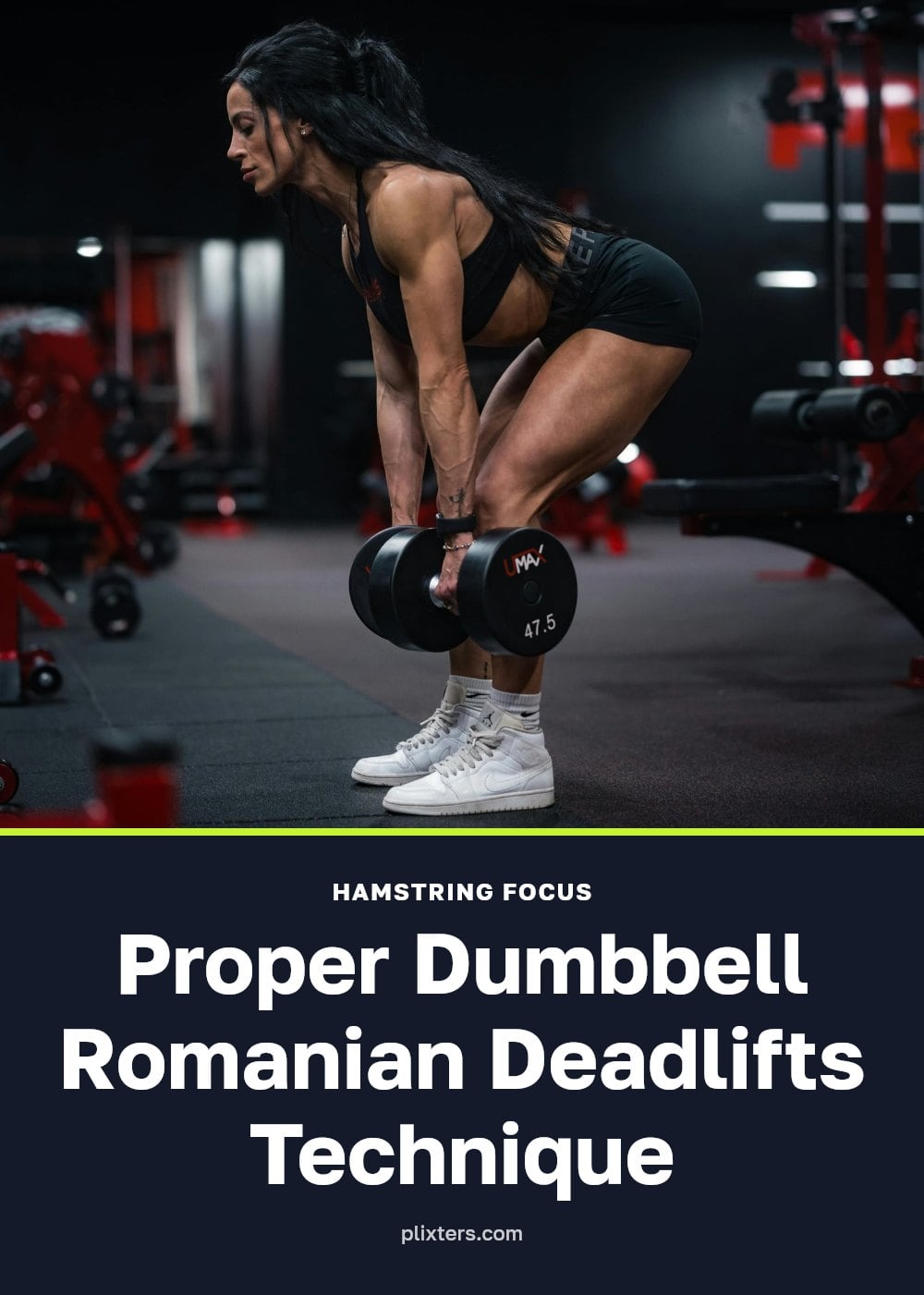
Hold a barbell or a dumbbell in each hand in front of your thighs, palms facing your body. Keep a slight bend in your knees, then hinge at your hips, pushing your glutes back as you lower the weight close to your shins. Stop when you feel a stretch in your hamstrings, but before your back rounds. Squeeze your glutes to return to standing.
- Sets and reps: 3 sets of 8-12 repetitions.
- Form cue: Keep your spine neutral and the weight close to your legs.
- Make it easier or harder: Start with light dumbbells to learn the hinge, then increase load.
RDLs are a powerhouse for your hamstrings and glutes, and the hip hinge pattern carries over to other lifts.
5. Leg Press Machine
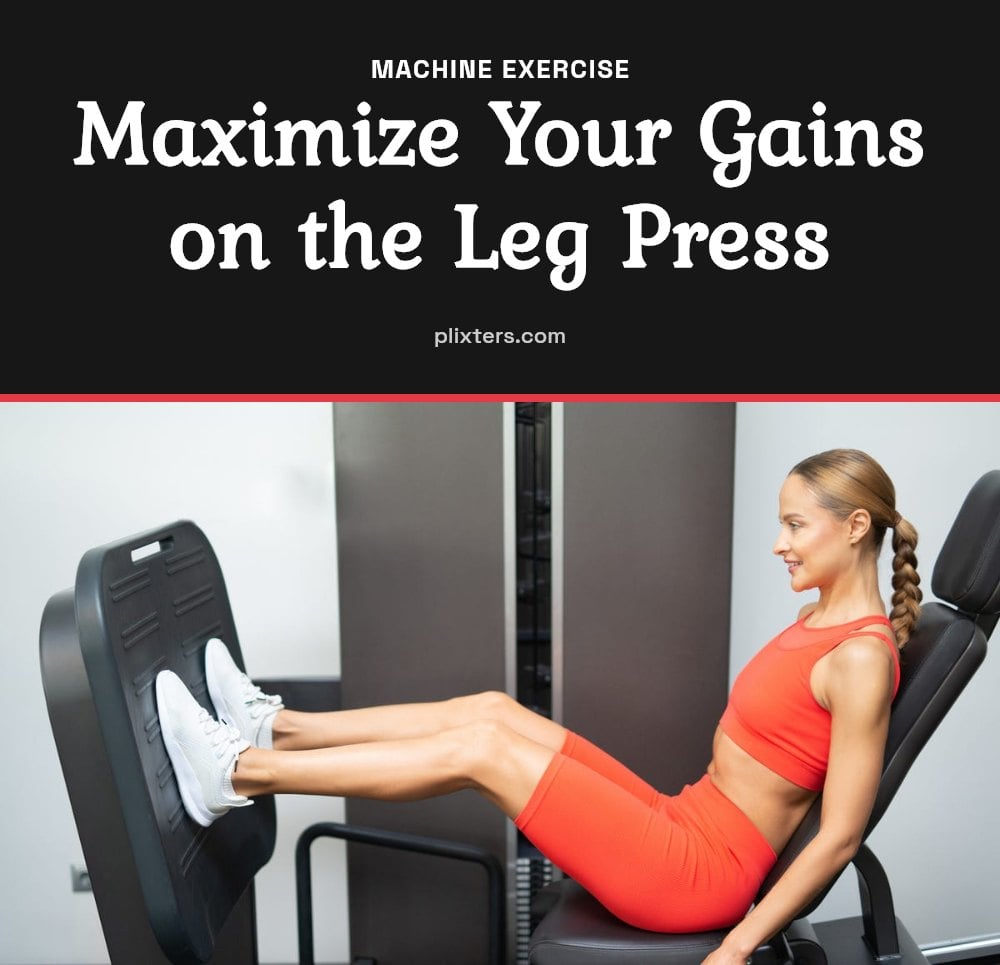
Sit on the leg press machine with your back flat against the pad and your feet shoulder-width apart on the platform. Release the safety catches and lower the platform by bending your knees until they reach a 90-degree angle. Push through your heels and the balls of your feet to extend your legs, but avoid locking your knees at the top.
- Sets and reps: 3 sets of 10-15 repetitions.
- Form cue: Keep your lower back pressed into the pad throughout.
- Make it easier or harder: Adjust the weight stack; add more weight gradually for progressive overload.
6. Glute Bridges
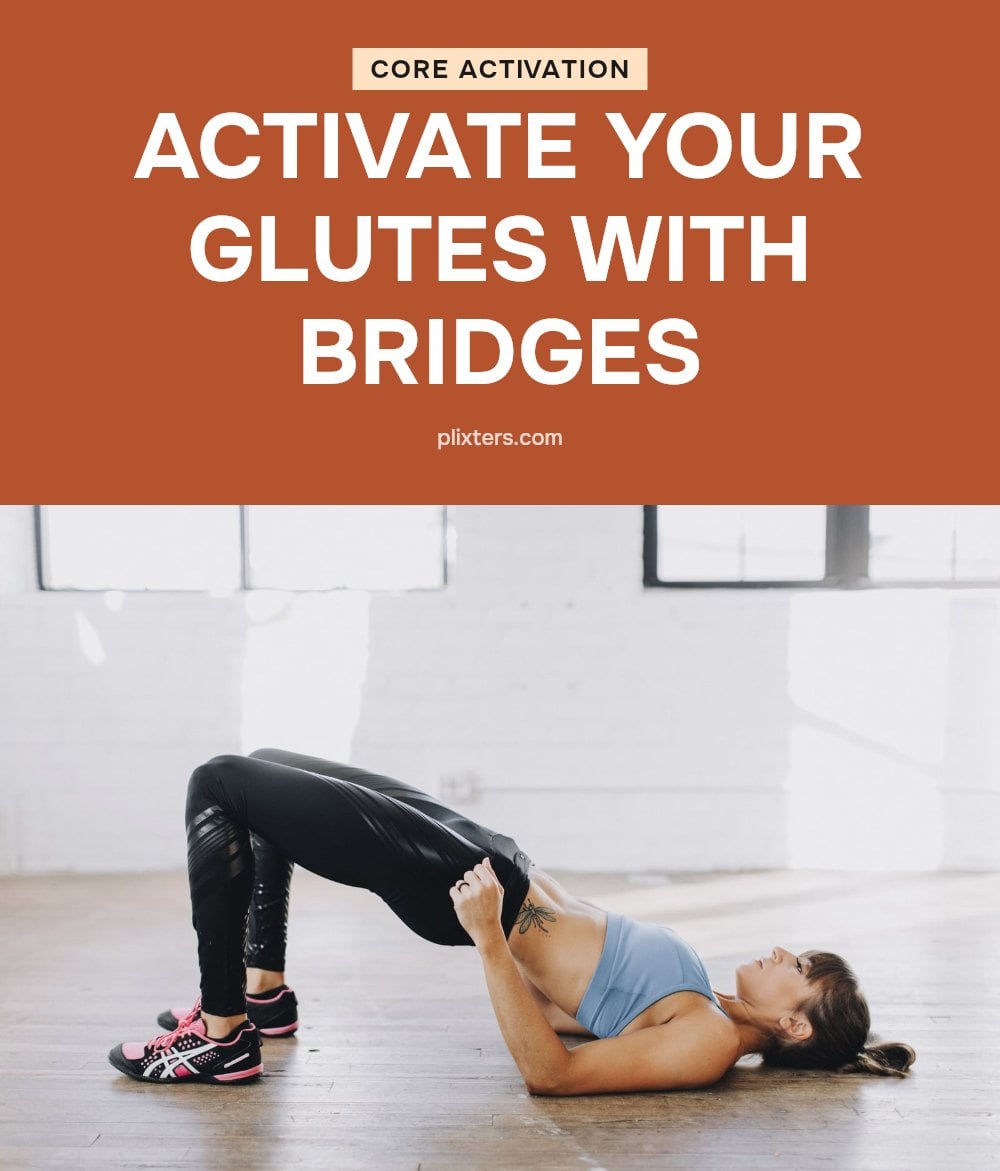
Lie on your back with knees bent, feet flat on the floor hip-width apart, and arms by your sides. Engage your core and glutes, then lift your hips until your body forms a straight line from shoulders to knees. Squeeze your glutes at the top, then lower slowly.
- Sets and reps: 3 sets of 15-20 repetitions.
- Form cue: Push through your heels and avoid arching your lower back.
- Make it easier or harder: Do bodyweight first, then add a dumbbell across your hips or a resistance band above your knees.
7. Calf Raises
Stand with your feet hip-width apart, either on a flat surface or with the balls of your feet on a step. Slowly raise your heels as high as possible, hold briefly at the top, then lower them back down until you feel a stretch in your calves. Keep the movement slow and controlled.
- Sets and reps: 3 sets of 15-20 repetitions.
- Form cue: Keep your knees straight but not locked, and avoid rocking or bouncing.
- Make it easier or harder: Use bodyweight to start, or hold dumbbells in each hand for added resistance to target the gastrocnemius and soleus.
8. Cool-Down Stretches: Hamstring Stretch
Lie on your back and loop a towel or resistance band around the sole of one foot. Gently pull the leg toward your chest, keeping it as straight as possible, until you feel a stretch in your hamstring. Hold, then release and switch sides.
- Time: Hold for 20-30 seconds per leg, 2-3 times.
- Form cue: Keep your hips on the floor and your neck relaxed.
- Make it easier or harder: Bend the knee slightly if the stretch is too intense, or straighten the leg more for a deeper stretch.
Your Weekly Leg Workout Schedule
Consistency drives results, so plan for 2-3 leg workouts each week, with at least one rest day between sessions. This gives your muscles time to repair and grow, which is where the actual strengthening happens.
| Day | Focus | Example |
|---|---|---|
| Monday | Compound lifts | Squats, lunges, RDLs |
| Wednesday | Isolation work | Leg press, glute bridges, calf raises |
| Friday | Full leg circuit | Mix of all exercises |
| Other days | Rest or light cardio | Walking, cycling |
Start with one or two sessions per week if you are new, then add a third as your strength improves. Listen to your body: if your legs feel overly sore or fatigued, take an extra rest day rather than pushing through.
Tip: Schedule your leg days on non-consecutive days, like Monday and Thursday, so your muscles get 48 hours to recover between sessions.
Common Leg Workout Mistakes to Avoid
Skipping your warm-up or cool-down: Skipping these increases your injury risk and slows recovery. Spend 5-10 minutes on dynamic moves like leg swings before you lift, then finish with static stretches like the hamstring stretch to ease soreness.
Neglecting proper form: Loading up too much weight makes your body compensate, which can strain joints and reduce muscle activation. Choose a weight you can control through the full range of motion, and add resistance only when your technique stays solid.
Not engaging your core: A loose core leaves your lower back to absorb force during squats and deadlifts. Brace your abs as if preparing for a light punch, and keep that tension through every rep.
Ignoring pain: Muscle fatigue feels like a burning tiredness, but sharp or stabbing pain is a warning sign. Stop the exercise right away, and if the pain persists or worries you, check with a healthcare professional.
Holding your breath: Breath-holding spikes pressure and can make you dizzy. Exhale as you push or stand up, and inhale as you lower the weight, like when you descend into a squat.
Frequently Asked Questions
How often should I do leg workouts?
Aim for 2 to 3 leg workouts per week, with at least one rest day between sessions. This schedule allows your muscles time to repair and grow, which is essential for building strength and tone. Overtraining can lead to injury, so stick to this frequency for steady progress.
Can I get toned legs with just bodyweight exercises?
Yes, bodyweight exercises can be effective for leg toning, especially if you are a beginner. Moves like squats, lunges, and glute bridges challenge your muscles without equipment. As you progress, you may need to add resistance, such as dumbbells or resistance bands, to continue seeing results.
How long does it take to see results from leg workouts?
With consistent effort and proper nutrition, many people start to notice visible toning within 4 to 8 weeks. Results depend on factors like workout intensity, frequency, and diet. Stick with your routine and gradually increase the challenge to keep making progress.
What should I eat before and after a leg workout?
Before your workout, eat a light meal with carbohydrates and a bit of protein, like a banana with peanut butter, about 30 to 60 minutes prior. Afterward, focus on protein and carbs to support muscle repair, such as a protein shake or chicken with rice. Staying hydrated is also key.
Is it okay to work out legs if they are still sore?
Mild muscle soreness is normal, but working out intensely through significant soreness can increase your risk of injury. If you feel sharp pain or extreme discomfort, take an extra rest day. Light activity like walking or gentle stretching can help, but listen to your body and avoid overdoing it.
Final Thoughts
For best results, stick to a consistent schedule of 2-3 leg workouts per week, and don’t skip your warm-up or cool-down. With proper form and progressive overload, you can expect to see visible toning within 4 to 8 weeks, though individual results vary based on nutrition and effort. Remember to listen to your body and adjust intensity as needed to keep progressing safely.
This article provides general fitness information and is not a substitute for professional medical advice. Before starting any new exercise program, consult a healthcare professional, especially if you have pre-existing health conditions. Stop immediately if you experience sharp pain, dizziness, or nausea, and seek guidance from a qualified trainer for proper form.