 Save
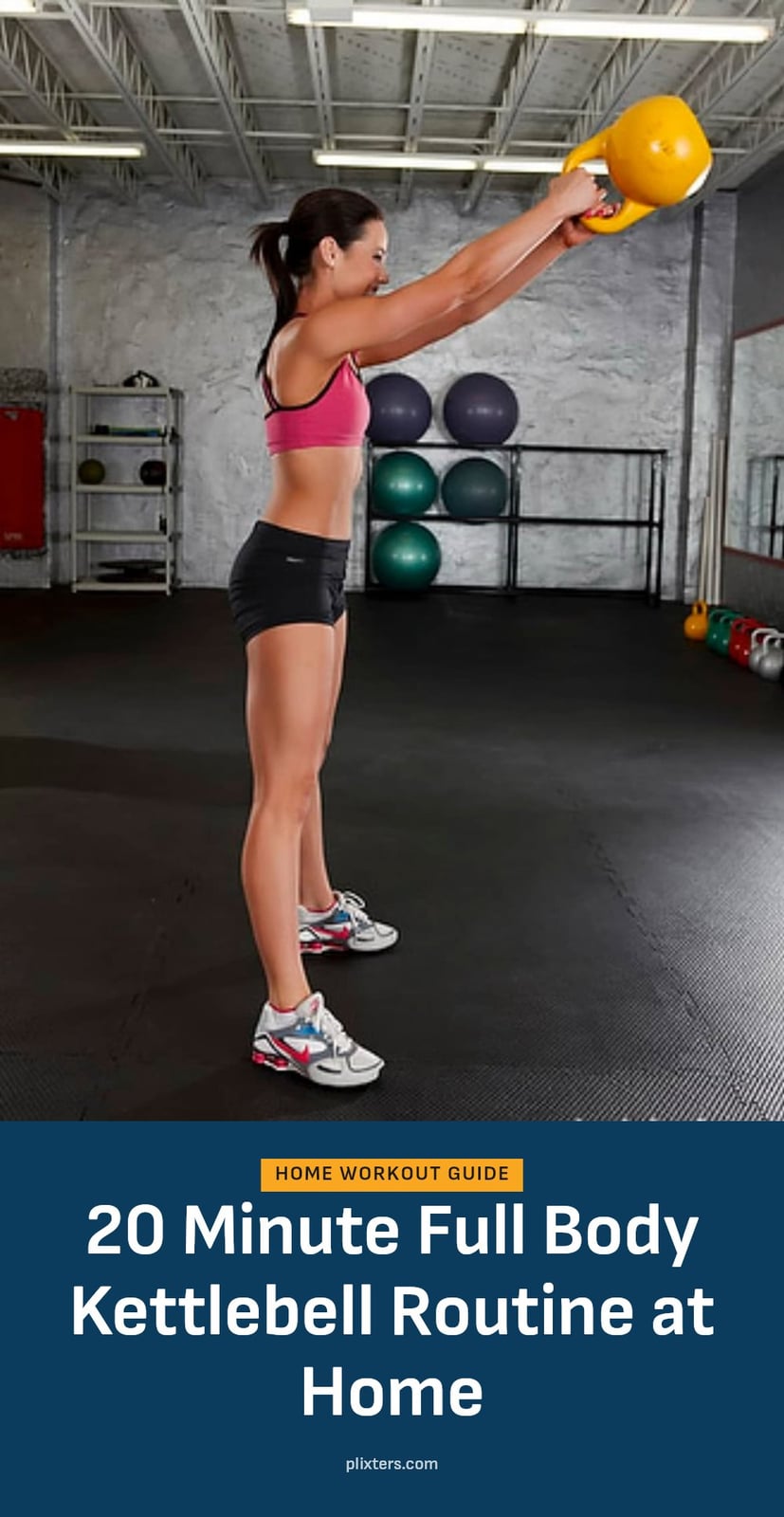
If you’re looking for a way to build strength and get your heart rate up without leaving your living room, a kettlebell might be your new best friend. This single piece of equipment can give you a full-body workout in just 20 minutes, combining cardio and strength in one efficient session. In this article, I’ll walk you through a complete kettlebell routine you can do at home, including warm-up, exercises, and cool-down, plus tips on choosing the right weight and avoiding common mistakes.
Key Takeaways
- Start with a lighter kettlebell (8-12 kg for women, 16-20 kg for men) to master form.
- Aim for 2-3 kettlebell workouts per week on non-consecutive days.
- Focus on hip-hinge movements like the swing, not squats, to protect your back.
- Engage your core during every exercise to keep your spine stable.
- Warm up and cool down with dynamic stretches and gentle holds for 20-30 seconds.
12 ideas in this post
- 1. Warm-Up: Arm Circles and Torso Twists
- 2. Kettlebell Goblet Squat
- 3. Two-Handed Kettlebell Swing
- 4. Kettlebell Deadlift
- 5. Kettlebell Push Press
- 6. Kettlebell Row
- 7. Kettlebell Halo
- 8. Cool-Down: Gentle Stretches
- Your Weekly Kettlebell Workout Schedule
- Common Kettlebell Mistakes to Avoid
- Frequently Asked Questions
- Final Thoughts
1. Warm-Up: Arm Circles and Torso Twists
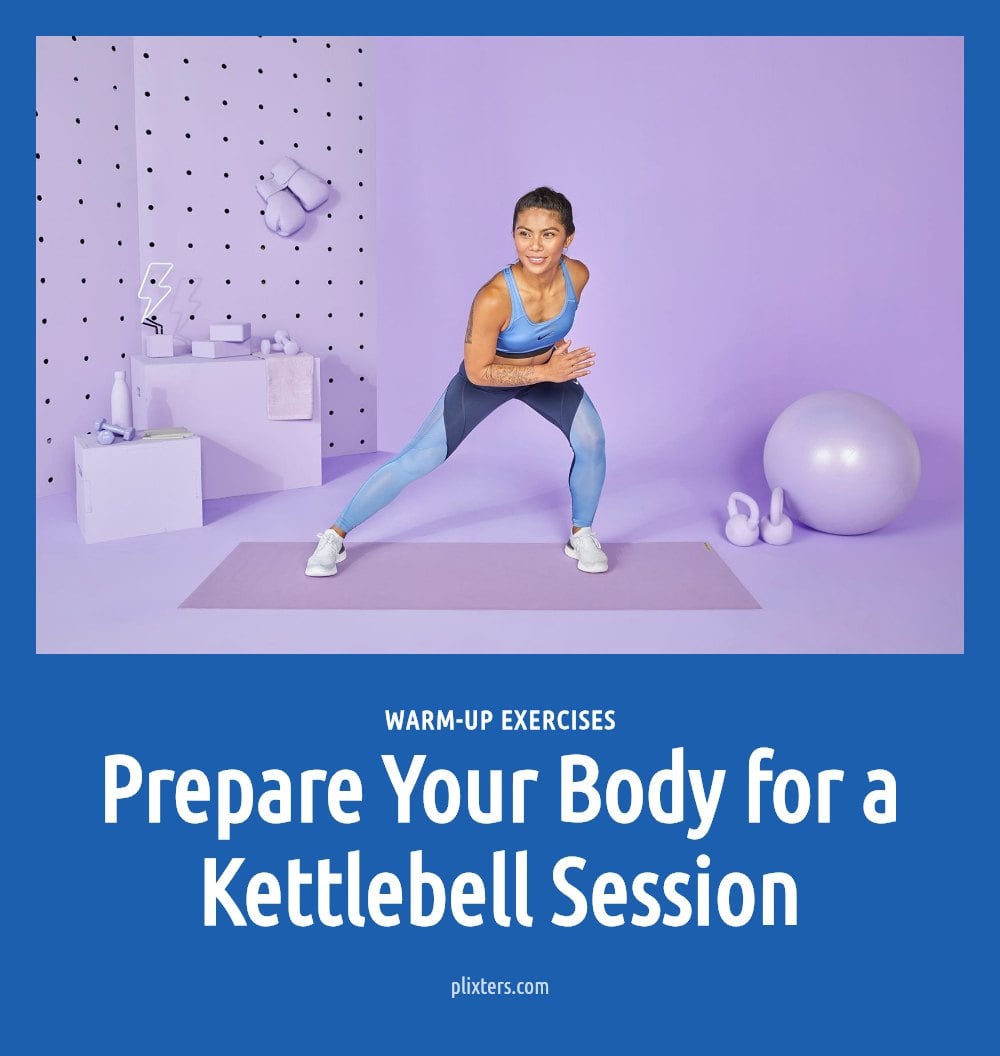
Start your kettlebell session with gentle dynamic movement to get blood flowing. Do 10-15 arm circles forward, then reverse the direction for another 10-15. Follow with 10-15 torso twists to each side, keeping your hips stable and your movements controlled.
- Sets and reps: 2 rounds of the full sequence.
- Form cue: Keep your shoulders relaxed and your core engaged.
- Make it easier: Reduce the range of motion if you feel tight.
2. Kettlebell Goblet Squat
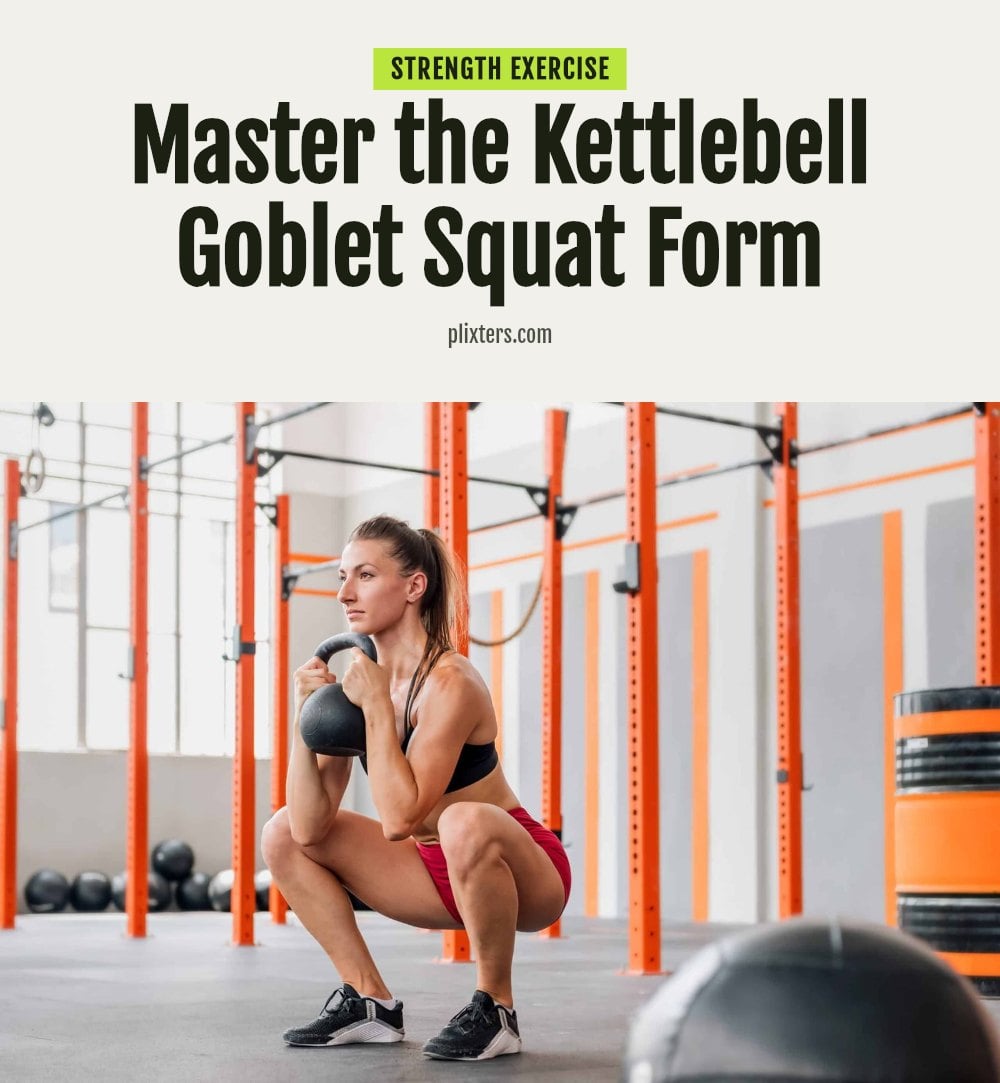
Hold the kettlebell by the horns with both hands, close to your chest. Squat down by pushing your hips back and bending your knees, keeping your chest up and your elbows inside your knees. Press through your heels to return to standing.
- Sets and reps: 3 sets of 10-12 repetitions.
- Form cue: Keep your weight in your heels and your back flat.
- My tip: Focus on pushing your hips back as if sitting in a chair.
3. Two-Handed Kettlebell Swing
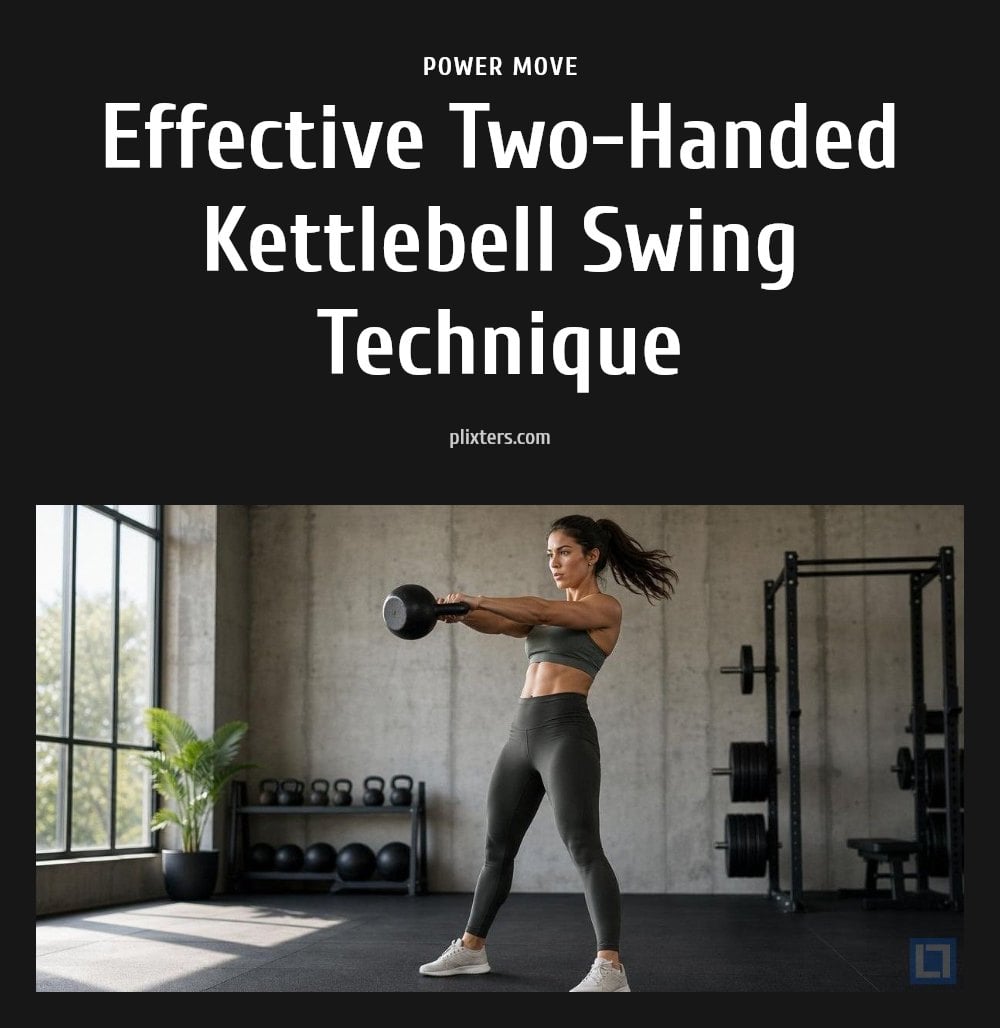
Stand with feet shoulder-width apart, kettlebell on the floor in front of you. Hinge at your hips, keeping your back flat, and hike the kettlebell back between your legs. Explosively drive your hips forward to swing the kettlebell up to chest height, then let it swing back down between your legs.
- Sets and reps: 3 sets of 10-15 repetitions.
- Form cue: Drive through your hips, not your arms; your arms are just guides.
- My tip: Remember, it’s a hip-driven movement, not an arm lift!
4. Kettlebell Deadlift
Place the kettlebell between your feet. Hinge at your hips, keeping your back straight, and grasp the handle with both hands. Stand up by driving through your heels, engaging your glutes and hamstrings, then lower the kettlebell back to the floor with control.
- Sets and reps: 3 sets of 8-10 repetitions.
- Form cue: Keep your spine neutral and your shoulders back.
- Tip: Keep the kettlebell close to your body throughout the lift.
5. Kettlebell Push Press
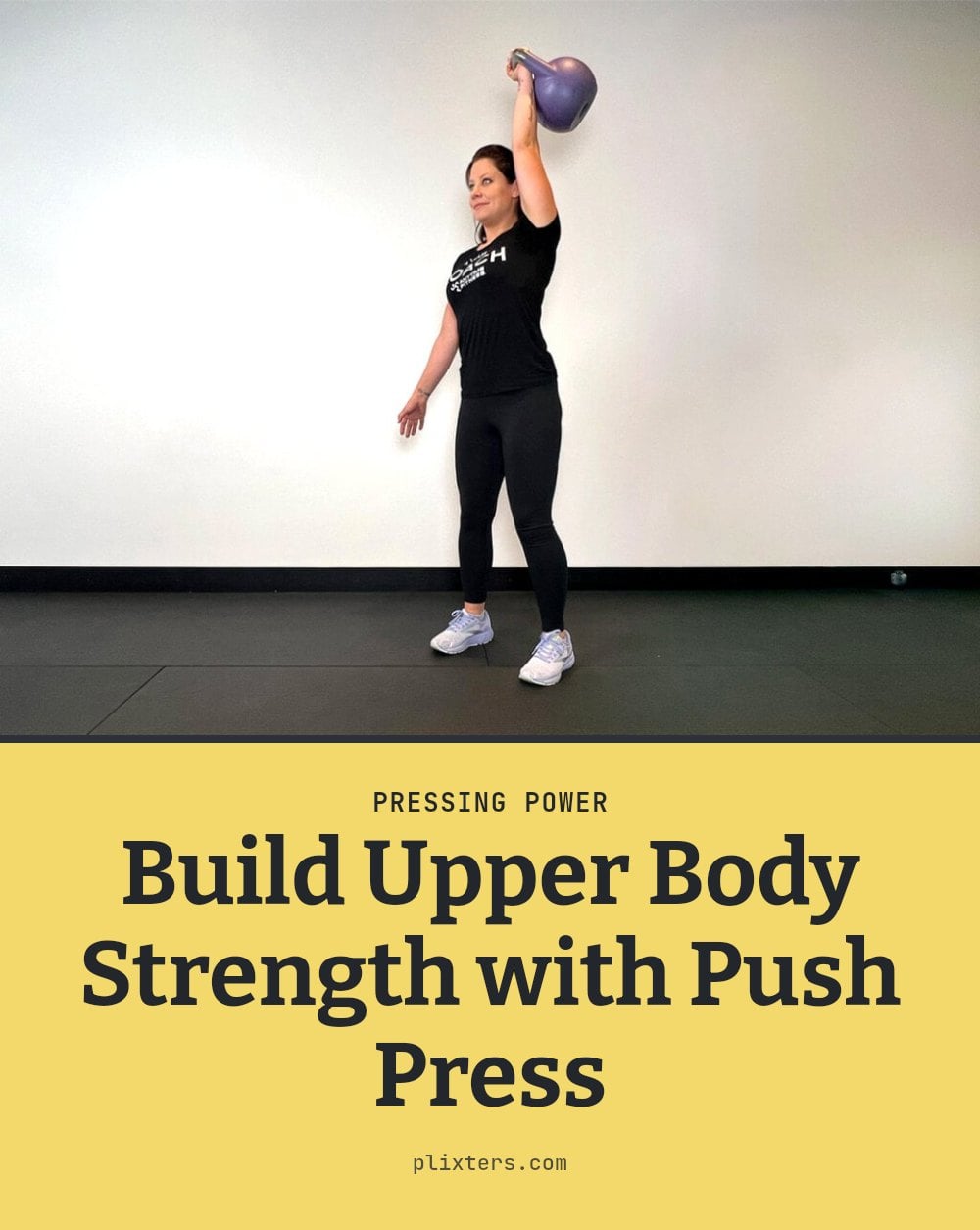
Hold the kettlebell in the rack position, resting it against your shoulder with your palm facing in. Dip slightly by bending your knees, then explode up, driving the kettlebell overhead. Lower it with control back to the rack position.
- Sets and reps: 3 sets of 8-10 repetitions per arm
- Form cue: Use your legs to initiate the press, not just your shoulders
- Make it easier or harder: Use a lighter kettlebell or press from a strict standing position without the dip
6. Kettlebell Row
Hinge at your hips, keeping your back flat, and place your free hand on a bench or thigh for support. Grasp the kettlebell handle with the other hand and pull it up toward your hip, squeezing your shoulder blade at the top. Lower with control.
- Sets and reps: 3 sets of 8-10 repetitions per arm
- Form cue: Imagine pulling with your elbow, not just your hand
- Make it easier or harder: Use a lighter kettlebell or increase the weight once you can maintain a flat back
7. Kettlebell Halo
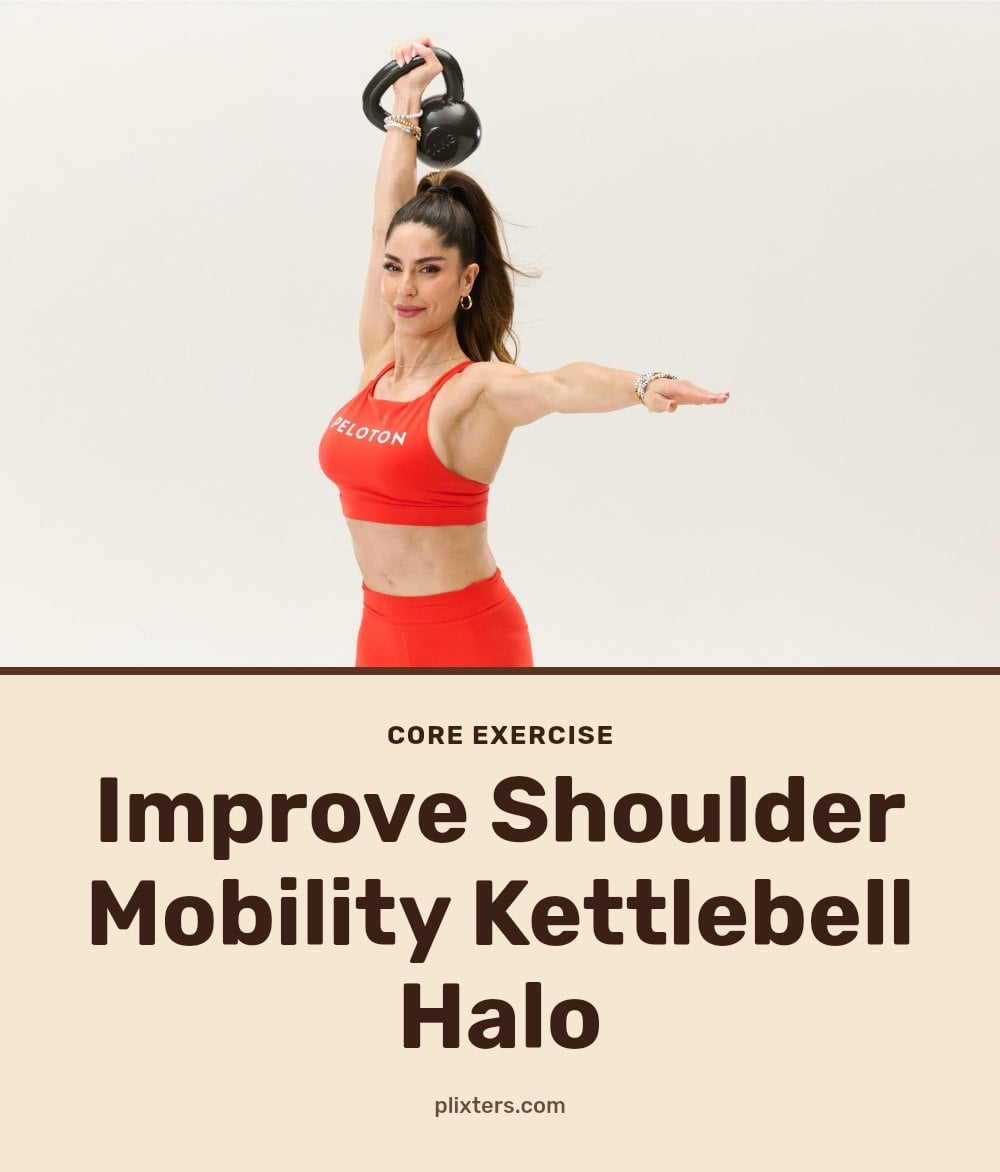
Hold the kettlebell by the horns upside down at chest height. Circle it around your head, keeping your core tight and your head still as the kettlebell moves. Control the motion in both directions.
- Sets and reps: 3 sets of 8-10 repetitions in each direction
- Form cue: Keep your head still and let the kettlebell move around it
- Make it easier or harder: Use a lighter kettlebell or slow down the tempo for more control
8. Cool-Down: Gentle Stretches
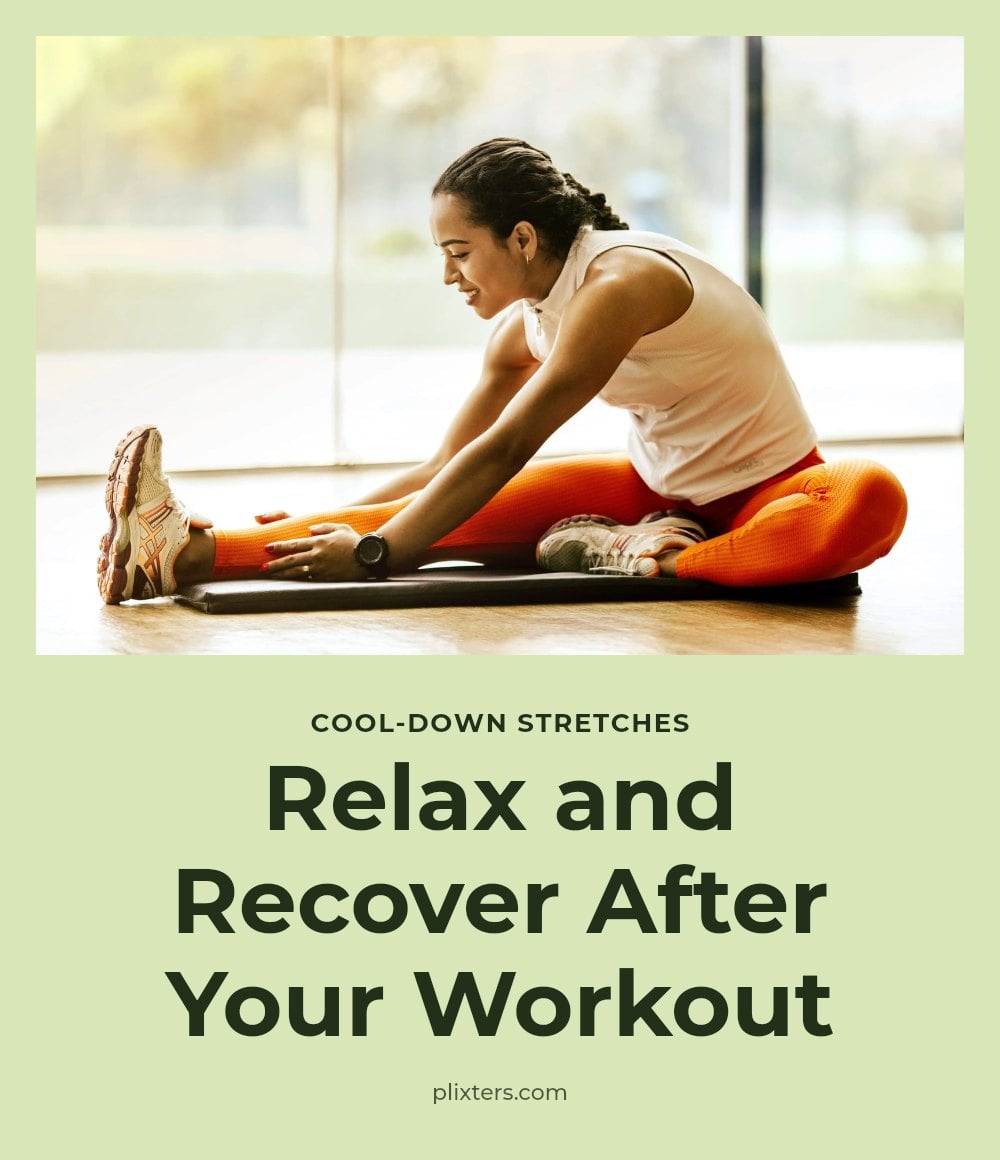
Finish your workout with gentle stretches held for 20-30 seconds each. Focus on the muscles you worked most: hamstrings, glutes, shoulders, and chest. A standing hamstring stretch, glute stretch, and arm-across-chest stretch are good options.
- Time: Hold each stretch for 20-30 seconds
- Form cue: Breathe deeply to aid muscle relaxation
- Make it easier or harder: Use a wall or chair for balance if needed, or deepen the stretch slightly as you relax
Your Weekly Kettlebell Workout Schedule
Aim for 2-3 kettlebell workouts per week on non-consecutive days to allow your muscles to recover. This schedule gives you a balanced approach that builds strength and endurance over time.
| Day | Workout Focus | Duration |
|---|---|---|
| Monday | Full-body (swings, squats, rows) | 20-30 minutes |
| Wednesday | Full-body (presses, halos, deadlifts) | 20-30 minutes |
| Friday | Full-body (mix of all exercises) | 20-30 minutes |
Tip: Stick with this routine for a few weeks, and you will likely notice improvements in strength and endurance. Consistency matters more than intensity in the beginning.
Common Kettlebell Mistakes to Avoid
Using too heavy a kettlebell too soon: Start with a lighter weight (8-12 kg for women, 16-20 kg for men) to master form before increasing the load.
Treating the kettlebell swing as a squat: Remember, the swing is a hip-hinge movement, not a squat. Focus on driving your hips forward, not squatting down.
Rounding your back during lifts: Always maintain a neutral spine, especially during swings and deadlifts, to protect your lower back.
Relying on arm strength for swings: The power comes from your hips and glutes, not your arms. Your arms are just guides.
Not engaging your core: Engage your core throughout all exercises for stability and to protect your spine.
Sacrificing form for speed or reps: Always prioritize proper technique over heavier weights or more repetitions to prevent injury and maximize effectiveness.
Frequently Asked Questions
How often should I do kettlebell workouts?
For most people, 2-3 kettlebell workouts per week on non-consecutive days is ideal. This allows your muscles time to recover and grow stronger. If you’re new to kettlebell training, start with two sessions a week and gradually increase to three as you feel comfortable.
What’s the best kettlebell weight for beginners?
As a general guideline, women often start with an 8 kg (18 lbs) or 12 kg (26 lbs) kettlebell, while men typically begin with 16 kg (35 lbs) to 20 kg (44 lbs). However, the right weight depends on your current strength and fitness level. Choose a weight you can control with proper form, not one that feels too heavy.
Can kettlebells help with weight loss?
Yes, kettlebell training can be effective for weight loss because it combines strength and cardio, leading to high caloric expenditure during and after your workout. The dynamic movements engage multiple muscle groups, boosting your metabolism. For best results, pair your kettlebell routine with a balanced diet and consistent schedule.
Is kettlebell training good for cardio?
Absolutely. Kettlebell exercises, especially swings, can raise your heart rate significantly and improve cardiovascular fitness. The ballistic nature of many movements challenges your heart and lungs while building muscular endurance. You can expect a good cardio workout in just 20-30 minutes.
What’s the difference between a kettlebell and a dumbbell?
The main difference is the design: a kettlebell has a handle above its center of mass, which allows for swinging and ballistic movements that are hard to do with a dumbbell. This design shifts the center of gravity, making exercises like swings and cleans more dynamic and engaging your core and stabilizer muscles differently.
Final Thoughts
My tip: start with a lighter kettlebell and focus on perfecting your form before adding more weight. You’ll see improvements in strength and endurance within a few weeks if you stick to a consistent schedule of 2-3 sessions per week. Remember, kettlebell training is intense, so listen to your body and take rest days as needed. With the right approach, this versatile tool can become a cornerstone of your home fitness routine.
This article is for general information only and is not a substitute for professional medical or fitness advice. Before starting any new exercise program, especially if you have pre-existing health conditions or injuries, consult a healthcare professional. Stop immediately if you experience sharp pain, dizziness, or unusual discomfort during exercise.