 Save
If you’ve heard about the keto diet and wondered if it’s right for you, you’re not alone. This very low-carb, high-fat eating plan shifts your body into a metabolic state called ketosis, where it burns fat for fuel instead of carbs. In this article, I’ll walk you through what keto is, how to start safely, common mistakes to avoid, and when to talk to a professional.
Key Takeaways
- Restrict carbohydrate intake to 20-50 grams per day to enter ketosis.
- Fat should make up 70-80% of your daily calories; protein stays moderate.
- Stay hydrated and monitor electrolytes to minimize ‘keto flu’ symptoms.
- Focus on whole foods like meat, fish, eggs, healthy oils, and low-carb vegetables.
- Consult a healthcare professional before starting, especially if you have a medical condition.
9 ideas in this post
- What Exactly Is the Keto Diet?
- How Your Body Enters Ketosis
- Foods to Enjoy and Avoid on Keto
- Essential Tools and Supplies for Keto Success
- Common Keto Mistakes and How to Avoid Them
- Practical Tips for Starting and Sustaining Keto
- When to Consult a Healthcare Professional
- Frequently Asked Questions
- Final Thoughts
What Exactly Is the Keto Diet?
The keto diet is a very low-carb, high-fat eating plan designed to shift your body’s metabolism into a state called ketosis. Instead of burning carbohydrates for energy, your body starts burning fat, producing ketones as an alternative fuel source. Originally developed in the 1920s to treat epilepsy in children, it has become popular for weight loss and may have benefits for certain health conditions. However, it requires strict adherence and can have potential side effects, so consulting a healthcare professional before starting is crucial.
How Your Body Enters Ketosis
How Your Body Enters Ketosis
When you restrict carbohydrate intake to 20-50 grams per day, your body’s usual fuel source becomes scarce. After about 2-4 days of strict carb restriction, your liver begins converting fat into fatty acids and ketone bodies. These ketones become the primary energy source for your brain and muscles.
On a standard keto diet, fat typically makes up 70-80% of your daily calories, while protein is kept moderate at around 10-20%. This moderate protein intake is important because too much protein can be converted to glucose through a process called gluconeogenesis, which can kick you out of ketosis. The key is to eat enough protein to maintain muscle mass without overdoing it.
Foods to Enjoy and Avoid on Keto
Foods to Enjoy and Avoid on Keto
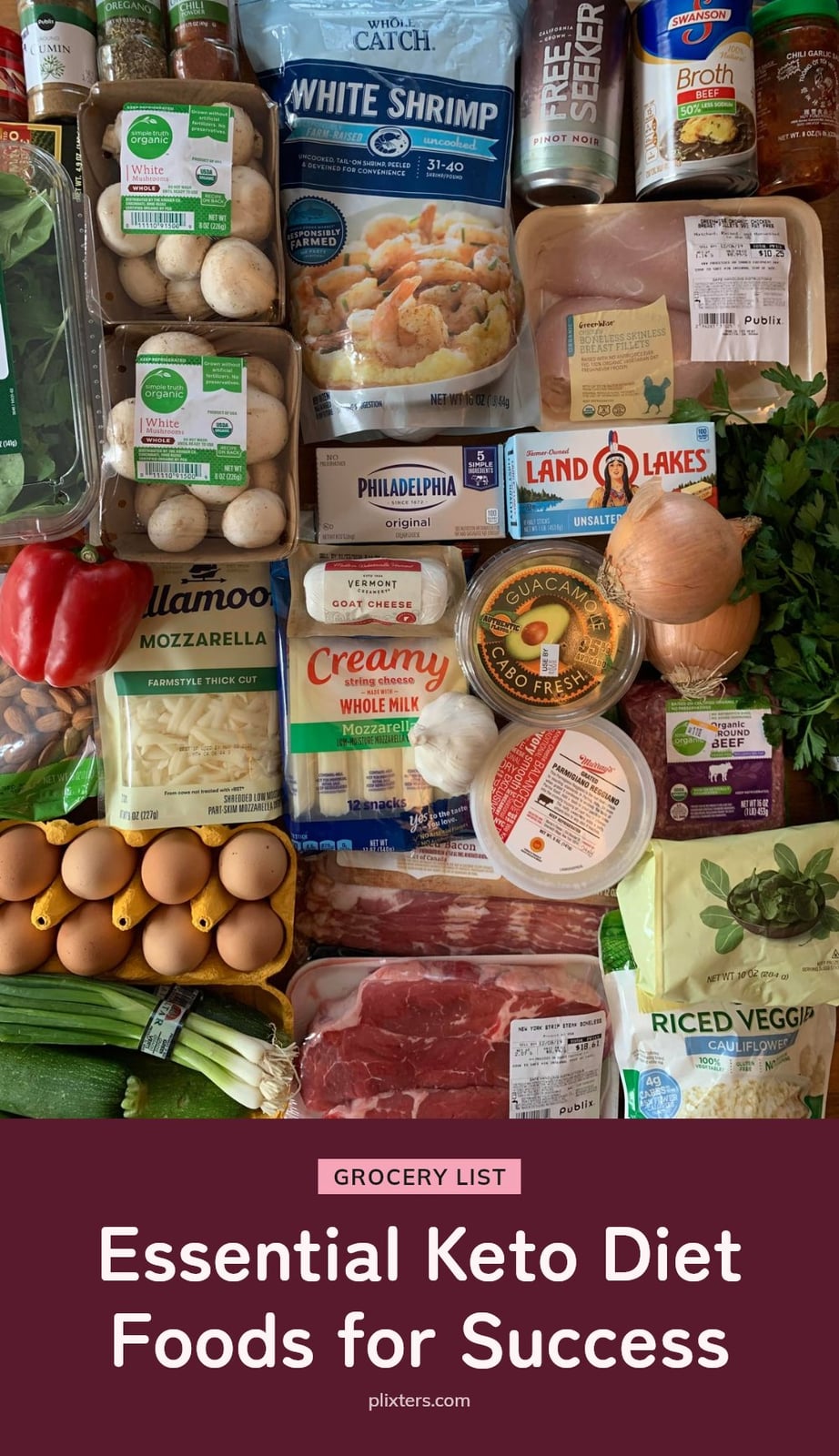
On keto, your plate should center on whole, unprocessed foods. Think meat, fish, eggs, healthy oils like olive and avocado oil, avocados, nuts, seeds, and low-carb vegetables such as leafy greens, broccoli, and cauliflower. These foods keep your carb count low while providing the fat your body needs for fuel.
You will need to strictly avoid grains (wheat, rice, oats), sugar in all forms, most fruits (especially bananas and apples), root vegetables like potatoes and carrots, and legumes such as beans and lentils. Even small amounts can push you over your daily carb limit.
Tip: Read food labels carefully. Hidden carbs show up in sauces, dressings, condiments, and even some dairy products. Look for total carbohydrates and subtract fiber to get net carbs. A single tablespoon of ketchup, for example, can contain around 4 grams of carbs.
Essential Tools and Supplies for Keto Success
Having the right tools makes sticking to keto much easier. A food tracking app is essential for monitoring your macronutrients (carbs, fat, protein) and ensuring you stay within your daily limits. Electrolyte supplements containing sodium, potassium, and magnesium can help combat the fatigue and headaches of ‘keto flu’ as your body adjusts.
Stock your kitchen with healthy fats like olive oil, avocado oil, and coconut oil, along with quality protein sources such as meat, fish, and eggs. A food scale and measuring cups help with accurate portioning. Optional tools like urine ketone strips or a blood ketone meter let you monitor whether you have reached ketosis.
Common Keto Mistakes and How to Avoid Them
Even with the best intentions, a few common mistakes can quietly derail your keto progress. The most frequent one is not eating enough fat. Since fat should make up 70-80% of your daily calories, skimping on it can prevent your body from entering ketosis. Your body needs that steady fat supply to switch fuel sources.
On the flip side, eating too much protein is just as problematic. When you overdo protein, your body can convert the excess into glucose through a process called gluconeogenesis, which can kick you out of ketosis. Aim for moderate protein, around 10-20% of daily calories, not a steak at every meal.
Ignoring electrolytes is another trap. Sodium, potassium, and magnesium deplete quickly on keto, and that imbalance is what drives most ‘keto flu’ symptoms like fatigue and headaches. Add electrolyte supplements or salt your food more liberally, especially in the first two weeks.
Hidden carbs also sneak in through seemingly healthy foods. Many vegetables, dairy products, and even nuts contain more carbs than you expect. Read every label carefully and weigh or measure portions, at least until you know your limits by heart.
Finally, failing to track your food intake is a setup for accidental carb overconsumption. A food tracking app takes the guesswork out of staying under 20-50 grams of carbs per day. You do not need to track forever, but for the first month it is the difference between guessing and knowing.
Practical Tips for Starting and Sustaining Keto
Starting keto is a big shift, but a few practical habits make it far more manageable. First, talk to a healthcare professional before you change your eating pattern. This matters even more if you have an existing condition or take daily medication, since keto can affect blood sugar and blood pressure.
Build your meals around whole, unprocessed foods: meat, fish, eggs, healthy oils, avocados, nuts, seeds, and leafy greens. These give you the nutrients you need and keep you full without hidden carbs.
Hydration is non-negotiable. Your body flushes more water on keto, so drink plenty of fluids throughout the day. Pair that with extra electrolytes to keep headaches and fatigue at bay.
Plan your meals and snacks in advance. When hunger hits and nothing is ready, convenience foods usually win, and those are rarely keto-friendly. Prep a few grab-and-go options like boiled eggs or cheese roll-ups.
If you want to confirm you are in ketosis, you can monitor ketone levels using urine strips, breath meters, or blood meters. My tip: urine strips are the cheapest starting point, but blood meters give the most accurate reading. Pick one method and use it consistently rather than switching between them.
When to Consult a Healthcare Professional
Keto is not suitable for everyone, so professional guidance matters from day one. Always consult a doctor before starting, especially if you have conditions like pancreatitis, liver disease, or a fat metabolism disorder. Pregnant or breastfeeding women should avoid keto entirely due to potential risks.
If you take medication for diabetes or high blood pressure, check in with your doctor before and during the diet. Keto can change your blood sugar and blood pressure levels, which may require adjusting your medication dose. Do not adjust anything on your own.
Discontinue the diet and seek medical help if you experience severe or persistent side effects. Kidney stones, nutrient deficiencies, and ongoing digestive issues are real possibilities that warrant professional evaluation.
Seek immediate medical attention for severe abdominal pain, persistent vomiting, extreme fatigue, or confusion. These symptoms can signal a serious complication, and waiting it out is not worth the risk. Your health comes before any dietary goal.
Frequently Asked Questions
How long does it take to get into ketosis?
It typically takes 2-4 days of strict carbohydrate restriction (20-50 grams per day) to enter ketosis, but individual times can vary based on factors like metabolism and activity level. Some people may need a few extra days.
Can I eat fruit on a keto diet?
Most fruits are too high in sugar to fit into a keto diet. Small portions of berries (like strawberries or raspberries) can be included in moderation, but fruits like bananas, apples, and grapes are generally avoided because they can exceed your daily carb limit.
What is the ‘keto flu’ and how do I prevent it?
The ‘keto flu’ is a temporary set of symptoms like fatigue, headache, and irritability that can occur when you first start keto. To prevent or ease it, drink plenty of water and make sure you’re getting enough electrolytes (sodium, potassium, magnesium) through supplements or food.
Is the keto diet safe for everyone?
No, the keto diet is not safe for everyone. It can be dangerous for people with conditions like pancreatitis, liver disease, or fat metabolism disorders. Pregnant or breastfeeding women should avoid it. Always consult a healthcare professional before starting.
How do I know if I’m in ketosis?
You can monitor ketone levels using urine strips, breath meters, or blood meters. Many people also notice signs like reduced appetite, increased energy, or a metallic taste in the mouth. The most reliable method is a blood ketone meter, but it’s optional.
Final Thoughts
My tip: start by planning a few simple, whole-food meals that fit your carb limit, and track your intake for the first week to build confidence. Realistically, it can take 2-4 days to enter ketosis, and the initial ‘keto flu’ symptoms usually resolve within a week or two. Whether keto is right for you depends on your health, preferences, and long-term goals, so take it step by step and listen to your body.
This article is for informational purposes only and does not constitute medical advice. The ketogenic diet may not be suitable for everyone. Consult a healthcare professional or registered dietitian before making significant dietary changes, especially if you have a medical condition or take medication.