
 Save
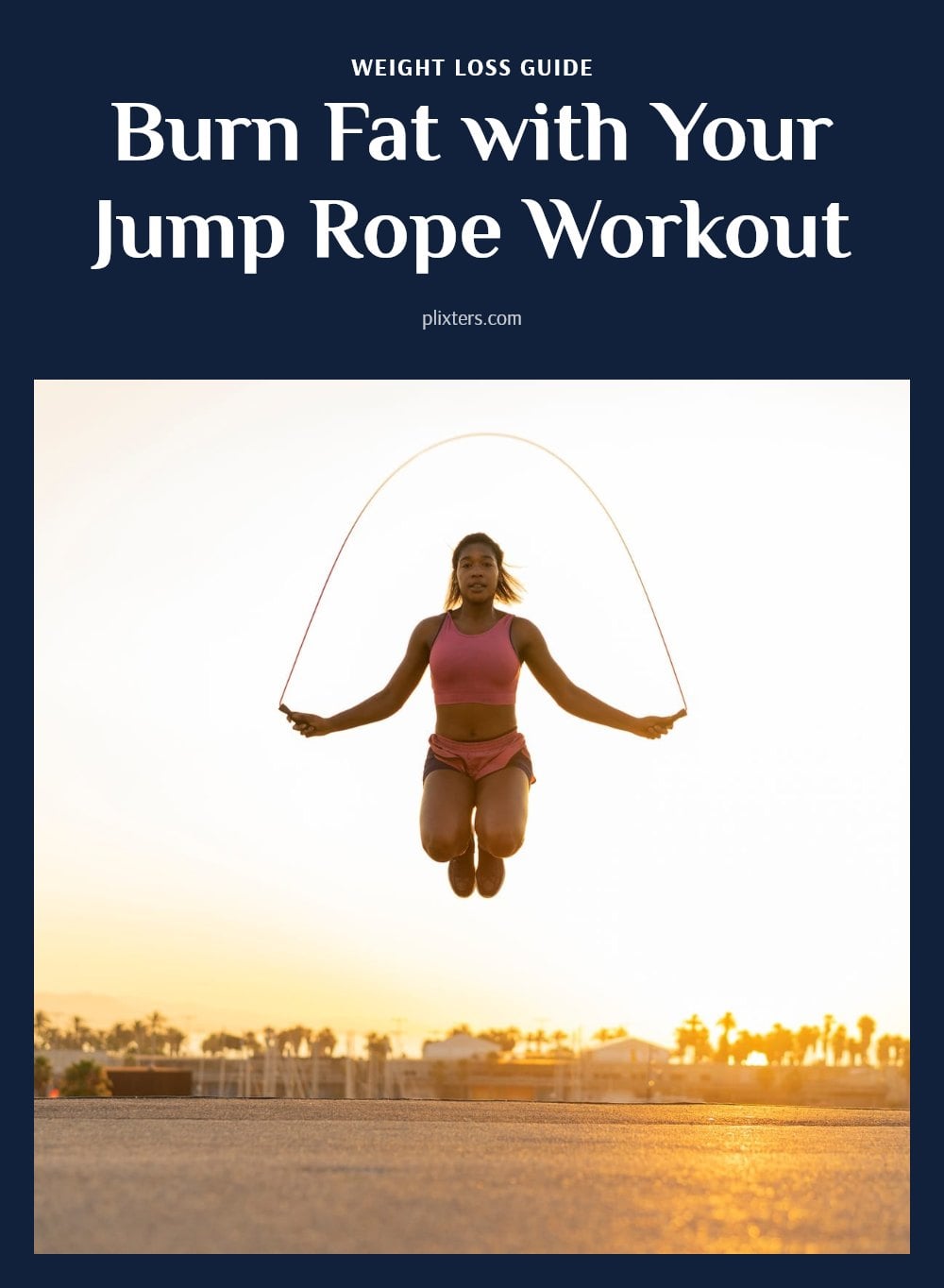
You want a workout that burns serious calories without needing a gym full of equipment. Jump roping can torch around 10 to 16 calories per minute, and it works your legs, core, and shoulders all at once. This guide covers everything you need to start a jump rope routine for weight loss, from choosing the right rope to building a weekly plan that fits your schedule.
Key Takeaways
- Jump roping burns approximately 10-16 calories per minute, depending on intensity and individual factors.
- Choose a rope that reaches your armpits when you stand on the middle of it for proper form.
- Warm up for 5-10 minutes and cool down with stretches for 5-10 minutes to reduce injury risk.
- Aim for 3-5 sessions per week, each lasting 15-30 minutes, combined with a balanced diet.
- Use your wrists to turn the rope, land softly on the balls of your feet, and keep your core engaged.
12 ideas in this post
- Can Jump Roping Really Help You Lose Weight?
- 1. Warm-Up: Arm Circles
- 2. Warm-Up: Leg Swings
- 3. Basic Bounce
- 4. Alternate Foot Jump
- 5. High Knees Jump
- 6. Cool-Down: Calf Stretch
- 7. Cool-Down: Quad Stretch
- Essential Gear for Your Jump Rope Workout
- Your Weekly Jump Rope Workout Plan
- Frequently Asked Questions
- Final Thoughts
Can Jump Roping Really Help You Lose Weight?
Yes, jump roping can help you lose weight. It is a highly effective full-body workout that burns approximately 10-16 calories per minute, depending on your intensity. That calorie burn adds up quickly in a short session. It also improves your cardiovascular health, coordination, and agility, making it a versatile exercise. To see the best results for weight loss, combine regular jump rope workouts with a balanced diet and a consistent exercise routine.
1. Warm-Up: Arm Circles
Stand tall with your feet shoulder-width apart and your arms extended straight out to the sides. Perform small forward circles for 2-3 minutes, focusing on gentle, controlled movement. Then reverse the direction for another 2-3 minutes. Gradually increase the size of the circles as your shoulders loosen up. This movement prepares your shoulders and upper body for the jumping motion.
- Time: 2-3 minutes forward, 2-3 minutes backward
- Form cue: Keep your arms straight and your core lightly engaged
- Make it easier or harder: Start with very small circles and build to larger ones
2. Warm-Up: Leg Swings
Stand next to a wall or chair for balance if needed. Gently swing one leg forward and backward in a controlled motion for 2 minutes, then switch legs. Keep your core engaged and avoid arching your back during the movement. This exercise warms up your hips and hamstrings for jumping.
- Time: 2 minutes per leg
- Form cue: Keep the motion controlled and your torso stable
- Make it easier or harder: Reduce range of motion if you feel any pulling, or increase it as you warm up
3. Basic Bounce
Start with your elbows close to your body and use only your wrists to turn the rope. Jump just high enough for the rope to clear your feet, landing softly on the balls of your feet. Aim for 30-60 seconds of jumping, then rest for 15-30 seconds. Repeat this cycle 3-5 times. My tip: Keep your gaze forward, not down at your feet, to maintain better posture.
- Time: 30-60 seconds on, 15-30 seconds off, 3-5 rounds
- Form cue: Land softly on the balls of your feet with knees slightly bent
- Make it easier or harder: Shorten the work interval or lengthen the rest to start; increase work time or decrease rest as you improve
4. Alternate Foot Jump
Instead of jumping with both feet, you alternate lifting one foot slightly off the ground as the rope passes. It’s like a gentle jog in place while jumping rope, which helps build coordination and endurance.
- Time: 30-60 seconds, rest 15-30 seconds. Repeat 3-5 times.
- Form cue: Keep your core engaged and land softly on the balls of your feet with each step.
- Make it easier or harder: Slow the tempo for a lower impact, or speed up the jogging motion for a greater challenge.
5. High Knees Jump
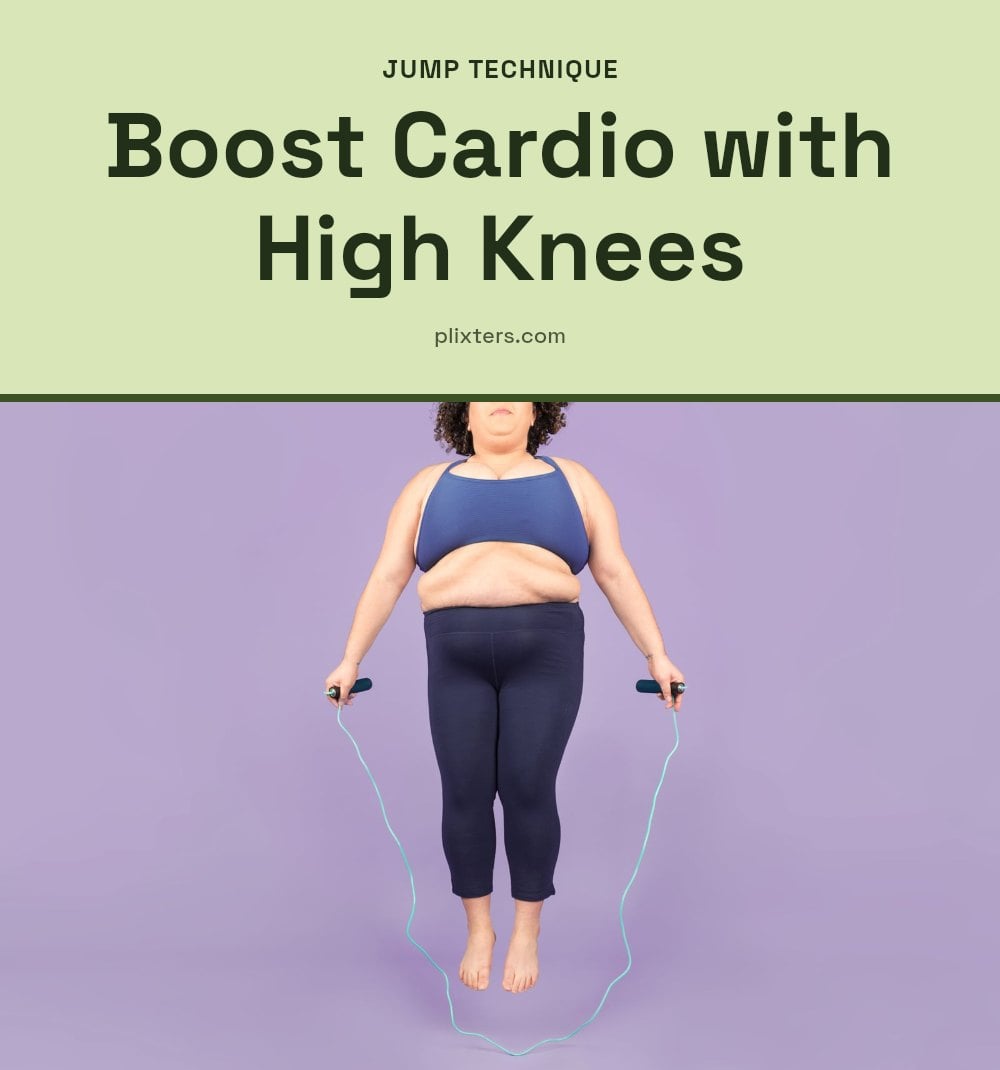
As the rope passes, bring your knees up toward your chest, alternating legs. This high-intensity move works your core and hip flexors, so start with shorter intervals.
- Time: 20-30 seconds, rest 30-45 seconds. Repeat 3-4 times.
- Form cue: Ensure you have good knee clearance and land softly to protect your joints.
- Make it easier or harder: Lift knees to hip height for a moderate challenge, or drive them higher for a more intense effort.
6. Cool-Down: Calf Stretch
Stand facing a wall and place your hands on it at shoulder height. Step one foot back, keeping the heel down and leg straight, then lean forward until you feel a stretch in your calf.
- Time: Hold for 20-30 seconds per leg, repeat 3-4 times for a total of 2-4 minutes per leg.
- Form cue: Keep your back leg straight and your heel pressed into the floor.
- Make it easier or harder: Bend your back knee slightly to reduce the intensity, or step the foot further back for a deeper stretch.
7. Cool-Down: Quad Stretch
Stand tall and hold onto a wall or chair for balance. Bend one knee, grasp your ankle or foot with the same hand, and gently pull your heel toward your glute. Keep your knees together and feel the stretch in the front of your thigh.
- Time: Hold for 20-30 seconds per leg, repeat 2-3 times to total 1-1.5 minutes per leg.
- Form cue: Keep your standing leg slightly bent and your torso upright.
- Make it easier or harder: Use a towel around your ankle if you can’t reach your foot, or pull the heel closer to your glute for a deeper stretch. My tip: Don’t pull too hard; a gentle stretch is all you need.
Essential Gear for Your Jump Rope Workout
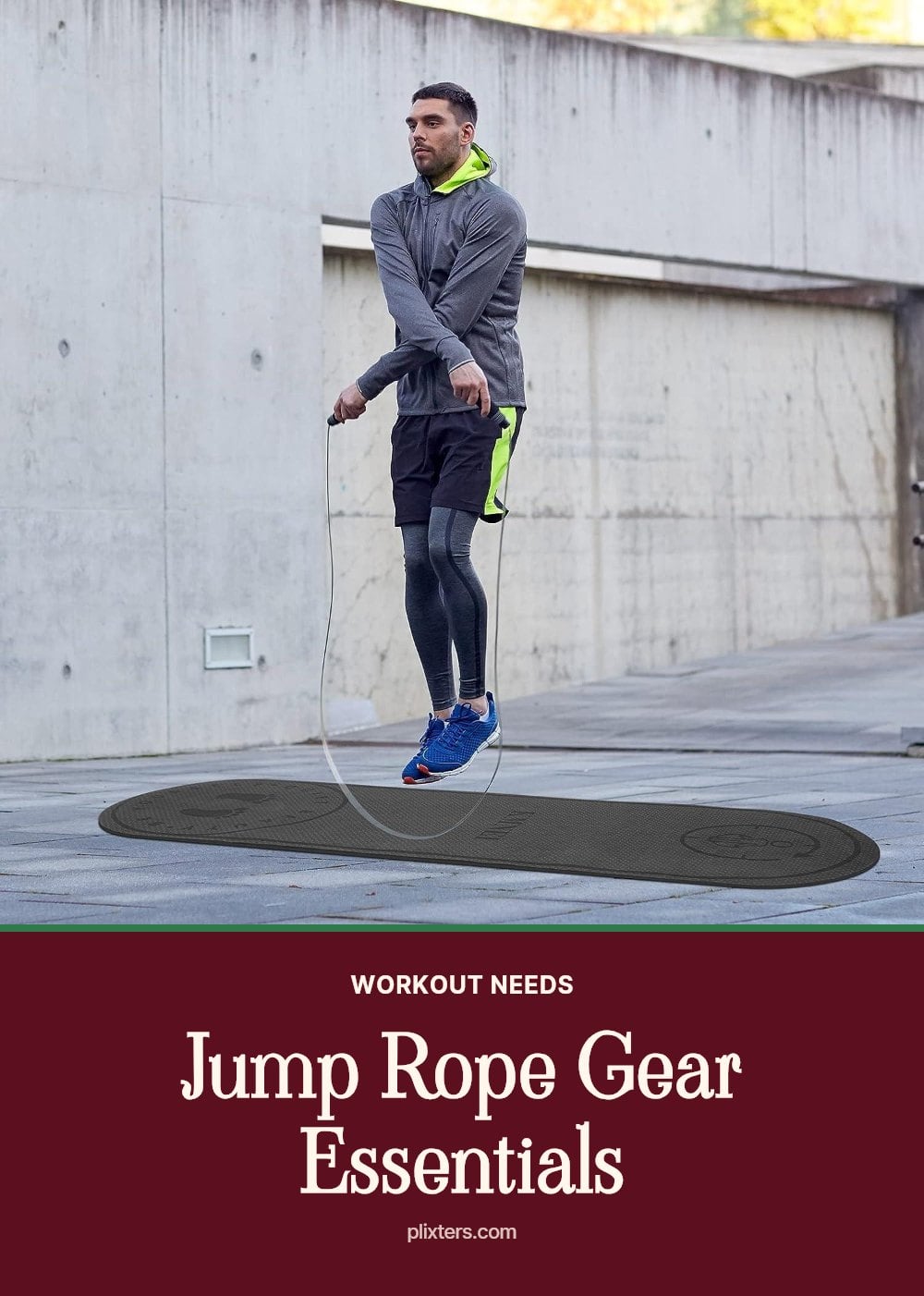
You don’t need much to get started, but the right gear makes a real difference. First, get a jump rope that fits: when you stand on the middle of the rope, the handles should reach your armpits. A rope that’s too long or too short throws off your form and makes tripping more likely.
Wear supportive athletic shoes with good cushioning to absorb the impact of each landing. A workout mat or a forgiving surface like grass or a wood floor helps reduce joint stress even further. For clothing, choose something comfortable that lets you move freely, especially around your legs and arms.
Your Weekly Jump Rope Workout Plan
Consistency is key. Aim for 3-5 jump rope sessions per week, each lasting 15-30 minutes. Combined with a balanced diet, this routine can improve cardiovascular fitness and support weight loss within a few weeks to months. The plan below includes rest days and varied intensity to keep you progressing without burning out.
| Day | Activity | Duration |
|---|---|---|
| Monday | Basic Bounce & Alternate Foot | 15-20 min |
| Tuesday | Rest or light stretching | 20-30 min |
| Wednesday | Interval training: 30 sec jump, 30 sec rest | 15-30 min |
| Thursday | Active recovery: walk or gentle yoga | 20-30 min |
| Friday | High Knees & Alternate Foot | 15-20 min |
| Saturday | Full workout: mix all techniques | 20-30 min |
| Sunday | Rest day |
Frequently Asked Questions
How long should I jump rope to lose weight?
Aim for 15-30 minutes per session, 3-5 times a week. This duration can help you burn enough calories to support weight loss when paired with a healthy diet. Start with shorter intervals if you’re new, and gradually increase the time as your endurance improves.
Is jump roping better than running for weight loss?
Both are effective, but jump roping can burn more calories per minute at a high intensity. It also engages your upper body and core more than running. The best choice depends on your preferences and any joint concerns, since jump roping is high-impact and may not suit everyone.
What kind of jump rope is best for beginners?
A beaded or PVC rope is a good starting point because it provides a bit of weight and feedback, making it easier to feel the rhythm. Speed ropes are lighter and faster, which can be trickier for beginners. Make sure the rope length reaches your armpits when you stand on the middle of it.
Can I jump rope every day for weight loss?
It’s not recommended to jump rope every day because it is a high-impact exercise that can stress your joints. Schedule rest days between sessions to allow your body to recover. Most people see good results with 3-5 sessions per week, with at least one rest day in between.
What if I don’t have much space to jump rope?
You need enough room to swing the rope without hitting anything. A space about 6 feet by 6 feet with a clear overhead area is usually sufficient. Jump on a forgiving surface like a mat, grass, or wood floor to reduce joint stress, and check that no furniture or objects are nearby.
Final Thoughts
My tip: Start with the basic bounce for 30-second intervals and rest 15 seconds between sets. You can expect to see improvements in cardiovascular fitness and weight loss within a few weeks to months when you stick with 3-5 sessions a week and eat a balanced diet. Consistency matters more than intensity at the beginning, so find a rhythm that feels sustainable for you.
This article provides general information about jump rope workouts and is not a substitute for professional medical or fitness advice. Consult a doctor before starting any new exercise program, especially if you have pre-existing health conditions or joint issues. Stop immediately if you experience pain, dizziness, or extreme fatigue and seek medical attention if symptoms persist.




