
 Save
Have you ever felt like your reactions surprise even you, or that you’re not quite living in line with what truly matters? That’s where self-awareness comes in. It’s the ability to see your own thoughts, emotions, and values clearly, and it’s a skill you can build. This article covers six practical ways to understand yourself better, from daily reflection to seeking feedback, so you can make choices that feel authentically yours.
Key Takeaways
- Practice daily reflection or journaling to spot patterns in your thoughts and emotions.
- Identify your core values and check if your daily actions align with them.
- Observe your emotional responses and physical sensations without judgment.
- Seek honest feedback from trusted people to build external self-awareness.
- Use mindfulness or meditation to focus on the present moment and reduce reactivity.
10 ideas in this post
- What is Self-Awareness and Why Does It Matter?
- 1. Practice Daily Reflection and Journaling
- 2. Identify Your Core Values
- 3. Observe Your Emotional Responses
- 4. Seek Constructive Feedback
- 5. Practice Mindfulness and Meditation
- 6. Recognize Your Strengths and Weaknesses
- When to Seek Professional Support
- Frequently Asked Questions
- Final Thoughts
What is Self-Awareness and Why Does It Matter?
Self-awareness is your ability to understand your own thoughts, emotions, values, strengths, and weaknesses. It is crucial for personal growth because it helps you make conscious choices that align with your authentic self rather than reacting impulsively. Developing this skill involves introspection, reflection, and paying attention to your inner world and how you behave.
1. Practice Daily Reflection and Journaling

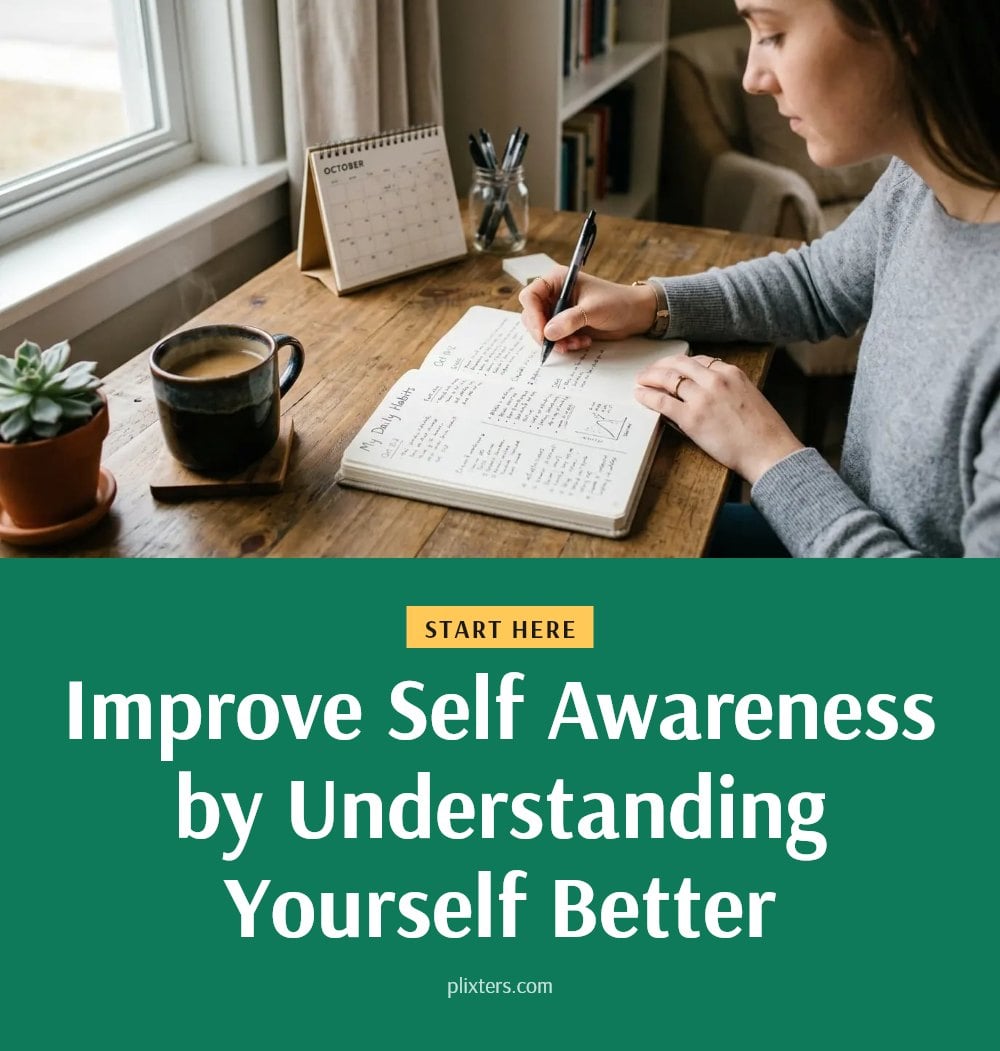
Dedicate a few minutes each day to reflect on your experiences, thoughts, and feelings. Journaling is a powerful tool for this; it helps you identify patterns in your thoughts and emotions, which is key to internal self-awareness.
My tip: Instead of asking ‘why’ you feel a certain way (which can lead to rumination), try asking ‘what’. Ask yourself ‘What am I feeling right now?’ or ‘What triggered this emotion?’ This shifts you to observation rather than judgment.
2. Identify Your Core Values
Understanding your core values, what truly matters to you, is fundamental to self-awareness. These values act as your inner compass, guiding your decisions and ensuring your actions are authentic to who you are.
Take time to list what you believe in most deeply, then assess if your current life choices and behaviors align with these values. I have found this exercise incredibly clarifying for making big life decisions.
3. Observe Your Emotional Responses
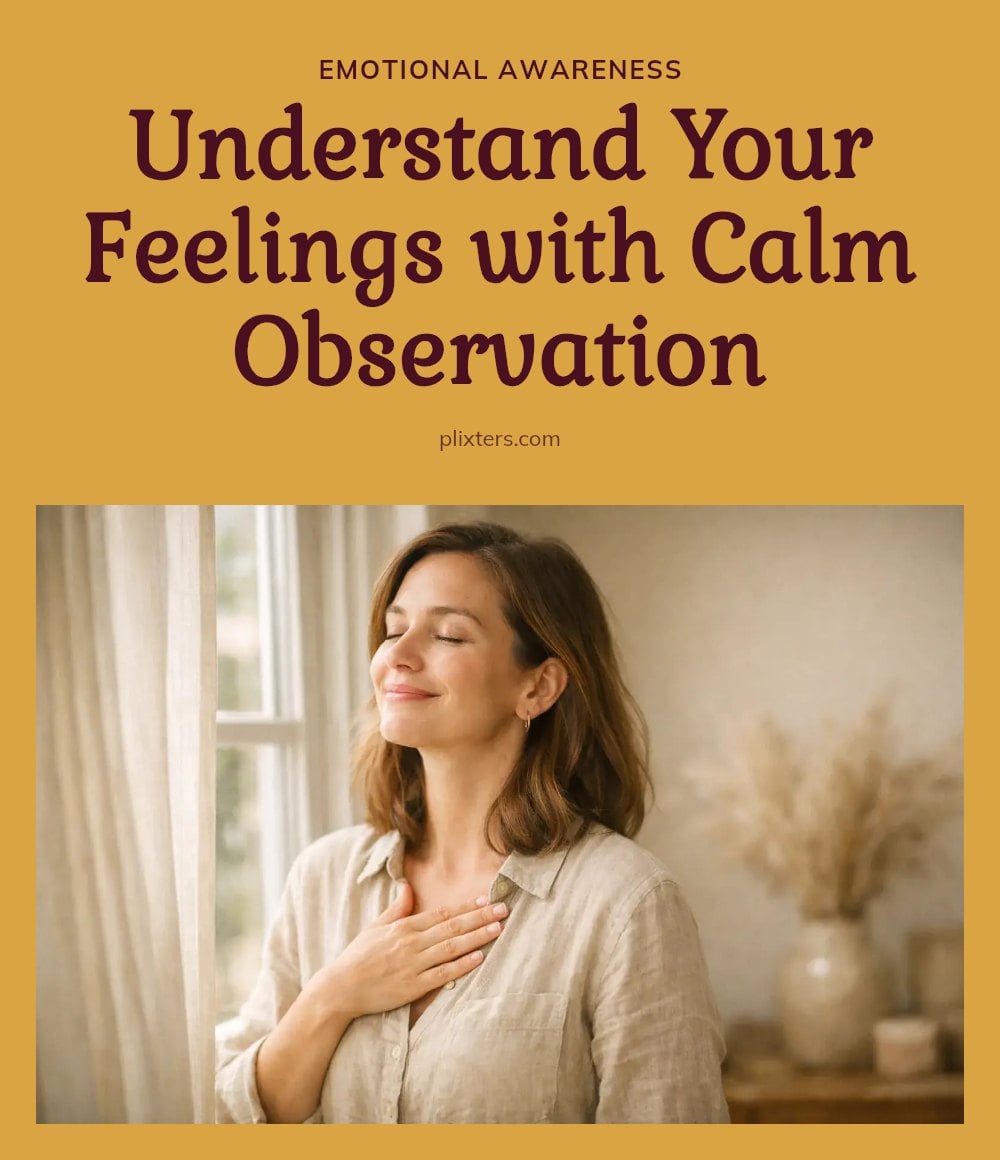
Emotional self-awareness means recognizing your emotions as they happen, without judgment. Pay attention to how your body reacts to different situations and feelings, are your shoulders tense? Is your stomach churning? These are important signals.
Acknowledging uncomfortable emotions rather than avoiding them is a crucial step. It is okay to feel whatever you feel; the goal is to understand it, not to fix it immediately.
4. Seek Constructive Feedback
External self-awareness, how others see you, is just as important as internal self-awareness for empathy and understanding your impact. Ask trusted friends, family, or colleagues for honest, constructive feedback about your strengths and areas for growth.
My tip: Be open to hearing what they say, even if it’s not what you expect. Their perspective offers a valuable mirror, but you get to decide what resonates and what to act on. A caution: not all feedback is accurate or helpful. Discern wisely and focus on patterns rather than one-off comments.
5. Practice Mindfulness and Meditation
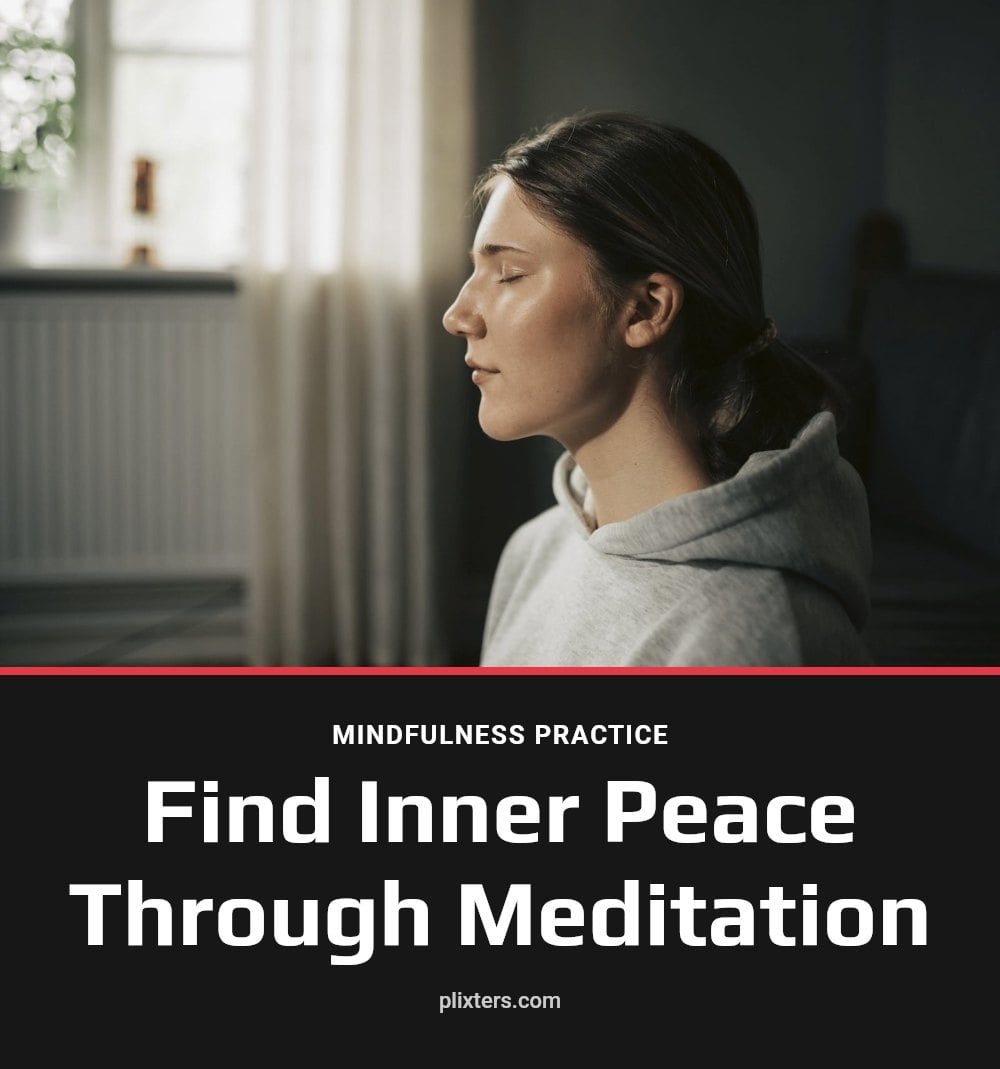
Mindfulness practices, like meditation, enhance self-awareness by training you to focus attention on the present moment. This helps you observe your thoughts and feelings without getting caught up in them, creating space for clearer understanding.
Even a few minutes of focused breathing each day can make a difference. Many free apps offer guided sessions if you’re new to meditation. The key is consistency, even if it’s just five minutes. This regular practice helps you catch automatic reactions and choose your responses more intentionally. Tip: Start with a simple practice: sit quietly, breathe naturally, and gently notice when your mind wanders.
6. Recognize Your Strengths and Weaknesses
A clear understanding of your strengths allows you to leverage them effectively in your personal and professional life. Equally important is acknowledging your weaknesses, not as failures, but as areas for potential growth and development.
This balanced view helps you set realistic goals and build confidence. I regularly check in with myself to see where I’m shining and where I could use a little extra work, and it makes a huge difference. Use a simple list: write down five strengths and five weaknesses, then plan one small action for each weakness.
When to Seek Professional Support
If self-reflection leads to overwhelming negative emotions, persistent distress, or feelings of hopelessness, it’s a sign to seek help. A mental health professional can provide tools and support to navigate complex emotions and develop self-awareness in a safe, guided environment.
Remember, self-awareness is about understanding for growth, not self-criticism. If the process feels damaging, reach out for professional guidance. You deserve support that helps you move forward, not spiral deeper.
Frequently Asked Questions
How long does it take to develop self-awareness?
There’s no set timeline; it’s an ongoing process. With consistent daily or weekly practices like journaling or mindfulness, many people notice gradual shifts in their understanding over a few weeks or months. The key is regular, gentle effort rather than expecting quick, dramatic changes.
Can self-awareness help with anxiety?
For some, increasing self-awareness can help you notice anxious thoughts and physical sensations earlier, which may make them easier to manage. However, self-awareness is not a substitute for professional care. If anxiety is persistent or overwhelming, a mental health professional can offer more targeted support.
What is the difference between internal and external self-awareness?
Internal self-awareness is how clearly you see your own values, passions, reactions, and impact. External self-awareness is how well you understand the way others perceive you. Both are important: internal awareness guides authentic choices, while external awareness supports empathy and relationships.
Is self-awareness a skill or a trait?
It’s a skill, not a fixed trait. That means you can develop it over time with consistent effort. Like any skill, it improves with practice, such as daily reflection, seeking feedback, and mindfulness, and it can become more natural the more you use it.
How do I know if I’m self-aware?
Signs include being able to name your emotions as they happen, recognizing how your actions affect others, and making decisions that align with your core values. You might also notice that you’re open to feedback and can reflect on your behavior without harsh self-judgment. It’s a spectrum, not a yes/no.
Can self-awareness be negative?
Self-awareness itself is neutral, but it can become unhelpful if it turns into self-criticism or rumination. The goal is understanding for growth, not judgment. If you find yourself stuck in negative self-focus, try shifting from ‘why’ questions to ‘what’ questions, and consider seeking support from a professional if distress persists.
Final Thoughts
Start small: pick one practice from this article, like a few minutes of journaling or a short mindfulness session, and commit to it for a week. Remember, self-awareness is a continuous journey, not a destination, so expect gradual improvements over weeks and months. Be patient with yourself and keep showing up with curiosity, not criticism.
This article is for general informational purposes only and is not a substitute for professional medical or mental health advice. If you experience overwhelming emotions, persistent distress, or feel you need support, please consult a qualified mental health professional.




