
 Save
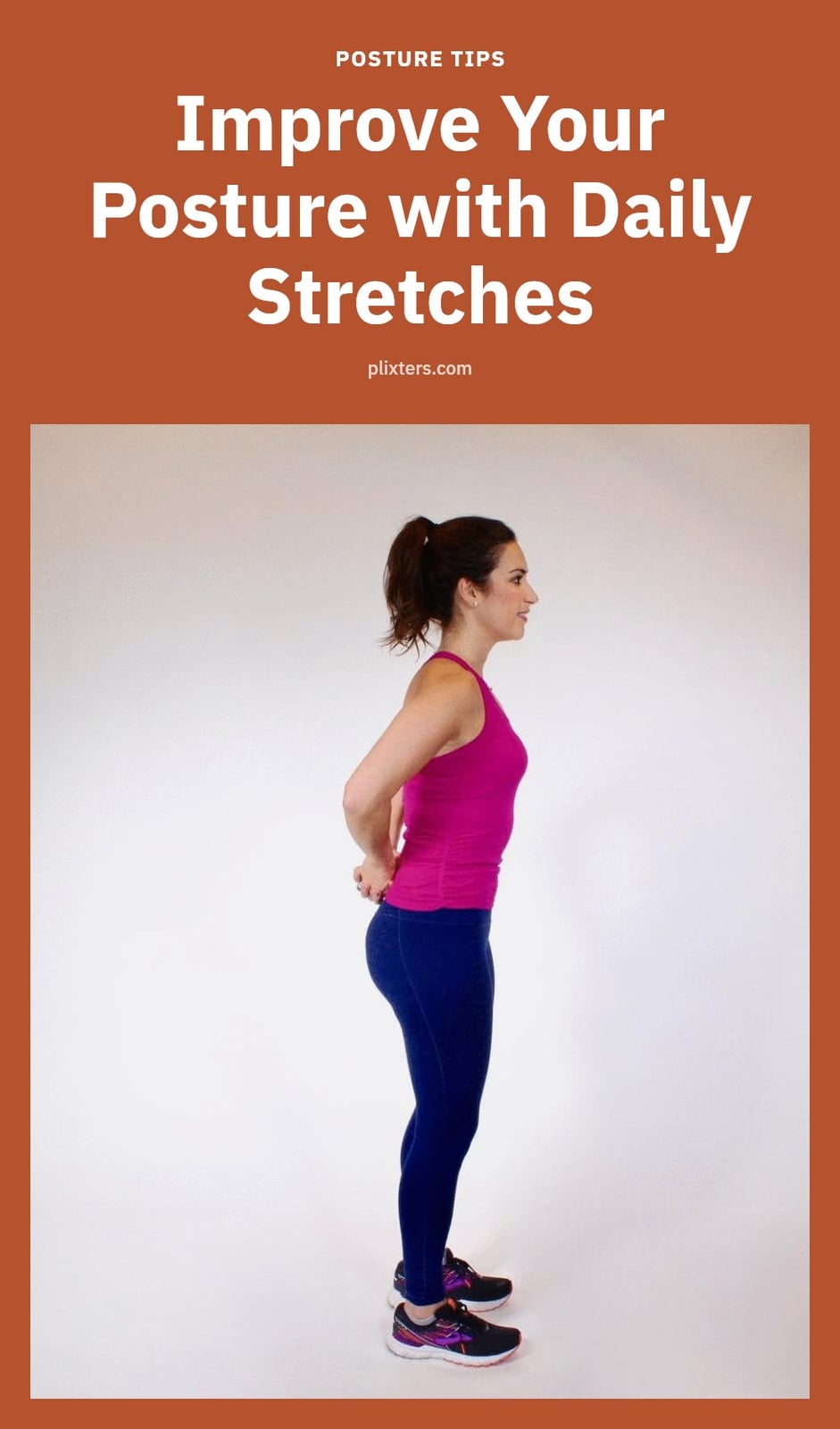
You probably know the feeling, your shoulders ache after a long day at your desk, or you catch yourself slouching in front of the TV. Improving your posture can ease that discomfort, boost your confidence, and help your body feel better overall. This article breaks down what good posture really looks like, why we slip into bad habits, and simple daily fixes you can start using right away.
From mindful body checks to the right exercises and ergonomic tweaks, I’ll walk you through the practical steps that make a real difference. No rigid rules, just real, sustainable changes.
Key Takeaways
- Good posture aligns your ears, shoulders, hips, and ankles in a straight line when standing.
- Weak core muscles are a major contributor to poor posture; strengthen them with planks and rows.
- Set a phone reminder to check your posture a few times each day for mindful body awareness.
- Adjust your computer screen to eye level to prevent forward head posture and neck strain.
- Consistent effort over several weeks to months is needed for lasting improvement in posture.
9 ideas in this post
- What is Good Posture and Why Does it Matter?
- Why We Develop Poor Posture Habits
- Practical Methods to Improve Your Posture Daily
- Essential Tools for Posture Improvement
- Common Posture Mistakes and How to Avoid Them
- Maintaining Good Posture for Long-Term Health
- When to Consult a Professional for Posture Concerns
- Frequently Asked Questions
- Final Thoughts
What is Good Posture and Why Does it Matter?
Good posture is the natural alignment of your spine’s curves, the neck, upper back, and lower back, supported by balanced muscle tension. It’s not about standing rigid or stiff. When your body is properly aligned, weight distributes evenly, reducing strain on joints and ligaments. This can prevent aches and pains, contributing to your overall physical health and comfort.
Why We Develop Poor Posture Habits
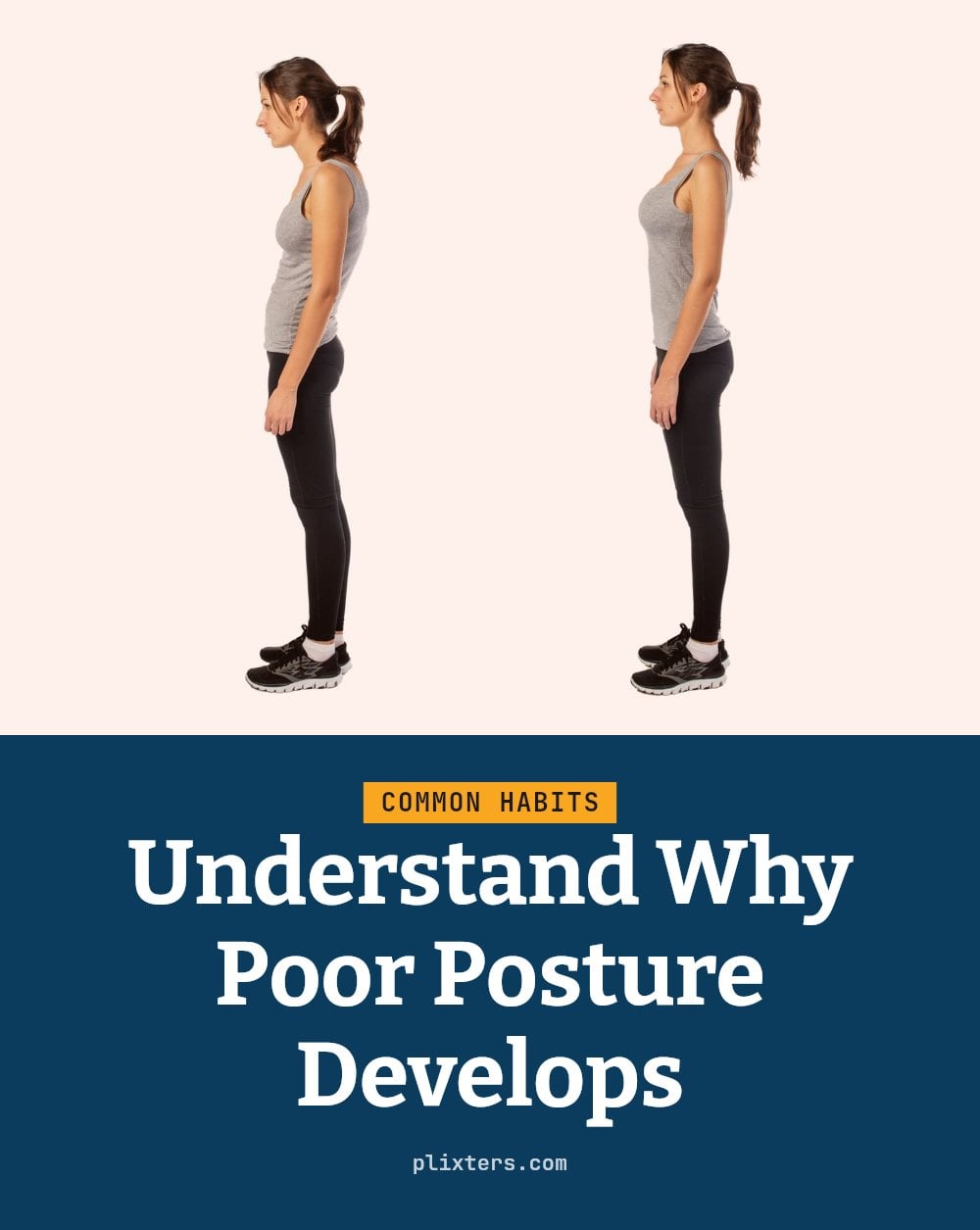
Poor posture often creeps up on us through everyday habits. Here are the most common culprits:
- Weak core muscles: Your abdominal and back muscles act as a natural corset. When they’re weak, they fail to support your spine adequately, leading to slouching.
- Prolonged sitting: Especially at a computer, this often leads to forward head posture and rounded shoulders as your neck and upper back adapt to the screen.
- Heavy bags on one side: Carrying a heavy bag consistently on one shoulder creates muscular imbalances, pulling your spine out of alignment.
- Ignoring discomfort: When you push through aches and pains instead of addressing them, you reinforce poor postural habits, making them harder to break.
Practical Methods to Improve Your Posture Daily
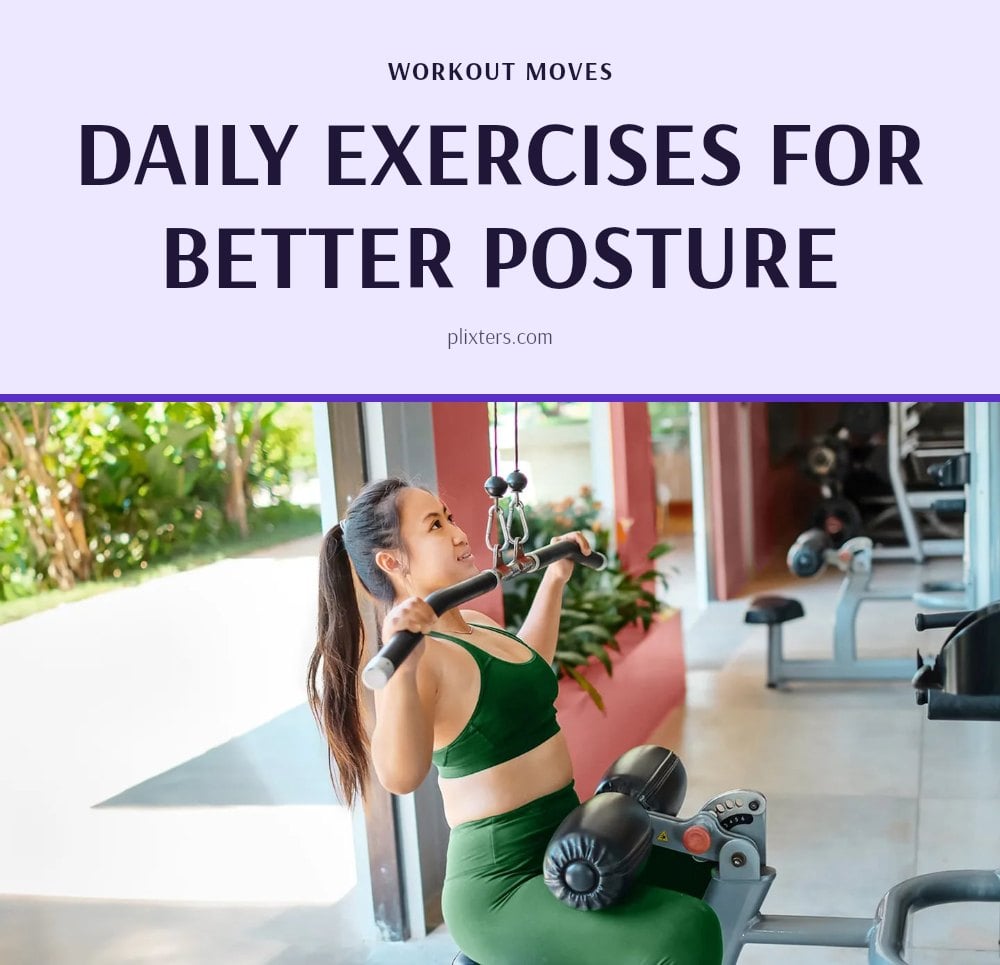
Improving your posture takes daily effort, but these practical methods can make a real difference.
1. Practice Mindful Body Awareness
Set a reminder on your phone to check your posture a few times a day. Notice if your shoulders are creeping up, your head is jutting forward, or your lower back is slumping. Simply recognizing the habit is the first step to correcting it.
2. Adjust Your Workspace Ergonomically
When sitting at a desk, keep your feet flat on the floor and your knees at a 90-degree angle. Position your computer screen at eye level so you don’t have to tilt your head. Your back should be supported against the chair, with a small curve in your lower back.
3. Strengthen Supporting Muscles
Incorporate exercises that target your core and upper back. Planks build overall core stability, rows (with resistance bands or dumbbells) strengthen the muscles that pull your shoulders back, and shoulder blade squeezes help counteract forward rounding. Aim for a few minutes of these exercises most days.
4. Use a Lumbar Support Pillow
When sitting for extended periods, place a lumbar support pillow behind your lower back. It helps maintain the natural curve of your lumbar spine, reducing strain and encouraging better sitting posture.
My tip: Start with just one new habit at a time. For example, focus on your desk setup this week, then add the exercises next week. This makes the change feel manageable.
Essential Tools for Posture Improvement
Having the right tools can make posture improvement easier. Here’s what helps:
- Ergonomic chair: Provides proper support for your spine, especially your lower back.
- Lumbar support pillow: Maintains the natural curve of your lower back when sitting.
- Supportive shoes: Influence overall body alignment from the ground up, so choose shoes with good arch support.
- Exercise mat and resistance bands: For targeted strengthening exercises like planks and rows.
Common Posture Mistakes and How to Avoid Them
Many people think good posture means locking your body into a stiff, military-style position. That actually creates more tension and strain. Myth: Aim for relaxed, natural alignment instead, with your shoulders back but not pinched, and your spine following its gentle curves.
Ignoring discomfort is another common trap. If your back aches or your neck feels tight, that is your body telling you something is off. Address the cause, don’t just push through.
Posture correctors can be helpful reminders, but they will not fix weak muscles on their own. Tip: Use them as aids while you build strength through exercises like rows and planks. And remember, good posture is not just about your upper back. Your core and lower body alignment matter just as much for overall balance.
Maintaining Good Posture for Long-Term Health
Keeping good posture long-term is about building habits, not temporary fixes. Do: Take frequent breaks to stand and stretch if you sit for long periods. A quick walk every hour resets your alignment.
Do: Strengthen your core and back muscles consistently. Planks, rows, and bird-dog exercises are your best friends here. Do: Choose a supportive mattress and pillows that keep your spine aligned during sleep. A pillow that is too thick or too flat can strain your neck all night. Do: Avoid carrying heavy bags on one side of your body. Switch sides or use a backpack to distribute weight evenly.
When to Consult a Professional for Posture Concerns
While self-care helps many posture issues, some situations need a professional. If you experience persistent pain, numbness, or tingling that does not improve with posture adjustments, consult a doctor or physical therapist.
Caution: Stop any exercise that causes sharp or increasing pain. And before starting new routines, especially with pre-existing conditions, get professional guidance. If you suspect a more serious underlying issue is affecting your posture, do not try to fix it alone.
Frequently Asked Questions
How long does it take to correct posture?
Most people need consistent effort over several weeks to months to see significant and lasting improvements. Daily practice of exercises and mindful adjustments is key. It’s a gradual process of strengthening muscles and retraining habits, not a quick fix.
Can posture correctors really fix bad posture?
Posture correctors can provide temporary support and remind you to align your body, but they won’t fix the underlying muscle weakness. Relying on them alone without strengthening your core and back muscles is a common mistake. Use them as a tool, not a cure.
What is the best sleeping position for posture?
Sleeping on your back or side with proper pillow support is generally recommended for spinal alignment. Avoid sleeping on your stomach, as it can strain your neck and lower back. A supportive mattress and pillows that keep your spine neutral make a big difference.
How can I improve my posture while sitting?
Keep your feet flat on the floor, knees at a 90-degree angle, and your back supported against the chair. Use a lumbar support pillow to maintain the natural curve of your lower back. Take frequent breaks to stand and stretch every hour to reset your alignment.
Final Thoughts
My tip: pick just one or two of these methods to start, like setting a posture reminder or doing a few shoulder blade squeezes each day. Building a new habit takes time, so be patient with yourself. Expect to see gradual changes over several weeks, not overnight. Stick with it, and your body will thank you.
This article is for general informational purposes only and does not constitute medical advice. If you experience persistent pain, numbness, or tingling, or have pre-existing health conditions, consult a doctor or physical therapist before starting new exercises or making significant changes to your posture habits.




