 Save
You already know the basics, but sometimes it’s the small details that make the biggest difference in how clean and confident you feel. From your morning routine to how you care for your home, these 14 hygiene tips cover the areas many women overlook or rush through. Whether you’re looking to refresh your habits or fill in a few gaps, this list has practical steps you can start using today.
Key Takeaways
- Wash your hands with soap and water for at least 20 seconds before eating and after using the restroom.
- Shower daily or every other day using a mild soap to avoid stripping your skin’s natural oils.
- Brush your teeth for two minutes twice a day and floss daily for complete oral care.
- Change your underwear every day and wash bras after 2-3 wears, or after each workout.
- Clean makeup brushes weekly and wash bedding, especially pillowcases, weekly to reduce breakouts.
18 ideas in this post
- Why Personal Hygiene Matters for Women
- 1. Master Your Handwashing Routine
- 2. Shower or Bathe Regularly
- 3. Prioritize Oral Hygiene
- 4. Daily Deodorant or Antiperspirant
- 5. Change Underwear Daily
- 6. Regular Bra Washing
- 7. Don’t Forget Your Belly Button
- 8. Keep Nails Clean and Trimmed
- 9. Wash Your Hair as Needed
- 10. Clean Your Makeup Brushes
- 11. Regular Bedding Changes
- 12. Separate Face and Body Towels
- 13. Wipe Down High-Touch Surfaces
- 14. Clean Workout Clothes Immediately
- Common Hygiene Mistakes to Avoid
- Frequently Asked Questions
- Final Thoughts
Why Personal Hygiene Matters for Women
Personal hygiene goes deeper than looking clean; it is a foundation for your overall well-being, confidence, and social comfort. A consistent routine that covers all areas of the body helps prevent illness and keeps you feeling fresh and healthy every day. When you take care of your hygiene, you empower yourself to feel your best, inside and out, supporting both your physical health and your mental self-assurance.
1. Master Your Handwashing Routine
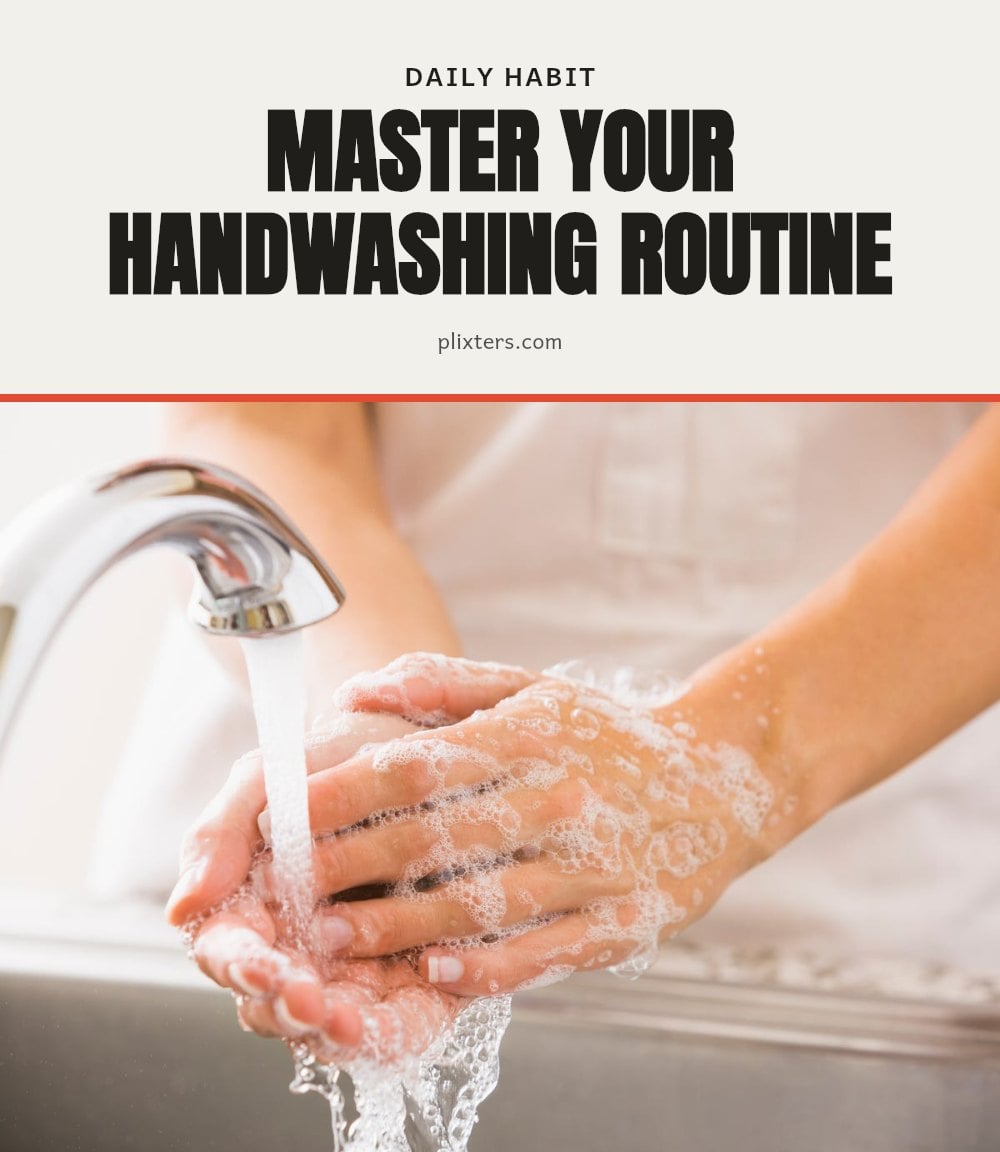
Wash your hands thoroughly with soap and water for at least 20 seconds. This is one of the most effective ways to prevent the spread of germs. Make it a habit to wash before eating, after using the restroom, and any time you touch shared surfaces like door handles or public transit poles.
- How to time it: Sing “Happy Birthday” twice from start to finish.
- When to wash: Before meals, after restroom use, after touching high-touch surfaces.
2. Shower or Bathe Regularly
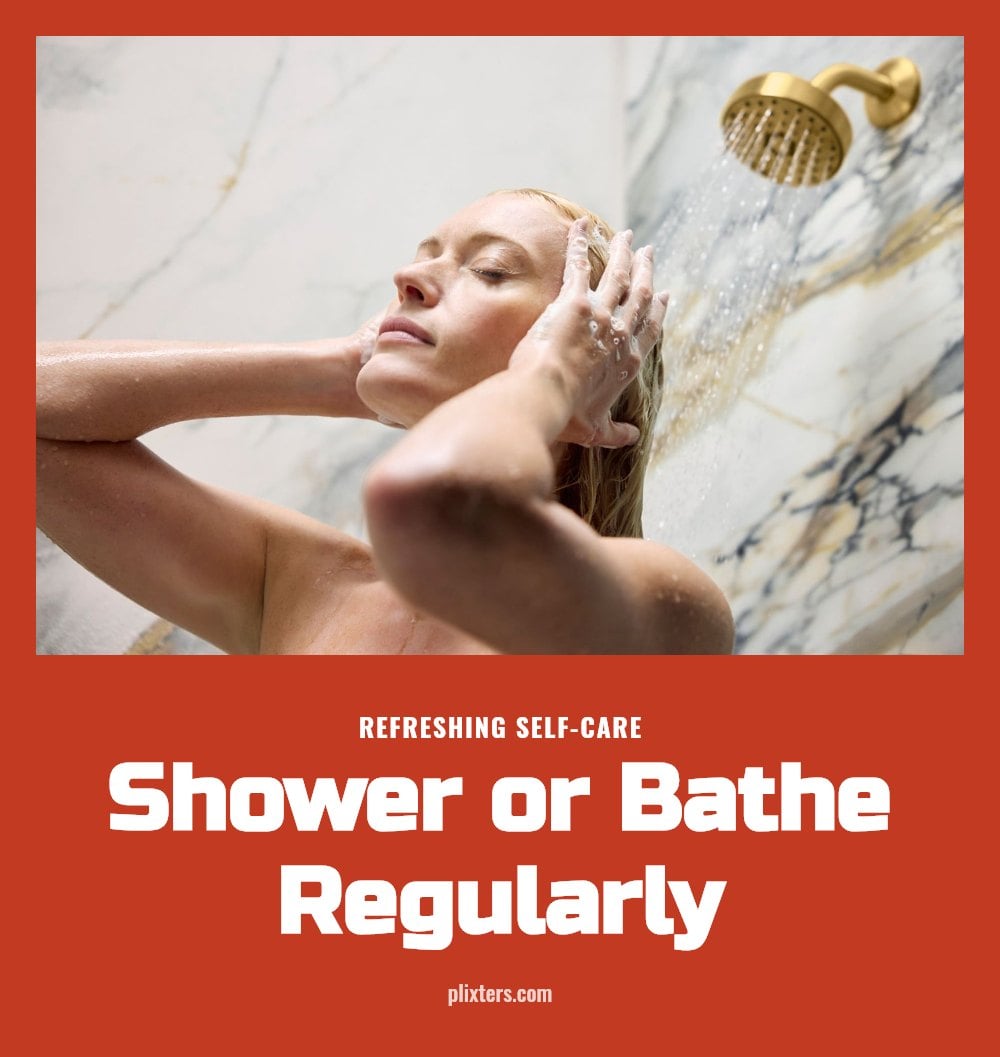
Shower or bathe daily or every other day to remove dirt, sweat, and dead skin cells. This keeps your skin fresh and reduces body odor. My tip: Choose a mild soap or body wash, especially if you have sensitive skin. Harsh cleansers can strip your skin of its natural oils, leading to dryness and irritation. Lukewarm water is gentler than hot water.
3. Prioritize Oral Hygiene

Brush your teeth twice a day for two minutes each time using a fluoride toothpaste. This helps remove plaque and prevent cavities. Flossing daily is just as important; it reaches the spaces between your teeth and along the gum line where a toothbrush cannot. Together, brushing and flossing protect against gum disease and keep your breath fresh.
4. Daily Deodorant or Antiperspirant
Apply deodorant or antiperspirant daily to clean, dry underarms. This controls body odor and manages sweat, so you stay fresh and confident from morning to evening.
- Tip: Apply at night for antiperspirants; they work better when sweat glands are less active.
- Caution: Skip application if skin is irritated or freshly shaved to avoid stinging.
5. Change Underwear Daily
Change your underwear every day without exception. This simple habit prevents bacteria from building up in the fabric, which can cause odor and irritation. Cotton underwear is a good choice because it allows your skin to breathe and reduces moisture.
6. Regular Bra Washing
My tip: Wash your bras after 2-3 wears. If you sweat heavily or wear them during a workout, wash after each use. Regular cleaning removes oils and bacteria that can break down elastic fibers, so your bras last longer and stay fresh.
7. Don’t Forget Your Belly Button
Clean your belly button with soap and water during every shower. This small area can trap dead skin cells, sweat, and bacteria, leading to odor or infection if ignored. Use a washcloth or your finger with mild soap to gently scrub inside.
8. Keep Nails Clean and Trimmed
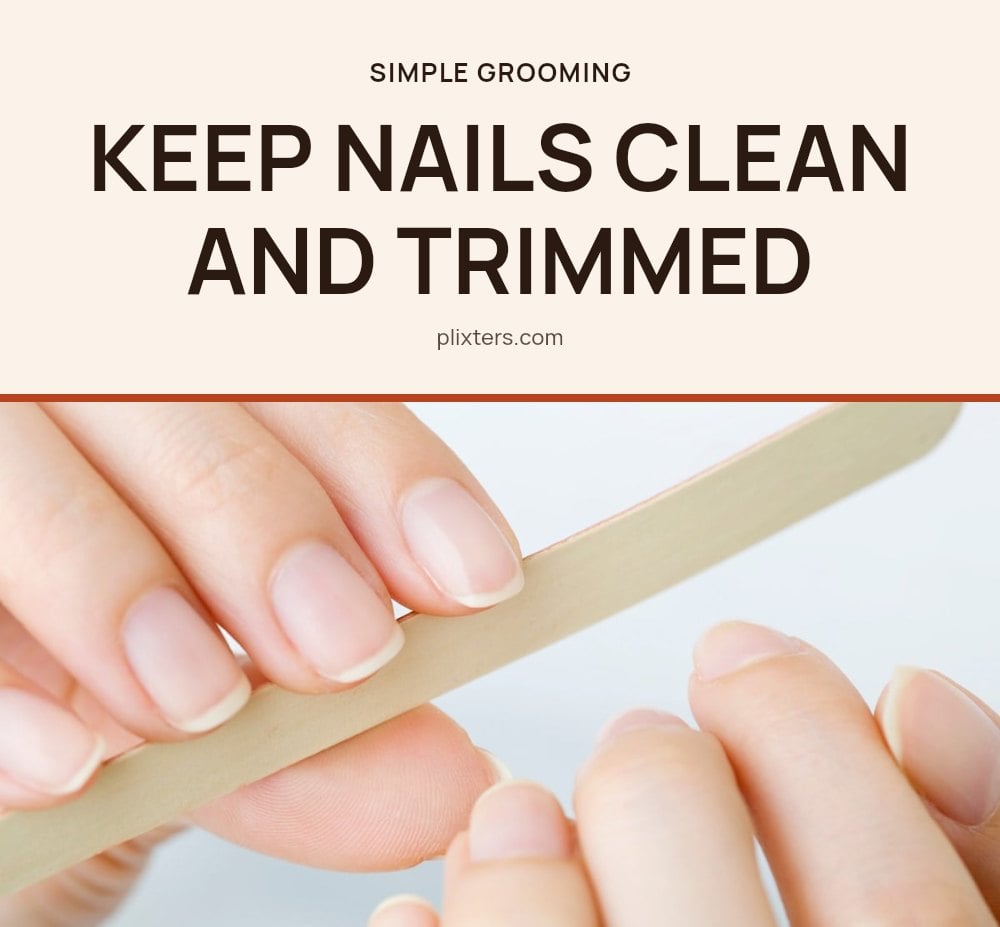
Trim your fingernails and toenails regularly to prevent dirt and bacteria from building up underneath them. Short, clean nails reduce the chance of transferring germs to your eyes, nose, or mouth. Use a nail clipper or file to keep edges smooth and avoid snags.
- Tip: Clean under nails with a soft brush during handwashing for extra hygiene.
- Good to know: Neat nails also make your hands and feet look more polished.
9. Wash Your Hair as Needed
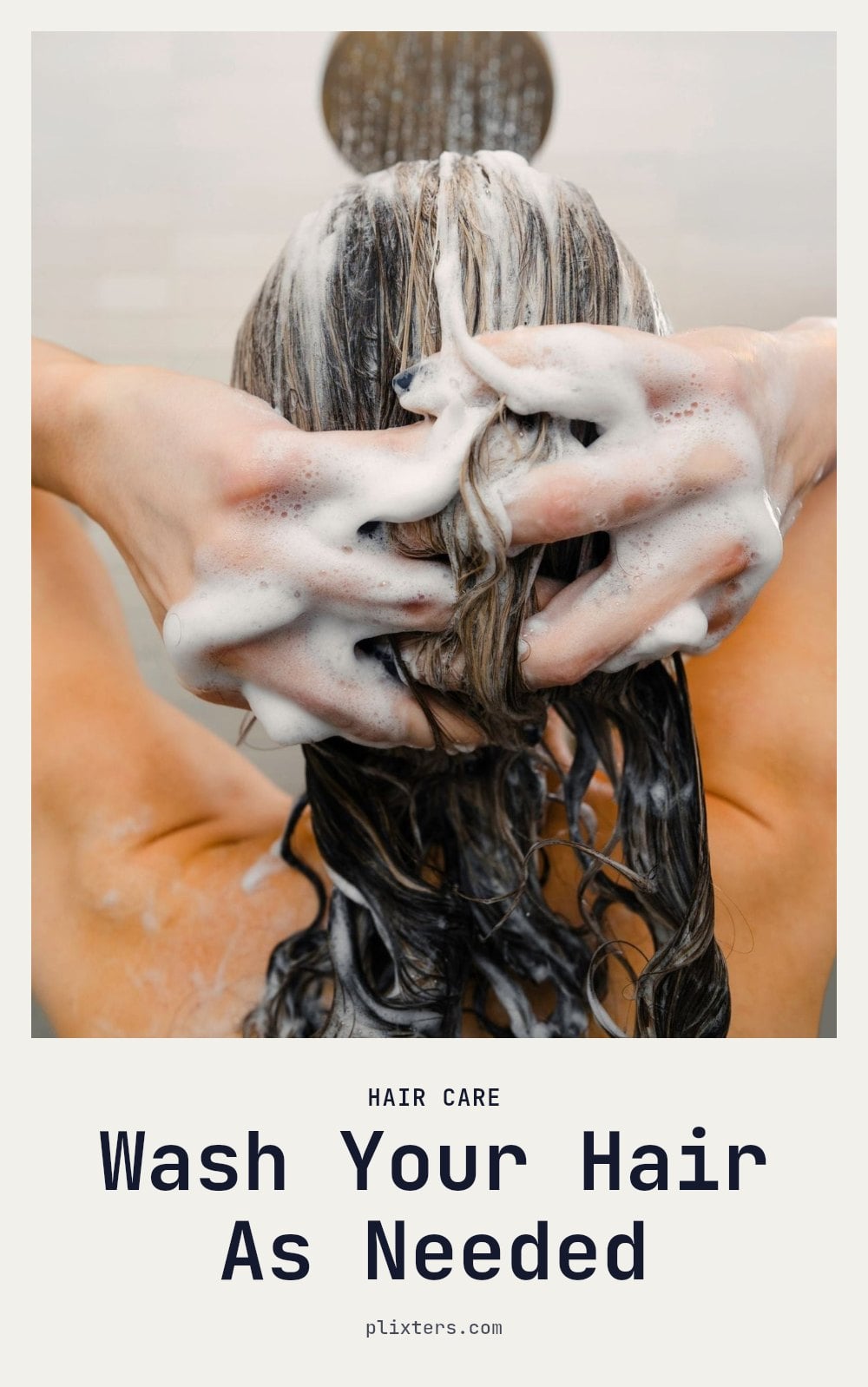
Wash your hair every 2-3 days, or adjust based on your hair type and activity level. Oily hair or frequent workouts may call for more washing, while dry or curly hair often thrives with longer breaks between washes. Over-washing can strip natural oils, leading to dryness or irritation.
- Tip: If your scalp feels greasy but your ends are dry, focus shampoo on the roots only.
- Caution: Skipping washes too long may cause buildup and odor for some hair types.
10. Clean Your Makeup Brushes
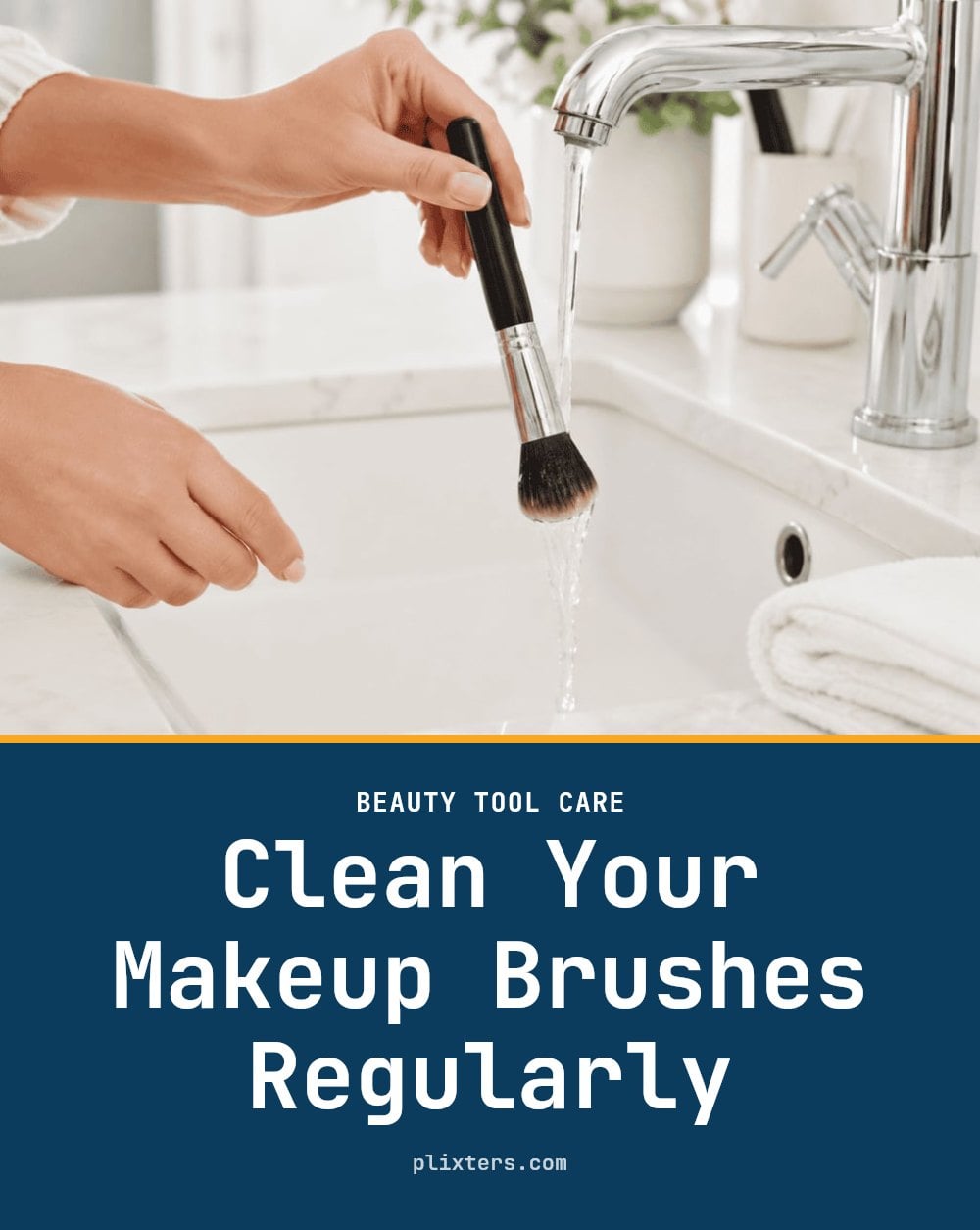
Clean your makeup brushes weekly to prevent bacterial growth that can cause breakouts and skin irritation. Dirty brushes transfer old product, oil, and germs back onto your face. A quick wash with mild soap or brush cleanser keeps bristles soft and application smooth.
- Tip: Rinse brushes thoroughly and lay them flat to dry to protect the glue.
- Good to know: Clean brushes also help foundation and powder blend more evenly.
11. Regular Bedding Changes
Wash your bedding, especially pillowcases, weekly to reduce skin breakouts and allergen exposure. Your face presses against the fabric for hours each night, transferring oil, sweat, and bacteria. Clean sheets also help minimize dust mites and keep your sleep space fresh.
- Tip: Use hot water and a gentle detergent for best results on pillowcases.
- Good to know: A clean bed supports both skin health and better sleep quality.
12. Separate Face and Body Towels
Tip: Use separate towels for your face and body. This simple switch can help prevent bacteria from your body from reaching your delicate facial skin, which may reduce breakouts. Keep a dedicated face towel in your bathroom and swap it out every 2-3 uses.
13. Wipe Down High-Touch Surfaces
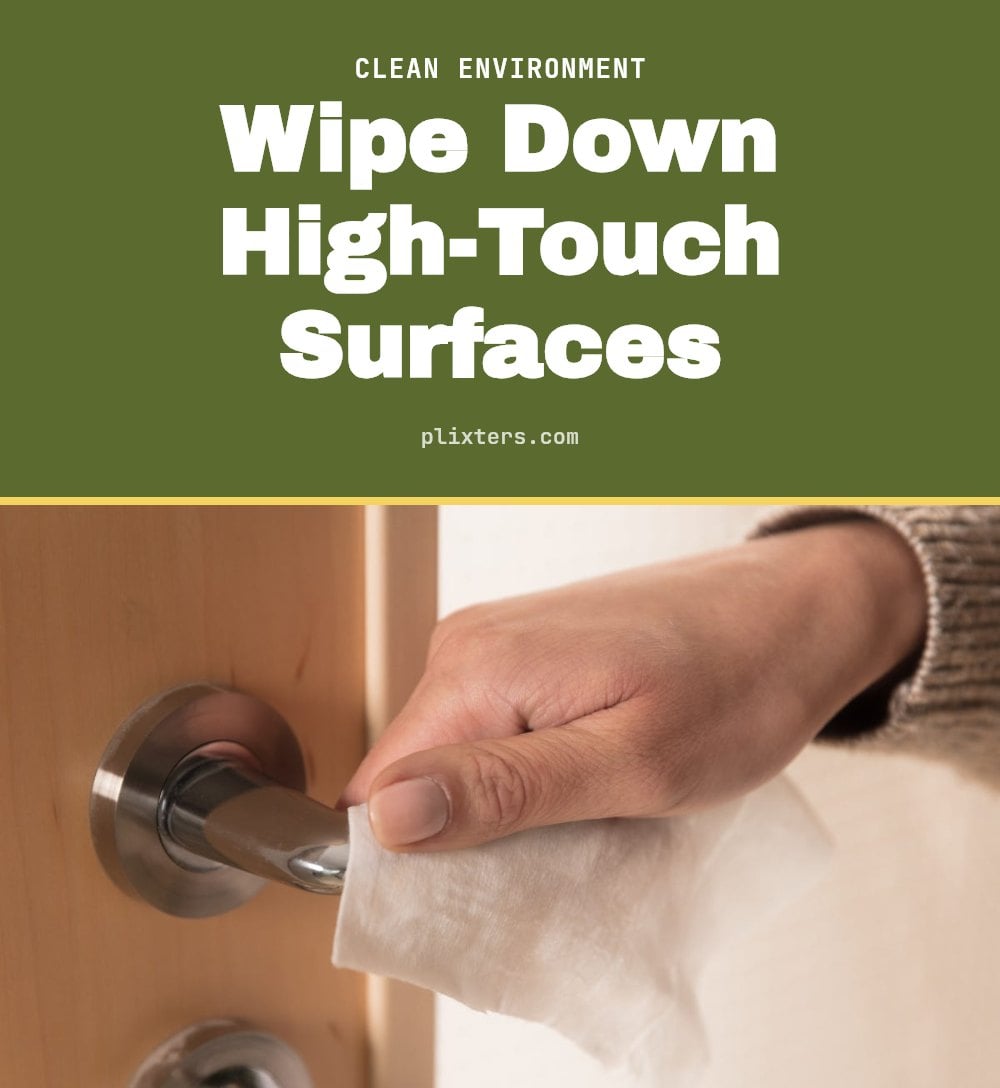
Wipe down frequently touched surfaces in your home, like doorknobs, light switches, and remote controls. This limits germ transmission and contributes to a healthier living environment for everyone. A quick daily pass with a disinfectant wipe or soapy cloth is enough.
14. Clean Workout Clothes Immediately
Change out of sweaty workout clothes immediately after exercise. Bacteria thrive in warm, moist fabric and can transfer back to your skin, leading to body odor and irritation. Rinse off or shower soon after, and toss your gym gear directly into the laundry.
Common Hygiene Mistakes to Avoid
- Not washing hands long enough: Aim for at least 20 seconds with soap and water. Singing ‘Happy Birthday’ twice can help you time it.
- Forgetting hidden areas: Make sure to clean behind your ears, your belly button, and between your toes during every shower.
- Using the same towel for too long: Replace bath towels at least once a week and face towels more frequently to prevent bacterial buildup.
- Neglecting makeup tools: Dirty brushes can harbor bacteria; clean them weekly to prevent skin issues.
- Over-scrubbing or hot water: Harsh scrubbing and very hot water can strip your skin’s natural oils and cause irritation. Opt for mild soap and lukewarm water instead.
Frequently Asked Questions
How often should I shower?
Most women can shower daily or every other day, depending on their activity level and skin type. If you have very dry or sensitive skin, showering every other day with a mild soap may be better. Always shower after a workout to remove sweat and bacteria.
What’s the best way to clean my belly button?
During each shower, use a washcloth or your finger with mild soap and water to gently scrub inside your belly button. Rinse thoroughly and pat dry. This prevents trapped dead skin, sweat, and bacteria that can cause odor or infection.
Can poor hygiene cause skin problems?
Yes, neglecting hygiene can lead to clogged pores, breakouts, irritation, and even infections. Dirty makeup brushes, unwashed pillowcases, and not showering after exercise are common culprits. If you notice persistent skin issues, check your hygiene routine first and consult a dermatologist if they continue.
How often should I wash my hair?
A general guideline is every 2-3 days, but it depends on your hair type and activity level. Oily hair or frequent workouts may require more frequent washing, while dry or curly hair often does better with longer breaks. Over-washing can strip natural oils, so adjust based on how your hair feels.
Is it bad to use the same towel for face and body?
It’s best to use separate towels for your face and body. Bacteria from your body can transfer to your facial skin, potentially causing breakouts or irritation. Keep a dedicated face towel and swap it out every 2-3 uses, while changing your body towel at least once a week.
Final Thoughts
Pick just one or two of these tips to add to your routine this week, like cleaning your makeup brushes or switching to a separate face towel. Small changes add up fast, and you’ll notice the difference in how fresh you feel. Stick with it for a few weeks, and these habits will become second nature.
This article is for general informational purposes only and does not constitute medical or professional advice. If you experience persistent itching, redness, unusual discharge, or strong odors, consult a healthcare professional. Always follow product instructions and talk to your doctor or dermatologist about any personal health concerns.